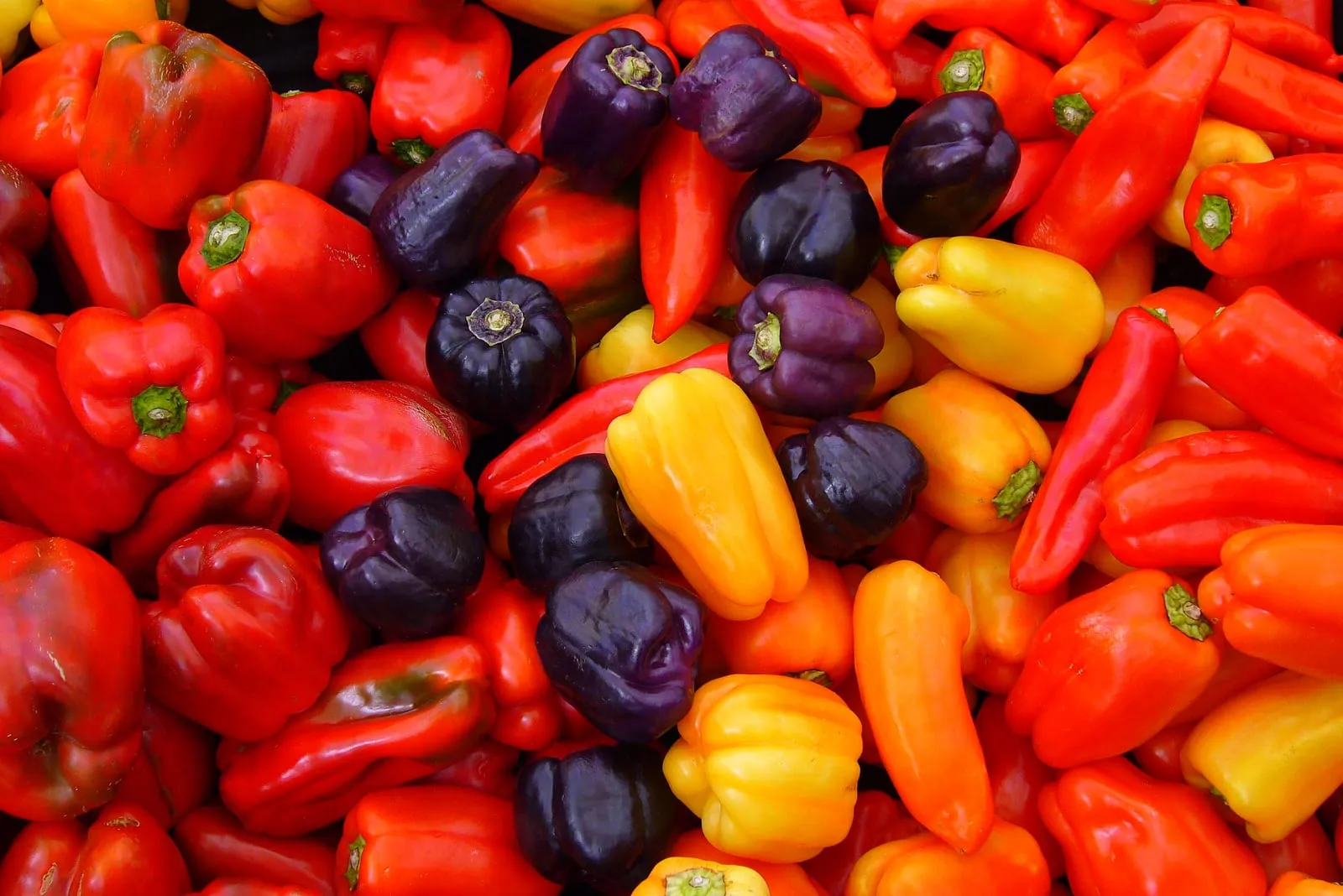
vegetable in zone 9b
Growing sweet pepper in zone 9b
Capsicum annuum
- Zone
- 9b 25°F to 30°F
- Growing season
- 310 days
- Suitable varieties
- 0
- Days to harvest
- 60 to 90
The verdict
Zone 9b is well within the sweet pepper's preferred range. Sweet peppers are warm-season annuals with no chill-hour requirement, so the zone's mild winters are an asset rather than a constraint. The 310-day growing season allows growers to run two cropping cycles in a single calendar year, something that is not feasible in most of the country.
The primary limitation in zone 9b is summer heat, not cold. Sweet peppers set fruit best when daytime temperatures stay below 90°F and nights remain above 55°F. When sustained highs push past 95°F, blossom drop becomes a real problem, and fruit set stalls until temperatures moderate in early fall. Coastal areas contending with salt spray face additional foliar stress on top of the heat load.
Overall, zone 9b is a productive zone for sweet peppers, with the caveat that midsummer production often pauses during the hottest weeks. Plan the harvest calendar around spring and fall flushes rather than continuous summer yield.
Critical timing for zone 9b
In zone 9b, transplants typically go into the ground in late January through March, with the long frost-free window allowing early starts. Flowering begins roughly 60 to 75 days after transplanting, placing first blooms in March or April for early plantings. Spring harvests run from May through June before peak heat arrives.
A second planting in late July or August takes advantage of the extended season, with fall harvests running October through December. The zone's first frost typically arrives in late November to mid-December, so fall crops usually have time to finish before cold becomes a concern. The gap in midsummer production, when blossom drop is most likely, is predictable enough that growers can plan around it rather than fight it.
Common challenges in zone 9b
- ▸ Heat stress in summer
- ▸ Insufficient chill for most apples
- ▸ Salt spray near coasts
Disease pressure to watch for
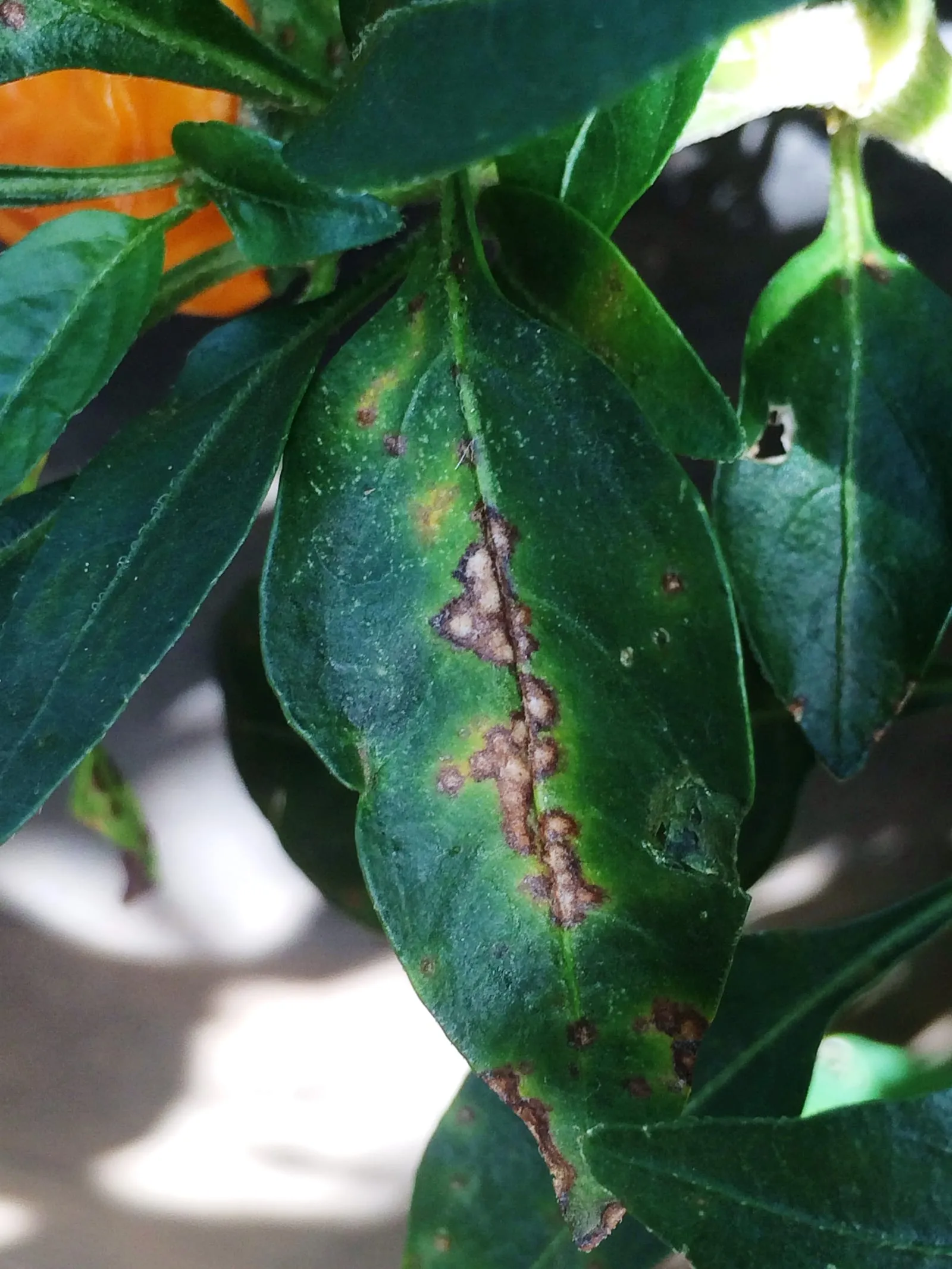
Xanthomonas euvesicatoria and X. perforans
Bacterial disease causing leaf spots and fruit blemishes on pepper and tomato. Severe in warm humid weather, transmitted via splashing water and seed.
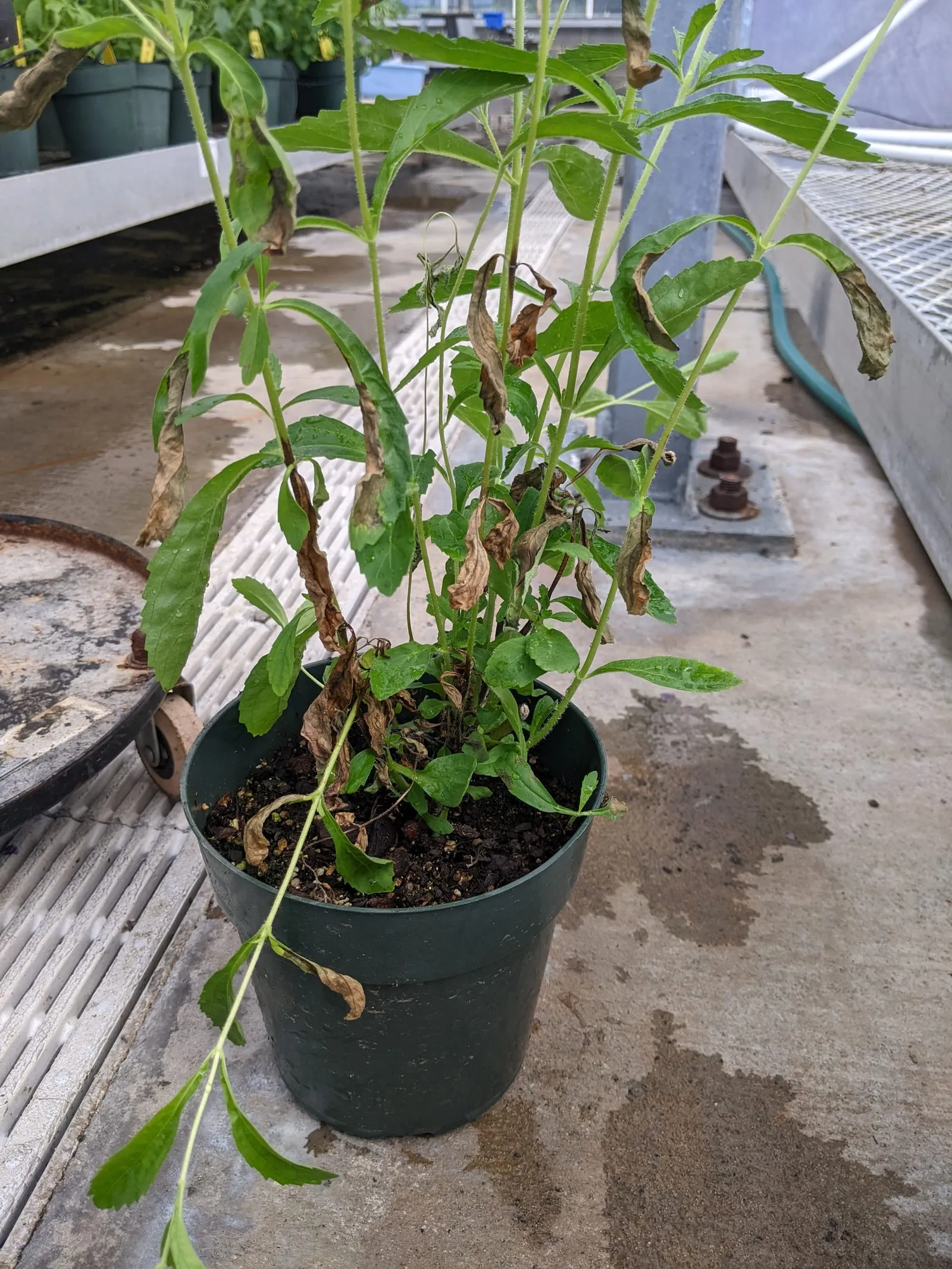
Tomato spotted wilt orthotospovirus (TSWV)
Virus vectored by thrips, particularly western flower thrips. Wide host range and growing global distribution. No cure once infected.
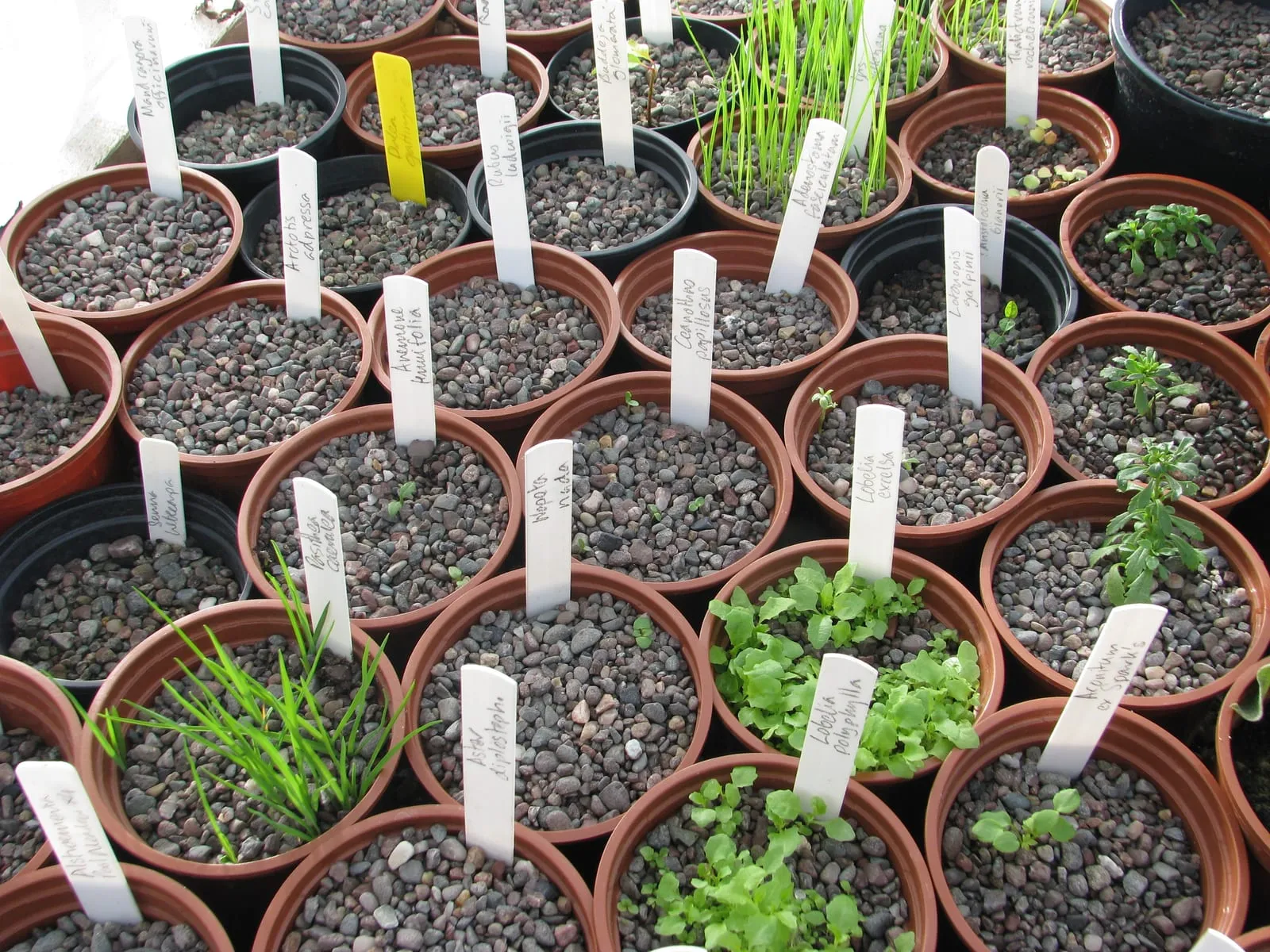
Pythium and Rhizoctonia species
Soil-borne complex of water molds and fungi that kill seedlings before or shortly after emergence. The single most common cause of seed-starting failures.
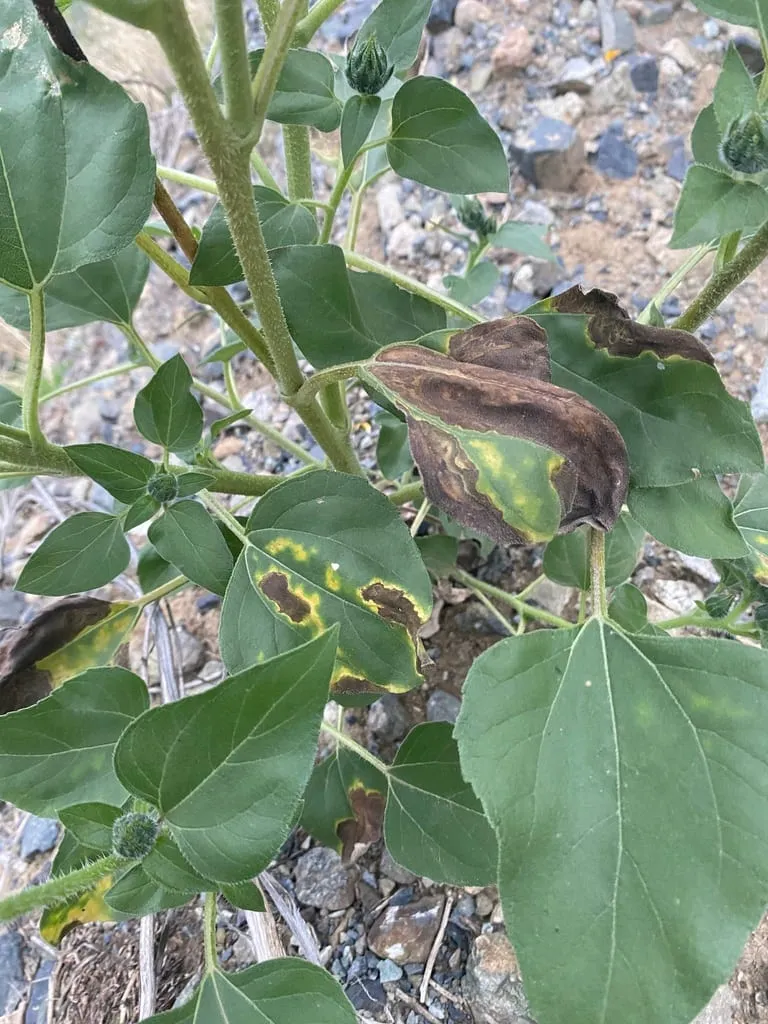
Verticillium dahliae
Soil-borne fungal disease similar to fusarium wilt but with broader host range and cooler temperature optimum. Persists in soil for 10+ years.
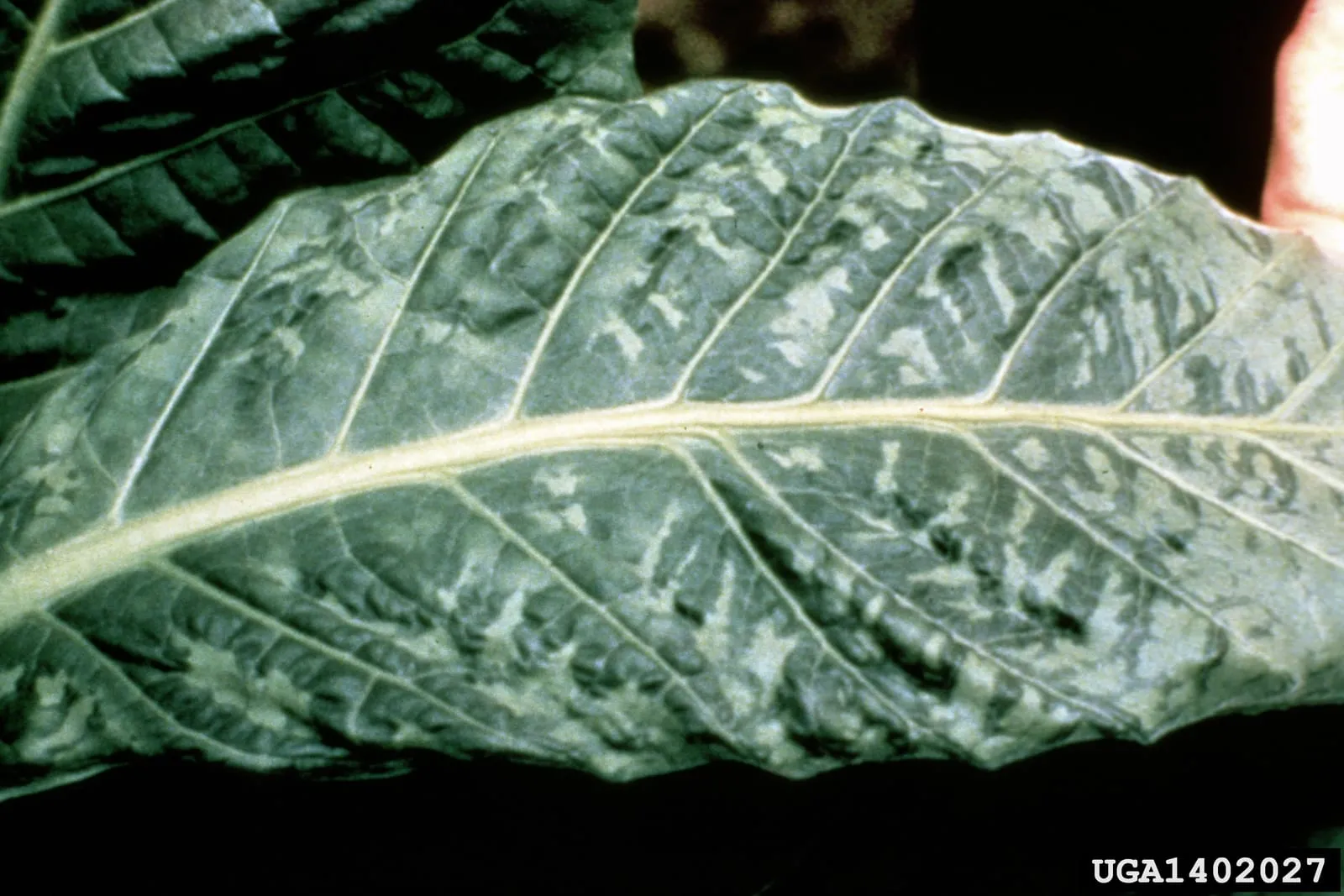
Cucumber mosaic virus, Tobacco mosaic virus, and others
Family of plant viruses producing mottled yellow-and-green leaf patterns. Vectored primarily by aphids; some are seed-transmitted or spread by handling tools and tobacco products.
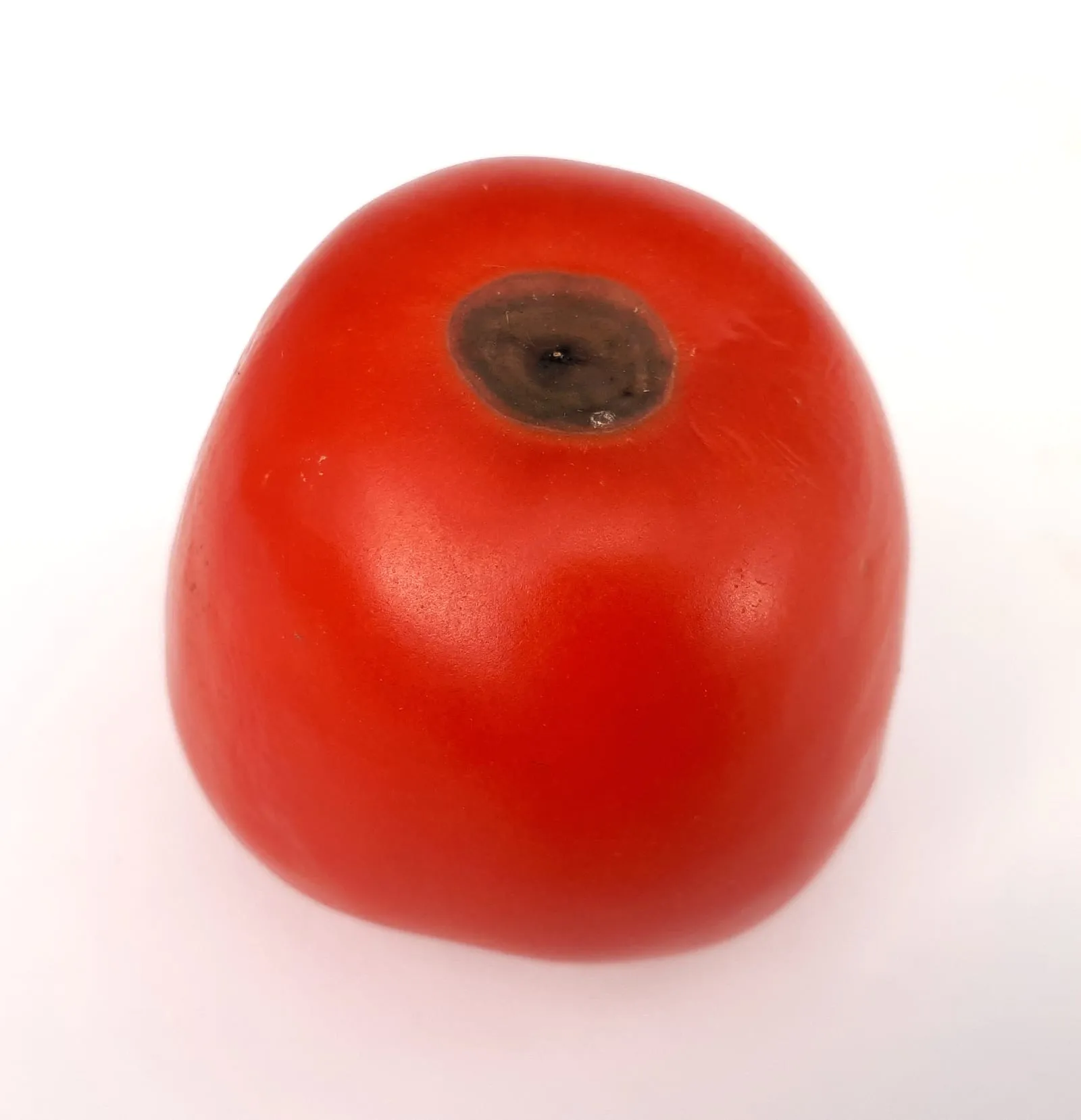
Calcium deficiency physiological disorder
Not a true disease but a calcium-uptake disorder caused by inconsistent soil moisture during fruit development. The dominant cause of damaged first-fruit on home tomato plantings.
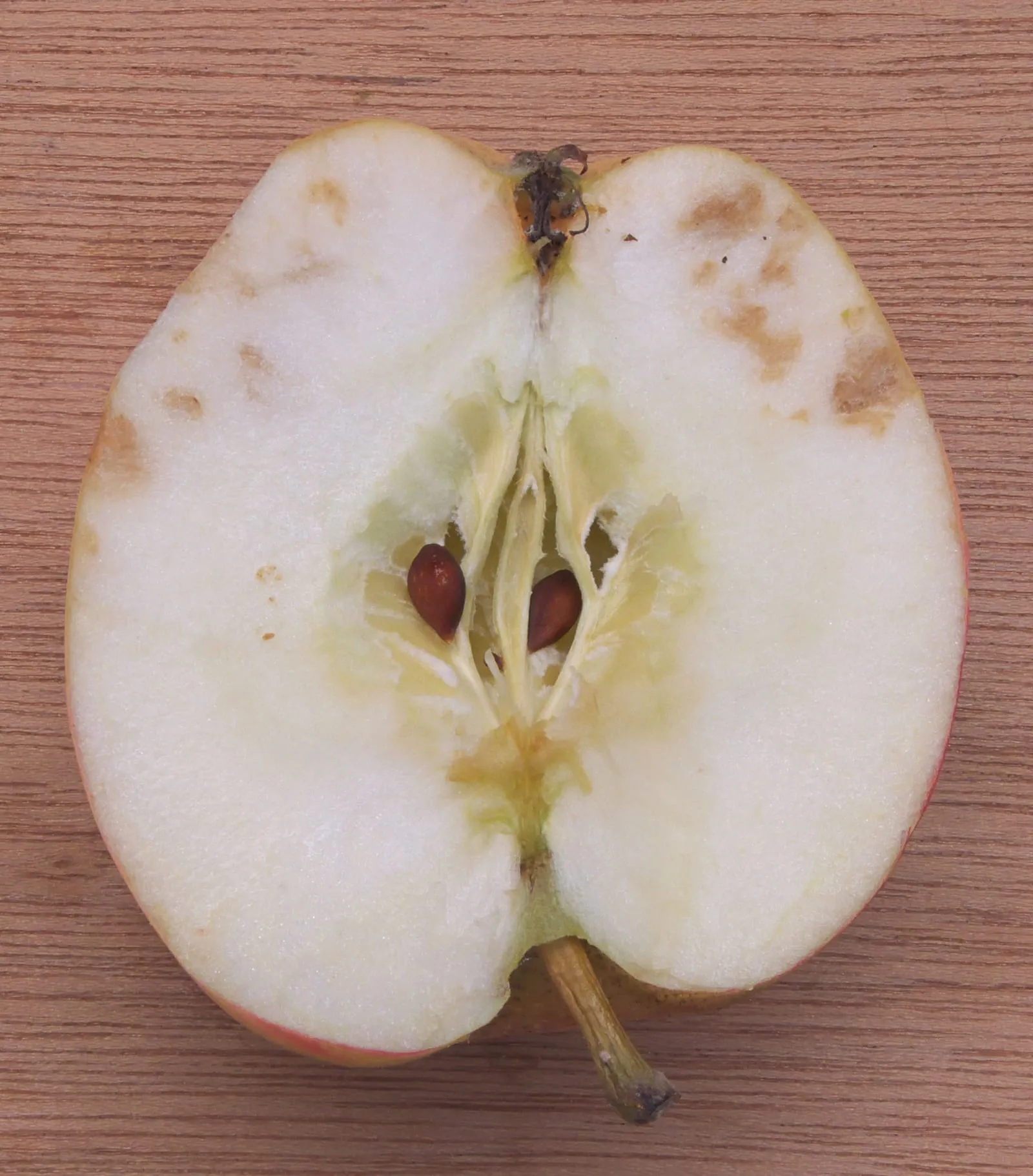
Physiological disorder
Damage from direct intense sun exposure on fruit or bark, particularly on plants suddenly exposed by pruning, defoliation, or hot weather. Distinct from sunburn (which is reversible).
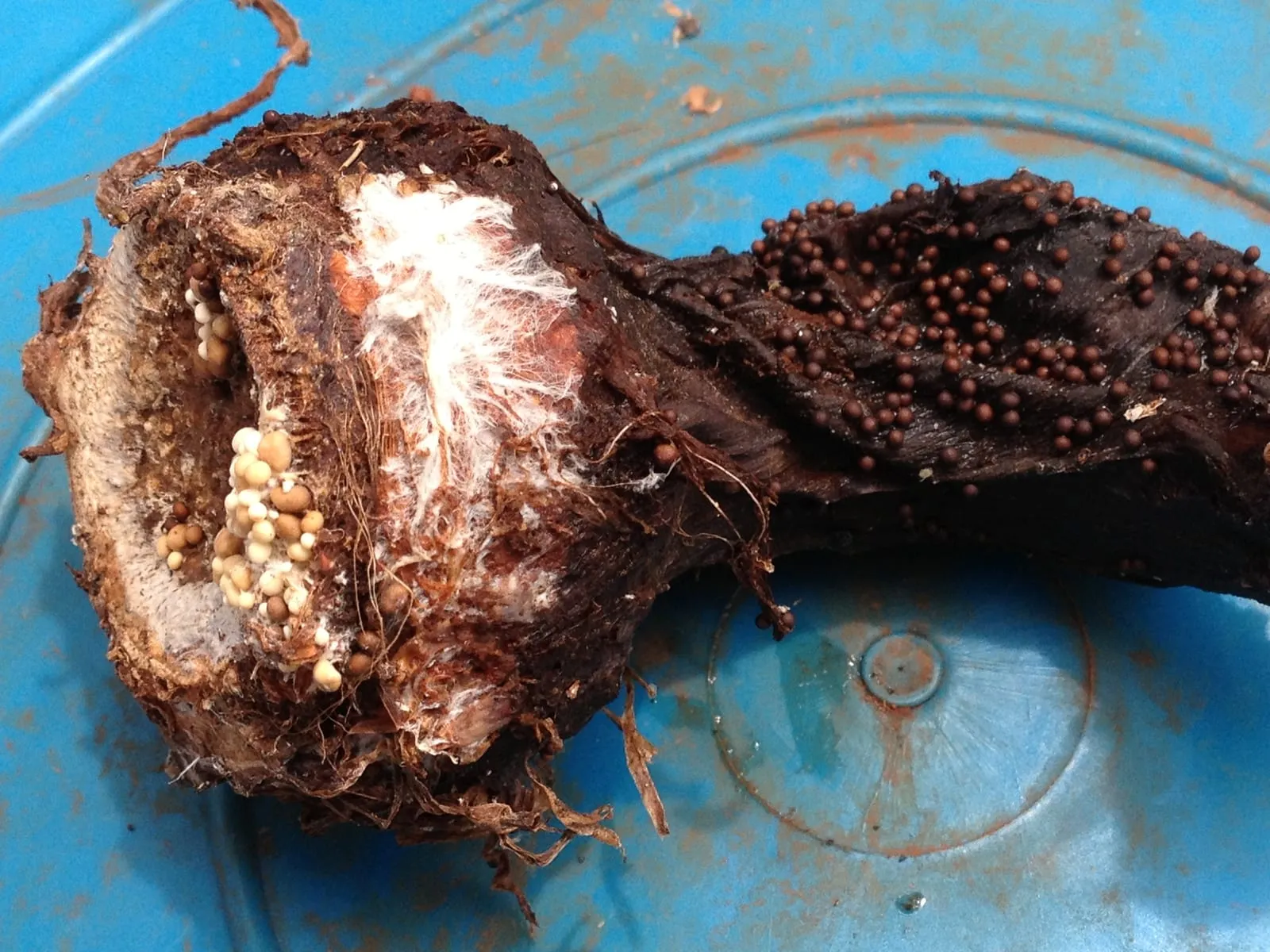
Sclerotium rolfsii
Soil-borne fungal disease most damaging in warm humid Southern conditions. White mycelial fans and small mustard-seed-sized sclerotia at the soil line are diagnostic.
Modified care for zone 9b
The most important adjustment in zone 9b is managing heat stress during July and August. A 30 to 40 percent shade cloth over pepper beds during peak afternoon hours can keep canopy temperatures below the threshold where blossom drop occurs. Consistent soil moisture is equally important; irregular watering under heat stress accelerates fruit cracking and blossom end rot.
Disease pressure in zone 9b warrants attention on three fronts. Bacterial spot thrives in warm, wet conditions common after summer storms; copper-based sprays applied preventatively before rain events reduce spread. Tomato Spotted Wilt Virus, transmitted by thrips, is endemic in many zone 9b regions, so selecting resistant varieties where available and managing thrips populations early are both warranted. Verticillium wilt is a soil-borne pathogen that persists for years; rotating pepper plantings on a three-year cycle and avoiding previously infected beds are the most reliable controls.
Sweet Pepper in adjacent zones
Image: "Capsicum annuum", by Eric Hunt, via Wikimedia Commons, licensed under CC-BY Source.

Related