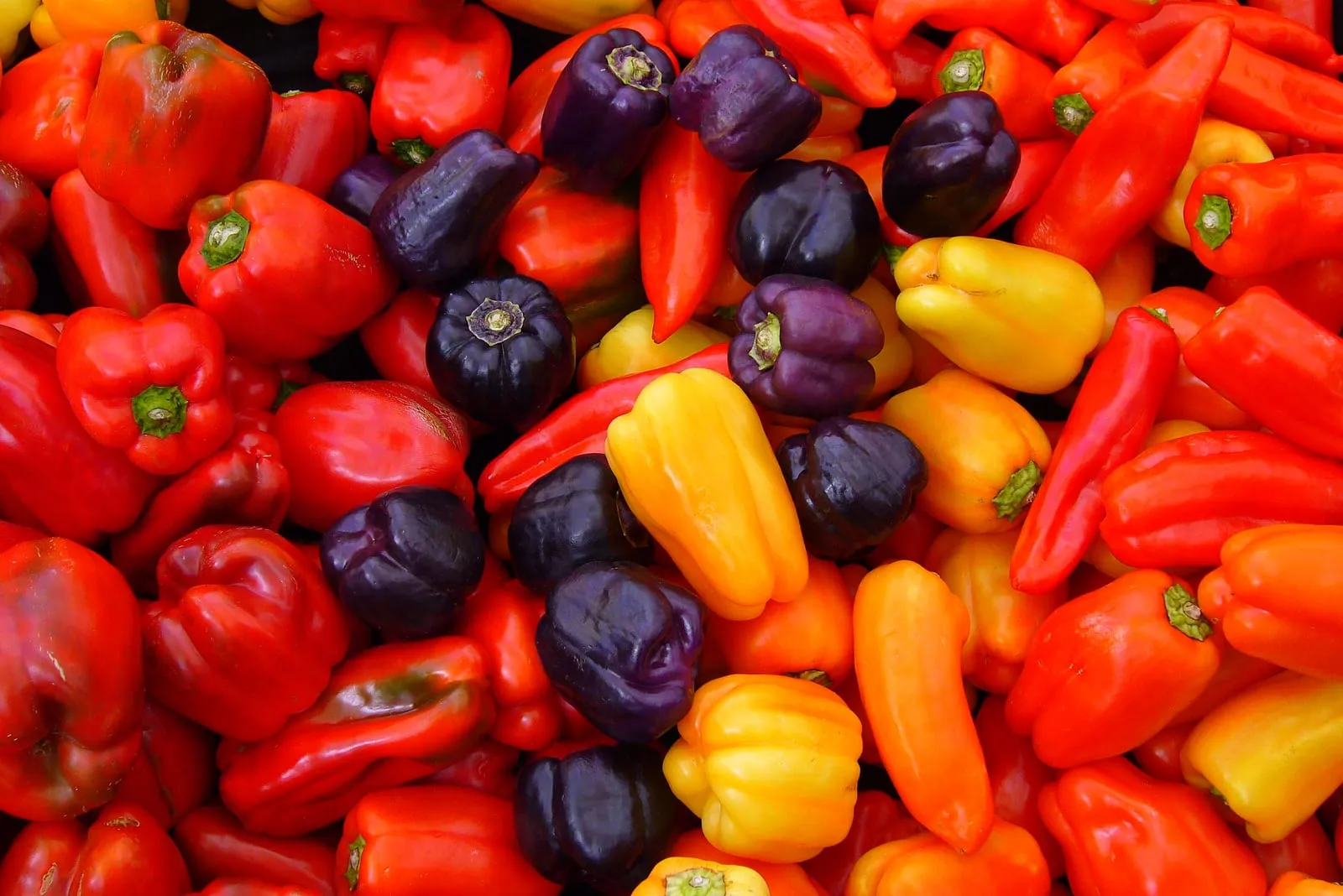
vegetable in zone 10a
Growing sweet pepper in zone 10a
Capsicum annuum
- Zone
- 10a 30°F to 35°F
- Growing season
- 340 days
- Suitable varieties
- 0
- Days to harvest
- 60 to 90
The verdict
Sweet pepper is a warm-season crop with no chilling requirement, which means zone 10a is broadly well-suited rather than marginal. The 340-day growing season allows for multiple plantings per year, and the minimum winter temperatures of 30 to 35°F rarely threaten established plants. The binding constraint in zone 10a is not cold but heat: when daytime temperatures exceed 95°F for extended stretches, pepper blossoms drop before setting fruit, creating midsummer gaps in production even when conditions look ideal on paper.
Hurricane exposure adds a physical risk that colder zones don't face. A late-season storm can strip foliage and damage stems at precisely the time fall crops would be approaching harvest. Selecting compact, branching varieties with some wind tolerance reduces this exposure, though no variety eliminates it. For most of zone 10a, sweet pepper performs reliably when planted around the two cooler windows of the year, and growers who time plantings to avoid peak summer heat will see consistently better yields than those who plant on a temperate-zone schedule.
Critical timing for zone 10a
In zone 10a, the practical sweet pepper calendar runs on two planting windows rather than one. The fall-to-spring window, roughly September through April, produces the most reliable crops; temperatures stay below the blossom-drop threshold, and plants set fruit steadily through the mild winter months. Transplants set out in late September or October typically begin flowering within six to eight weeks and can yield through April or May before heat shuts them down.
The spring-to-summer window is shorter and riskier. Transplants set in February or early March can produce well through May, but yields often taper in June as daytime highs push past 90°F. Frost is possible but rare in zone 10a; the more relevant timing constraint is the arrival of sustained heat, not the last frost date.
Common challenges in zone 10a
- ▸ No chilling for traditional temperate fruit
- ▸ Hurricane exposure
- ▸ Heat-tolerant cultivars only
Disease pressure to watch for
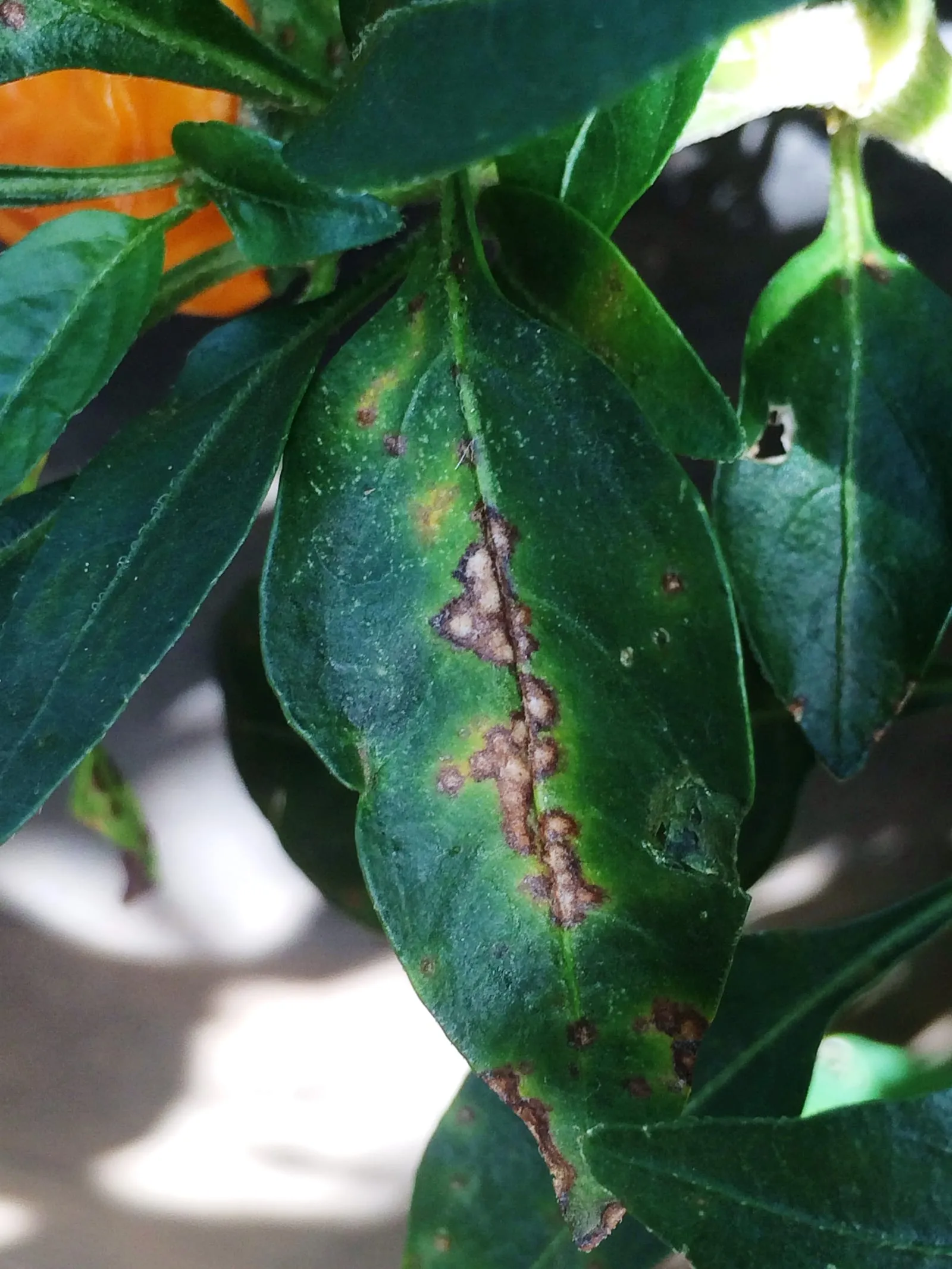
Xanthomonas euvesicatoria and X. perforans
Bacterial disease causing leaf spots and fruit blemishes on pepper and tomato. Severe in warm humid weather, transmitted via splashing water and seed.
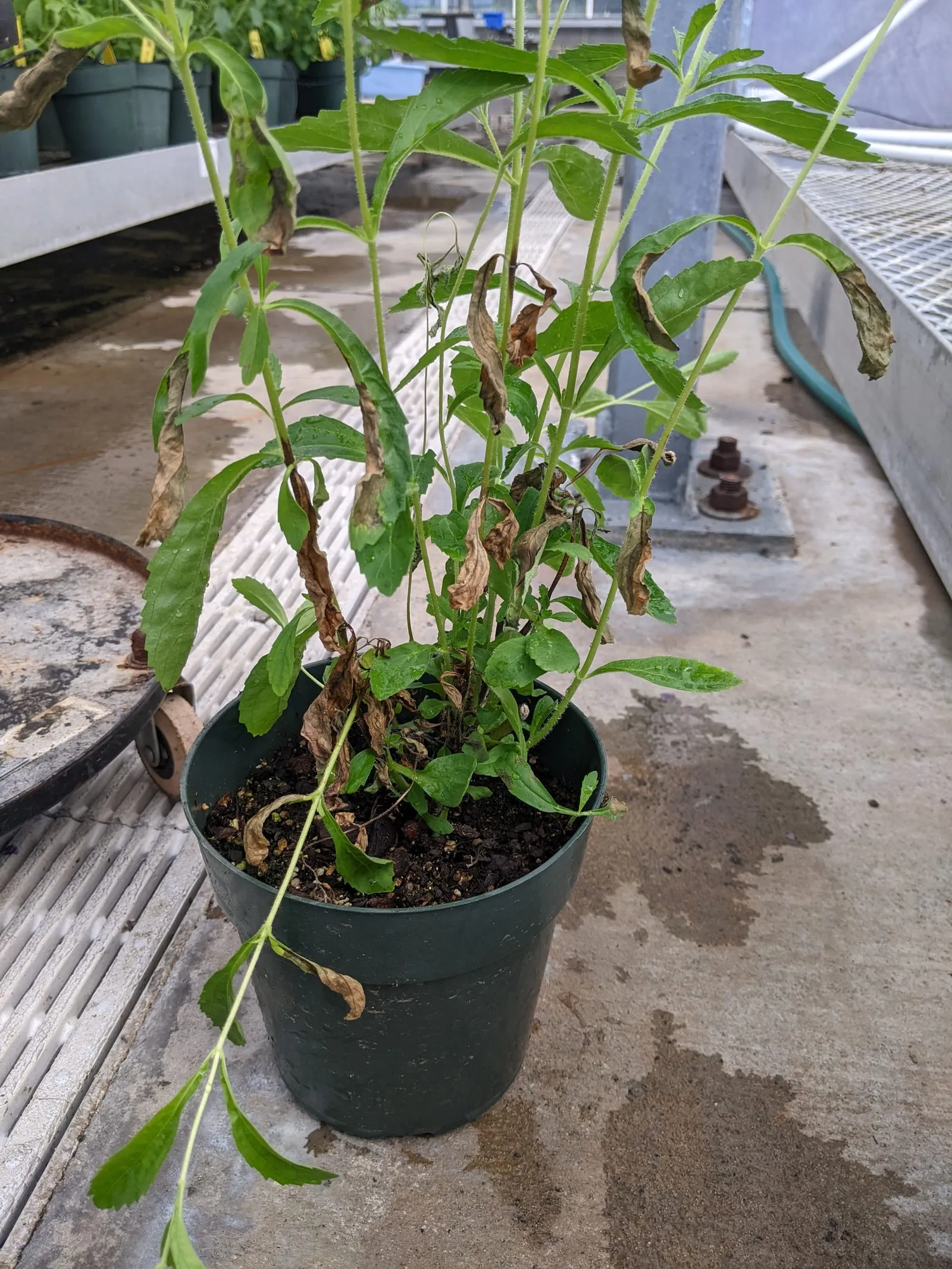
Tomato spotted wilt orthotospovirus (TSWV)
Virus vectored by thrips, particularly western flower thrips. Wide host range and growing global distribution. No cure once infected.
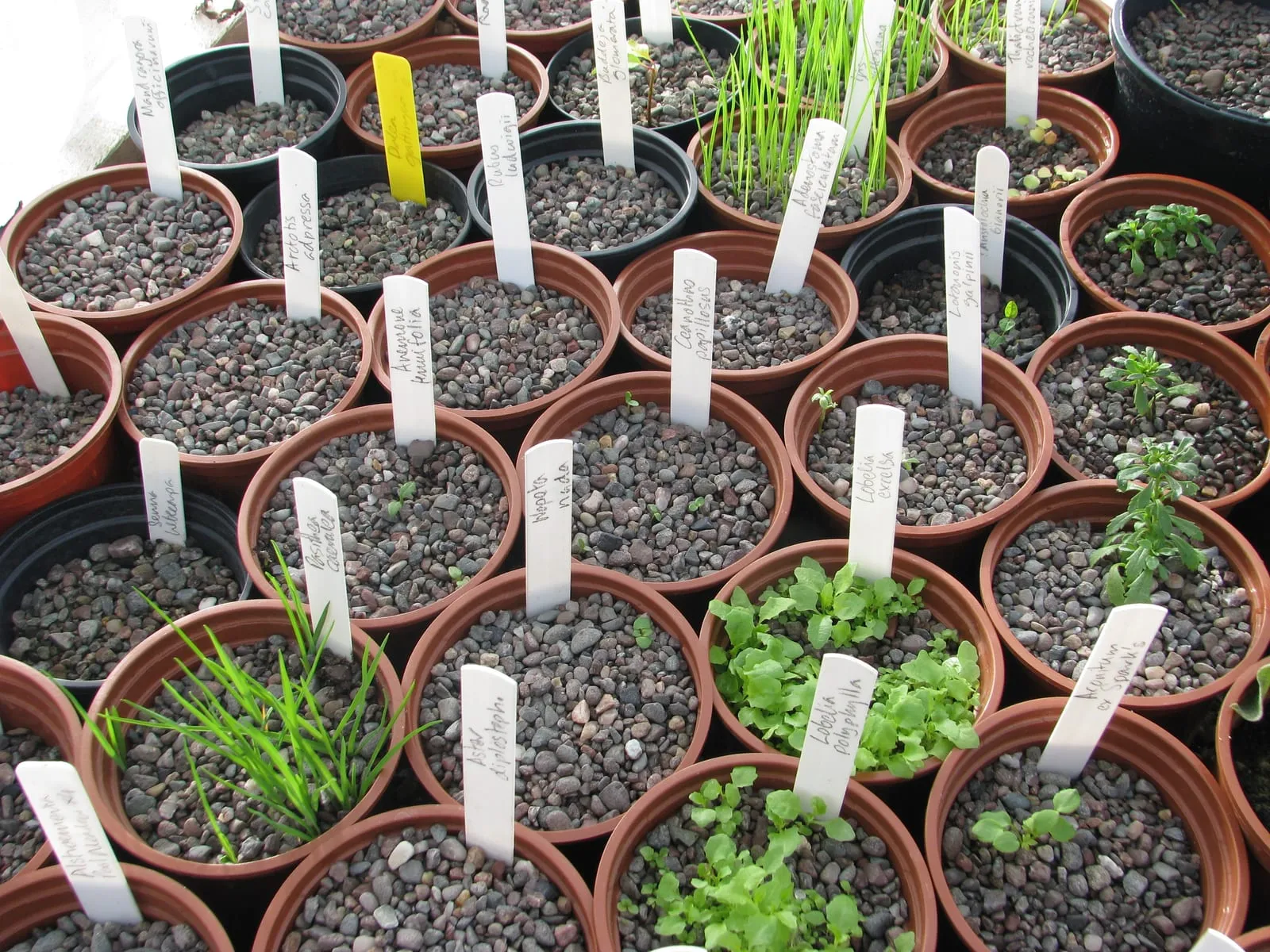
Pythium and Rhizoctonia species
Soil-borne complex of water molds and fungi that kill seedlings before or shortly after emergence. The single most common cause of seed-starting failures.
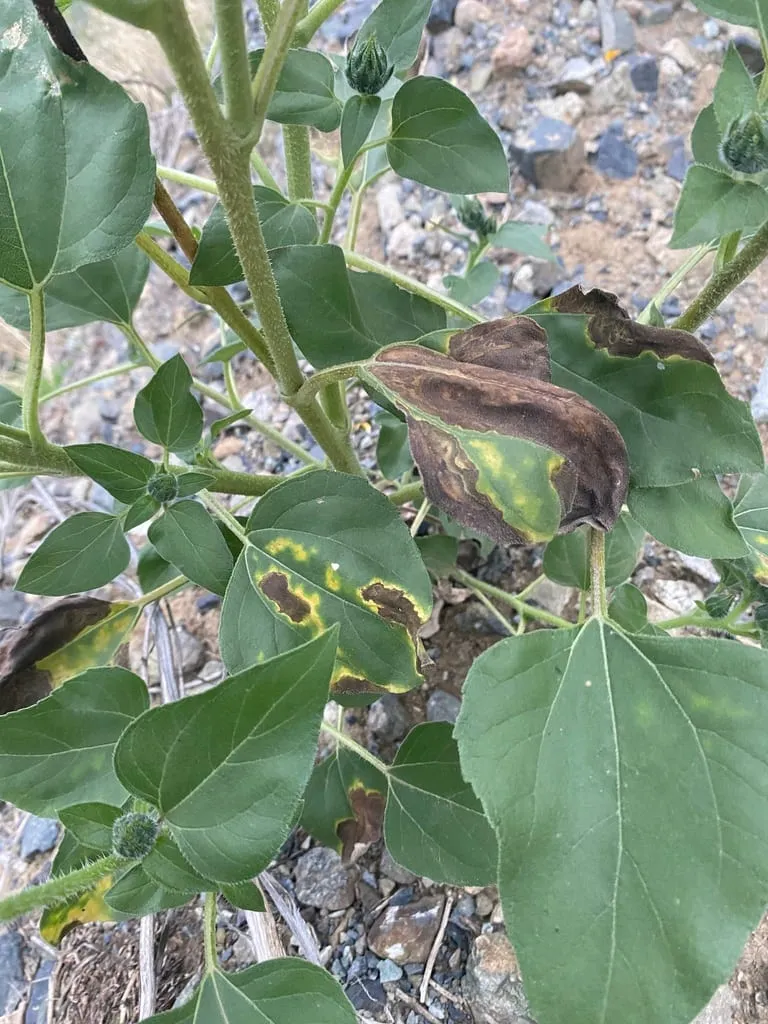
Verticillium dahliae
Soil-borne fungal disease similar to fusarium wilt but with broader host range and cooler temperature optimum. Persists in soil for 10+ years.
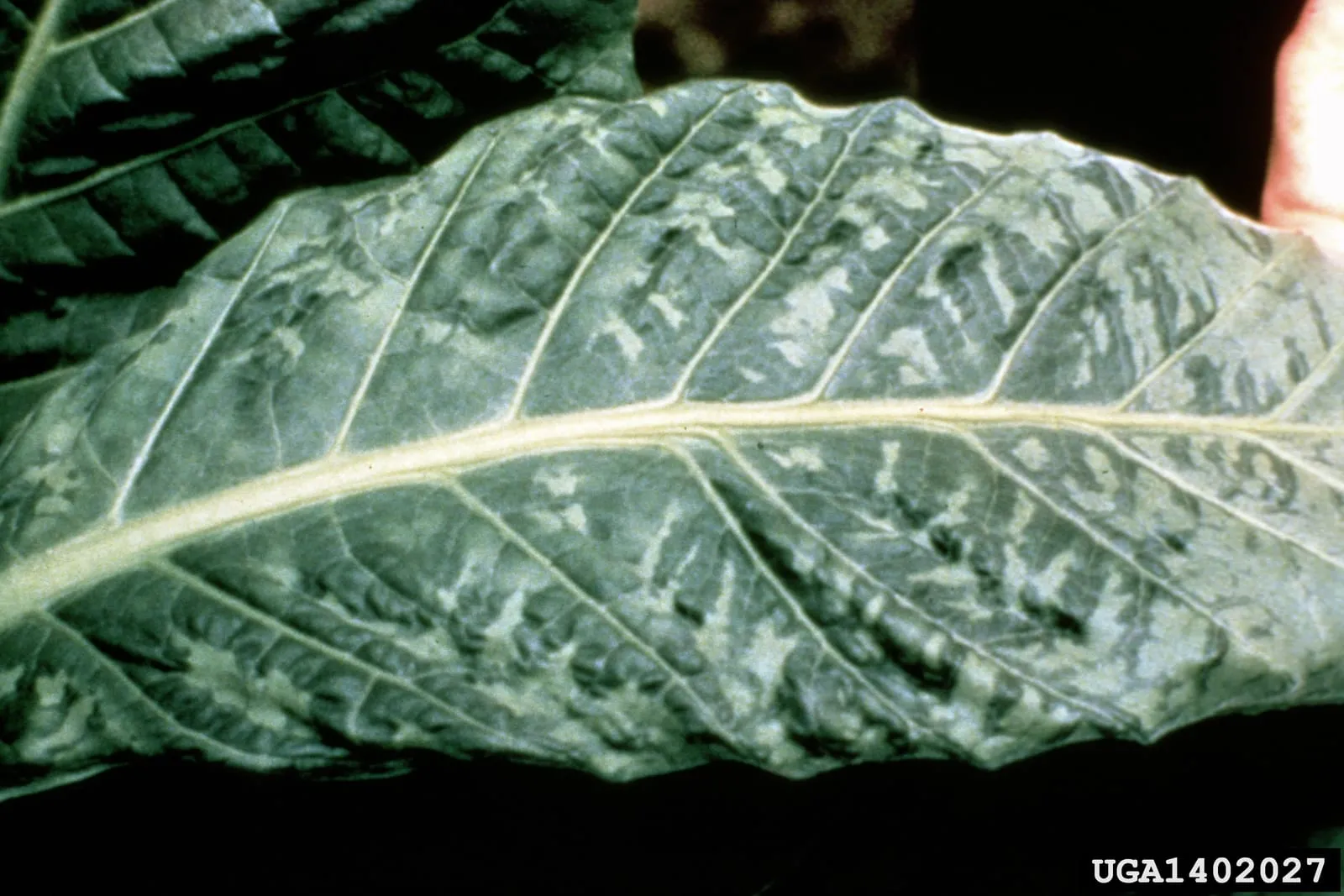
Cucumber mosaic virus, Tobacco mosaic virus, and others
Family of plant viruses producing mottled yellow-and-green leaf patterns. Vectored primarily by aphids; some are seed-transmitted or spread by handling tools and tobacco products.
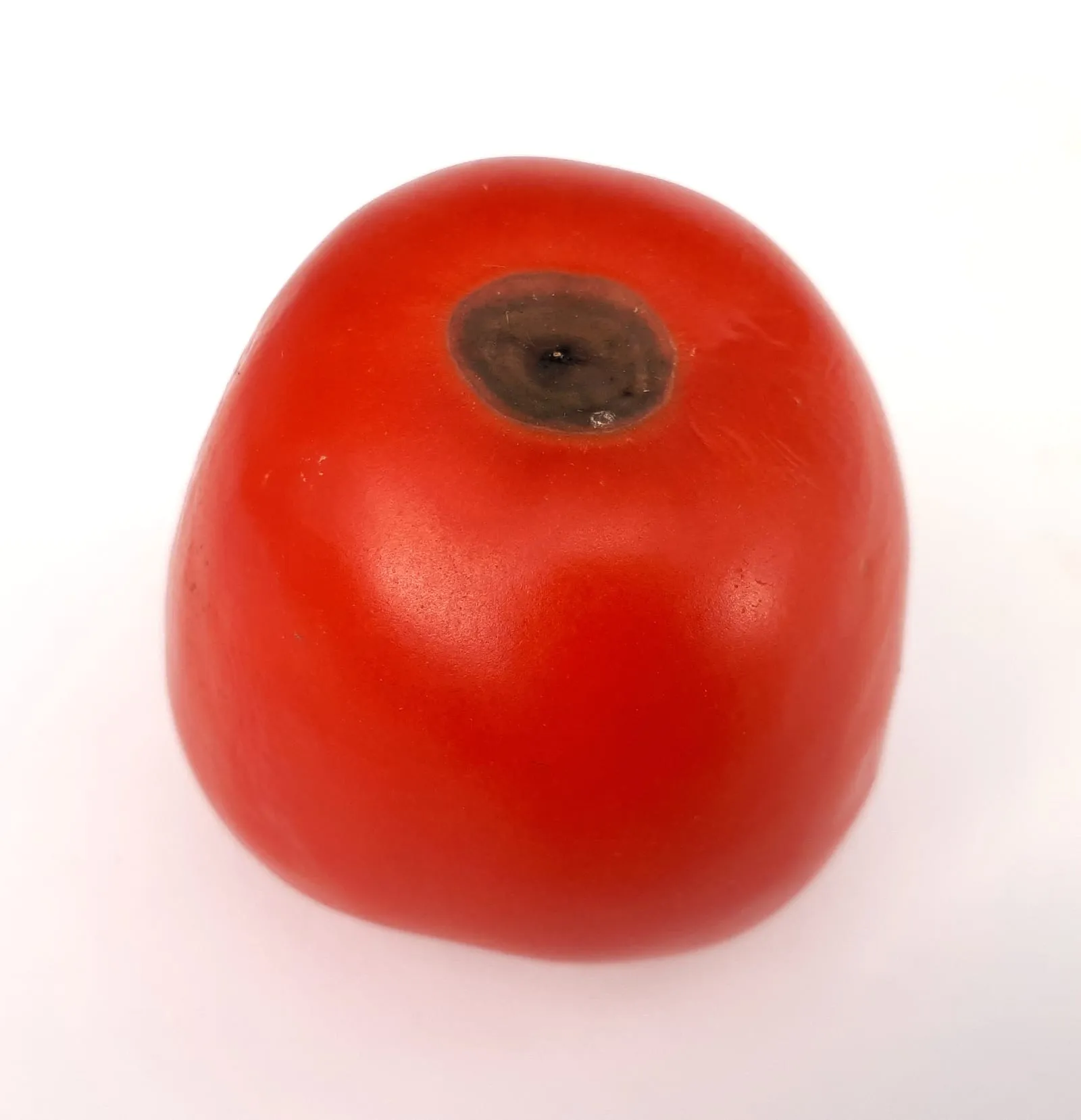
Calcium deficiency physiological disorder
Not a true disease but a calcium-uptake disorder caused by inconsistent soil moisture during fruit development. The dominant cause of damaged first-fruit on home tomato plantings.
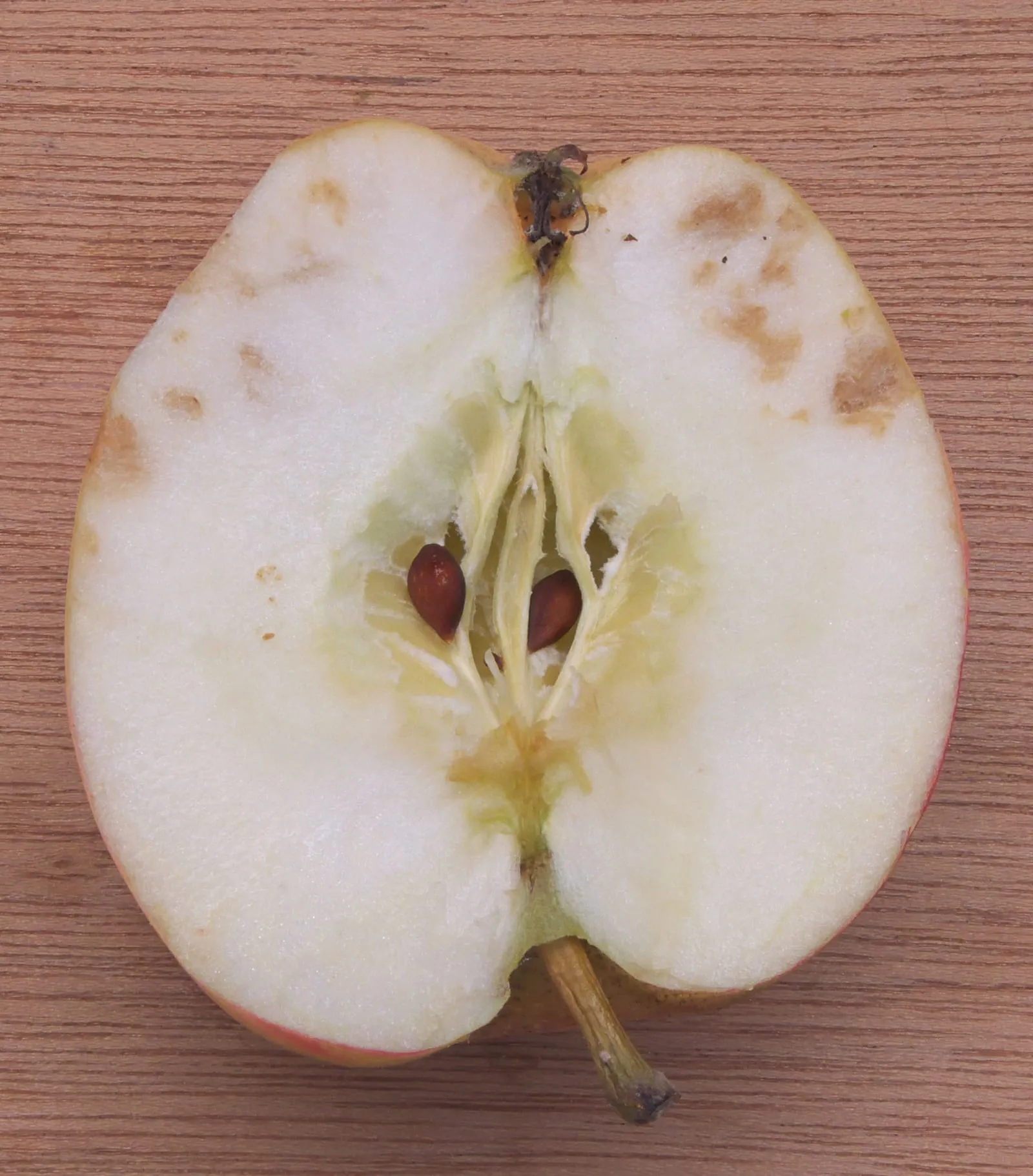
Physiological disorder
Damage from direct intense sun exposure on fruit or bark, particularly on plants suddenly exposed by pruning, defoliation, or hot weather. Distinct from sunburn (which is reversible).
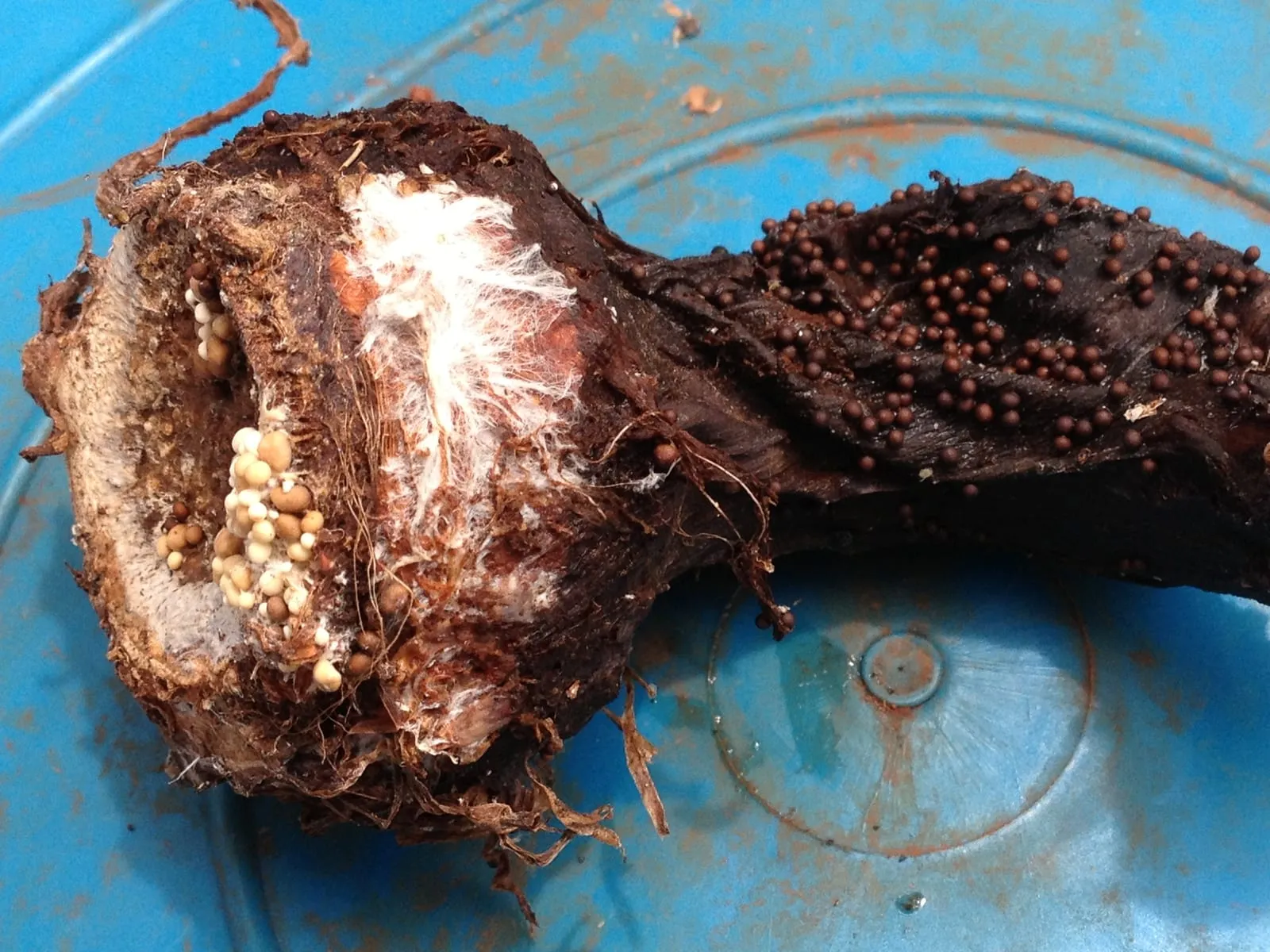
Sclerotium rolfsii
Soil-borne fungal disease most damaging in warm humid Southern conditions. White mycelial fans and small mustard-seed-sized sclerotia at the soil line are diagnostic.
Modified care for zone 10a
The primary care adjustment in zone 10a is shading during peak summer months. A 30 to 40 percent shade cloth deployed from June through August reduces canopy temperatures enough to sustain some fruit set when ambient highs are in the mid-90s. Remove it once temperatures moderate in September.
Disease pressure in zone 10a shifts toward bacterial spot and tomato spotted wilt virus, both of which thrive under warm, humid conditions. Bacterial spot spreads rapidly on wet foliage; overhead irrigation should be replaced with drip or ground-level watering, and copper-based sprays applied preventively during periods of rain. Tomato spotted wilt virus is vectored by thrips, so thrips management through reflective mulch and regular monitoring is more effective than any curative treatment. Verticillium wilt persists in warm soils; raised beds with fresh mix and crop rotation away from solanaceous crops for at least two seasons reduces inoculum load.
Frequently asked questions
- Can sweet peppers produce year-round in zone 10a?
Near year-round production is possible but impractical. Midsummer heat above 95°F causes blossom drop, interrupting fruit set from roughly June through August. Most growers in zone 10a plan for two productive windows: a fall-through-spring planting and a short early-spring run before summer heat arrives.
- Do sweet peppers need frost protection in zone 10a?
Rarely. Zone 10a minimum temperatures of 30 to 35°F mean frost events are infrequent and typically brief. When temperatures are forecast to dip below 32°F, lightweight row cover is sufficient protection. Cold is not the primary risk; heat and hurricane exposure matter more.
- How does thrips pressure relate to tomato spotted wilt virus in zone 10a?
Thrips are the sole vector of tomato spotted wilt virus, and warm zone 10a conditions allow thrips populations to build year-round. Reflective silver mulch suppresses thrips early in the season, and removing infected plants promptly reduces spread. There is no curative treatment once a plant is infected.
+−
+−
+−
Sweet Pepper in adjacent zones
Image: "Capsicum annuum", by Eric Hunt, via Wikimedia Commons, licensed under CC-BY Source.

Related