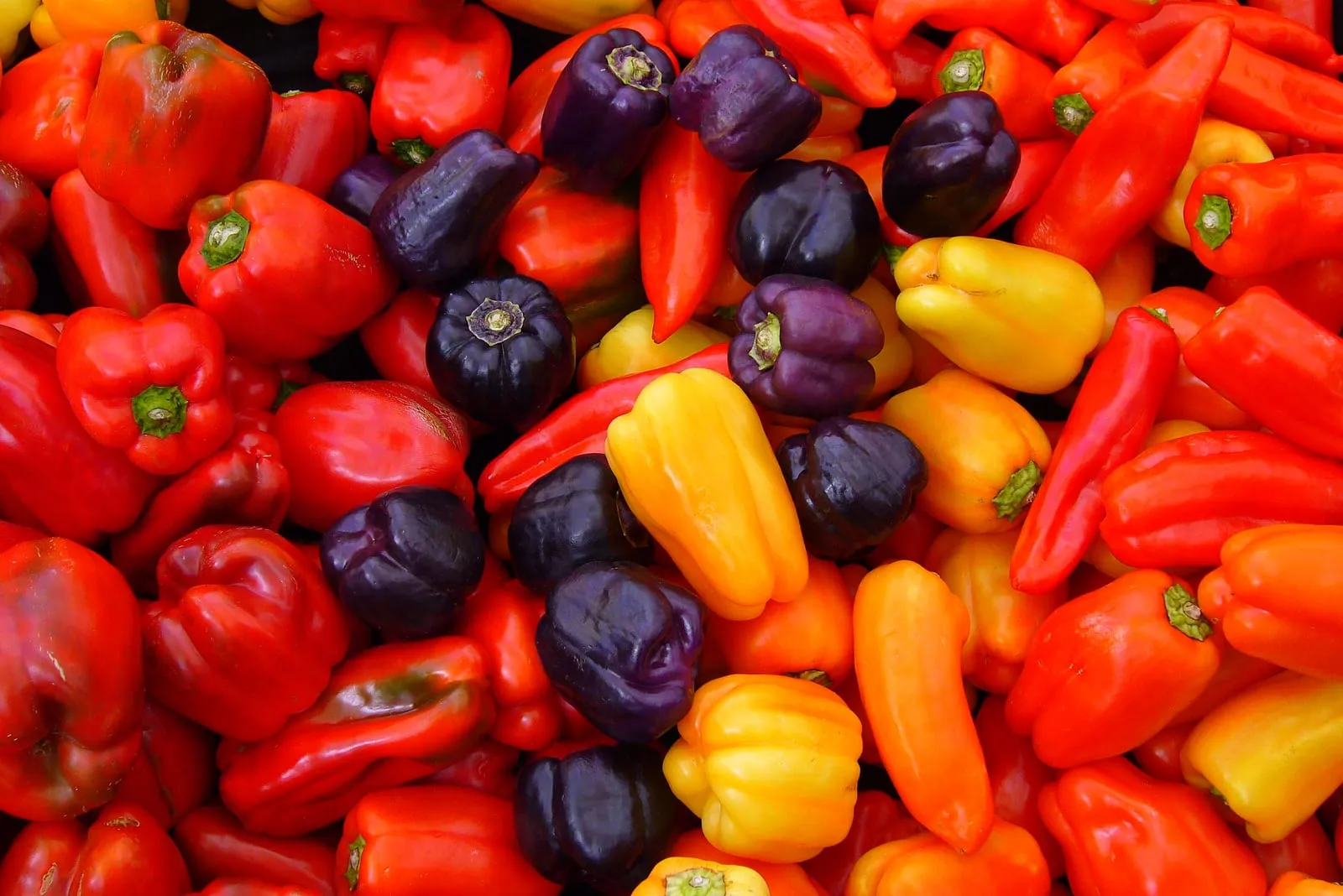
vegetable in zone 10b
Growing sweet pepper in zone 10b
Capsicum annuum
- Zone
- 10b 35°F to 40°F
- Growing season
- 365 days
- Suitable varieties
- 0
- Days to harvest
- 60 to 90
The verdict
Sweet peppers are warm-season crops with tropical origins, and zone 10b suits them well as a productive environment rather than a marginal one. No chill hours are required, so the absence of winter cold is not a limitation. The 365-day growing season means peppers can remain in production year-round with proper management, though yields peak during the cooler months of fall through spring when temperatures stay below the 95°F threshold that causes blossom drop.
The primary constraints in zone 10b are not temperature minimums but sustained summer heat and the disease and pest complex that accompanies a year-round tropical climate. Bacterial Spot of Pepper, Tomato Spotted Wilt Virus, and Verticillium Wilt are persistent concerns that require proactive management. In coastal areas, saltwater intrusion in sandy or low-lying soils adds salinity stress that mimics nutrient deficiency and reduces fruit set. Growers who manage these pressures consistently can expect good yields from fall through early summer.
Critical timing for zone 10b
With no frost dates to work around, zone 10b growers have scheduling flexibility that temperate-zone gardeners do not. The most productive planting windows are late summer through early fall (August through October), allowing transplants to establish before the cooler, drier months that run roughly November through April. Blooming typically begins 60 to 90 days after transplanting, with harvest following at 70 to 110 days depending on variety and conditions.
Summer planting is possible but less productive. Sustained temperatures above 90°F reduce pollen viability and cause blossom drop, compressing the fruit-set window. With afternoon shade cloth (30% shade), the productive bloom period can extend into warmer months. The year-round warmth also means sweet peppers can be managed as short-lived perennials, often re-flushing with new growth and fruit after a light cutback between peak seasons.
Common challenges in zone 10b
- ▸ No winter chill
- ▸ Tropical pest and disease pressure
- ▸ Saltwater intrusion in coastal soils
Disease pressure to watch for
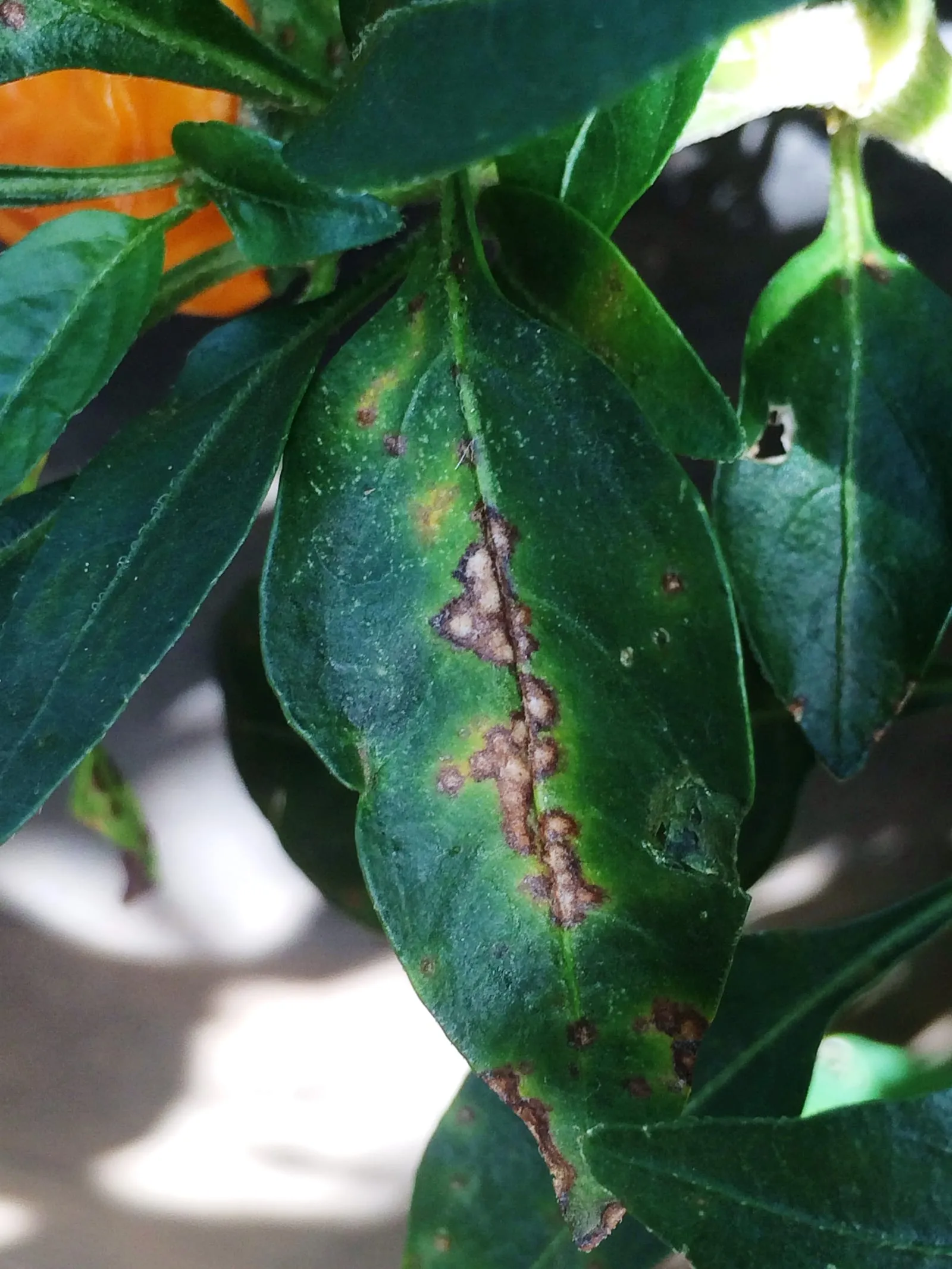
Xanthomonas euvesicatoria and X. perforans
Bacterial disease causing leaf spots and fruit blemishes on pepper and tomato. Severe in warm humid weather, transmitted via splashing water and seed.
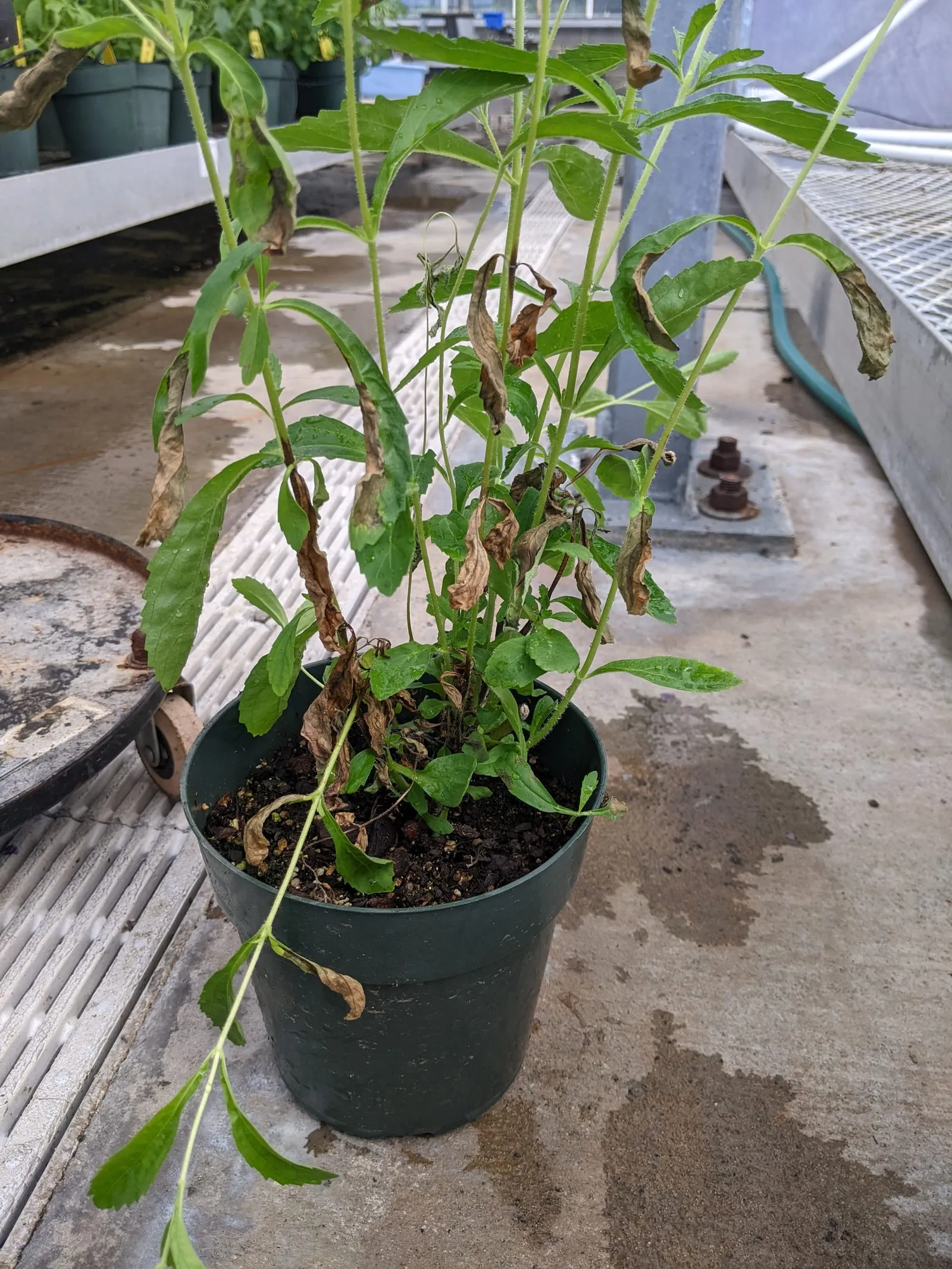
Tomato spotted wilt orthotospovirus (TSWV)
Virus vectored by thrips, particularly western flower thrips. Wide host range and growing global distribution. No cure once infected.
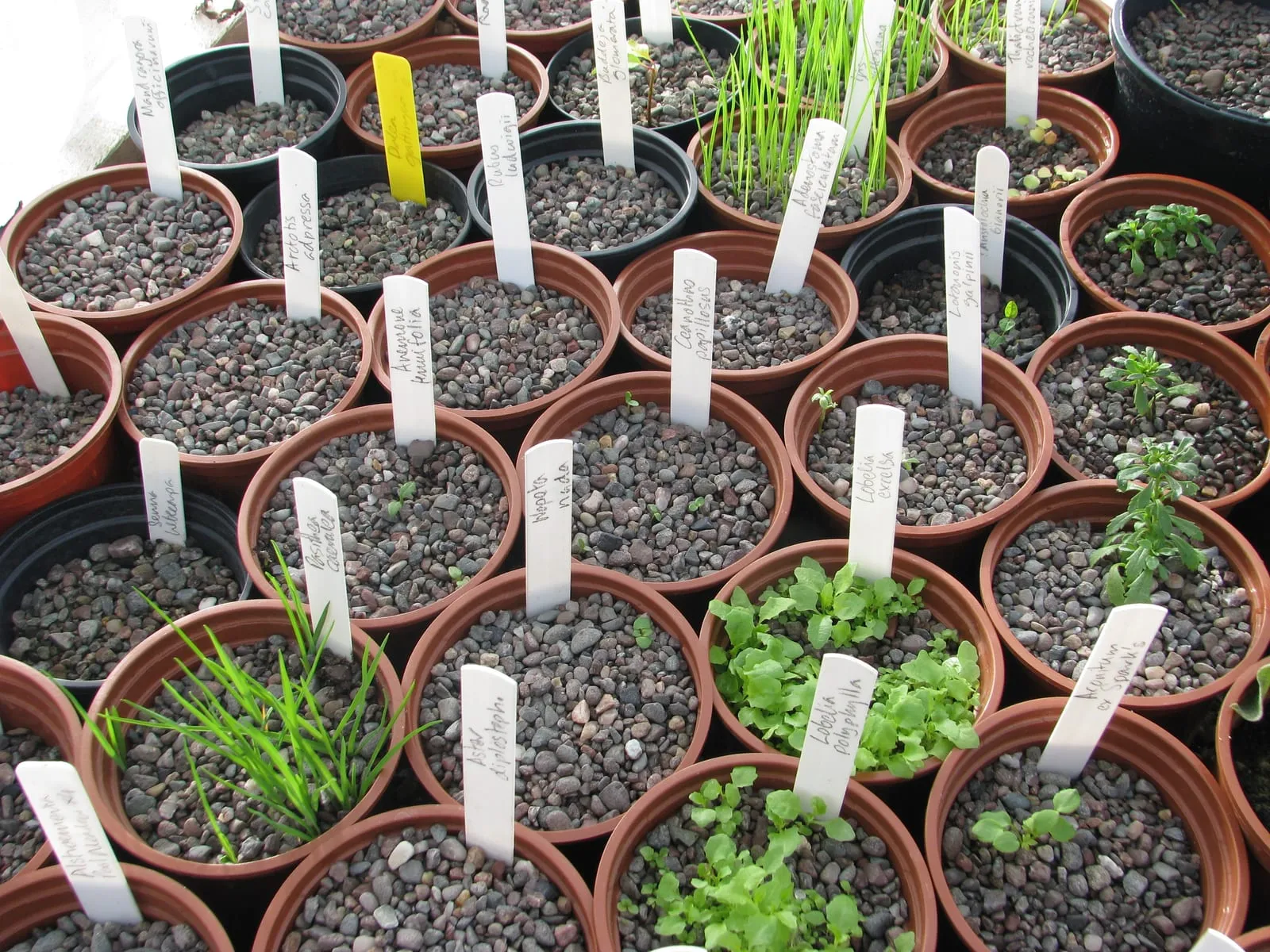
Pythium and Rhizoctonia species
Soil-borne complex of water molds and fungi that kill seedlings before or shortly after emergence. The single most common cause of seed-starting failures.
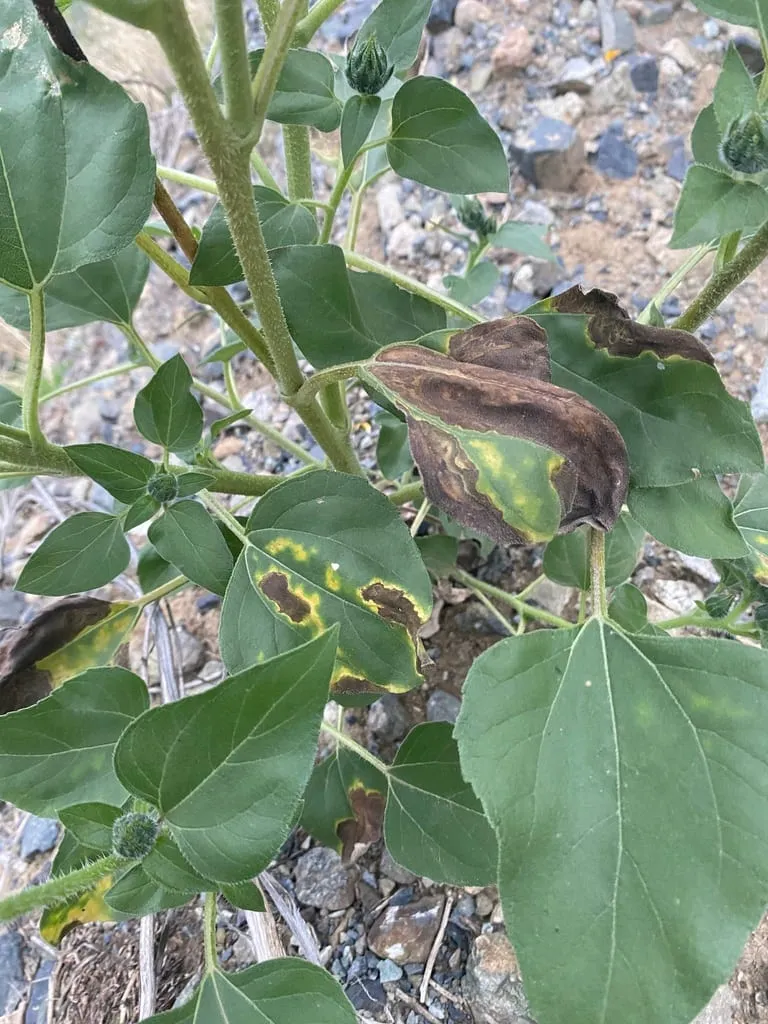
Verticillium dahliae
Soil-borne fungal disease similar to fusarium wilt but with broader host range and cooler temperature optimum. Persists in soil for 10+ years.
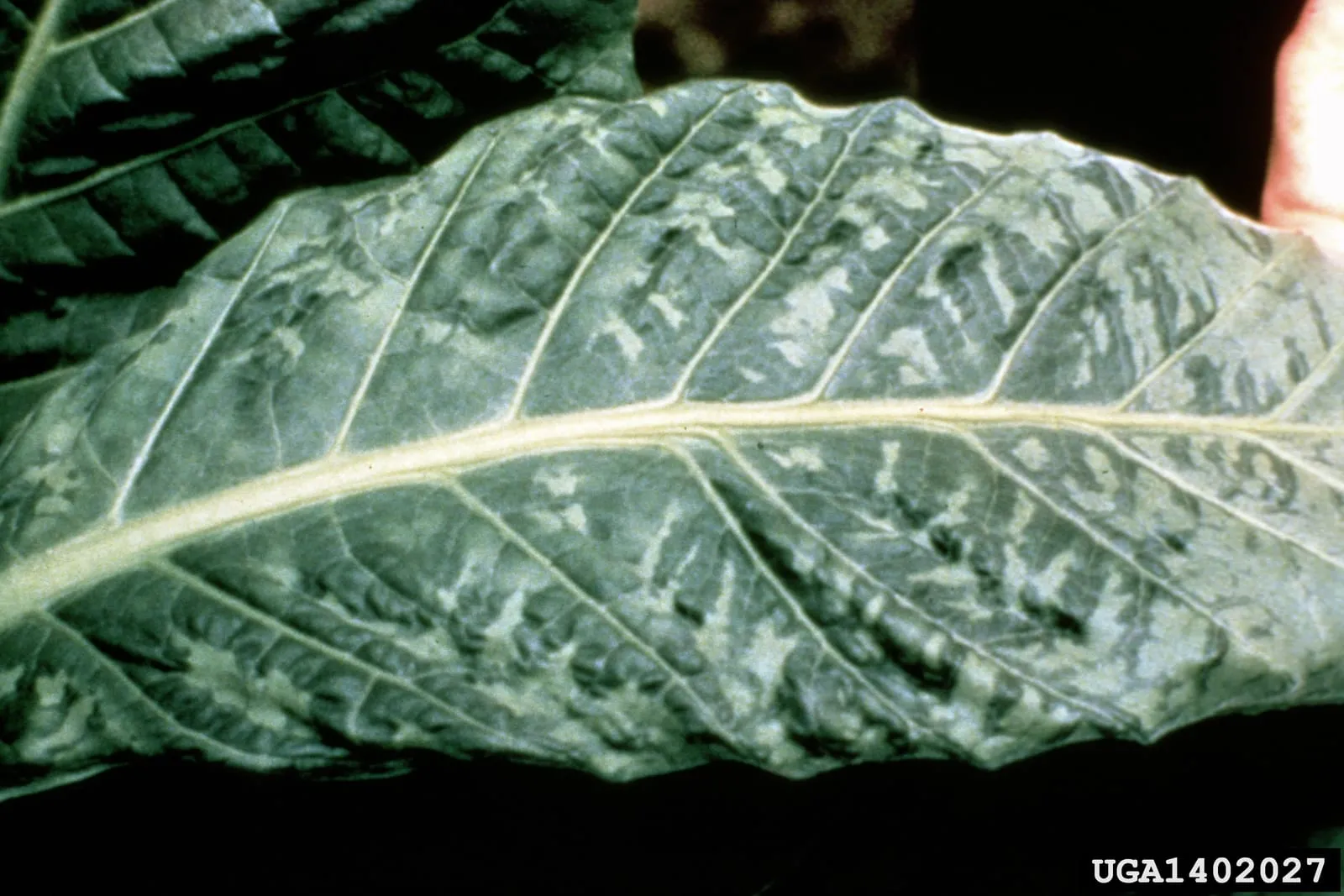
Cucumber mosaic virus, Tobacco mosaic virus, and others
Family of plant viruses producing mottled yellow-and-green leaf patterns. Vectored primarily by aphids; some are seed-transmitted or spread by handling tools and tobacco products.
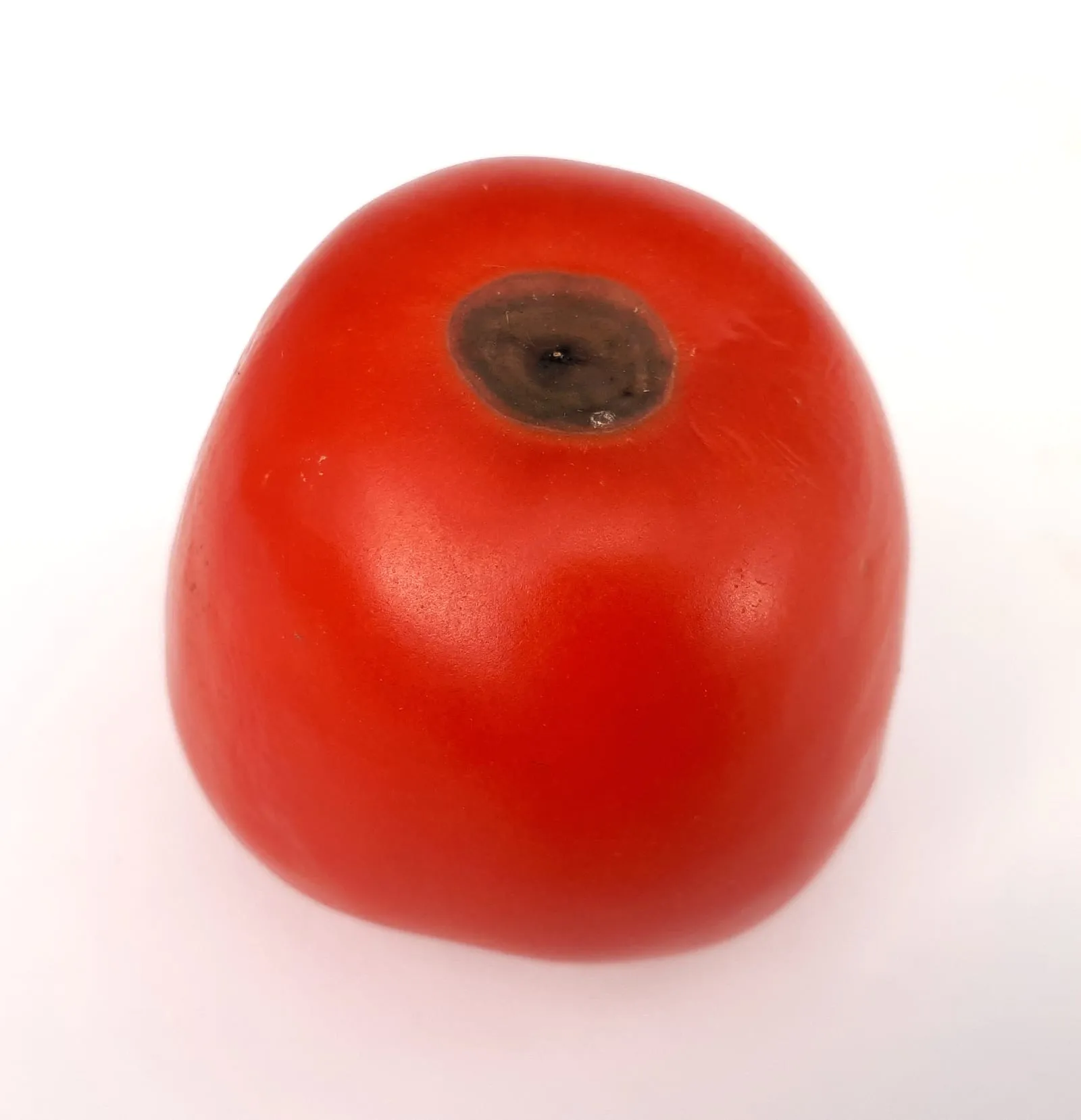
Calcium deficiency physiological disorder
Not a true disease but a calcium-uptake disorder caused by inconsistent soil moisture during fruit development. The dominant cause of damaged first-fruit on home tomato plantings.
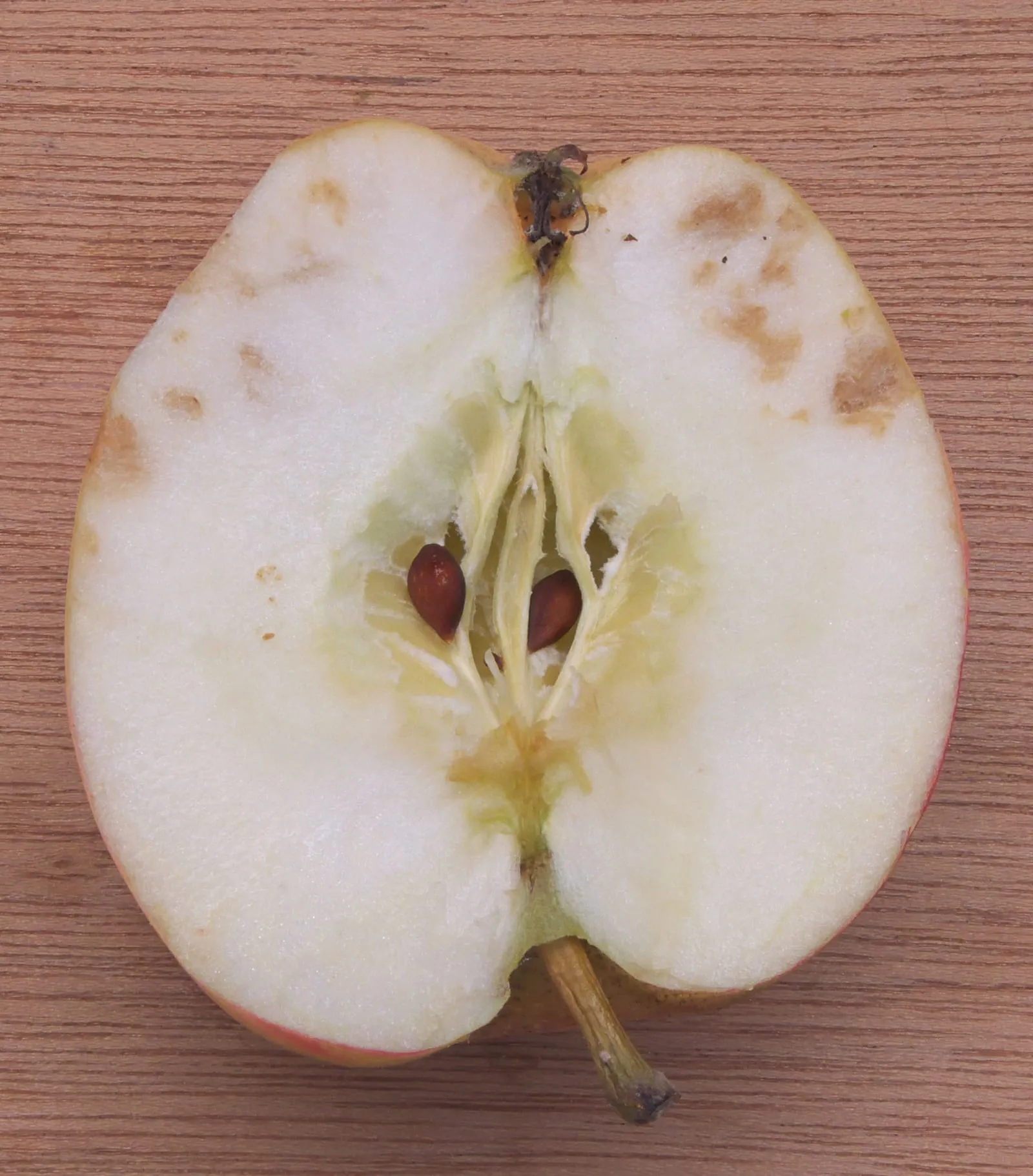
Physiological disorder
Damage from direct intense sun exposure on fruit or bark, particularly on plants suddenly exposed by pruning, defoliation, or hot weather. Distinct from sunburn (which is reversible).
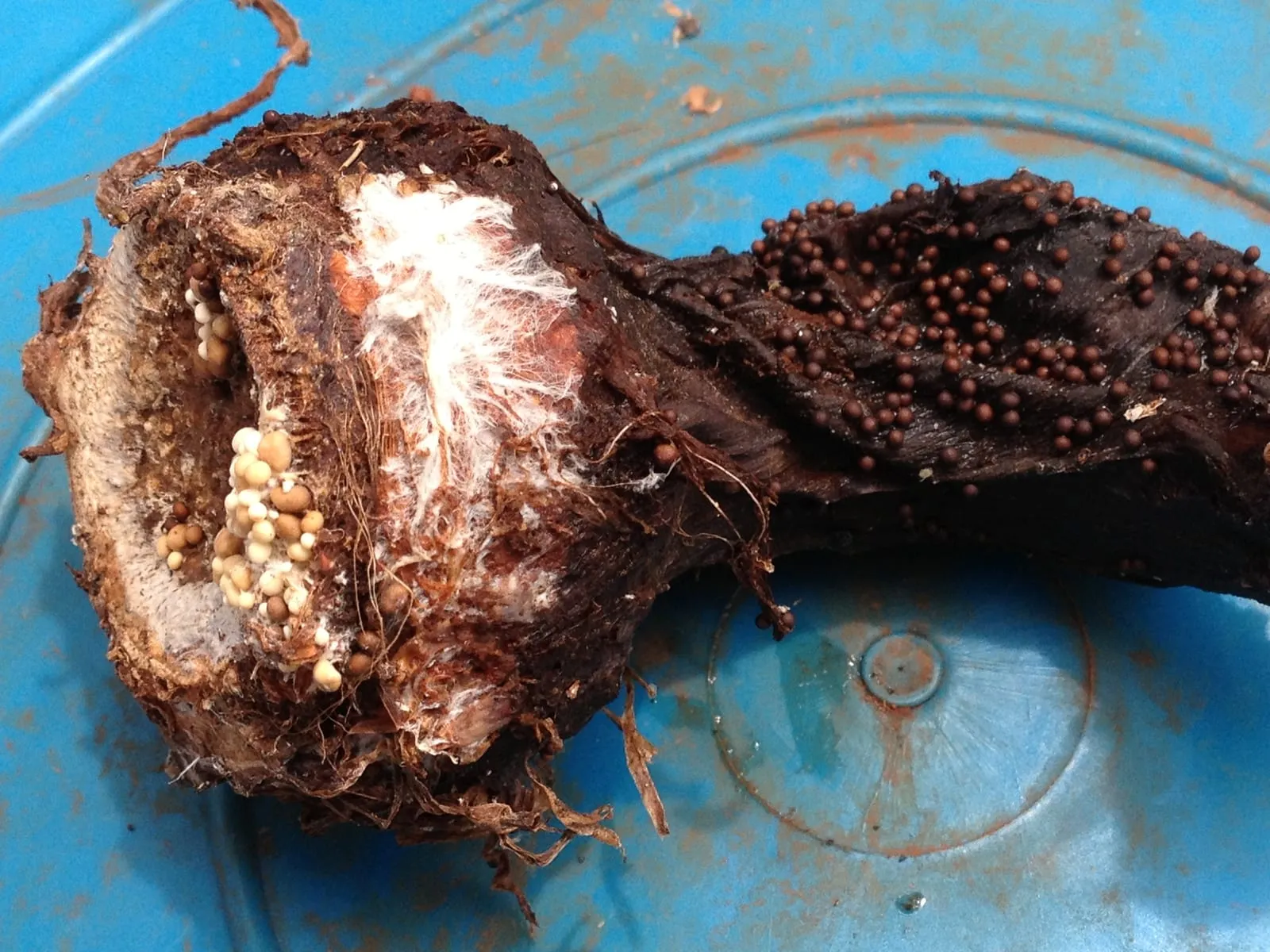
Sclerotium rolfsii
Soil-borne fungal disease most damaging in warm humid Southern conditions. White mycelial fans and small mustard-seed-sized sclerotia at the soil line are diagnostic.
Modified care for zone 10b
The standard advice for sweet peppers assumes a season that ends with frost. In zone 10b, management shifts toward heat, humidity, and disease pressure rather than cold protection.
Bacterial Spot of Pepper spreads rapidly in warm, wet conditions. Copper-based sprays applied on a 7 to 10 day schedule during rainy periods reduce incidence, but selecting resistant varieties is the more durable strategy. Tomato Spotted Wilt Virus is vectored by thrips; reflective mulch and early-season thrips control lower transmission risk significantly. Verticillium Wilt persists in soil; rotating away from solanaceous crops for at least two seasons is the standard recommendation.
In coastal locations with documented saltwater intrusion, raised beds with amended soil and consistent irrigation help dilute salinity. Heavy mulching reduces soil moisture fluctuation, which tends to amplify salt stress during dry periods between rain events.
Frequently asked questions
- Can sweet peppers grow year-round in zone 10b?
Yes, with management. Fall through spring is the most productive period, as sustained summer heat above 90°F causes blossom drop and reduces fruit set. Many growers cut plants back after the spring harvest and let them re-flush rather than replanting from seed each cycle.
- What diseases are most common for sweet peppers in zone 10b?
Bacterial Spot of Pepper, Tomato Spotted Wilt Virus, and Verticillium Wilt are the primary concerns. The warm, humid climate in zone 10b creates favorable conditions for all three. Copper sprays, thrips control, and crop rotation each address a different pathway.
- Does saltwater intrusion affect sweet pepper production in coastal zone 10b?
It can. Salinity stress in coastal soils reduces nutrient uptake and fruit set, and the symptoms can resemble magnesium or calcium deficiency. Raised beds with well-amended growing media and consistent irrigation to leach salts between rain events are the practical mitigation.
+−
+−
+−
Sweet Pepper in adjacent zones
Image: "Capsicum annuum", by Eric Hunt, via Wikimedia Commons, licensed under CC-BY Source.

Related