vegetable in zone 9a
Growing sweet pepper in zone 9a
Capsicum annuum
- Zone
- 9a 20°F to 25°F
- Growing season
- 290 days
- Suitable varieties
- 1
- Days to harvest
- 60 to 90
The verdict
Sweet peppers carry no chill-hour requirement, so zone 9a's winter minimum range of 20 to 25°F poses no obstacle to the crop. The challenge runs the other direction: daytime temperatures above roughly 90°F trigger blossom drop, and zone 9a summers regularly push past that threshold. Even so, with 290 frost-free days available, there is ample time to capture a productive spring run before peak heat arrives and a second productive window in late summer and fall once temperatures ease.
Zone 9a is not marginal for sweet pepper. It is among the more productive zones for the crop, provided growers time plantings to steer the critical bloom period away from the hottest weeks. California Wonder, the variety documented for this zone, is a dependable open-pollinated bell type suited to warm conditions. Fall crops started in late July frequently outperform spring plantings in the hottest parts of zone 9a, setting more fruit during the moderate September and October window.
Recommended varieties for zone 9a
1 cultivar suited to this zone, with disease-resistance and zone-fit annotations.
| Variety | Notes | Zone fit | Disease resistance |
|---|---|---|---|
| California Wonder fits zone 9a | Mild, sweet, classic green-then-red bell pepper; thick crisp walls. Fresh slicing, stuffing, roasting. Open-pollinated heritage standard, reliable in most home gardens. | | none noted |
Critical timing for zone 9a
Zone 9a typically records its last frost between late January and mid-February. Sweet pepper transplants go into the ground once soil temperatures reach 65°F, generally February through March in most zone 9a locations. Bloom follows 6 to 8 weeks after transplanting, placing the peak spring production window from May into early July.
As midsummer heat intensifies, blossom drop commonly interrupts fruit set. A pause in production during July and August is normal and not a sign of crop failure. A reliable second flush typically follows in late August through October as temperatures moderate. With 290 frost-free days, a second crop started from transplants in late July reaches harvest before the first fall frost with time to spare, and fall-season fruit often achieves better color and wall thickness than spring harvests.
Common challenges in zone 9a
- ▸ Limited stone fruit options due to insufficient chill
- ▸ Hurricane and tropical storm exposure
- ▸ Citrus disease pressure
Disease pressure to watch for
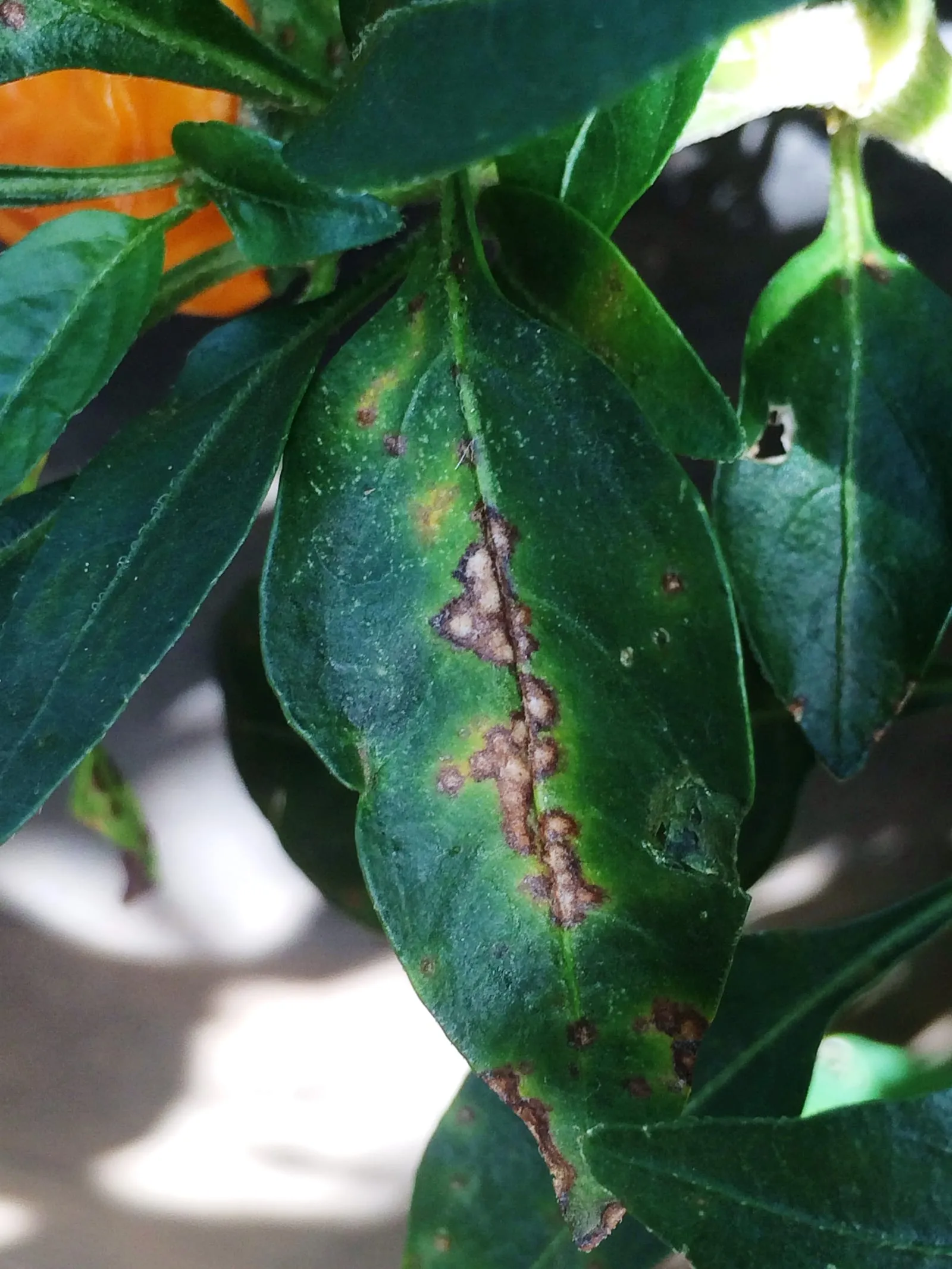
Xanthomonas euvesicatoria and X. perforans
Bacterial disease causing leaf spots and fruit blemishes on pepper and tomato. Severe in warm humid weather, transmitted via splashing water and seed.
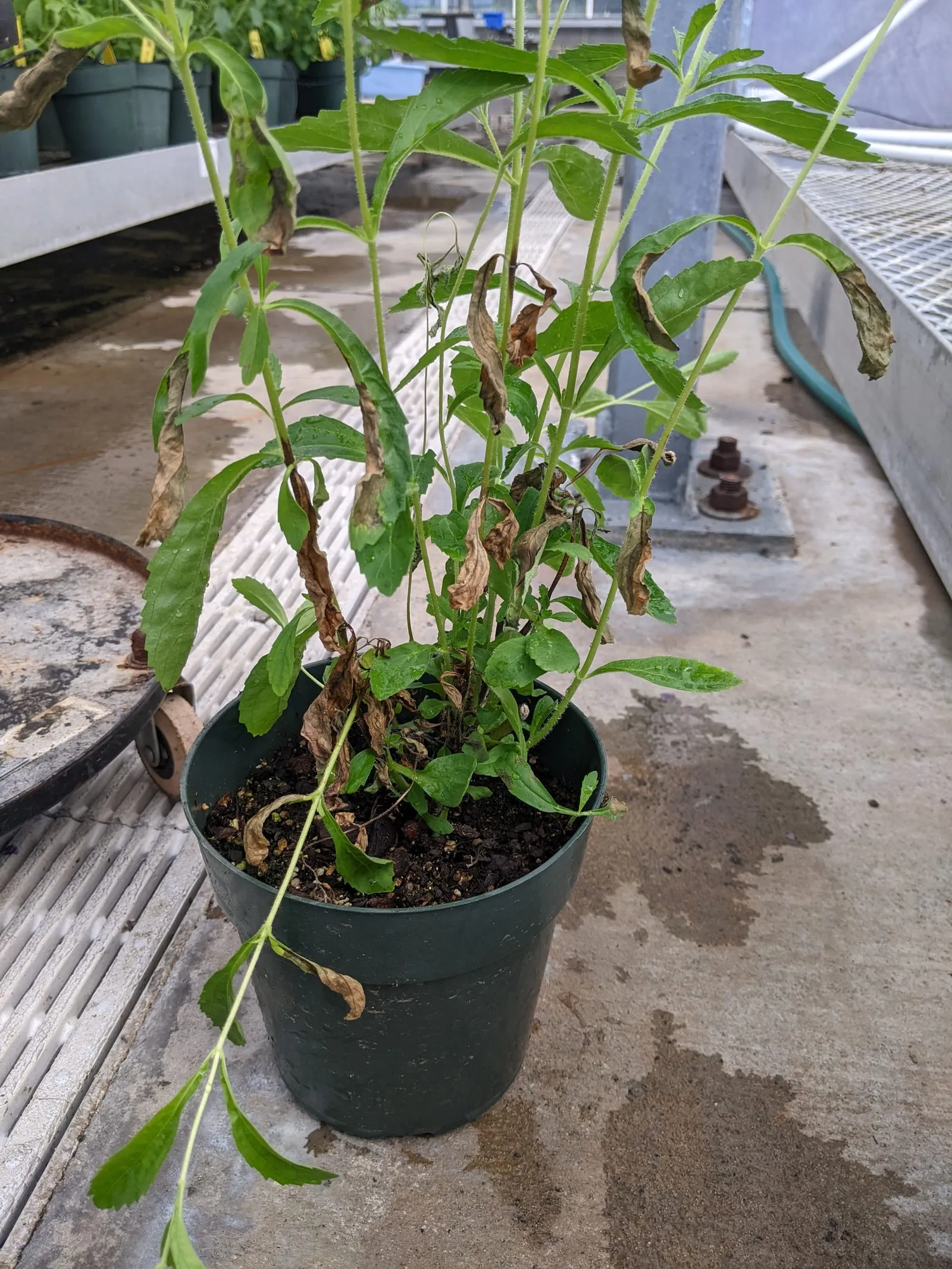
Tomato spotted wilt orthotospovirus (TSWV)
Virus vectored by thrips, particularly western flower thrips. Wide host range and growing global distribution. No cure once infected.
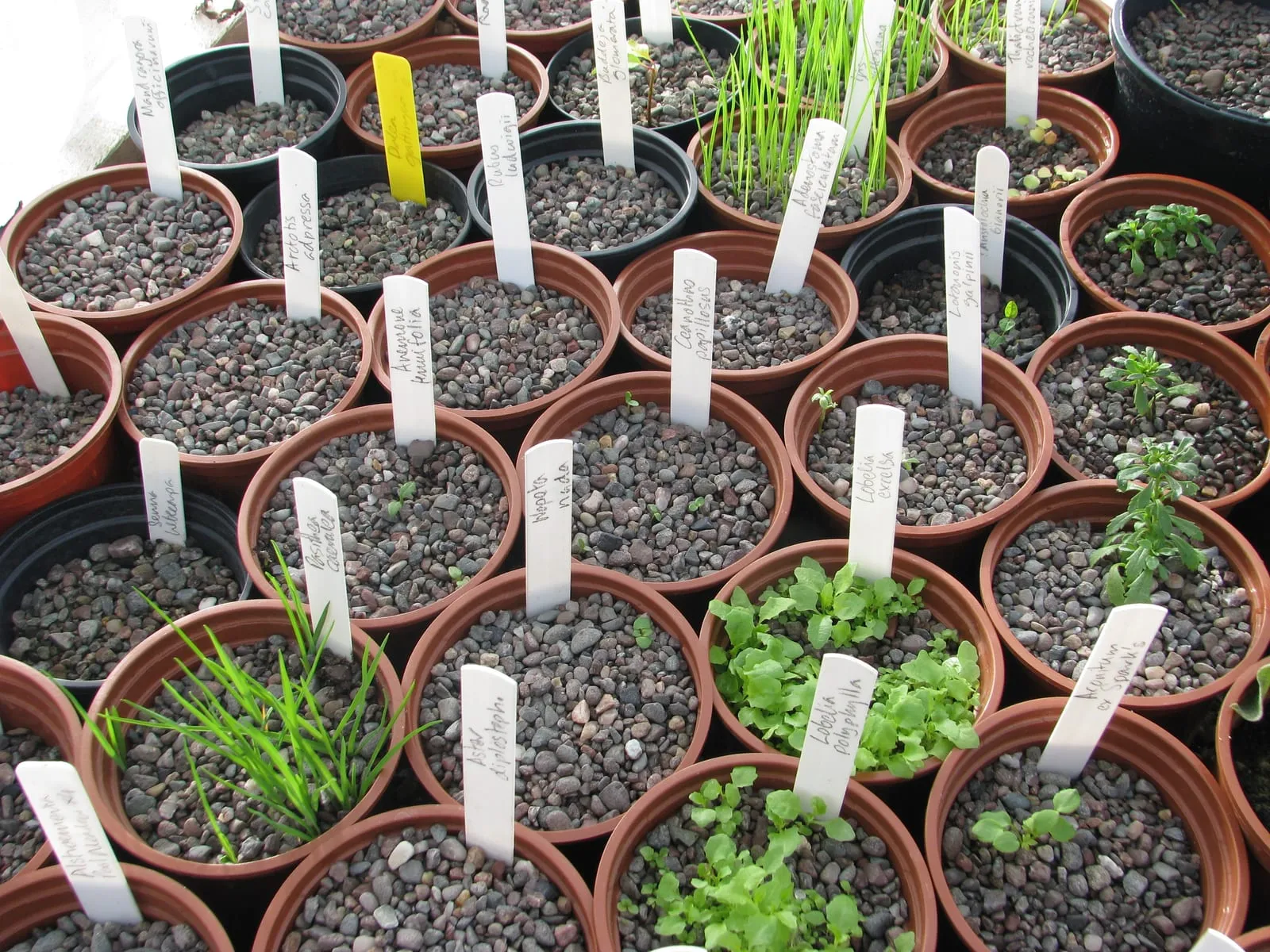
Pythium and Rhizoctonia species
Soil-borne complex of water molds and fungi that kill seedlings before or shortly after emergence. The single most common cause of seed-starting failures.
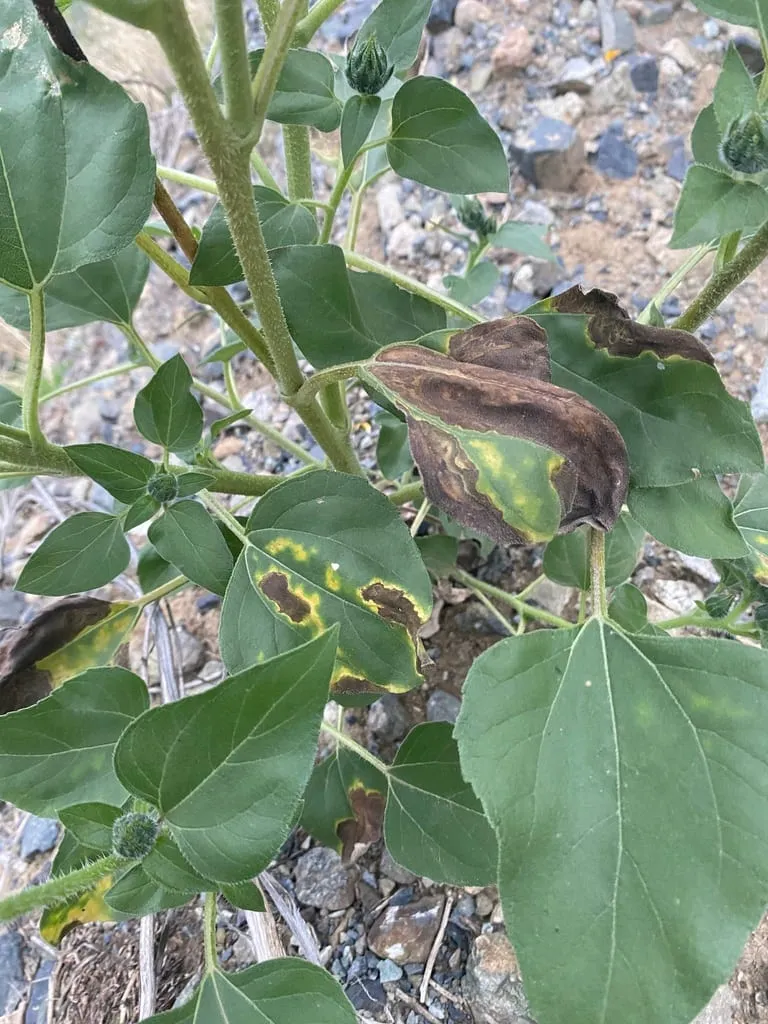
Verticillium dahliae
Soil-borne fungal disease similar to fusarium wilt but with broader host range and cooler temperature optimum. Persists in soil for 10+ years.
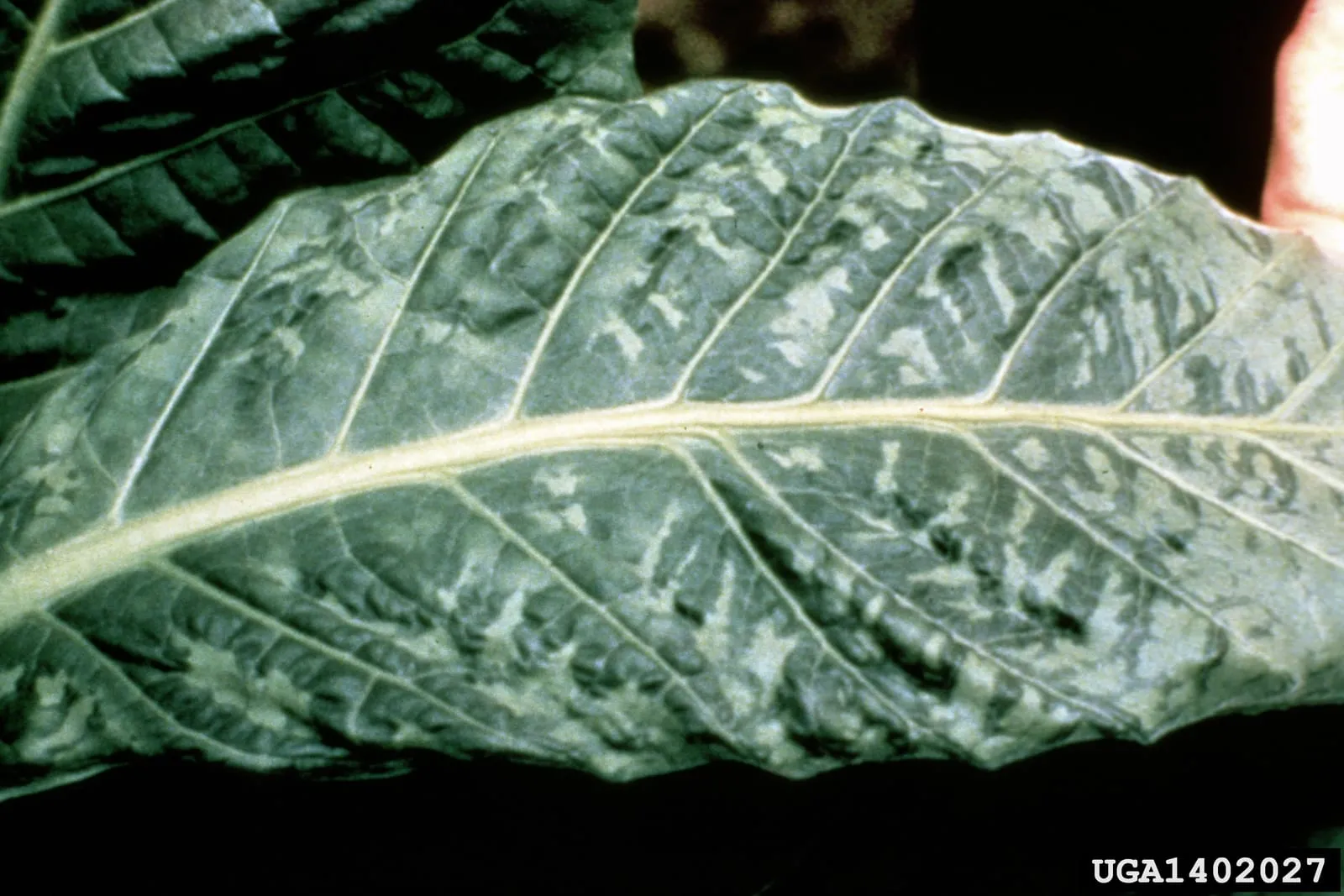
Cucumber mosaic virus, Tobacco mosaic virus, and others
Family of plant viruses producing mottled yellow-and-green leaf patterns. Vectored primarily by aphids; some are seed-transmitted or spread by handling tools and tobacco products.
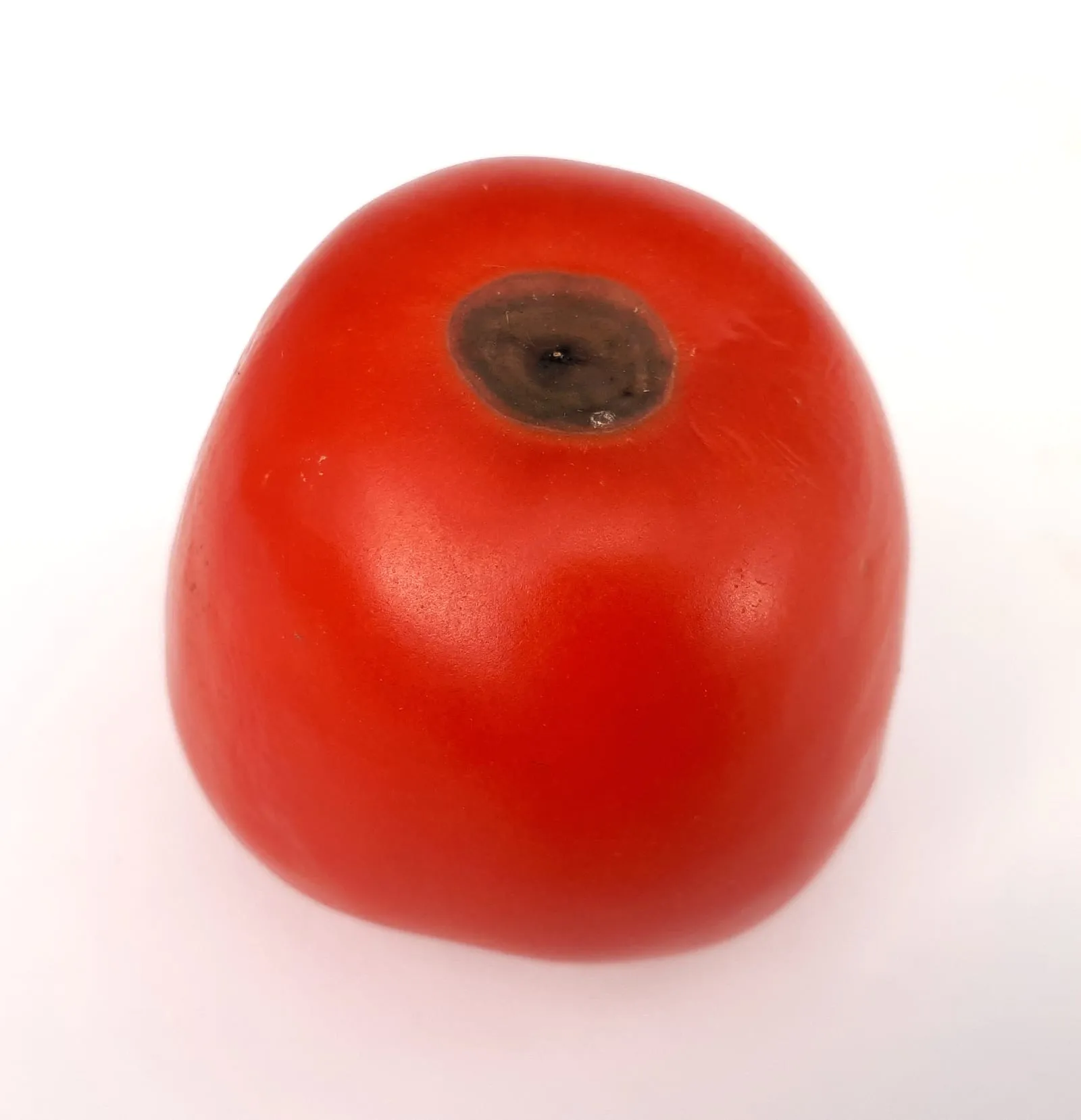
Calcium deficiency physiological disorder
Not a true disease but a calcium-uptake disorder caused by inconsistent soil moisture during fruit development. The dominant cause of damaged first-fruit on home tomato plantings.
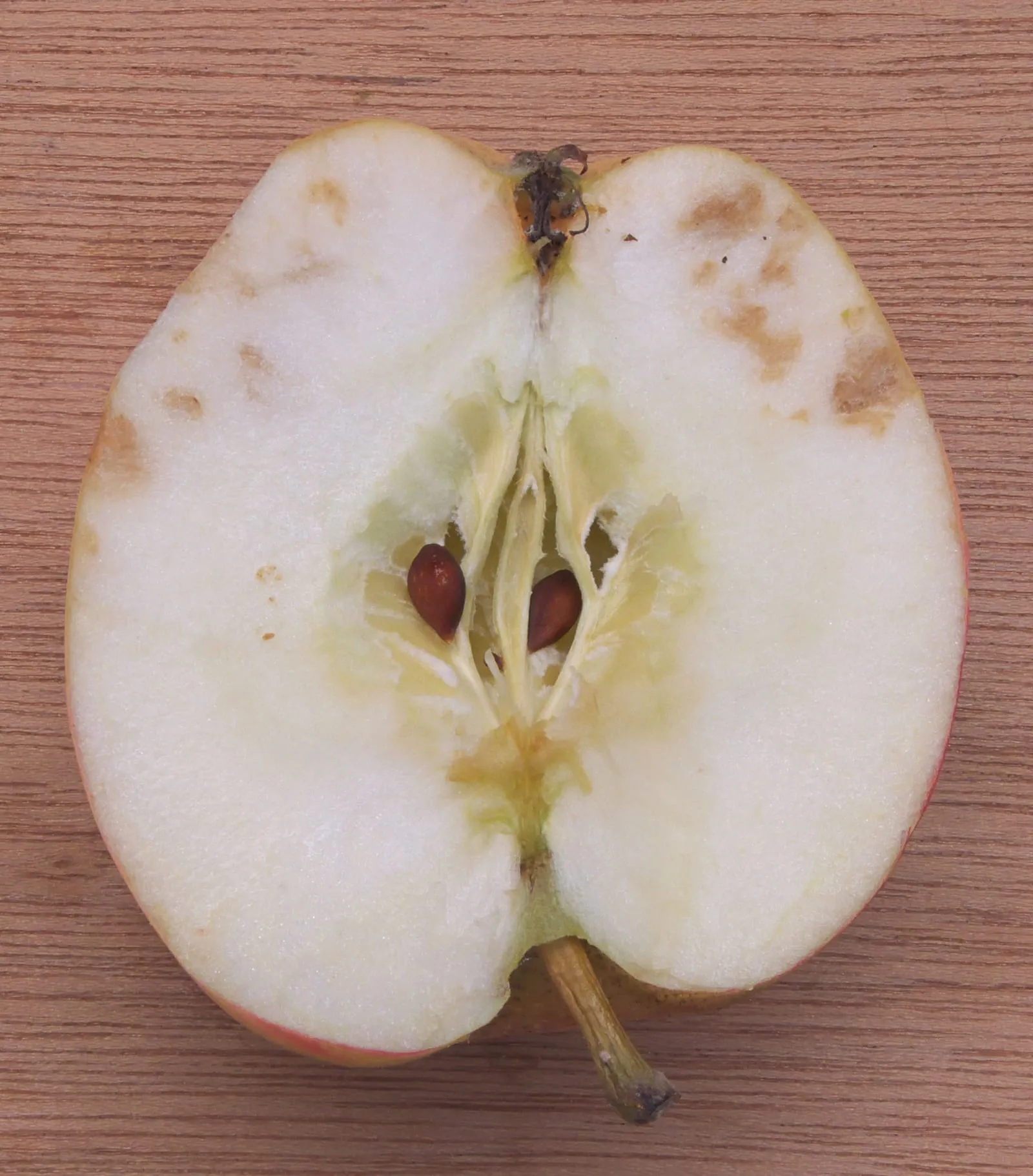
Physiological disorder
Damage from direct intense sun exposure on fruit or bark, particularly on plants suddenly exposed by pruning, defoliation, or hot weather. Distinct from sunburn (which is reversible).
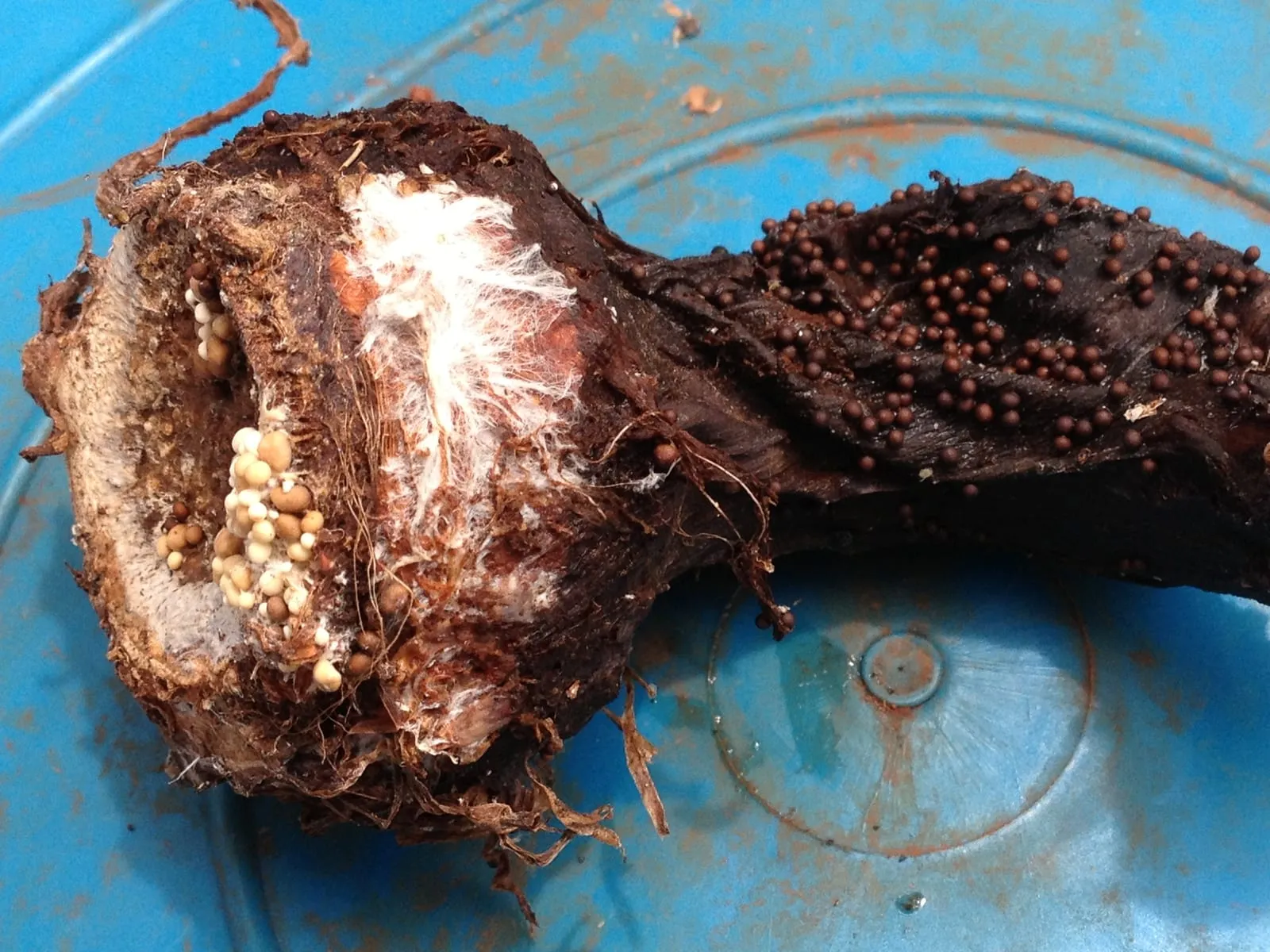
Sclerotium rolfsii
Soil-borne fungal disease most damaging in warm humid Southern conditions. White mycelial fans and small mustard-seed-sized sclerotia at the soil line are diagnostic.
Modified care for zone 9a
The main adaptation in zone 9a is managing heat stress through midsummer. A 2- to 3-inch layer of organic mulch reduces soil temperature and conserves moisture during dry stretches. Shade cloth at 30 to 40 percent light reduction placed over plants during peak heat can limit blossom drop, though it is not always necessary on cooler coastal or partially shaded sites.
Bacterial Spot of Pepper is the leading disease concern under zone 9a's warm, humid summer conditions; copper-based preventive sprays applied during wet periods are the standard management approach. Tomato Spotted Wilt Virus spreads via thrips, so reflective mulches and weed management around the planting reduce vector pressure on young transplants. Verticillium Wilt favors a minimum 3-year rotation away from other Solanaceae crops, including tomatoes, eggplant, and potatoes. Hurricane and tropical storm season overlaps the full production window from June through November; stake plants firmly before storms arrive.
Frequently asked questions
- Why do sweet pepper plants stop setting fruit in zone 9a summers?
Pollen becomes non-viable and blossoms abort when daytime temperatures consistently exceed 90°F. This is a normal physiological response, not a disease or pest problem. Production resumes once temperatures drop below that threshold in late summer, often resulting in a strong fall harvest.
- Can sweet peppers survive a light frost in zone 9a?
Sweet peppers are frost-sensitive and sustain cell damage below 32°F. In zone 9a, fall frosts are infrequent and brief, but any hard frost will kill unhardened pepper foliage. Row cover provides adequate protection for the light, short-duration frosts typical of most zone 9a locations.
- How do growers manage Tomato Spotted Wilt Virus in zone 9a pepper plantings?
There is no cure once a plant is infected. Prevention centers on reducing thrips populations: reflective silver mulch deters thrips from landing on transplants, and removing weedy reservoir hosts around the planting reduces overall vector pressure. Rogue and remove infected plants promptly to slow spread.
- Is California Wonder the only viable sweet pepper variety in zone 9a?
California Wonder is a well-documented performer in zone 9a, but it is not the only option. Heat-tolerant bell hybrids and pimento types also perform well. The key trait to screen for is documented performance above 85°F, which many modern hybrids bred for southern regions deliver.
+−
+−
+−
+−
Sweet Pepper in adjacent zones
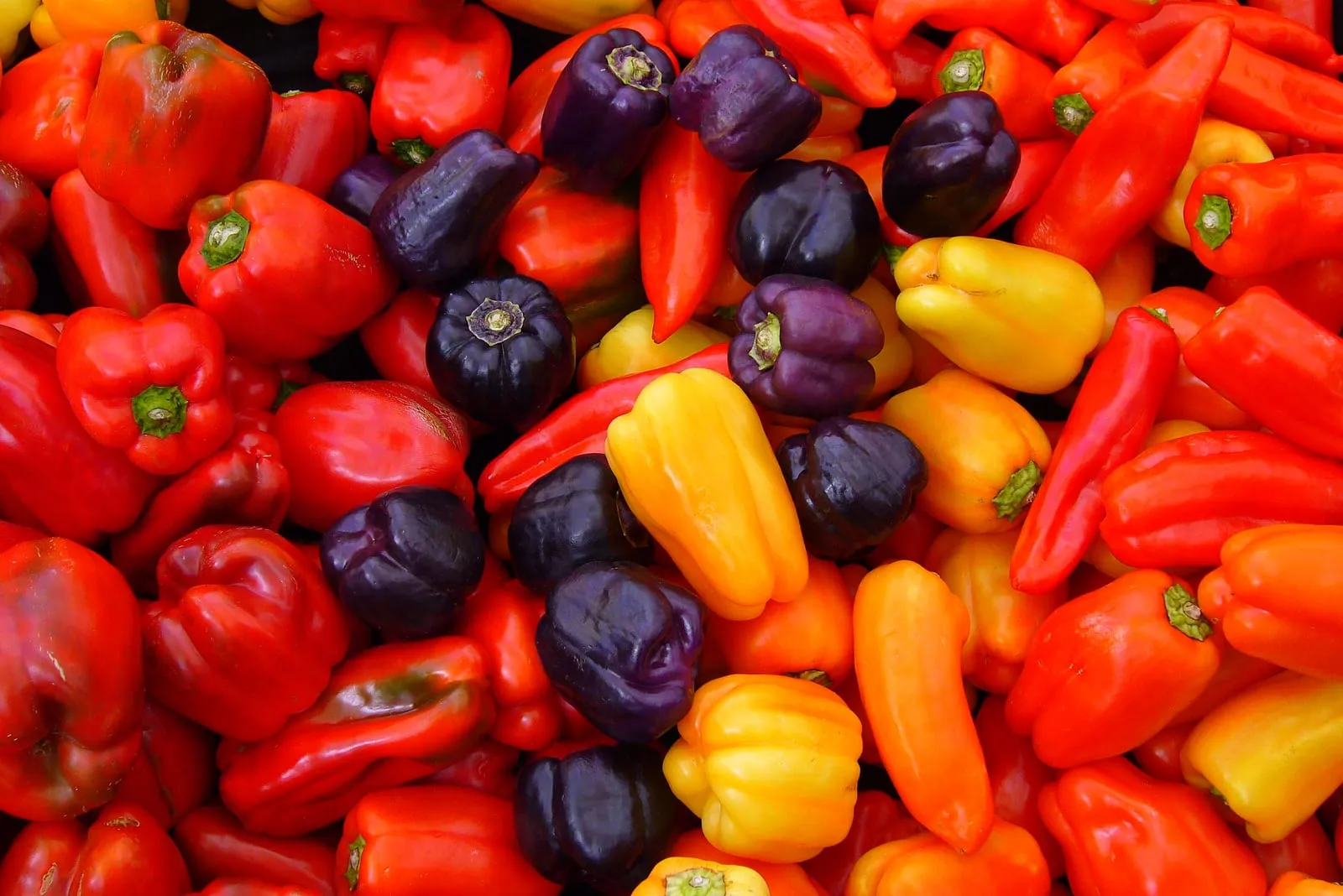
Image: "Capsicum annuum", by Eric Hunt, via Wikimedia Commons, licensed under CC-BY Source.

Related