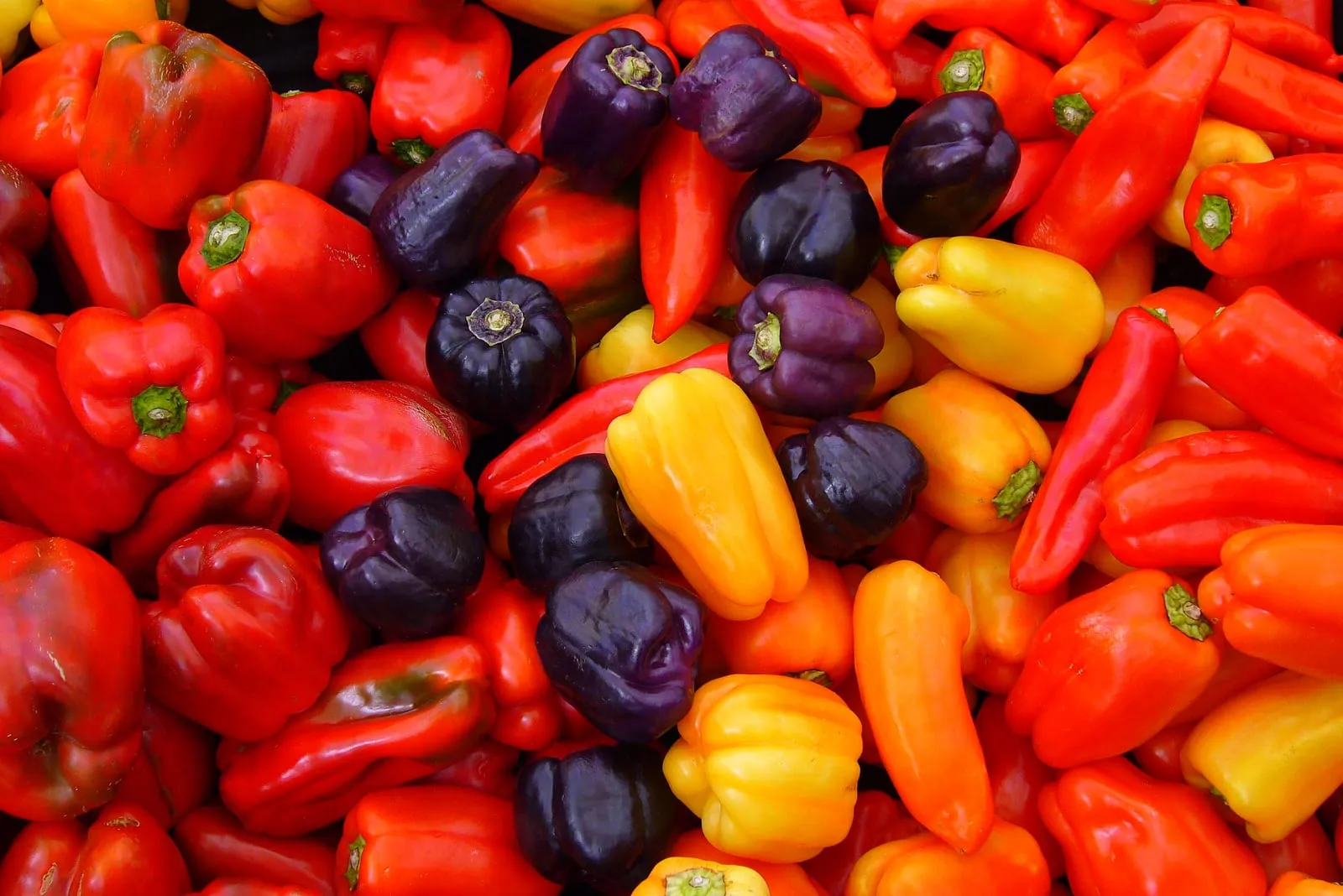
vegetable in zone 8b
Growing sweet pepper in zone 8b
Capsicum annuum
- Zone
- 8b 15°F to 20°F
- Growing season
- 260 days
- Suitable varieties
- 4
- Days to harvest
- 60 to 90
The verdict
Sweet peppers are warm-season annuals that need accumulated heat units, not chilling. Zone 8b's 260-day growing season is comfortably within the crop's productive range, and the zone's mild winters cause no meaningful dormancy complications. California Wonder, Carmen, Sweet Banana, and Shishito all reach full maturity here with time to spare.
The main limiting factor is not cold but soil biology and disease pressure. Nematodes, particularly root-knot nematodes in the sandy soils common across much of zone 8b, attack pepper roots mid-season and cause stunting that looks like drought stress. Growers on native sandy soil should treat nematode management as routine, not reactive. Tomato Spotted Wilt Virus pressure is also elevated in this zone, spread by thrips populations that overwinter successfully in the mild climate. Zone 8b is productive for sweet peppers, but the pest and disease environment is more demanding than in cooler zones.
Recommended varieties for zone 8b
4 cultivars suited to this zone, with disease-resistance and zone-fit annotations.
| Variety | Notes | Zone fit | Disease resistance |
|---|---|---|---|
| California Wonder fits zone 8b | Mild, sweet, classic green-then-red bell pepper; thick crisp walls. Fresh slicing, stuffing, roasting. Open-pollinated heritage standard, reliable in most home gardens. | | none noted |
| Carmen fits zone 8b | Sweet, fruity, slightly smoky; long red Italian frying pepper. Sauteing, roasting, fresh slicing. AAS winner, productive, ripens reliably even in short seasons. | | none noted |
| Sweet Banana fits zone 8b | Mild-sweet, tangy, pale yellow tapered pepper turning red; Hungarian-style. Fresh, pickling, frying. Heavy producer, easy beginner variety. | | none noted |
| Shishito fits zone 8b | Mildly sweet with occasional spicy surprise (~1 in 10); thin-walled green Japanese pepper. Blistered in oil, tempura, fresh. Compact plant, prolific picking through fall. | | none noted |
Critical timing for zone 8b
Last spring frost in zone 8b falls between late February and mid-March across most of the zone, though coastal and lower-elevation sites trend earlier. Transplants go out 2 to 3 weeks after the last frost date, once nighttime soil temperatures hold above 55°F. Starting seeds indoors 8 to 10 weeks before transplant puts the seed-starting window in early to mid-January.
Fruit set begins in May and continues through October. The 260-day season allows multiple flush cycles from a single planting. First fall frost typically arrives in late November or December, leaving a long autumn window when peppers remain productive without protection. A second planting in mid-July can extend the harvest season, though midsummer heat slows establishment and should be matched with consistent irrigation.
Common challenges in zone 8b
- ▸ Low chill hours limit apple variety selection
- ▸ Citrus greening risk
- ▸ Nematodes in sandy soils
Disease pressure to watch for
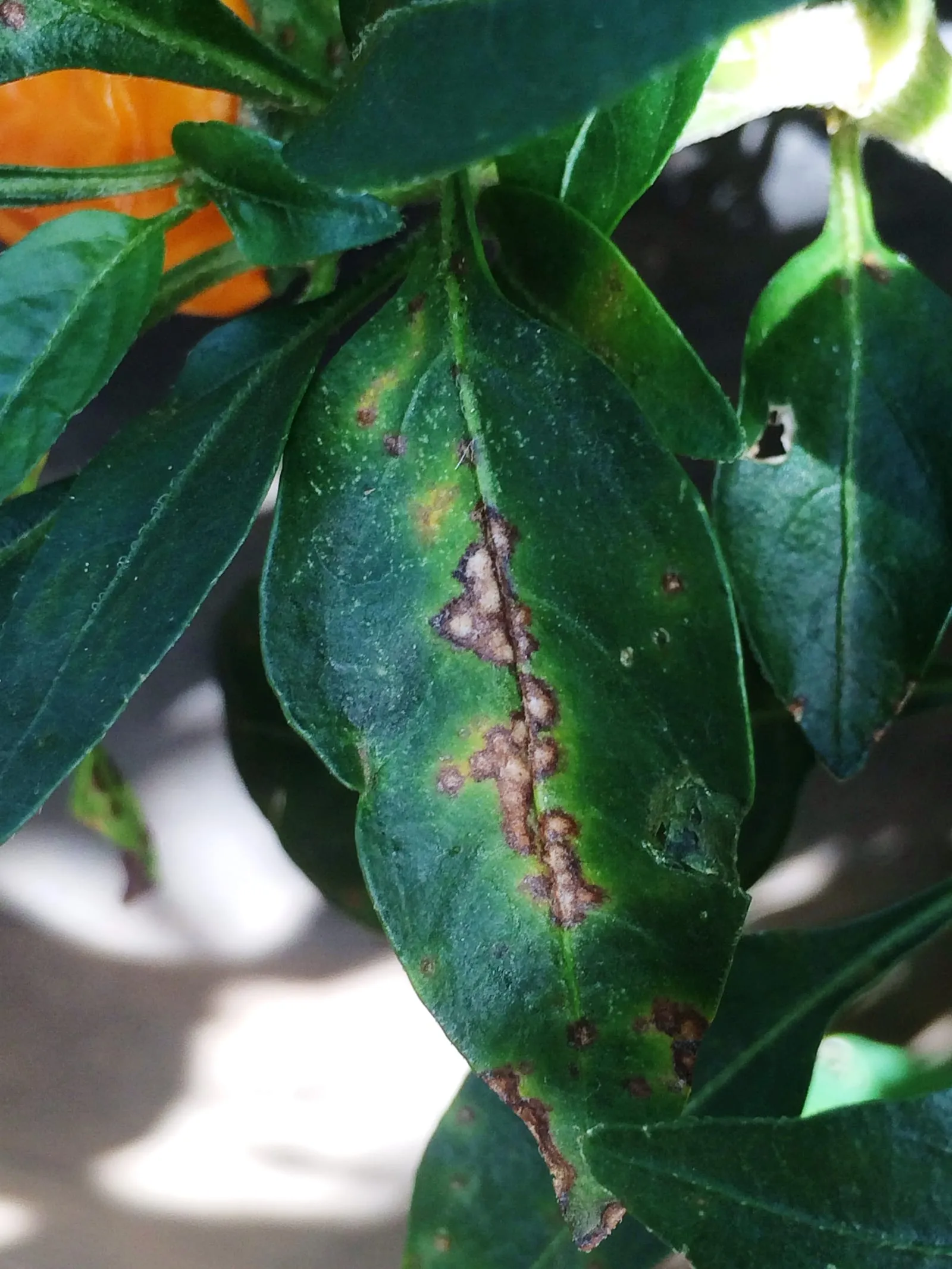
Xanthomonas euvesicatoria and X. perforans
Bacterial disease causing leaf spots and fruit blemishes on pepper and tomato. Severe in warm humid weather, transmitted via splashing water and seed.
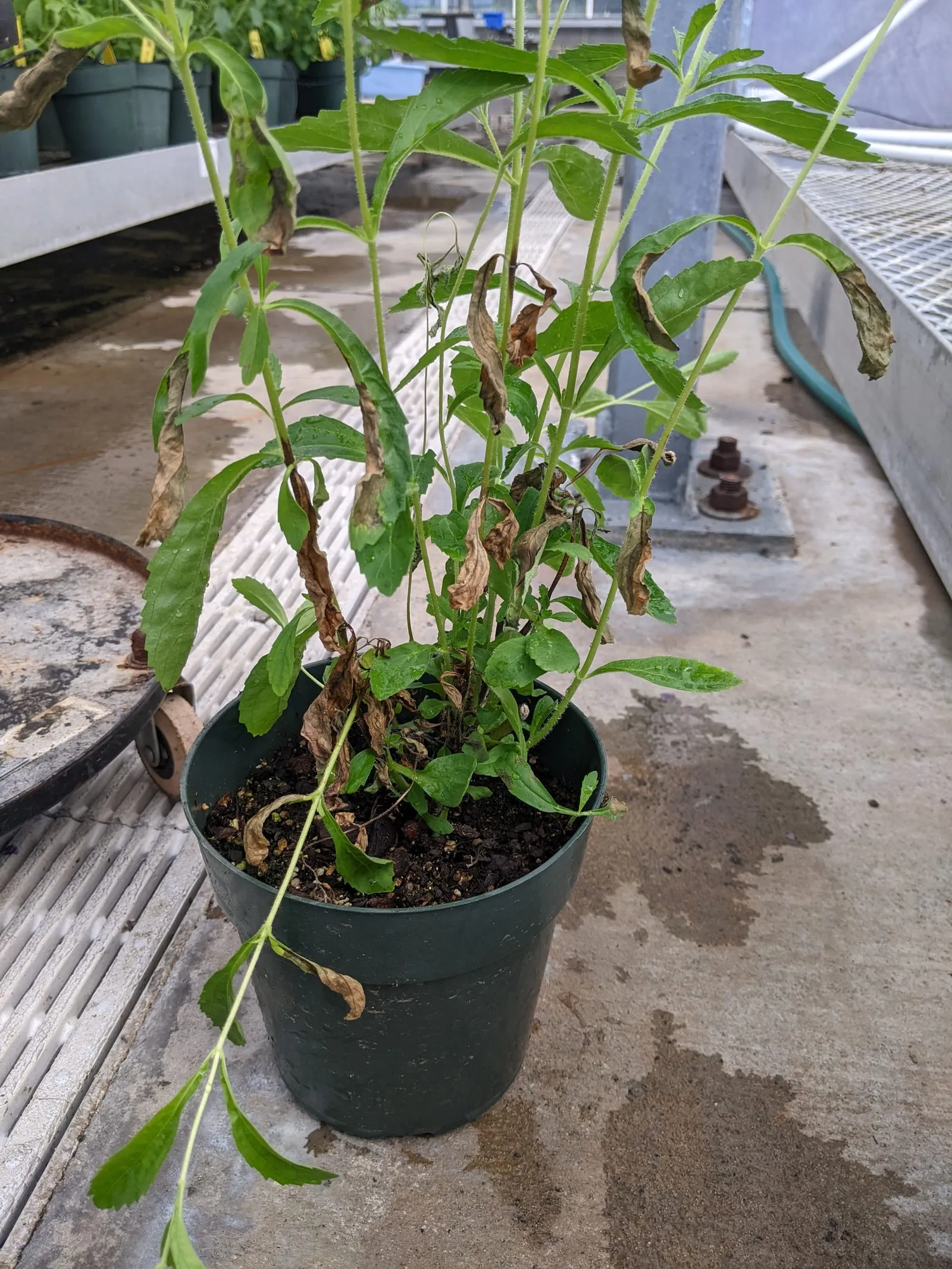
Tomato spotted wilt orthotospovirus (TSWV)
Virus vectored by thrips, particularly western flower thrips. Wide host range and growing global distribution. No cure once infected.
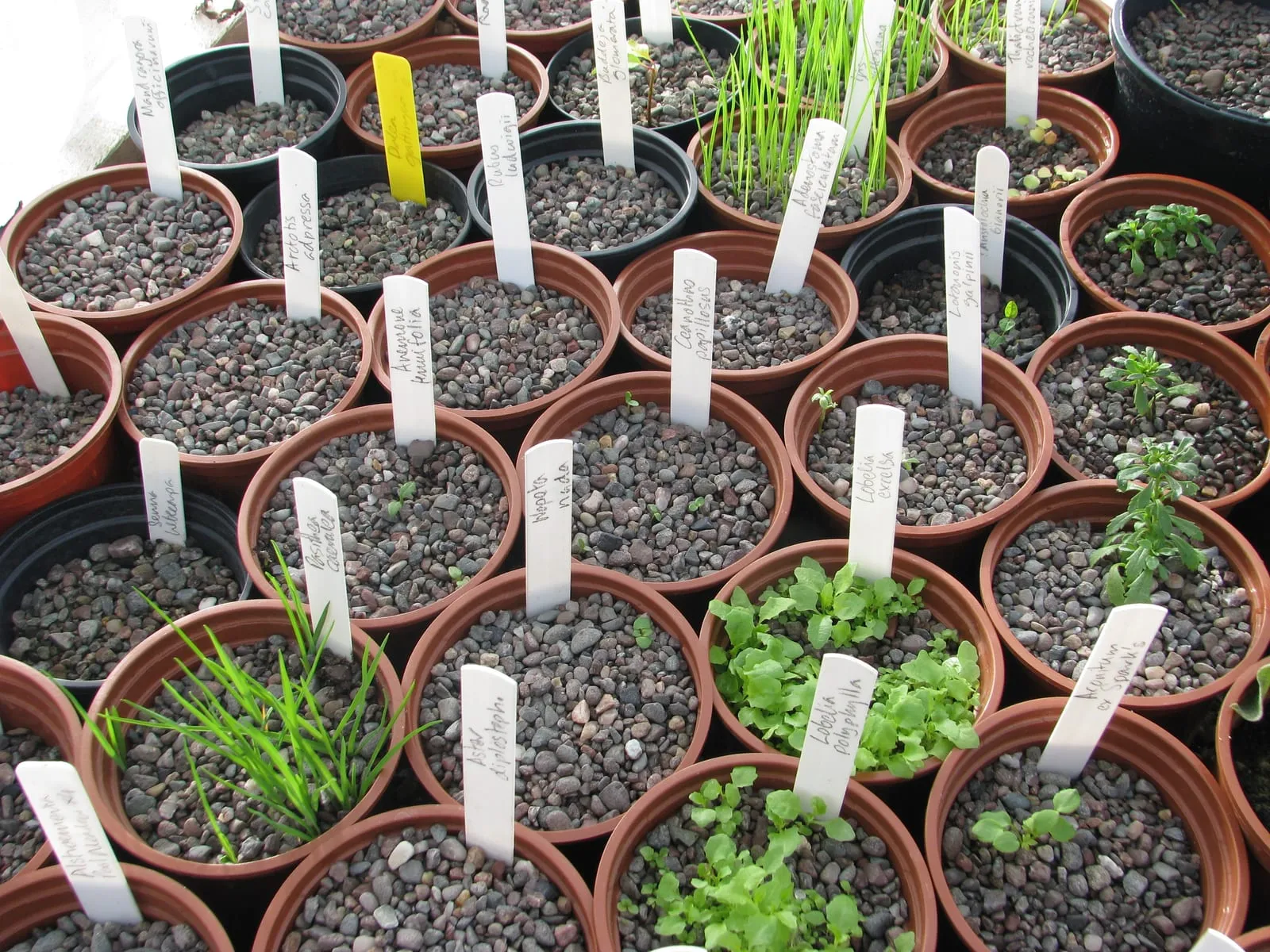
Pythium and Rhizoctonia species
Soil-borne complex of water molds and fungi that kill seedlings before or shortly after emergence. The single most common cause of seed-starting failures.
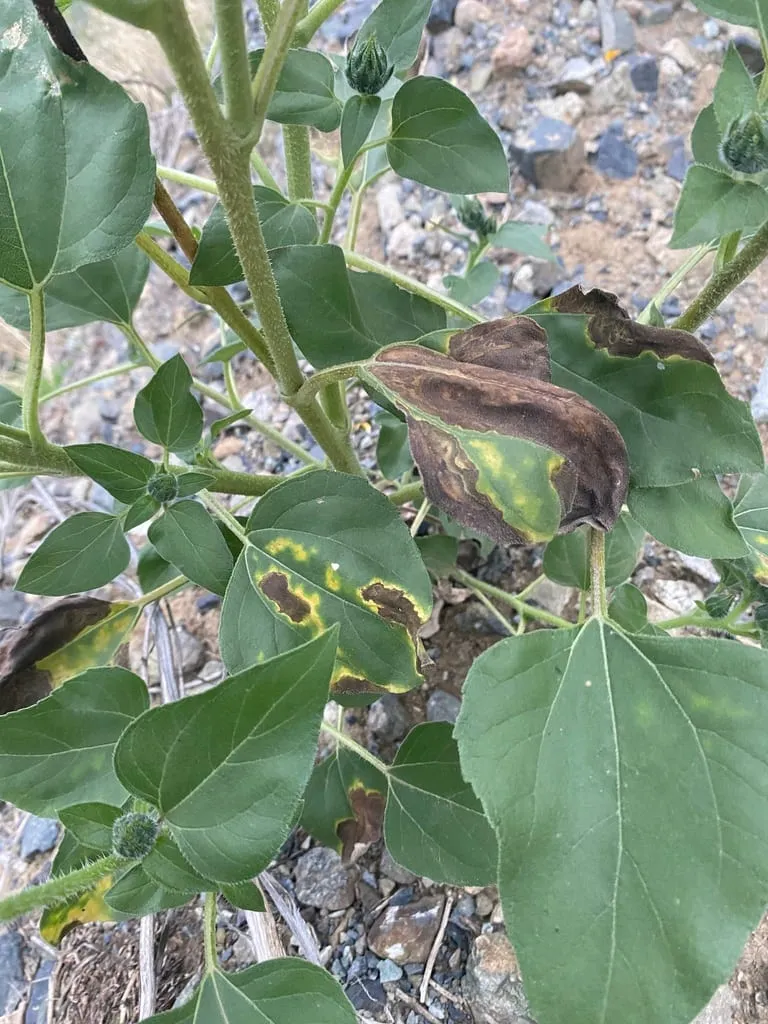
Verticillium dahliae
Soil-borne fungal disease similar to fusarium wilt but with broader host range and cooler temperature optimum. Persists in soil for 10+ years.
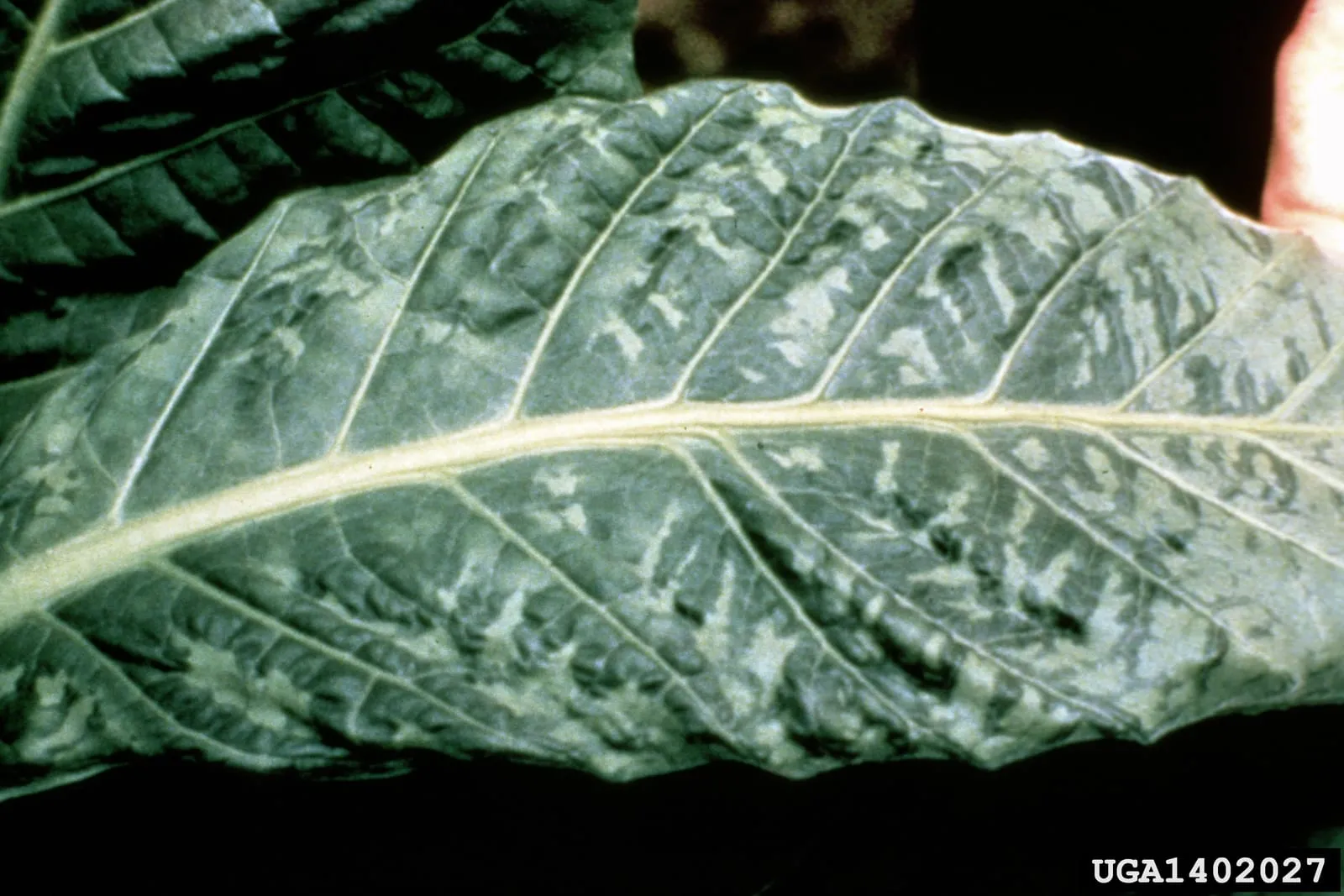
Cucumber mosaic virus, Tobacco mosaic virus, and others
Family of plant viruses producing mottled yellow-and-green leaf patterns. Vectored primarily by aphids; some are seed-transmitted or spread by handling tools and tobacco products.
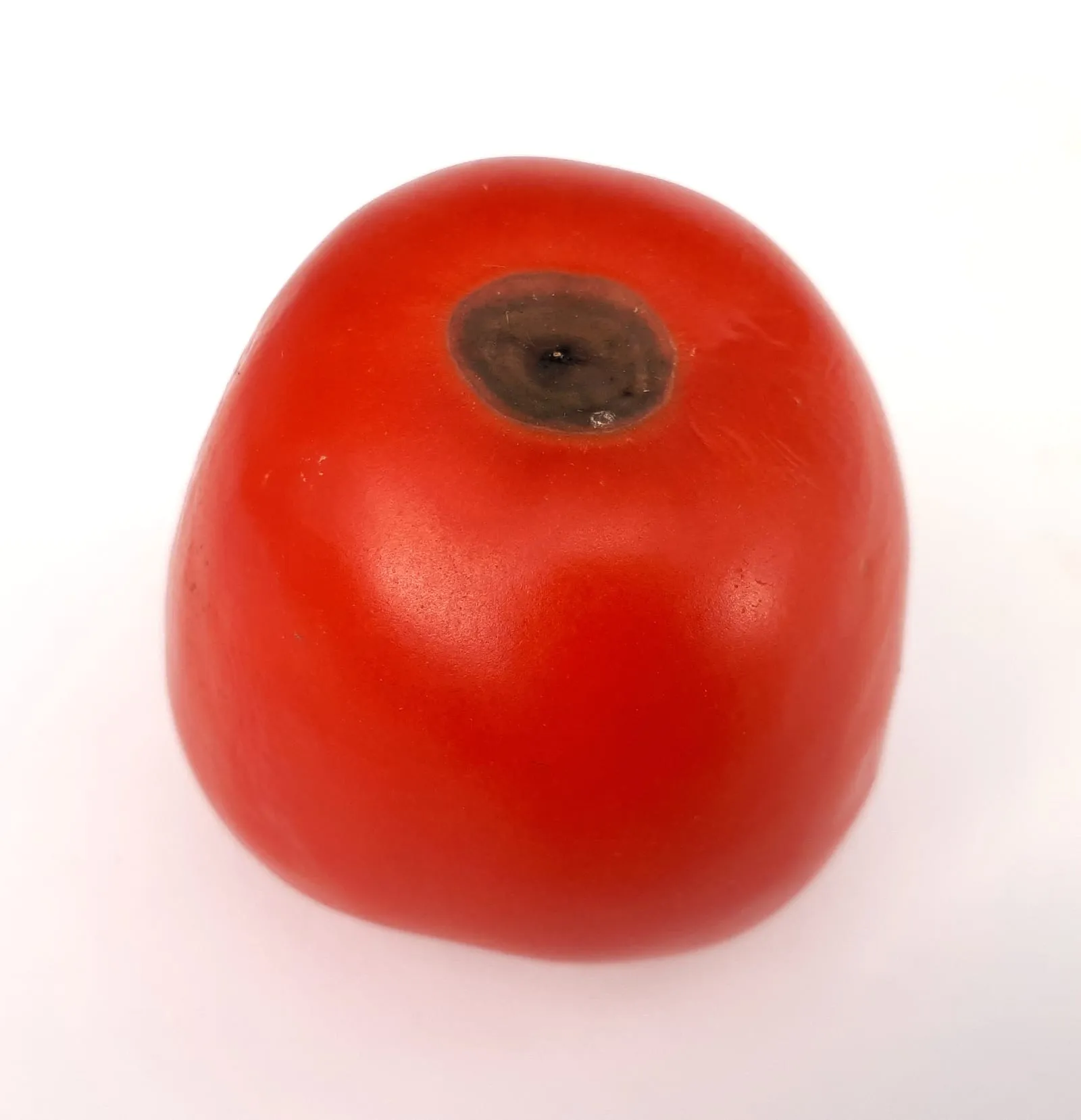
Calcium deficiency physiological disorder
Not a true disease but a calcium-uptake disorder caused by inconsistent soil moisture during fruit development. The dominant cause of damaged first-fruit on home tomato plantings.
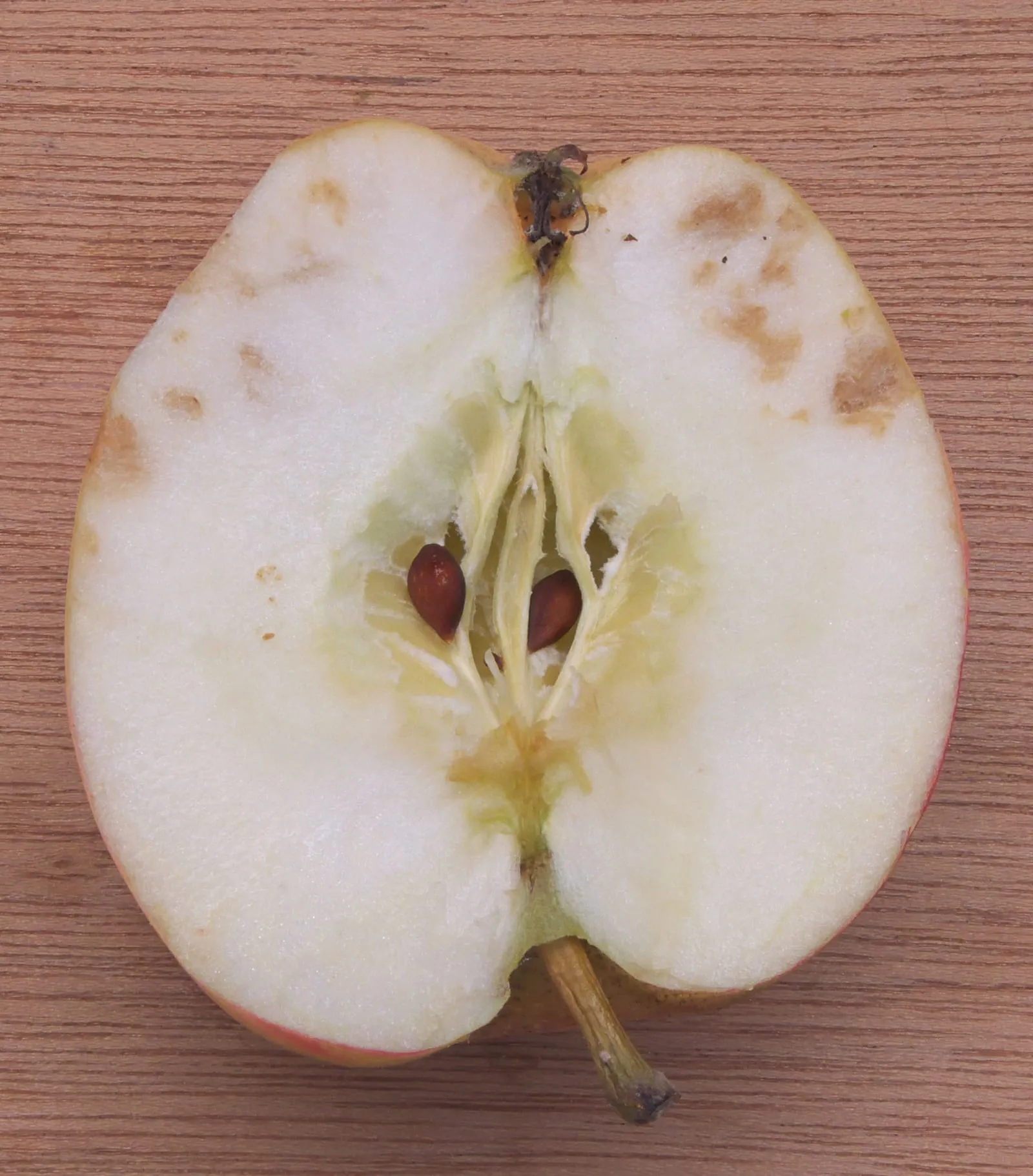
Physiological disorder
Damage from direct intense sun exposure on fruit or bark, particularly on plants suddenly exposed by pruning, defoliation, or hot weather. Distinct from sunburn (which is reversible).
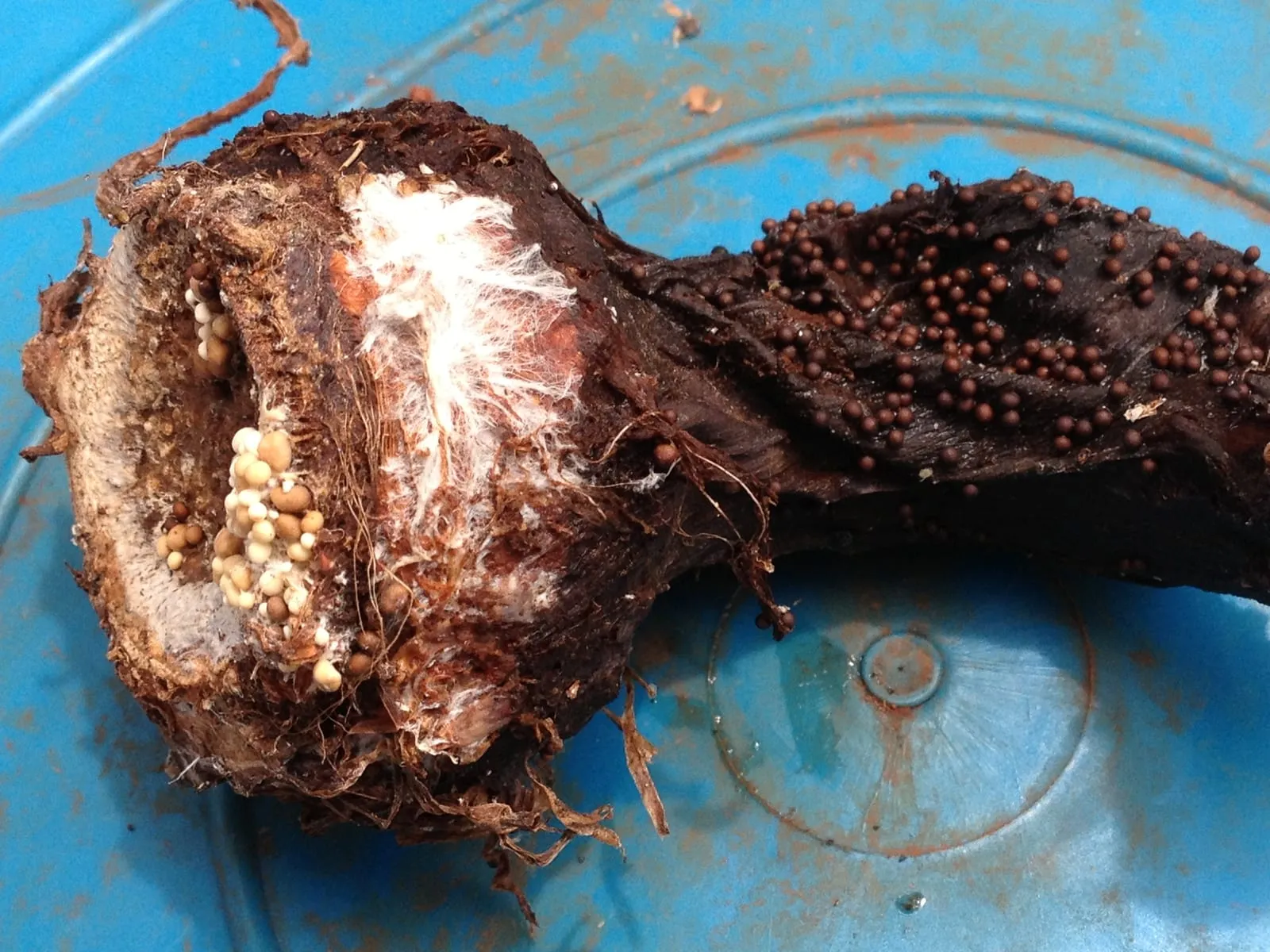
Sclerotium rolfsii
Soil-borne fungal disease most damaging in warm humid Southern conditions. White mycelial fans and small mustard-seed-sized sclerotia at the soil line are diagnostic.
Modified care for zone 8b
Two adjustments matter most in zone 8b compared to cooler parts of the pepper's range: managing midsummer heat stress and controlling nematodes.
When daytime temperatures exceed 95°F, sweet peppers drop blossoms and stall fruit set. Temporary shade cloth at 30 to 40% coverage during the hottest 4 to 6 weeks reduces this meaningfully. Drip irrigation maintains consistent soil moisture without wetting foliage, which is worth the setup cost given that Bacterial Spot spreads rapidly under overhead watering in humid conditions.
On sandy soils, raised beds built with compost-heavy imported mix sidestep nematode pressure almost entirely. For in-ground plantings, rotating with corn or small grains for one to two seasons before peppers reduces root-knot nematode populations. Thrips scouting should begin at transplant, not at first symptom, since Tomato Spotted Wilt Virus is incurable once established and thrips overwinter freely in zone 8b.
Sweet Pepper in adjacent zones
Image: "Capsicum annuum", by Eric Hunt, via Wikimedia Commons, licensed under CC-BY Source.

Related