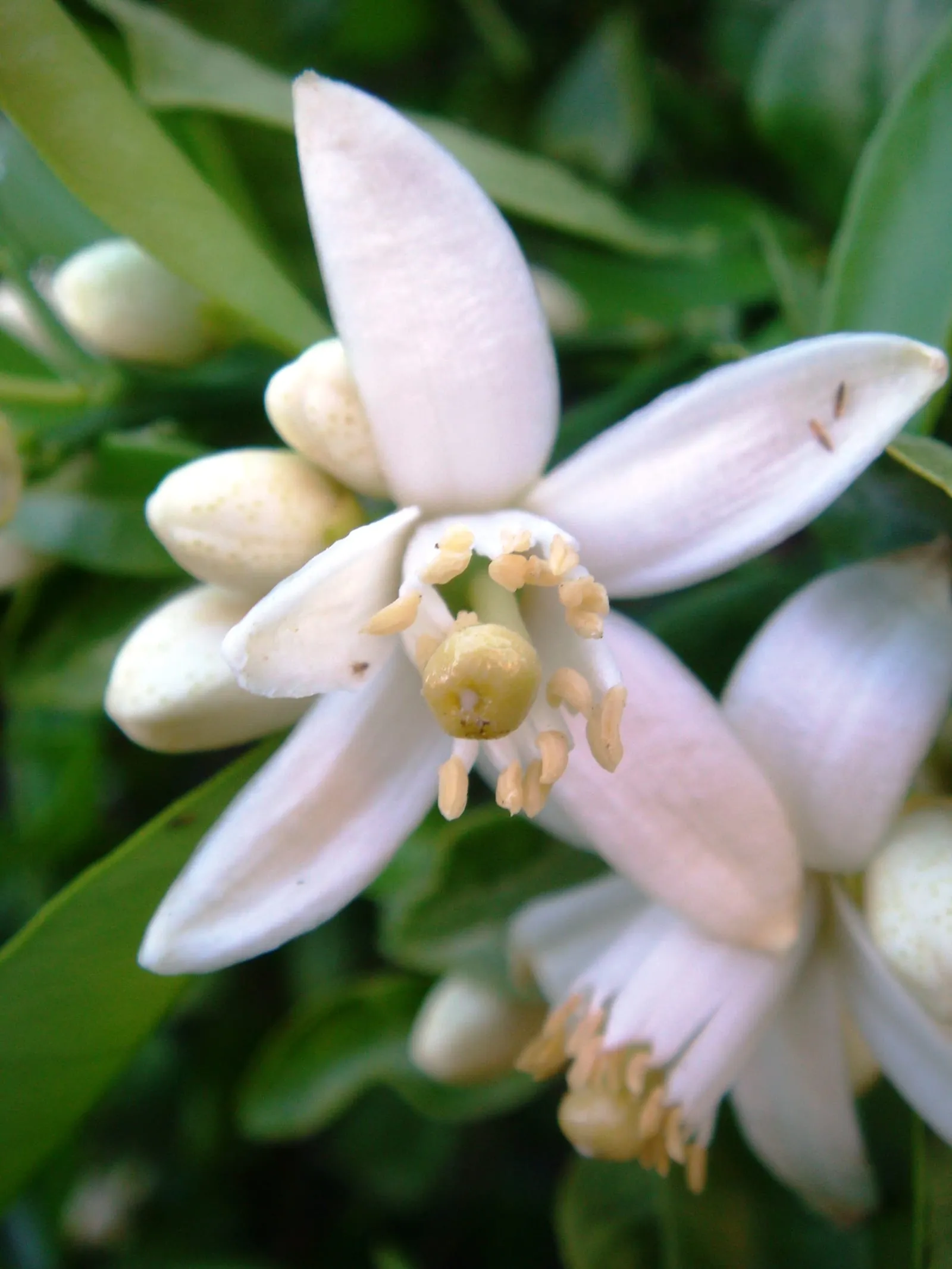
fruit tree
Grapefruit
Citrus paradisi
USDA hardiness range
- Zones
- 9a–11b
- Chill hours
- 0 to 100 below 45°F
- Days to harvest
- 300 to 365
- Sun
- Full
- Water
- Moderate
- Lifespan
- 50 to 75 years
Growing grapefruit
Grapefruit (Citrus paradisi) is one of the most heat-dependent citrus crops grown in the United States, thriving in zones 9a through 11b where summer temperatures consistently reach the levels needed to develop its characteristic bittersweet flavor. Below zone 9a, a single hard freeze can wipe out a planting that took years to establish.
The crop's commercial range in the continental US is essentially confined to Florida, the Texas Rio Grande Valley, Arizona's low desert, and southern California coastal valleys, per UF/IFAS Grapefruit Production Practices in Florida and Texas A&M AgriLife: Rio Grande Valley Citrus. Within those regions, productivity varies significantly by microclimate. A protected courtyard in Tucson that rarely drops below 28°F can sustain a mature tree; an exposed hillside in the same city may not.
Grapefruit requires little to no chilling (0 to 100 hours below 45°F), which means mild winters are an asset, not a liability. The tradeoff is a long development window: fruit takes 300 to 365 days from flower to full maturity. Growers who pick too early get underdeveloped flavor; growers in borderline-cold zones may lose the fruit to frost before it matures. Matching variety to local ripening window is the central planting decision and the one most often skipped.
Recommended varieties
See all 3 →3 cultivars for home growers, with notes on flavor, ripening, and disease resistance.
| Variety | Notes | Zone fit | Disease resistance |
|---|---|---|---|
| Ruby Red | Pink-blushed flesh with classic balanced sweet-bitter grapefruit profile; the breakfast standard. Holds well on the tree from December through May. | | none noted |
| Marsh | Pale yellow flesh, seedless, sharper bitterness; the original commercial seedless grapefruit. Cold-tolerant; reliable in zone 9. | | none noted |
| Oroblanco | Pomelo cross with low bitterness, almost a sweet-grapefruit hybrid; an easier introduction for newcomers. Larger fruit, thicker rind. | | none noted |
Soil and site requirements
Grapefruit performs best in well-drained sandy loam or loam soils with a pH between 6.0 and 7.0. Heavy clay that holds standing water leads quickly to root rot. Where native soil is dense, raised planting beds or mounded berms improve drainage enough to matter. On flat terrain, the goal is a site where water moves away from the root zone within a few hours of rain.
Full sun is non-negotiable. Trees receiving fewer than 8 hours of direct sun per day produce smaller fruit with reduced sugar development and thinner rind. South-facing exposures backed by a wall or fence also provide frost protection, which is worth prioritizing in zone 9, where temperatures can dip into the high 20s°F in a bad winter.
Spacing depends on rootstock and intended tree size: standard trees typically need 20 to 25 feet between centers; semi-dwarf trees work at 15 feet. Crowded plantings create humidity pockets that favor fungal disease and reduce air circulation around the canopy.
Avoid low-lying frost pockets. Cold air drains downhill and accumulates in depressions, meaning a tree planted at the bottom of a slope may experience temperatures 5 to 8°F colder than a tree 50 feet uphill on the same property. In zone 9, that difference often determines whether a tree survives a cold event intact.
Common diseases
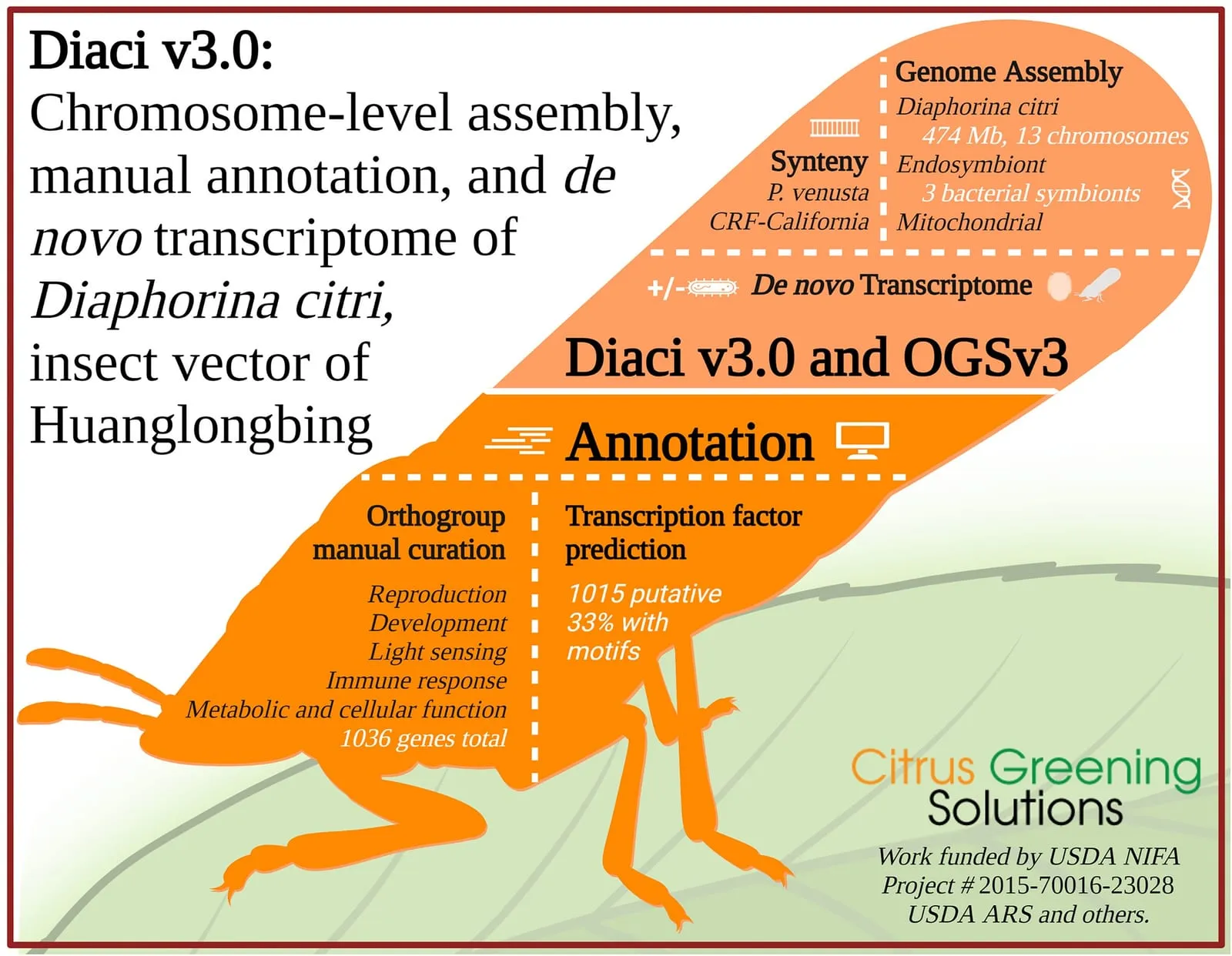
Candidatus Liberibacter asiaticus
Devastating bacterial disease vectored by the Asian citrus psyllid. Once infected, trees decline progressively over several years and there is no cure. Has destroyed commercial citrus across Florida and threatens production worldwide.
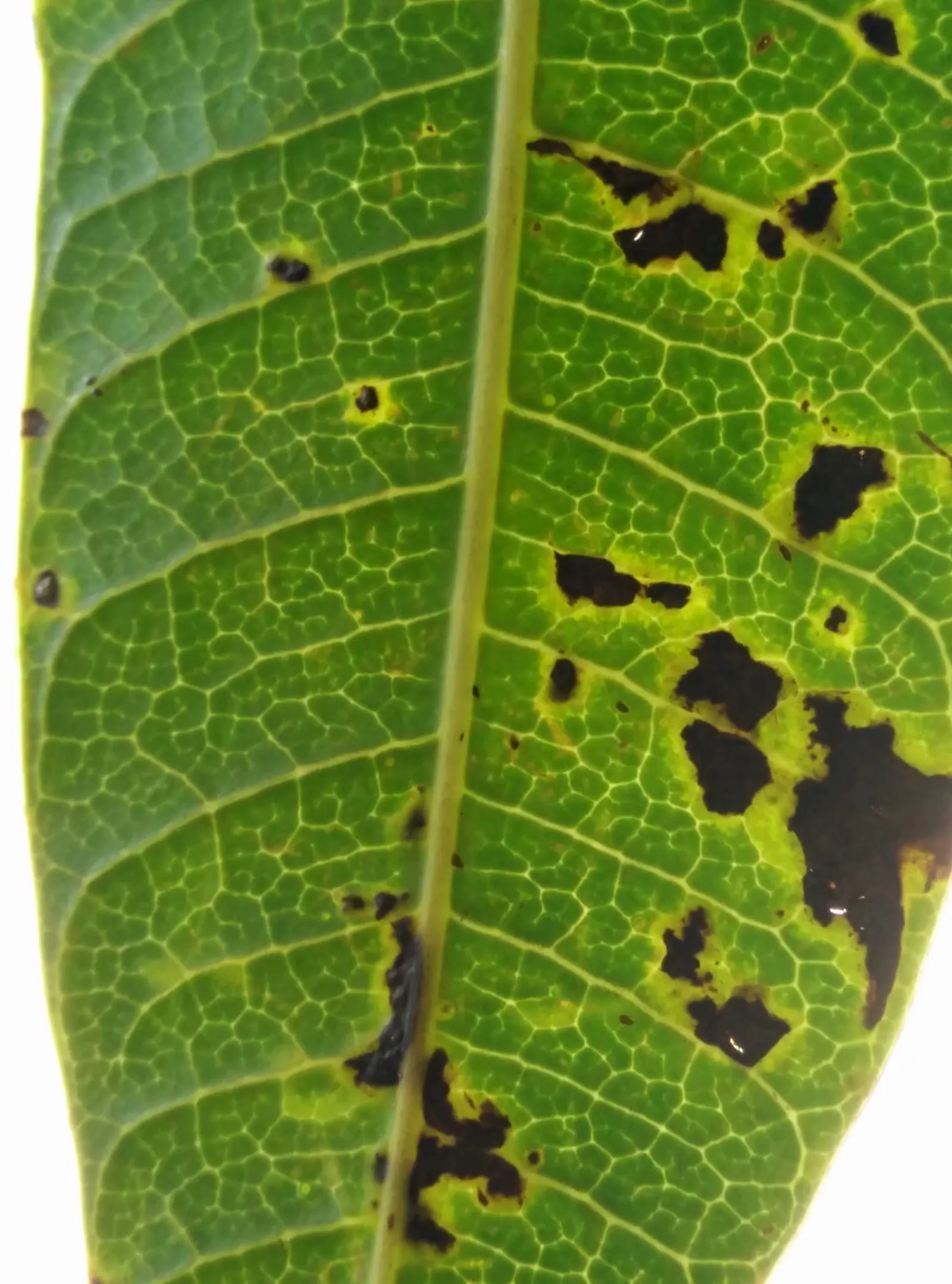
Xanthomonas citri
Bacterial disease producing raised corky lesions on leaves, twigs, and fruit. Spread by wind-driven rain and contaminated tools. Quarantine-regulated in many areas.
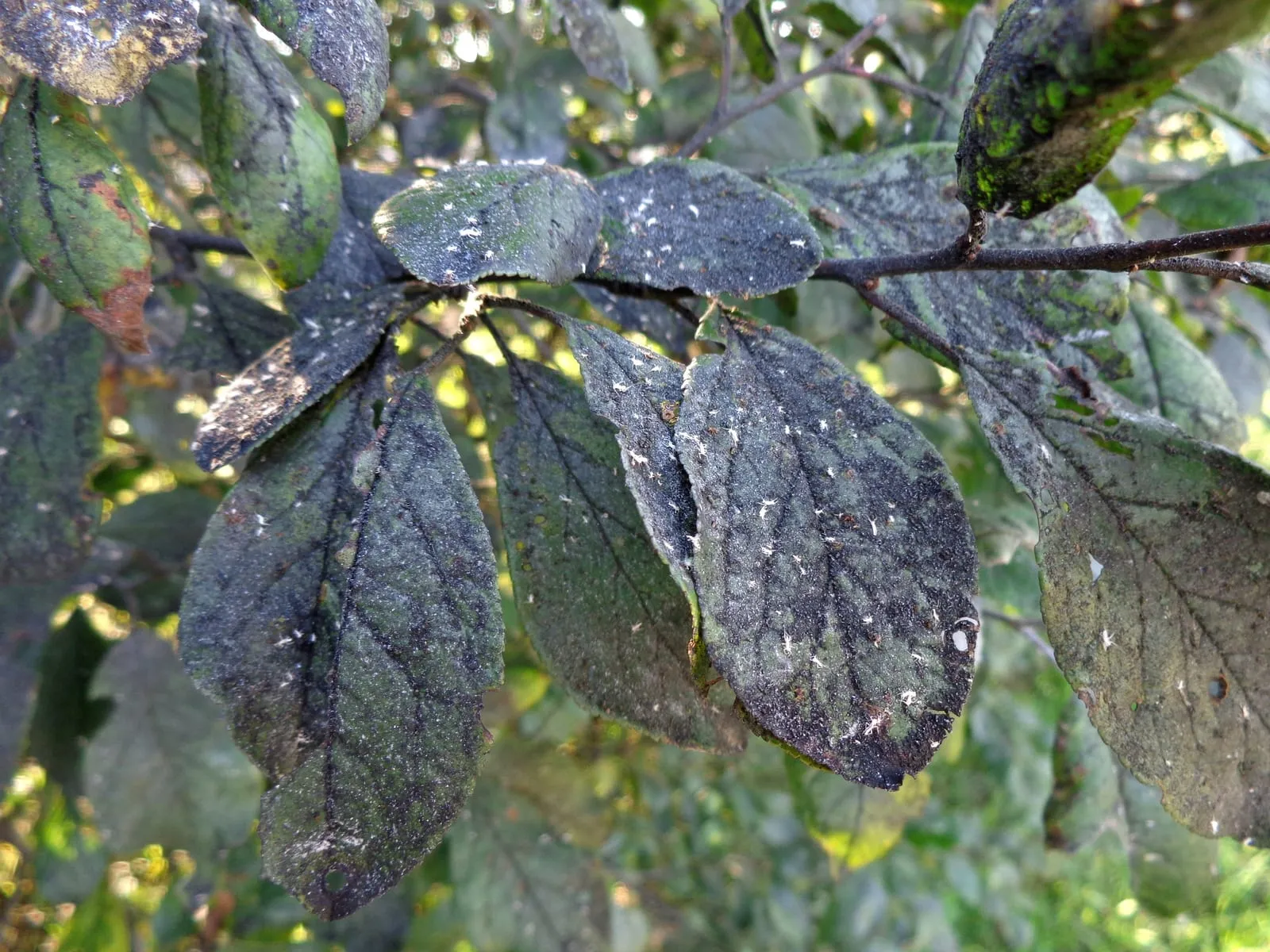
Capnodium spp.
Black fungal coating that grows on honeydew secreted by aphids, scale, mealybugs, and whiteflies. Doesn't infect plant tissue directly but blocks photosynthesis and disfigures fruit.
Common pests
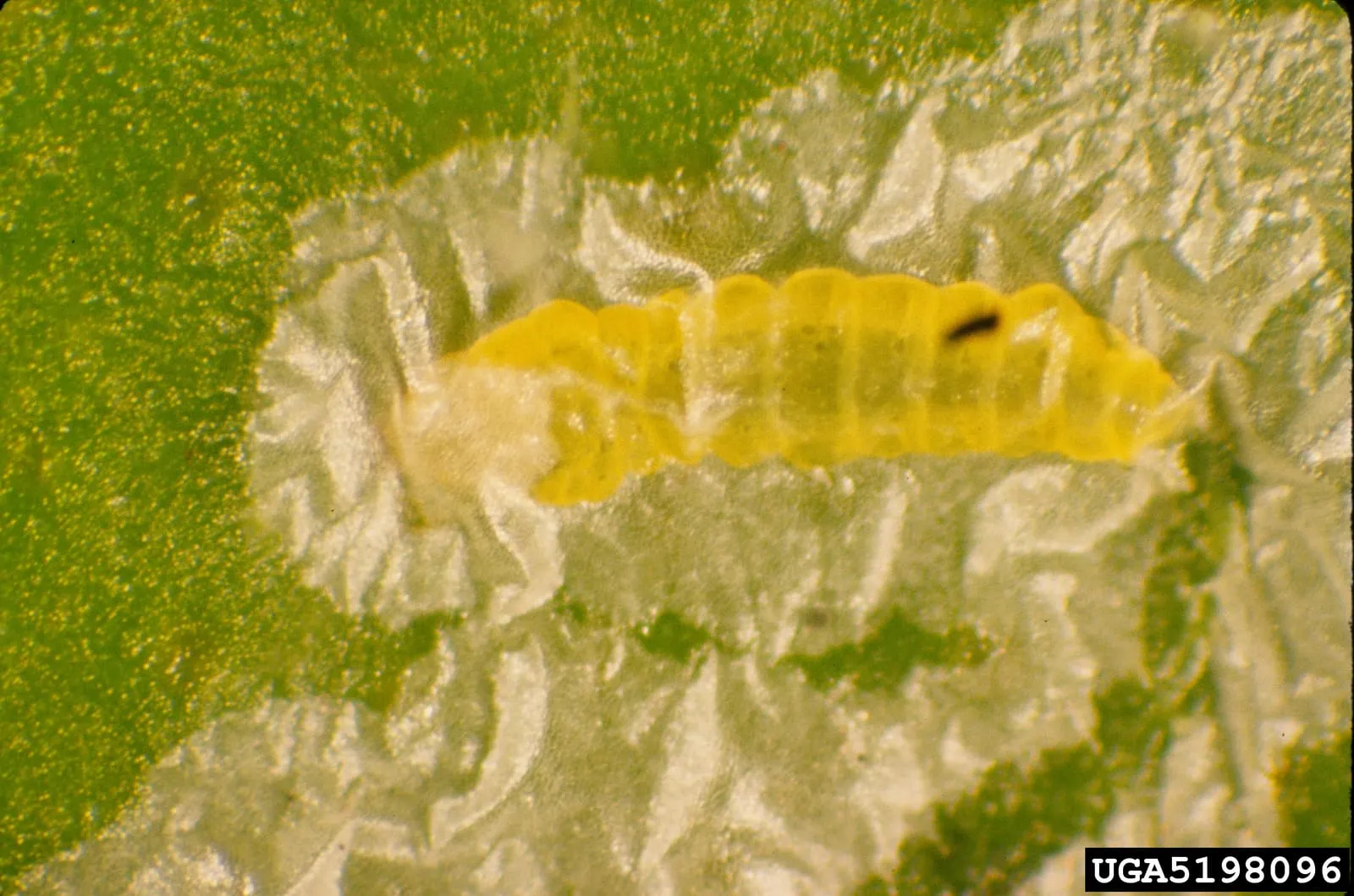
Phyllocnistis citrella
Tiny moth larvae tunnel inside young citrus leaves, leaving silvery serpentine trails. Damage is mostly cosmetic on mature trees but stunts new plantings.
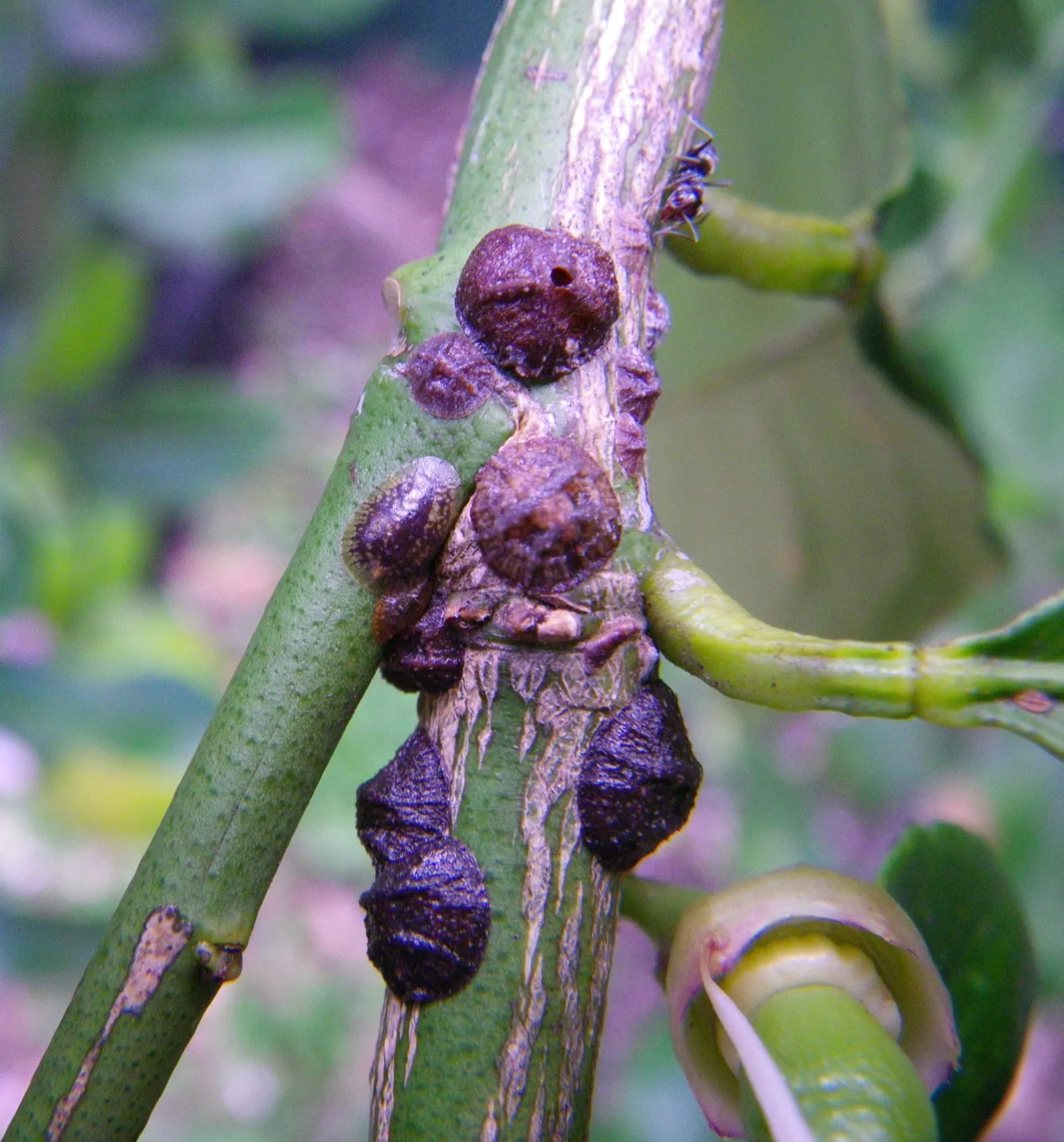
Coccoidea spp.
Sap-sucking insects that attach to bark, leaves, and fruit, secreting honeydew that fuels sooty mold. Heavy infestations weaken trees and cause leaf yellowing.
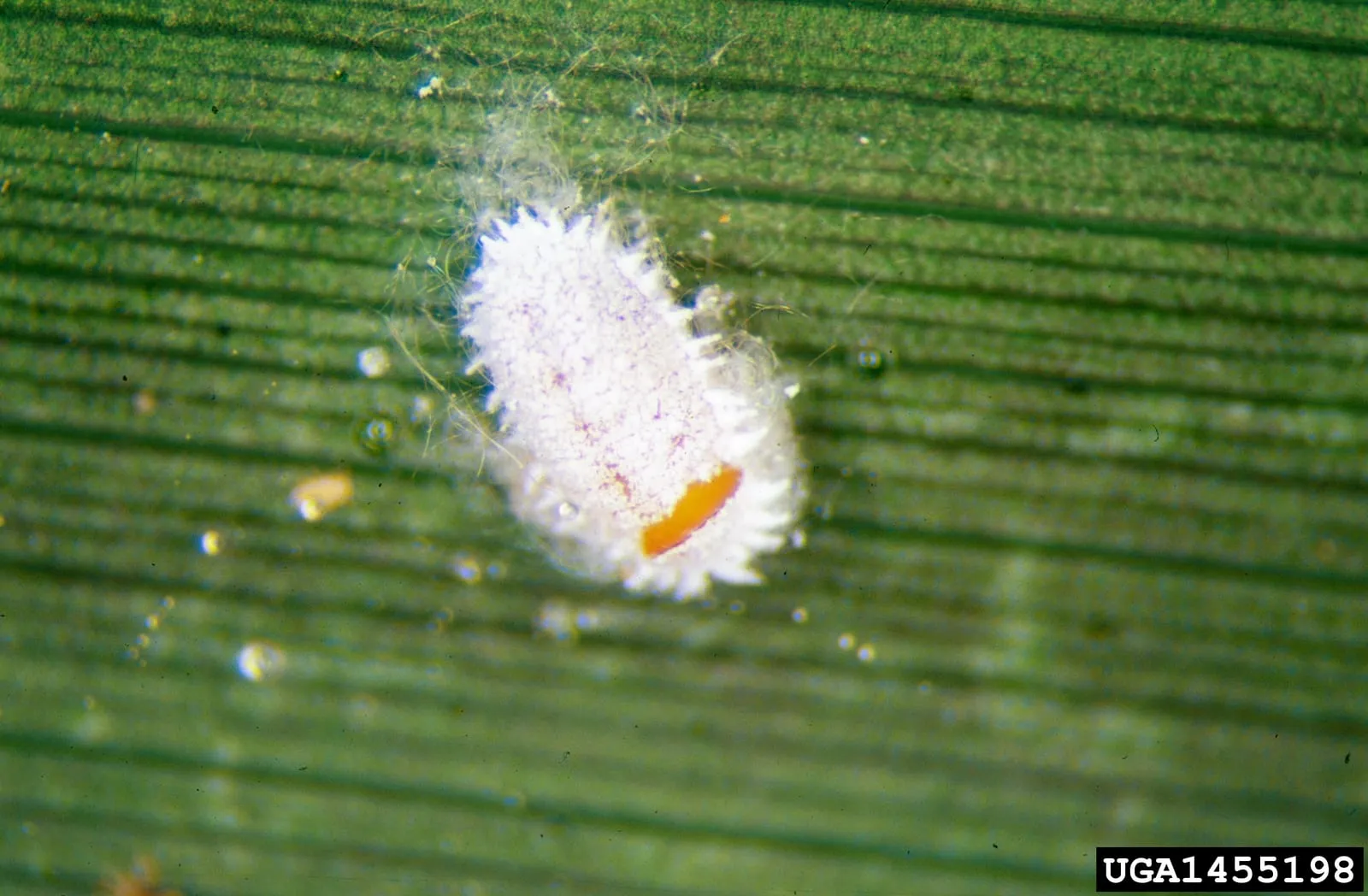
Pseudococcidae spp.
Soft white waxy insects that cluster at leaf joints, fruit stems, and root crowns. Honeydew secretion supports sooty mold; root mealybugs cause decline that mimics drought.
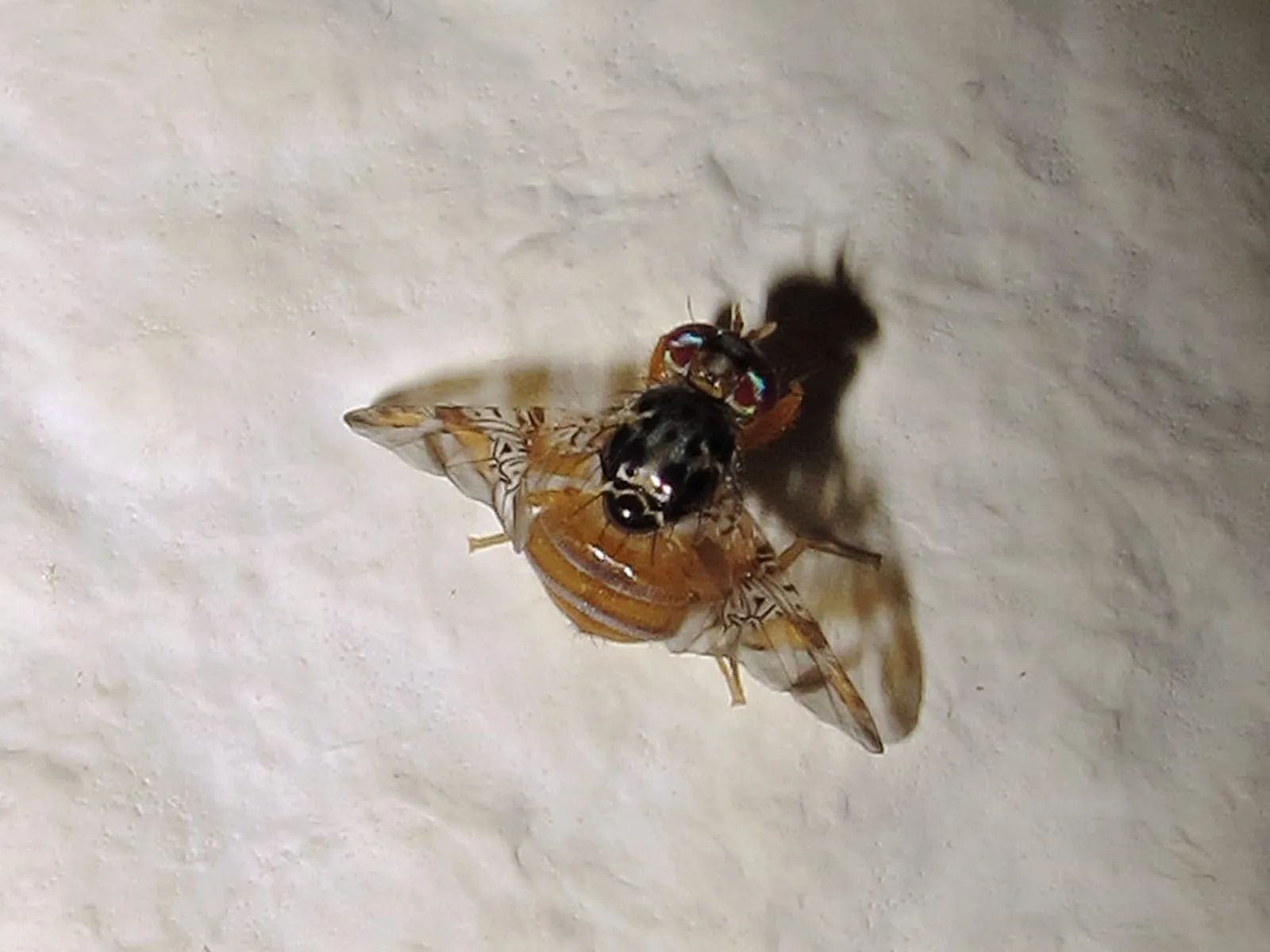
Ceratitis capitata
Quarantine pest in many regions. Adult females puncture ripening fruit to lay eggs; larvae tunnel through the flesh, causing premature drop and rot.
Common challenges
Citrus Greening (HLB) is the most serious long-term threat to grapefruit in Florida and increasingly in other southeastern states. Caused by a bacterial pathogen spread by the Asian citrus psyllid, there is currently no cure. Infected trees decline over several years, producing small, misshapen, bitter fruit before dying. In affected counties, sourcing trees from licensed nurseries, monitoring for psyllid presence, and reporting symptomatic trees to the state agricultural department are the practical responses available to home growers. No home treatment reverses the disease.
Frost timing is the practical limiting factor in zone 9. Mature trees tolerate brief dips to around 26°F but sustained cold below that damages wood and kills fruit on the tree. Because grapefruit's 300 to 365-day development window means fruit typically ripens December through May, a hard freeze late in the season destroys an entire year's crop. Varieties that ripen earlier (December to February) carry less risk in zone 9 than later selections.
Overwatering and root disease are more common in home plantings than in commercial orchards because irrigation is often set and forgotten. Grapefruit has moderate water needs, and roots poorly in consistently saturated soil. Phytophthora root rot thrives in wet conditions and is difficult to detect until a tree is already in significant decline. A consistent practice of allowing soil to dry between waterings prevents most cases.
Frequently asked questions
- How many chill hours does grapefruit need?
Grapefruit requires 0 to 100 chill hours (hours below 45°F), one of the lowest requirements among commonly grown fruit crops. This makes it well-suited to the mild winters of zones 9a through 11b, where most temperate fruits would fail to break dormancy properly or set reliable crops.
- How long does it take grapefruit to go from flower to ripe fruit?
Expect 300 to 365 days from bloom to harvest. Most varieties bloom in spring and are ready to pick the following December through May, depending on variety and local heat accumulation. Grapefruit has one of the longest fruit development windows of any commonly grown crop.
- What USDA zones can grow grapefruit?
Grapefruit is reliably productive in zones 9a through 11b. Below zone 9a, winter freeze events are frequent enough to make consistent production unrealistic for most home growers. The crop is not suited to zone 8 or colder without substantial frost protection structures in place.
- Does grapefruit need a second tree for pollination?
No. Grapefruit is self-fertile; a single tree sets fruit without a second variety nearby. Cross-pollination can increase seed count, which is generally considered undesirable for fresh fruit. Most home plantings grow a single variety without any pollination issue.
- What is the most serious disease threat to grapefruit?
Citrus Greening (HLB) is currently incurable and fatal to infected trees. Spread by the Asian citrus psyllid, it is widespread in Florida and has been detected in other states. In regions where the psyllid is established, HLB is the most consequential disease risk a grapefruit planting faces.
- Is zone 9a cold enough to cause problems for grapefruit?
Zone 9a is the cold edge of grapefruit's range, and cold-tolerant varieties like Marsh perform more reliably there than tender selections. Site choice matters more in zone 9a than in warmer zones: south-facing walls, elevated ground to avoid frost pockets, and urban heat can each provide the 4 to 6°F of protection that determines whether a tree survives a hard winter.
- How long does a grapefruit tree live?
Under good conditions, grapefruit trees are productive for 50 to 75 years. Commercial plantings are often replaced earlier for economic reasons, but a healthy home tree planted in good soil with appropriate frost protection can remain productive for several decades.
+−
+−
+−
+−
+−
+−
+−
Sources
- [1] UF/IFAS: Grapefruit Production Practices in Florida
- [2] Texas A&M AgriLife: Rio Grande Valley Citrus
Image: "Citrus-x-paradisi-20080322", by Miwasatoshi, via Wikimedia Commons, licensed under CC-BY. Source.

Grapefruit by zone
Related