fruit tree in zone 10a
Growing grapefruit in zone 10a
Citrus paradisi
- Zone
- 10a 30°F to 35°F
- Growing season
- 340 days
- Chill needed
- 0 to 100 below 45°F
- Suitable varieties
- 3
- Days to harvest
- 300 to 365
The verdict
Grapefruit is a strong fit for zone 10a, not a marginal one. The crop's chill-hour requirement sits between 0 and 100 hours, which the zone satisfies without effort in most winters. Unlike stone fruits or apples that stall out in warm climates, grapefruit actively prefers the sustained warmth zone 10a provides. Minimum winter temperatures of 30 to 35°F are cold enough to trigger some seasonal rest without causing the freeze damage that cuts down citrus in zone 9a or colder. The 340-day growing season accommodates grapefruit's characteristically long fruit development window, which runs 12 to 18 months from bloom to table-ready fruit. The real constraints here are not climate suitability but disease pressure, particularly Citrus Greening (HLB), which is widespread in zone 10a regions of Florida and South Texas. Variety selection matters less for cold hardiness in this zone and more for productivity under HLB pressure and heat tolerance during summer peaks.
Recommended varieties for zone 10a
3 cultivars suited to this zone, with disease-resistance and zone-fit annotations.
| Variety | Notes | Zone fit | Disease resistance |
|---|---|---|---|
| Ruby Red fits zone 10a | Pink-blushed flesh with classic balanced sweet-bitter grapefruit profile; the breakfast standard. Holds well on the tree from December through May. | | none noted |
| Marsh fits zone 10a | Pale yellow flesh, seedless, sharper bitterness; the original commercial seedless grapefruit. Cold-tolerant; reliable in zone 9. | | none noted |
| Oroblanco fits zone 10a | Pomelo cross with low bitterness, almost a sweet-grapefruit hybrid; an easier introduction for newcomers. Larger fruit, thicker rind. | | none noted |
Critical timing for zone 10a
In zone 10a, grapefruit bloom typically occurs from late February through April, with peak flowering in March. The zone's frost window is narrow and late-season frosts rare, so bloom timing carries low frost risk compared to cooler zones. Fruit set follows bloom, and the development period extends well into the following fall and winter. Harvest for varieties like Ruby Red and Marsh generally runs from November through April, with peak flavor often developing after a few cool nights that deepen pigmentation in red-fleshed types. Oroblanco, a pomelo hybrid, tends to mature earlier, often beginning in October. Unlike temperate fruit trees where frost timing drives the entire seasonal calendar, grapefruit scheduling in zone 10a centers on rainfall patterns, hurricane season (June through November), and managing irrigation through dry winters.
Common challenges in zone 10a
- ▸ No chilling for traditional temperate fruit
- ▸ Hurricane exposure
- ▸ Heat-tolerant cultivars only
Disease pressure to watch for
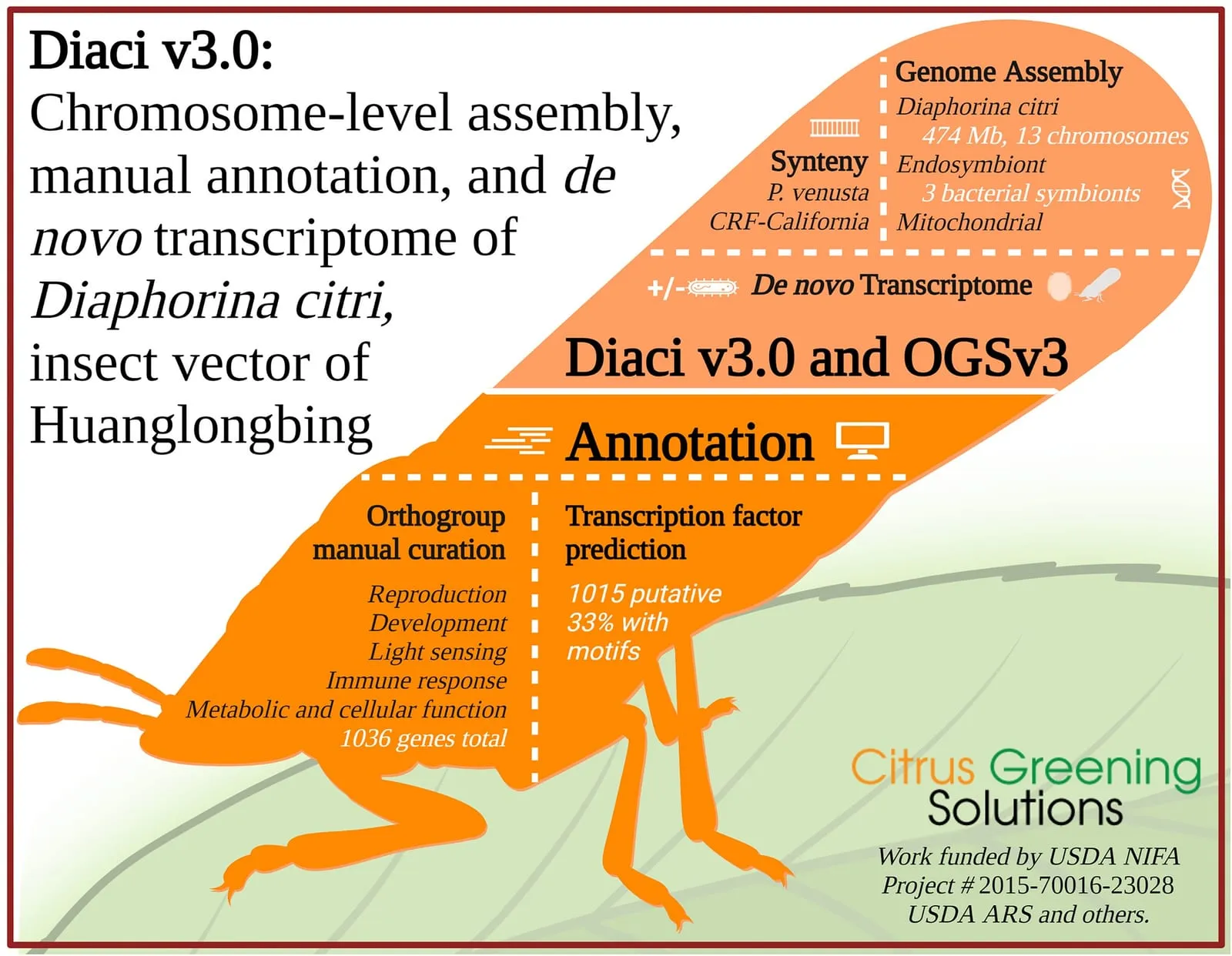
Candidatus Liberibacter asiaticus
Devastating bacterial disease vectored by the Asian citrus psyllid. Once infected, trees decline progressively over several years and there is no cure. Has destroyed commercial citrus across Florida and threatens production worldwide.
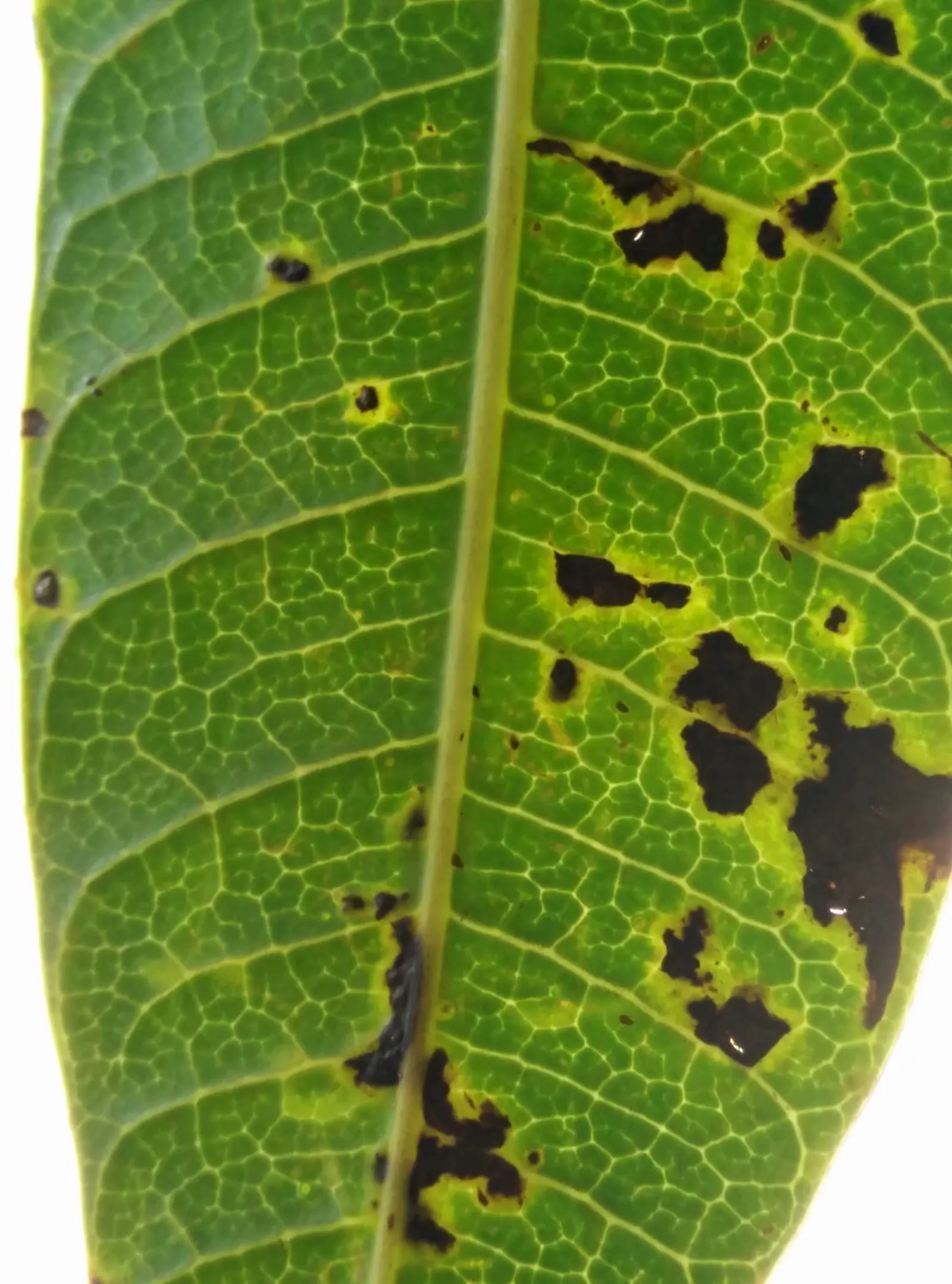
Xanthomonas citri
Bacterial disease producing raised corky lesions on leaves, twigs, and fruit. Spread by wind-driven rain and contaminated tools. Quarantine-regulated in many areas.
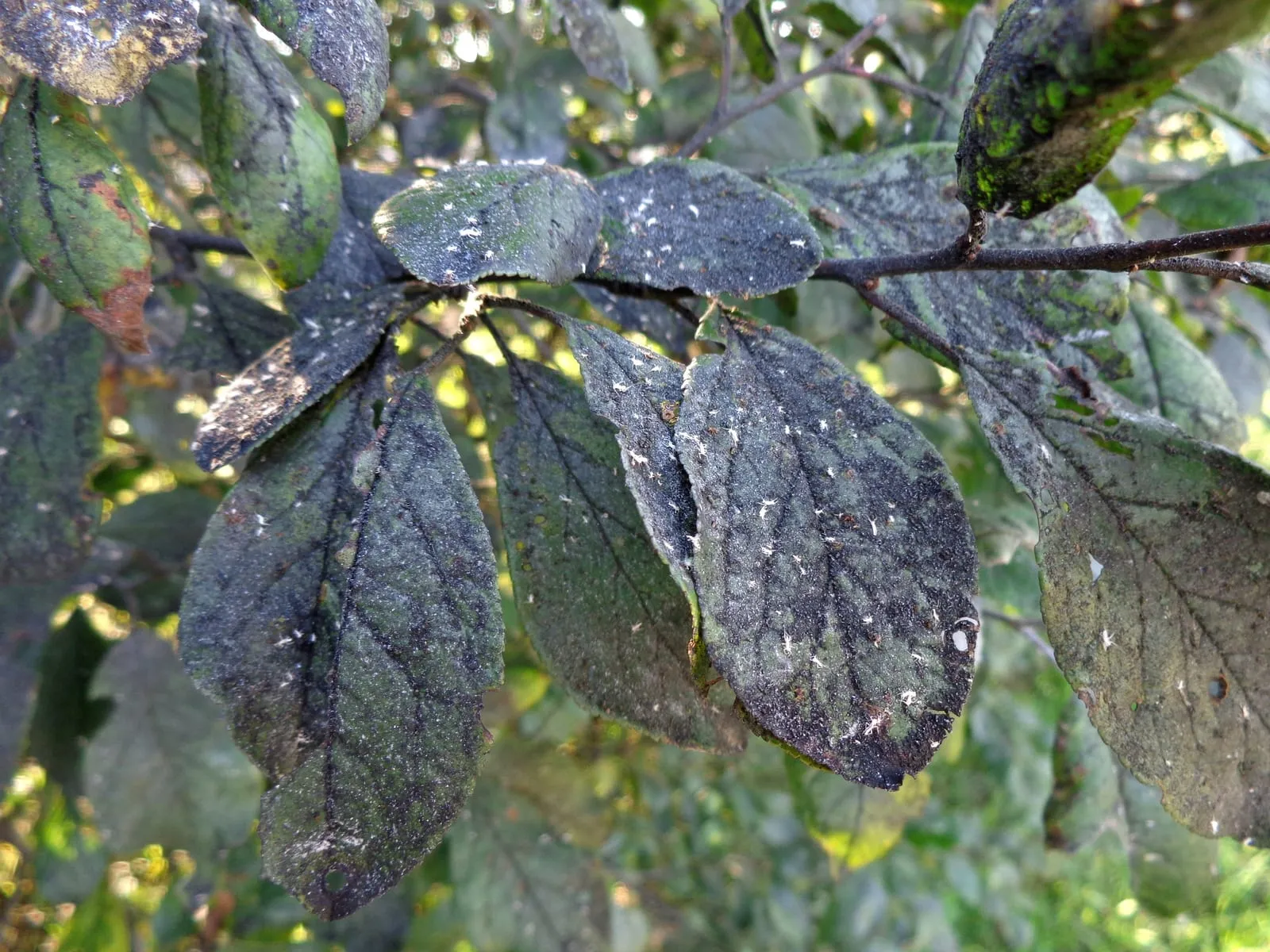
Capnodium spp.
Black fungal coating that grows on honeydew secreted by aphids, scale, mealybugs, and whiteflies. Doesn't infect plant tissue directly but blocks photosynthesis and disfigures fruit.
Modified care for zone 10a
The dominant management adjustment in zone 10a is disease vigilance, particularly for Citrus Greening (HLB) and Citrus Canker, both of which are established in most zone 10a growing regions. HLB has no cure; management focuses on controlling the Asian citrus psyllid vector through regular scouting and targeted insecticide applications, and removing symptomatic trees promptly. Citrus Canker spreads rapidly in wet, windy conditions, making hurricane season a high-risk period. Copper-based bactericides applied before storm events reduce canker spread. Sooty mold, while not directly damaging, signals an underlying aphid or whitefly infestation that warrants intervention. On the cultural side, wind protection from prevailing summer storms matters more in zone 10a than frost protection. Irrigation management shifts toward deficit irrigation in late summer to encourage flower bud initiation, since cool temperatures alone may not provide a strong enough dormancy cue in the warmest parts of this zone.
Grapefruit in adjacent zones
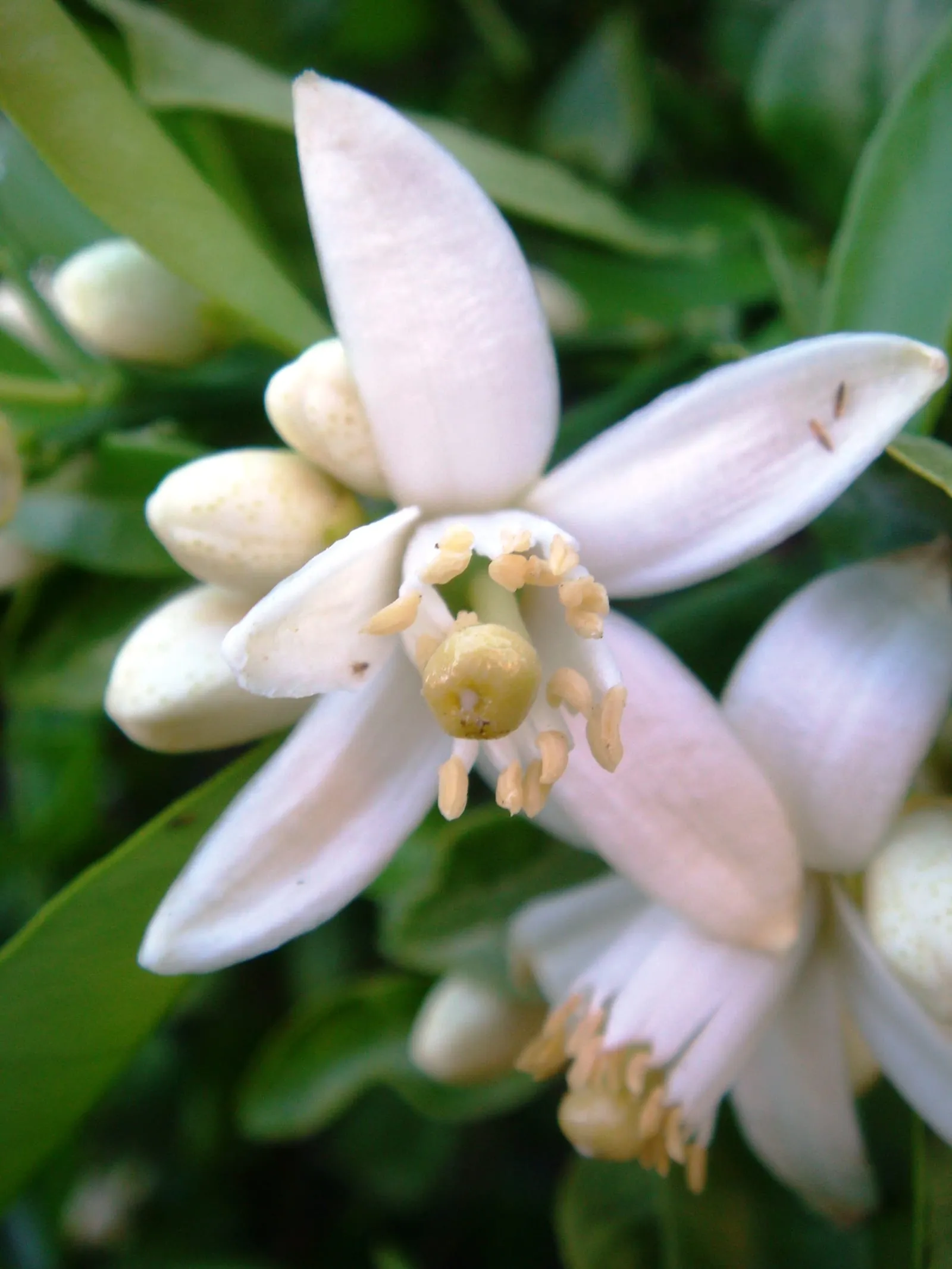
Image: "Citrus-x-paradisi-20080322", by Miwasatoshi, via Wikimedia Commons, licensed under CC-BY Source.

Related