fruit tree in zone 9b
Growing grapefruit in zone 9b
Citrus paradisi
- Zone
- 9b 25°F to 30°F
- Growing season
- 310 days
- Chill needed
- 0 to 100 below 45°F
- Suitable varieties
- 3
- Days to harvest
- 300 to 365
The verdict
Zone 9b sits squarely in grapefruit's comfort zone. With a chill-hour requirement of 0 to 100 hours, grapefruit asks almost nothing of winter, and zone 9b's 25 to 30°F minimum temperature range is cold enough to provide adequate dormancy cues without regularly threatening established trees. This is not a marginal zone for the crop. It is one of the primary production climates in the continental United States.
The 310-day growing season matters because grapefruit has one of the longest fruit development windows of any common citrus, typically 12 to 18 months from bloom to full maturity. Only a climate with a near-year-round season can ripen fruit to peak brix without rushing it. Ruby Red, Marsh, and Oroblanco are all well-matched to this zone, with Ruby Red generally delivering the deepest color and sweetest flavor under zone 9b heat accumulation. The occasional dip toward 25°F can damage developing fruit on the tree, but mature wood on established trees tolerates brief exposure at that level without significant dieback.
Recommended varieties for zone 9b
3 cultivars suited to this zone, with disease-resistance and zone-fit annotations.
| Variety | Notes | Zone fit | Disease resistance |
|---|---|---|---|
| Ruby Red fits zone 9b | Pink-blushed flesh with classic balanced sweet-bitter grapefruit profile; the breakfast standard. Holds well on the tree from December through May. | | none noted |
| Marsh fits zone 9b | Pale yellow flesh, seedless, sharper bitterness; the original commercial seedless grapefruit. Cold-tolerant; reliable in zone 9. | | none noted |
| Oroblanco fits zone 9b | Pomelo cross with low bitterness, almost a sweet-grapefruit hybrid; an easier introduction for newcomers. Larger fruit, thicker rind. | | none noted |
Critical timing for zone 9b
Bloom in zone 9b typically occurs from late February through April, with peak flowering concentrated in March. The exact timing shifts by a few weeks depending on whether the winter was mild or included extended cool stretches. A warm February can push bloom earlier, compressing the window before summer heat sets in.
Frost risk at bloom time is low in most of zone 9b but not zero. Events near 28°F for more than four hours can damage open flowers and small fruitlets. In practice, most growers in interior zone 9b locations see little bloom-period frost damage in a typical year, though coastal valleys with cold air drainage are more exposed.
Harvest for Marsh and Ruby Red falls between November and May of the following year, with fruit holding well on the tree for several months after maturity. Oroblanco ripens somewhat earlier, often reaching peak quality by October or November.
Common challenges in zone 9b
- ▸ Heat stress in summer
- ▸ Insufficient chill for most apples
- ▸ Salt spray near coasts
Disease pressure to watch for
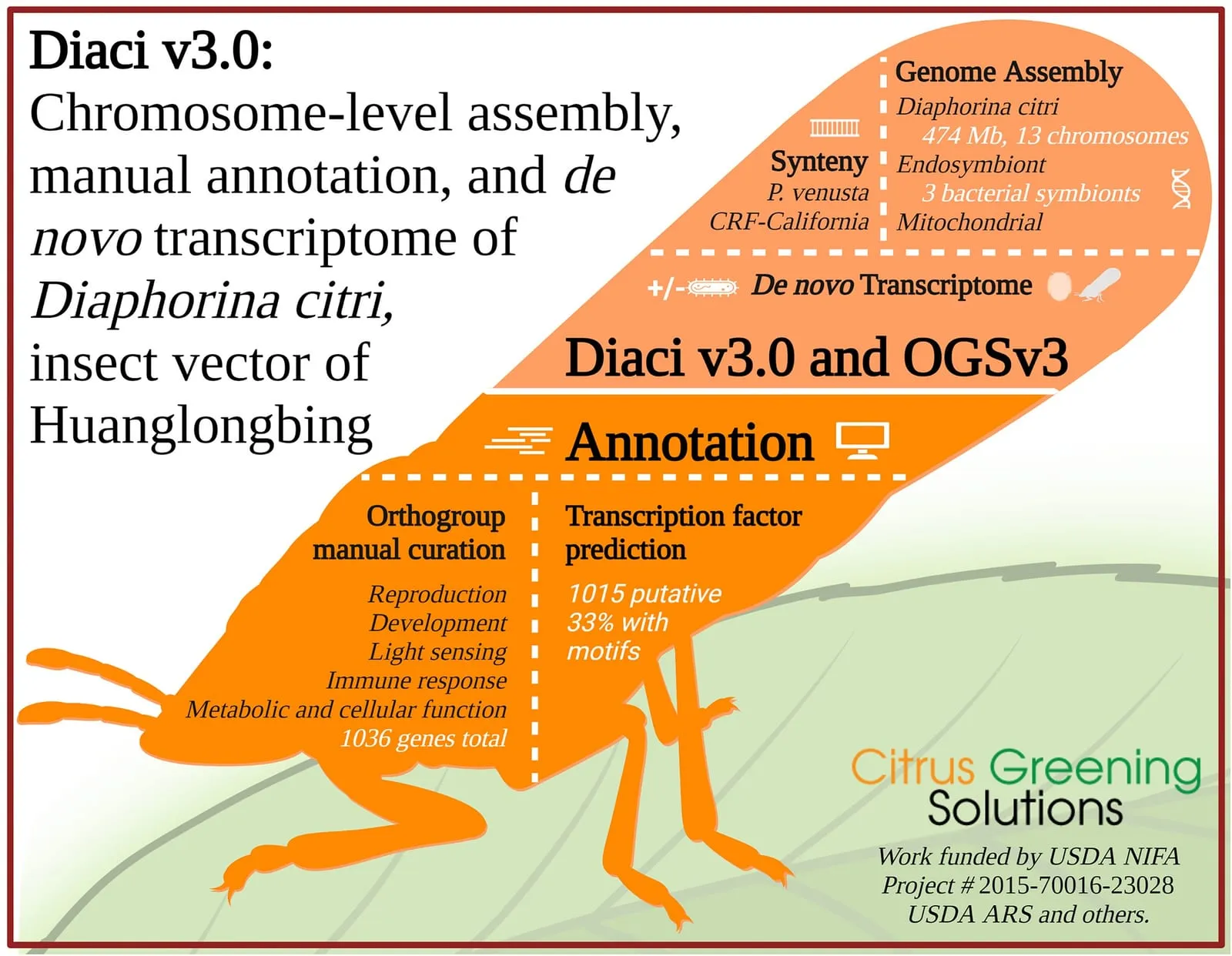
Candidatus Liberibacter asiaticus
Devastating bacterial disease vectored by the Asian citrus psyllid. Once infected, trees decline progressively over several years and there is no cure. Has destroyed commercial citrus across Florida and threatens production worldwide.
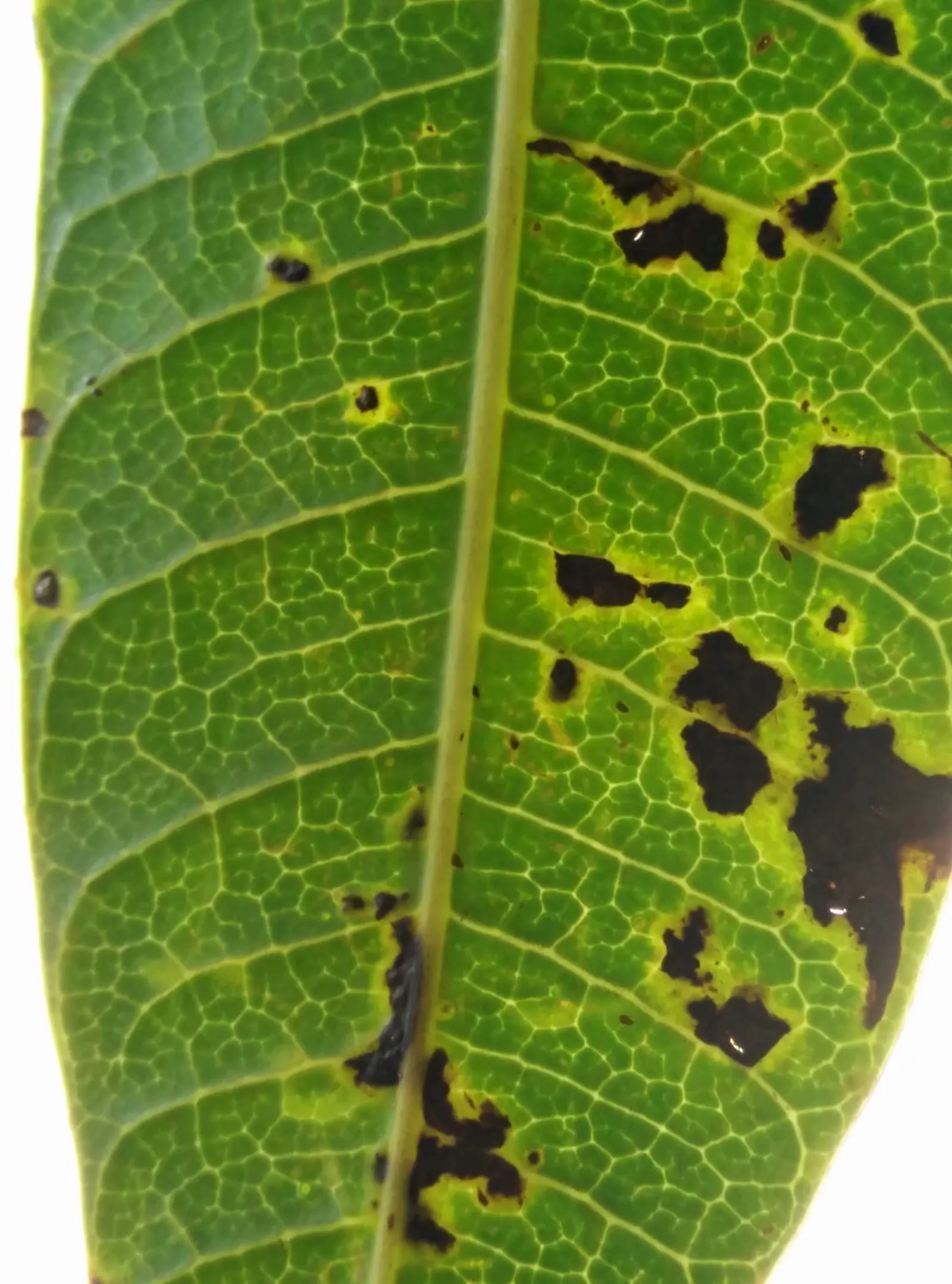
Xanthomonas citri
Bacterial disease producing raised corky lesions on leaves, twigs, and fruit. Spread by wind-driven rain and contaminated tools. Quarantine-regulated in many areas.
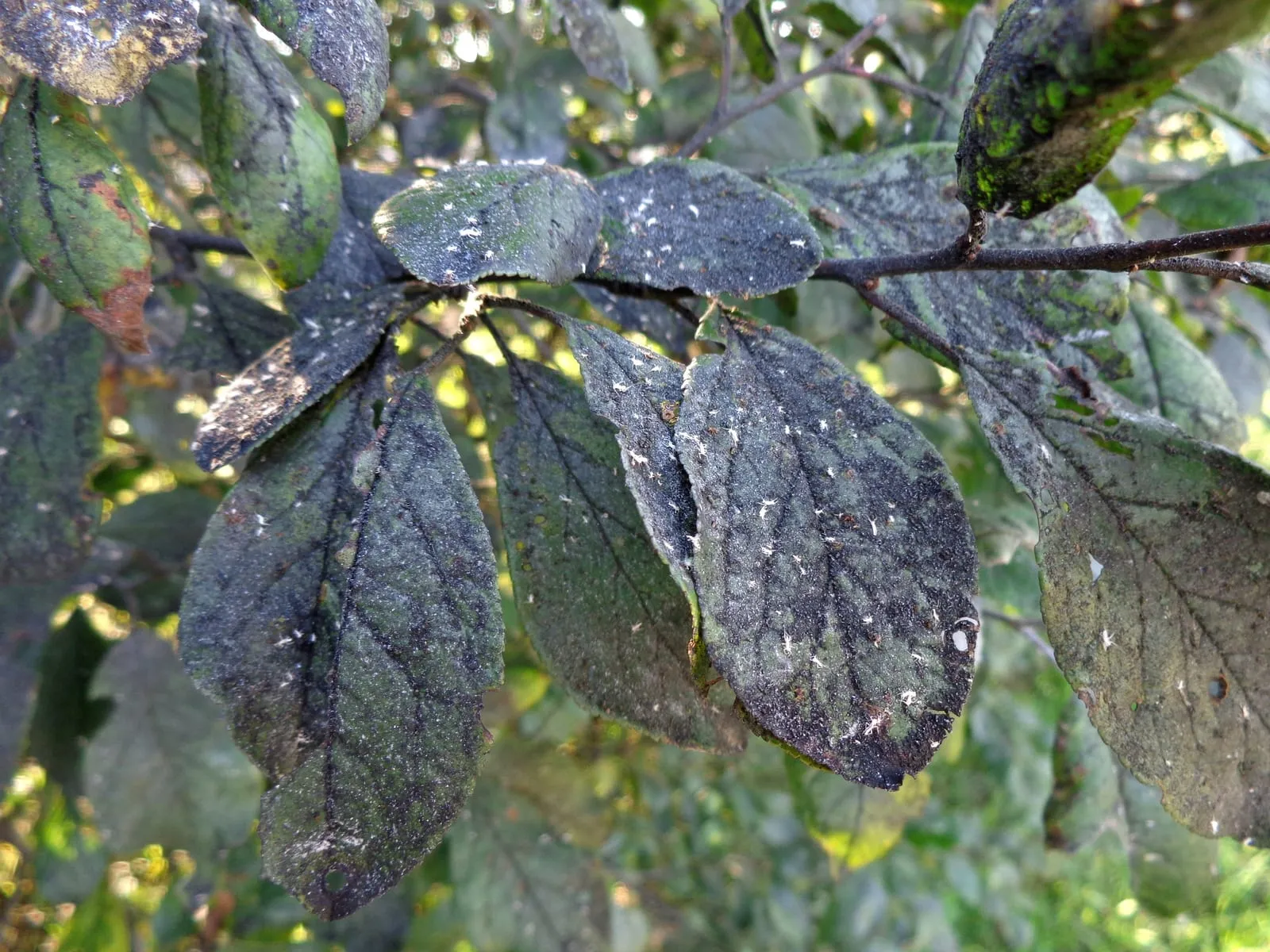
Capnodium spp.
Black fungal coating that grows on honeydew secreted by aphids, scale, mealybugs, and whiteflies. Doesn't infect plant tissue directly but blocks photosynthesis and disfigures fruit.
Modified care for zone 9b
Heat stress in summer is the primary management challenge zone 9b adds to an otherwise favorable growing environment. Deep, infrequent irrigation during June through September prevents the shallow root desiccation that weakens trees and makes them more susceptible to secondary disease. Young trees (first two summers) benefit from temporary shade cloth over the west-facing canopy during the hottest weeks.
Citrus greening (HLB), spread by the Asian citrus psyllid, is present across much of zone 9b's geographic footprint. There is no cure; the management strategy is early detection and psyllid suppression through regular scouting and, where warranted, targeted insecticide applications timed to flush growth. Sooty mold, while unsightly, is a secondary problem that follows aphid or soft scale infestations. Controlling the underlying pest eliminates the mold within a few weeks.
In coastal locations within zone 9b, salt-laden wind can cause leaf edge burn and reduce fruit set on the windward side of the canopy. A windbreak planting or positioning trees on a lee side of a structure significantly reduces this pressure.
Frequently asked questions
- Can grapefruit survive a frost in zone 9b?
Established grapefruit trees typically tolerate brief dips to 25 to 28°F without significant wood damage, but developing fruit on the tree can be damaged at 28°F or below if temperatures hold for more than a few hours. Young trees in their first two winters warrant frost cloth or overhead irrigation protection when hard freezes are forecast.
- Which grapefruit variety performs best in zone 9b?
Ruby Red is the most widely planted and generally delivers the deepest color and richest flavor under zone 9b heat accumulation. Marsh is a reliable white-fleshed option with excellent juice volume. Oroblanco, a pomelo-grapefruit hybrid, ripens earlier and handles slightly cooler microclimates within the zone.
- How long does it take for grapefruit to bear fruit after planting?
Grafted nursery trees typically begin producing a meaningful first crop in year three or four. Fruit quality and yield increase steadily through years five to seven as the canopy fills out. Trees grown from seed take considerably longer and do not reliably reproduce the parent variety's characteristics.
- Is citrus greening (HLB) a serious risk in zone 9b?
Yes. The Asian citrus psyllid, which spreads HLB, is established across most of zone 9b's geographic range. There is no cure for infected trees. The practical response is consistent scouting, prompt removal of symptomatic trees, and psyllid control during the new-flush growth periods when transmission risk is highest.
+−
+−
+−
+−
Grapefruit in adjacent zones
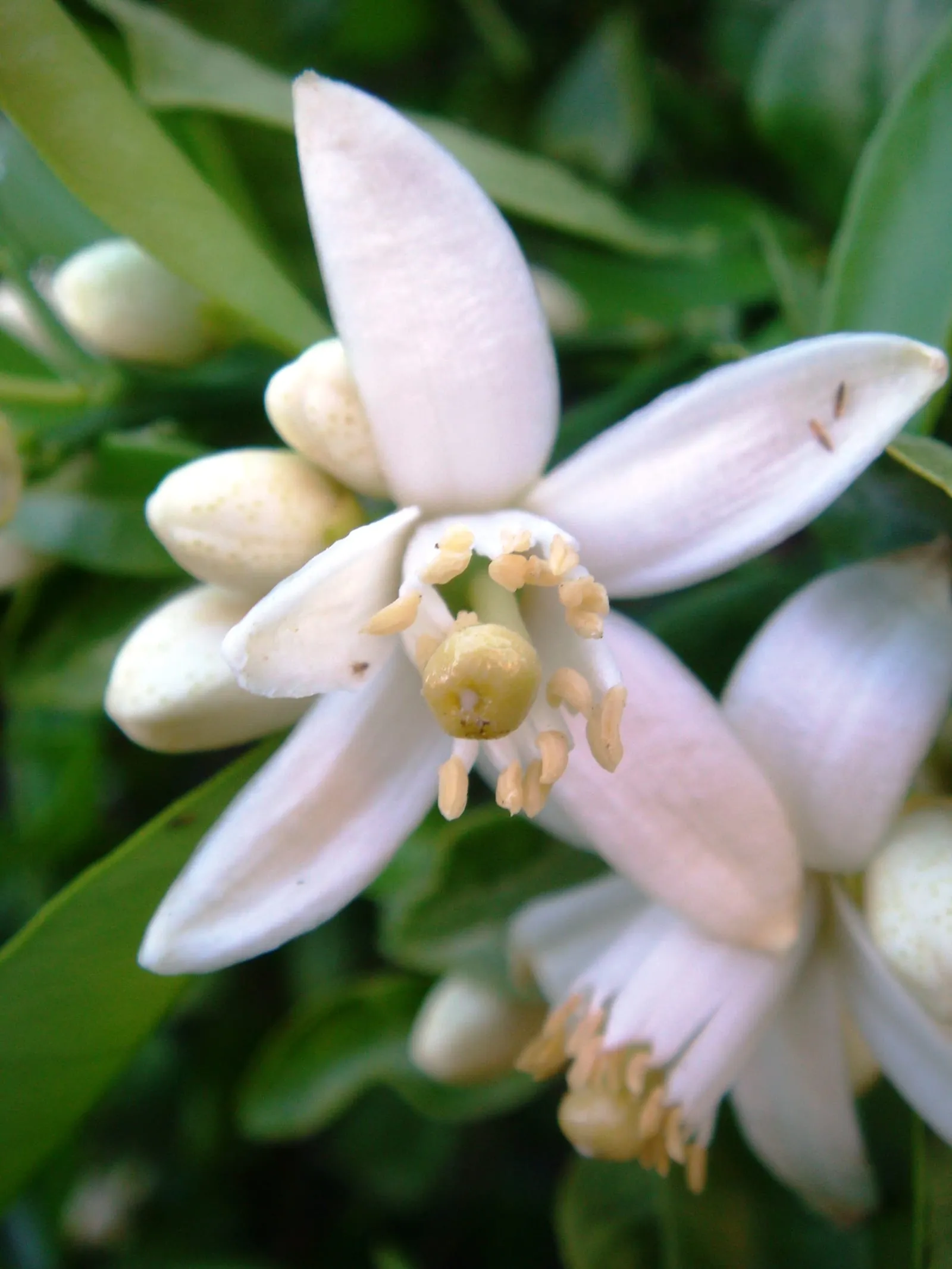
Image: "Citrus-x-paradisi-20080322", by Miwasatoshi, via Wikimedia Commons, licensed under CC-BY Source.

Related