fruit tree in zone 9a
Growing grapefruit in zone 9a
Citrus paradisi
- Zone
- 9a 20°F to 25°F
- Growing season
- 290 days
- Chill needed
- 0 to 100 below 45°F
- Suitable varieties
- 2
- Days to harvest
- 300 to 365
The verdict
Zone 9a is a genuine sweet spot for grapefruit, not a marginal case. Grapefruit requires as few as 0 chill hours and tolerates up to roughly 100, which places zone 9a comfortably within the crop's preferred thermal range. The 290-day growing season accommodates grapefruit's characteristically long fruit development window, which runs from spring bloom to winter or early-spring harvest, often spanning 9 to 12 months on the tree.
The primary cold risk in zone 9a is the occasional dip toward the lower end of the zone's minimum temperature range (20 to 25°F). Brief exposure in that range can damage fruit on the tree and injure young wood, but established trees generally recover. Varieties Ruby Red and Marsh are both well-documented performers in this zone. The more pressing concern here is not cold tolerance but disease pressure, particularly from citrus greening (HLB), which has reshaped production expectations across zone 9a regions in the Southeast.
Recommended varieties for zone 9a
2 cultivars suited to this zone, with disease-resistance and zone-fit annotations.
| Variety | Notes | Zone fit | Disease resistance |
|---|---|---|---|
| Ruby Red fits zone 9a | Pink-blushed flesh with classic balanced sweet-bitter grapefruit profile; the breakfast standard. Holds well on the tree from December through May. | | none noted |
| Marsh fits zone 9a | Pale yellow flesh, seedless, sharper bitterness; the original commercial seedless grapefruit. Cold-tolerant; reliable in zone 9. | | none noted |
Critical timing for zone 9a
Grapefruit blooms in March and April across most of zone 9a, once nighttime temperatures have stabilized above the low 40s. Fruit set follows bloom and requires the full length of the growing season to reach maturity. Ruby Red and Marsh typically become harvest-ready between November and March of the following year, meaning fruit hangs on the tree through the zone's frost window.
Zone 9a's frost risk is concentrated in December through February. Bloom occurs well before that window opens again the following winter, so flowers are rarely threatened. Fruit already on the tree is a different matter: exposure to temperatures below 27 to 28°F for more than a few hours can cause internal damage even when the rind looks intact. Harvest timing before hard-freeze events is worth planning around.
Common challenges in zone 9a
- ▸ Limited stone fruit options due to insufficient chill
- ▸ Hurricane and tropical storm exposure
- ▸ Citrus disease pressure
Disease pressure to watch for
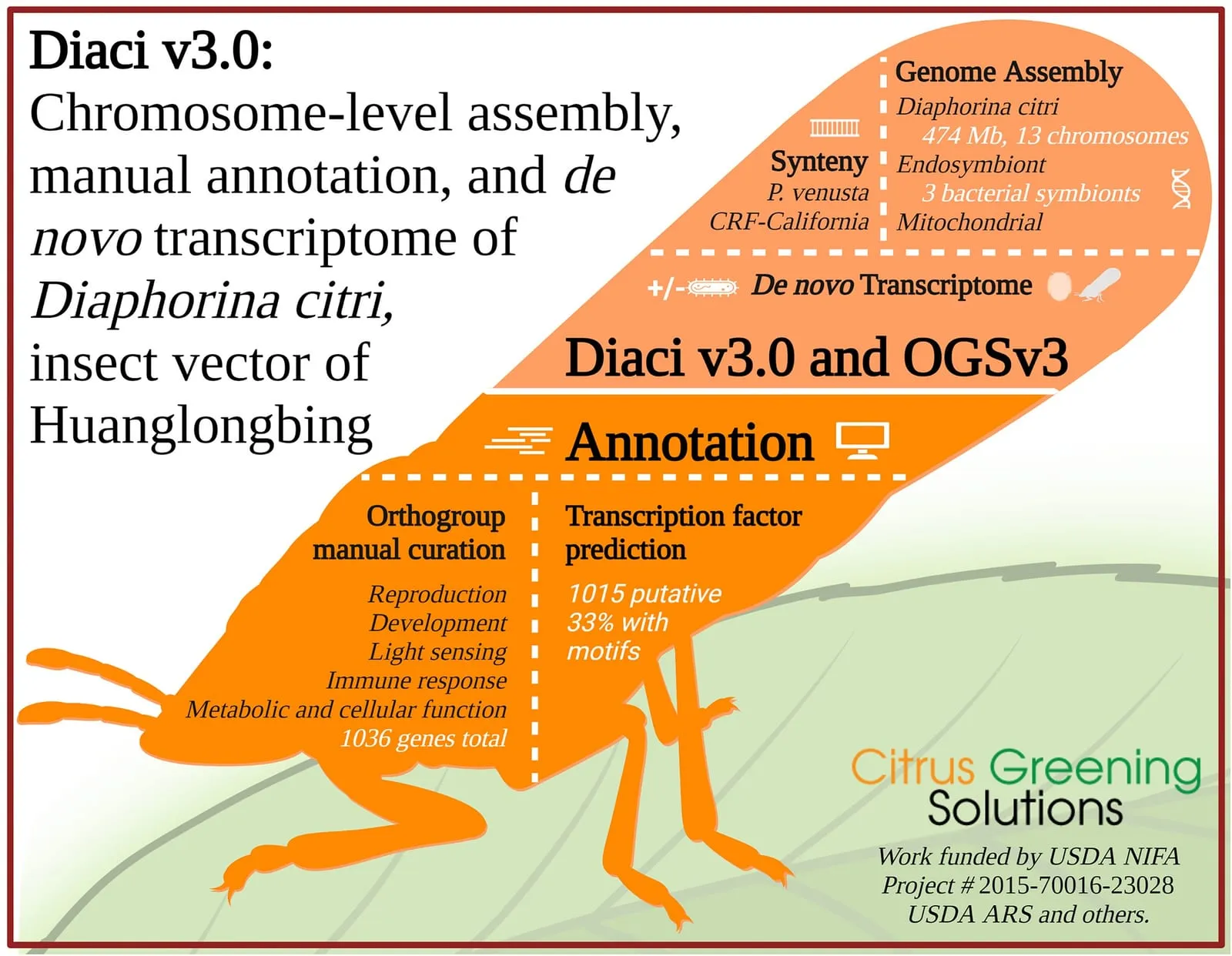
Candidatus Liberibacter asiaticus
Devastating bacterial disease vectored by the Asian citrus psyllid. Once infected, trees decline progressively over several years and there is no cure. Has destroyed commercial citrus across Florida and threatens production worldwide.
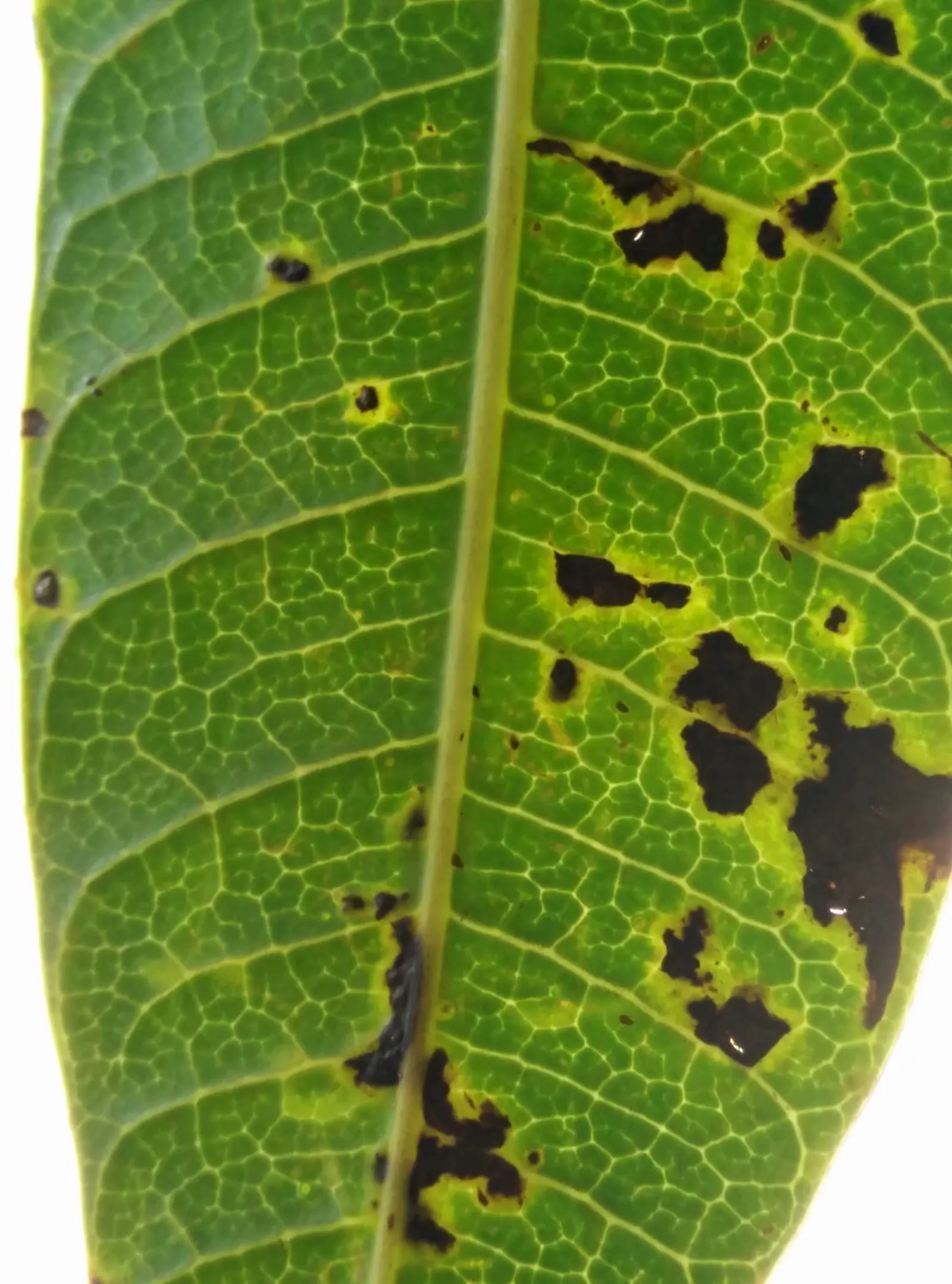
Xanthomonas citri
Bacterial disease producing raised corky lesions on leaves, twigs, and fruit. Spread by wind-driven rain and contaminated tools. Quarantine-regulated in many areas.
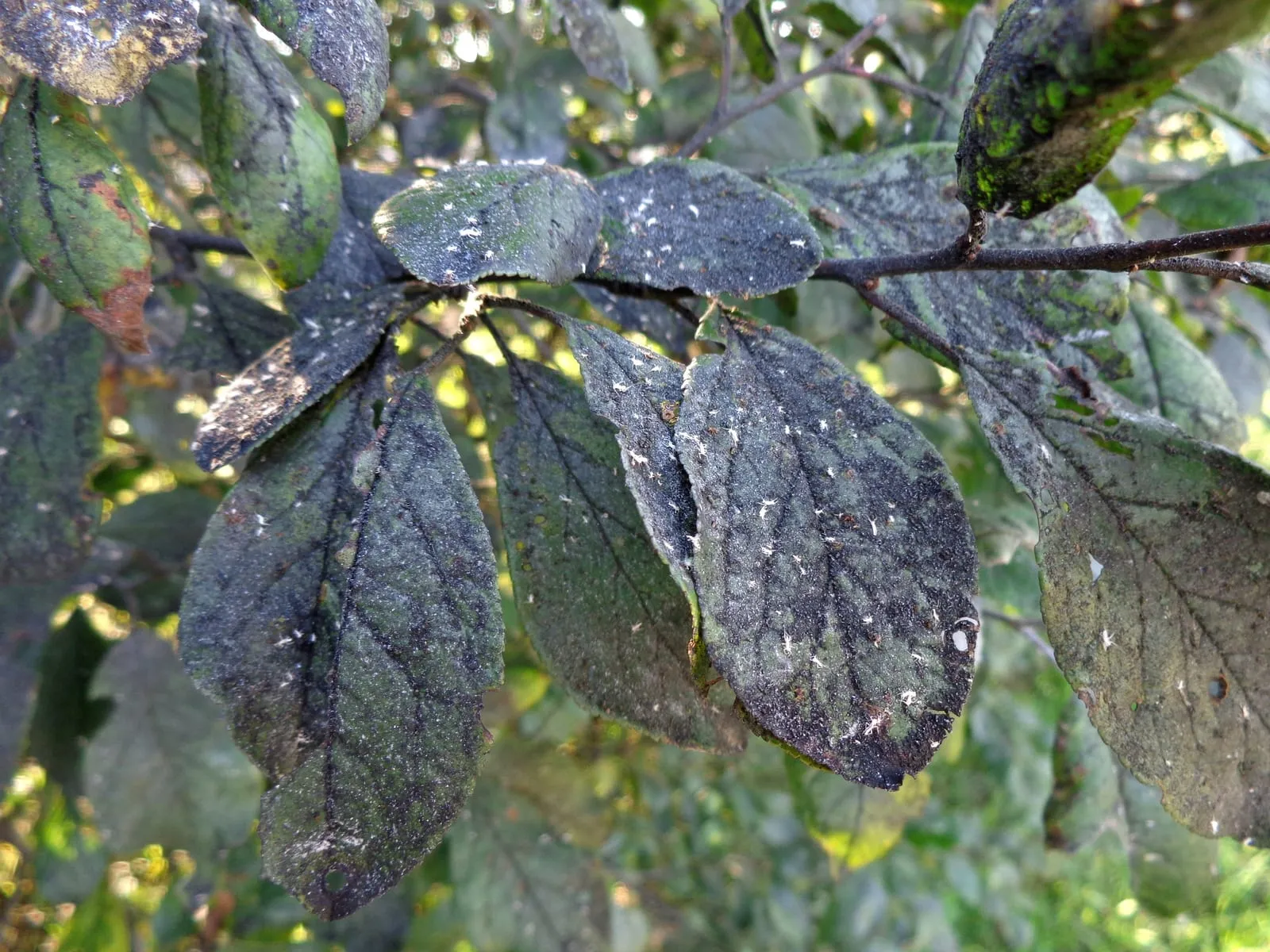
Capnodium spp.
Black fungal coating that grows on honeydew secreted by aphids, scale, mealybugs, and whiteflies. Doesn't infect plant tissue directly but blocks photosynthesis and disfigures fruit.
Modified care for zone 9a
The most consequential adjustment in zone 9a is disease management. Citrus greening (HLB) is present and spreading across zone 9a in the Gulf Coast and Florida regions. There is no cure; managing the Asian citrus psyllid vector through targeted insecticide applications is the primary mitigation. Citrus canker spreads via wind-driven rain and infected pruning tools, so sanitation and copper-based sprays are standard practice. Sooty mold is secondary to scale and aphid pressure, so controlling those insects removes the substrate the mold needs.
For cold protection, young trees (under three years) benefit from trunk wraps and frost cloth when temperatures are forecast below 28°F. Mature trees rarely need intervention above 25°F, but fruit on the tree is more vulnerable than the wood. Irrigation management matters year-round: consistent moisture during the long fruit development period reduces split fruit and supports steady growth without encouraging the flush cycles that attract psyllids.
Frequently asked questions
- Is zone 9a warm enough for grapefruit?
Yes. Grapefruit requires 0 to 100 chill hours, and zone 9a provides the warm winters and long growing season the crop needs. The 290-day season accommodates grapefruit's lengthy fruit development. Cold damage to fruit is possible during hard freezes, but the zone's temperature range is well within grapefruit's tolerance.
- What grapefruit varieties do best in zone 9a?
Ruby Red and Marsh are the most reliable options in zone 9a. Ruby Red is prized for its pink flesh and lower acidity. Marsh is a white-fleshed variety with fewer seeds. Both are well-adapted to the zone's heat, humidity, and moderate winter temperatures.
- How serious is citrus greening (HLB) in zone 9a?
HLB is a significant concern across much of zone 9a, particularly in Florida and Gulf Coast areas. The disease, spread by the Asian citrus psyllid, has no cure. Controlling the psyllid vector through monitoring and targeted sprays is the only management strategy currently available to home growers.
- When does grapefruit ripen in zone 9a?
Fruit from a spring bloom ripens between November and March of the following year. Ruby Red and Marsh can hold on the tree for several months after reaching maturity, which extends the harvest window. Cold snaps during the frost season (December through February) can damage fruit still on the tree.
+−
+−
+−
+−
Grapefruit in adjacent zones
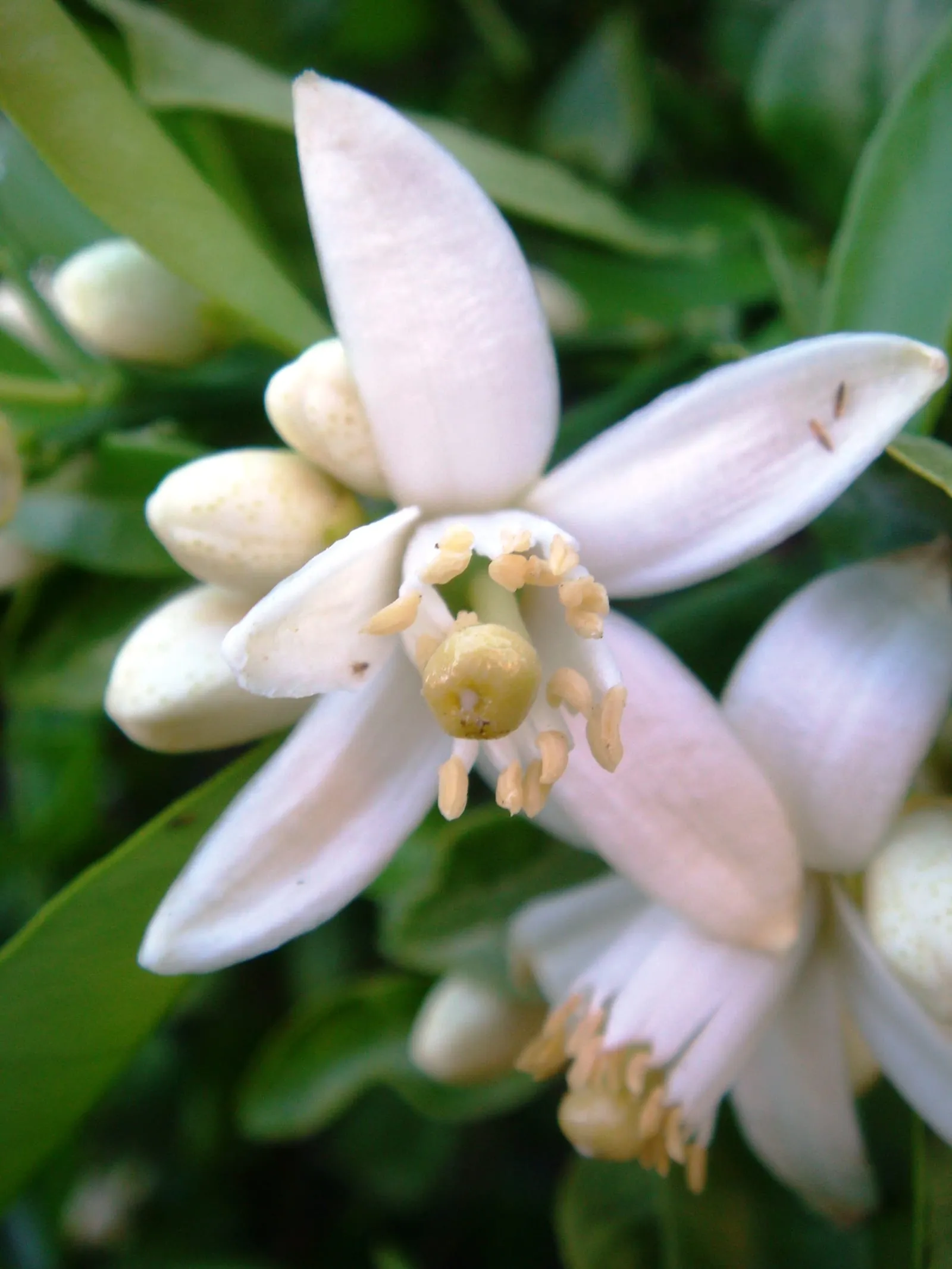
Image: "Citrus-x-paradisi-20080322", by Miwasatoshi, via Wikimedia Commons, licensed under CC-BY Source.

Related