fruit tree in zone 10b
Growing grapefruit in zone 10b
Citrus paradisi
- Zone
- 10b 35°F to 40°F
- Growing season
- 365 days
- Chill needed
- 0 to 100 below 45°F
- Suitable varieties
- 3
- Days to harvest
- 300 to 365
The verdict
Zone 10b is one of the strongest climates for grapefruit in the continental United States. With minimum temperatures ranging from 35°F to 40°F, hard freezes are rare and brief, and grapefruit's chill-hour requirement of 0 to 100 hours is met without effort. This is not a marginal zone for the crop. It is, in fact, the core commercial production climate, matching conditions in the Florida citrus belt and the lower Rio Grande Valley.
The year-round growing season of 365 days allows grapefruit to complete its full annual cycle without interruption. Freeze events that damage bloom or developing fruit in cooler zones are largely absent here. The primary limiting factors in zone 10b are not cold but disease pressure, particularly citrus greening, and in coastal settings, salt accumulation in the soil profile. For growers who can manage those constraints, zone 10b is a reliable sweet spot for grapefruit production.
Recommended varieties for zone 10b
3 cultivars suited to this zone, with disease-resistance and zone-fit annotations.
| Variety | Notes | Zone fit | Disease resistance |
|---|---|---|---|
| Ruby Red fits zone 10b | Pink-blushed flesh with classic balanced sweet-bitter grapefruit profile; the breakfast standard. Holds well on the tree from December through May. | | none noted |
| Marsh fits zone 10b | Pale yellow flesh, seedless, sharper bitterness; the original commercial seedless grapefruit. Cold-tolerant; reliable in zone 9. | | none noted |
| Oroblanco fits zone 10b | Pomelo cross with low bitterness, almost a sweet-grapefruit hybrid; an easier introduction for newcomers. Larger fruit, thicker rind. | | none noted |
Critical timing for zone 10b
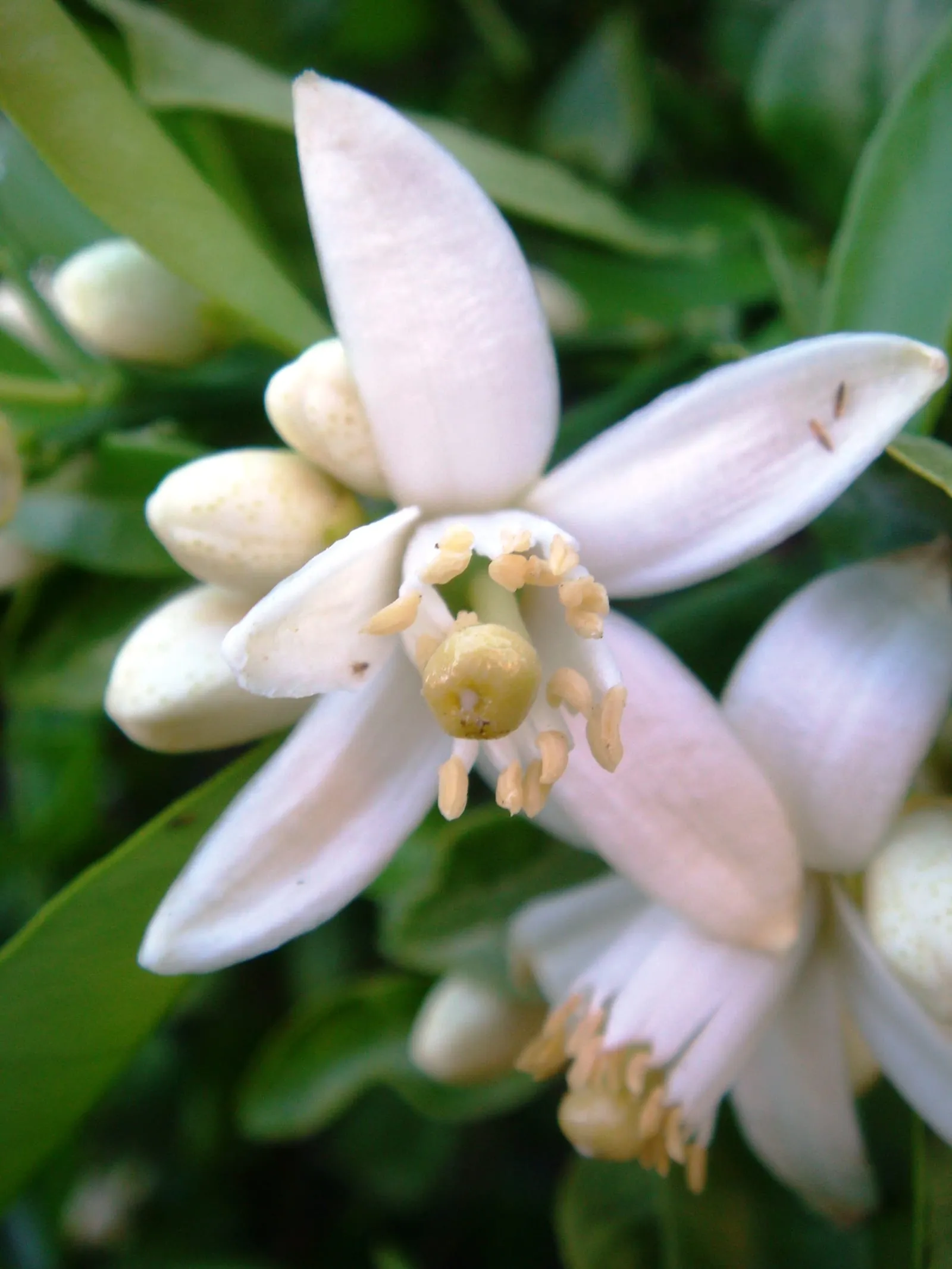
Grapefruit in zone 10b typically blooms from late February through April, with peak bloom in March. Late-frost risk is effectively zero by that point in this zone, so bloom timing is not a significant concern. The fragrant white flowers set fruit reliably.
Fruit matures slowly after bloom, a characteristic of grapefruit relative to other citrus. Depending on variety, harvest generally runs from October through the following late winter or early spring. Ruby Red and Marsh typically reach peak sweetness between November and February. Oroblanco, which has pummelo parentage, often matures slightly earlier. A practical advantage of zone 10b is that ripe fruit can hang on the tree for several months without significant quality loss, allowing a flexible harvest window rather than a compressed one.
Common challenges in zone 10b
- ▸ No winter chill
- ▸ Tropical pest and disease pressure
- ▸ Saltwater intrusion in coastal soils
Disease pressure to watch for
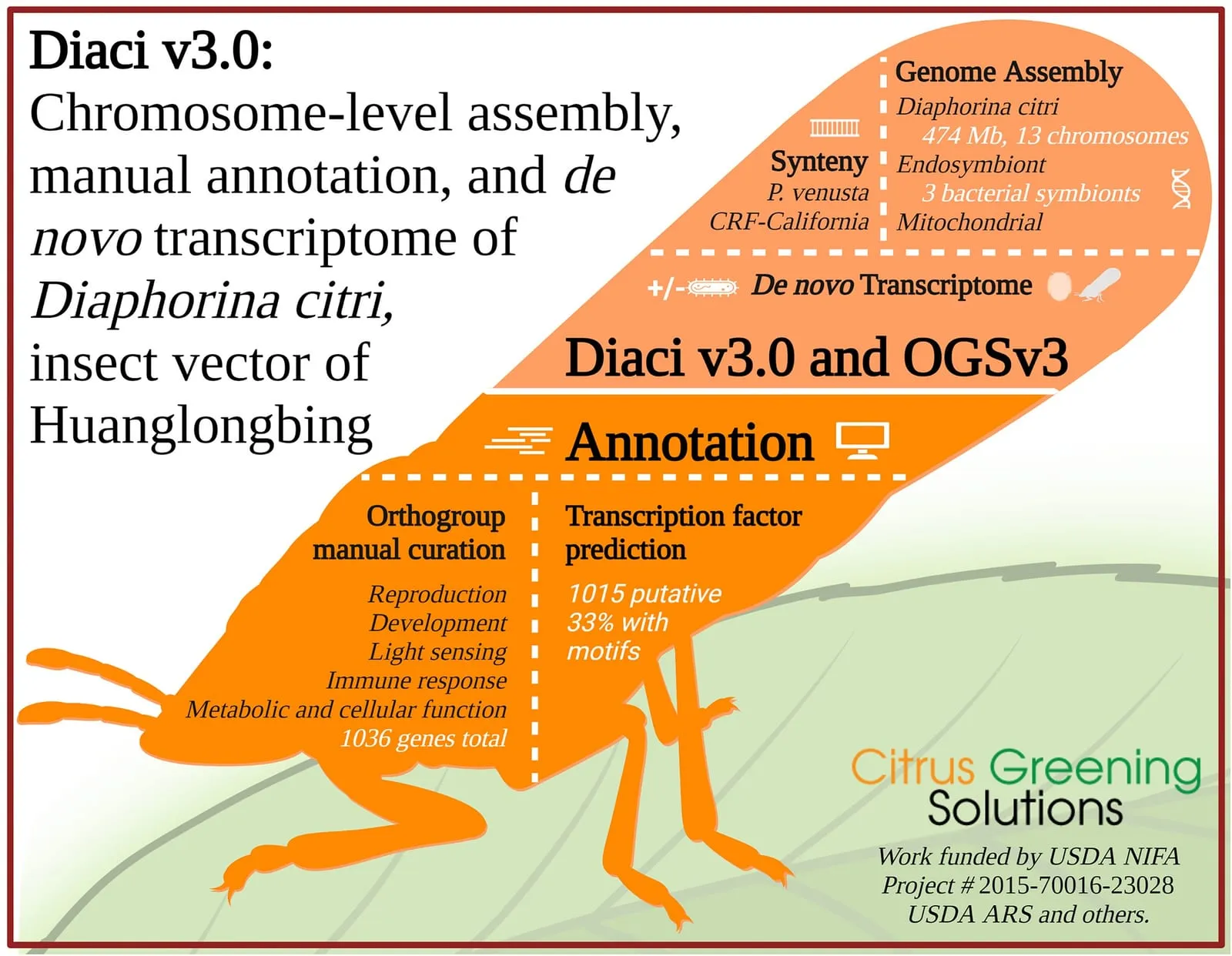
Candidatus Liberibacter asiaticus
Devastating bacterial disease vectored by the Asian citrus psyllid. Once infected, trees decline progressively over several years and there is no cure. Has destroyed commercial citrus across Florida and threatens production worldwide.
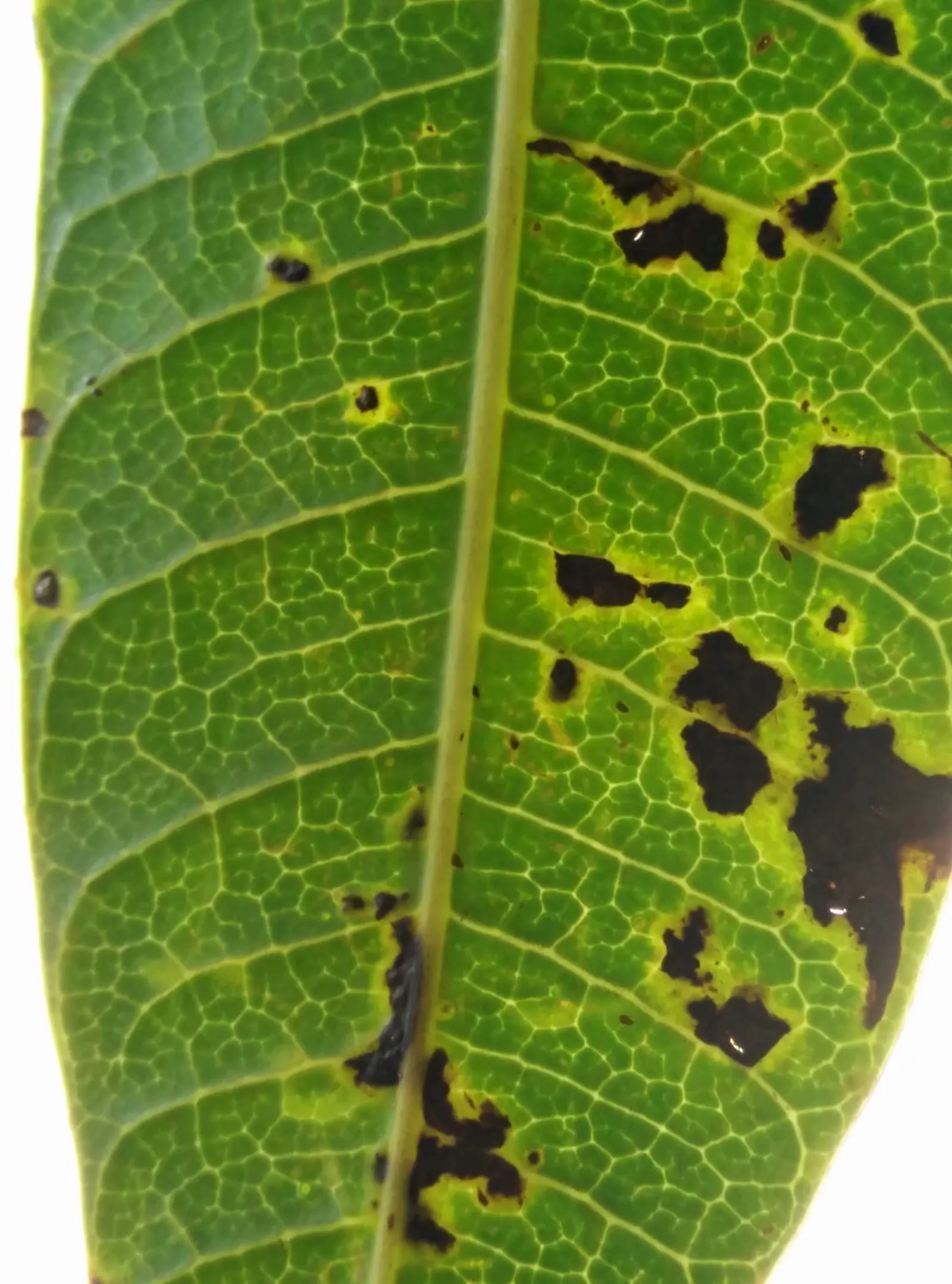
Xanthomonas citri
Bacterial disease producing raised corky lesions on leaves, twigs, and fruit. Spread by wind-driven rain and contaminated tools. Quarantine-regulated in many areas.
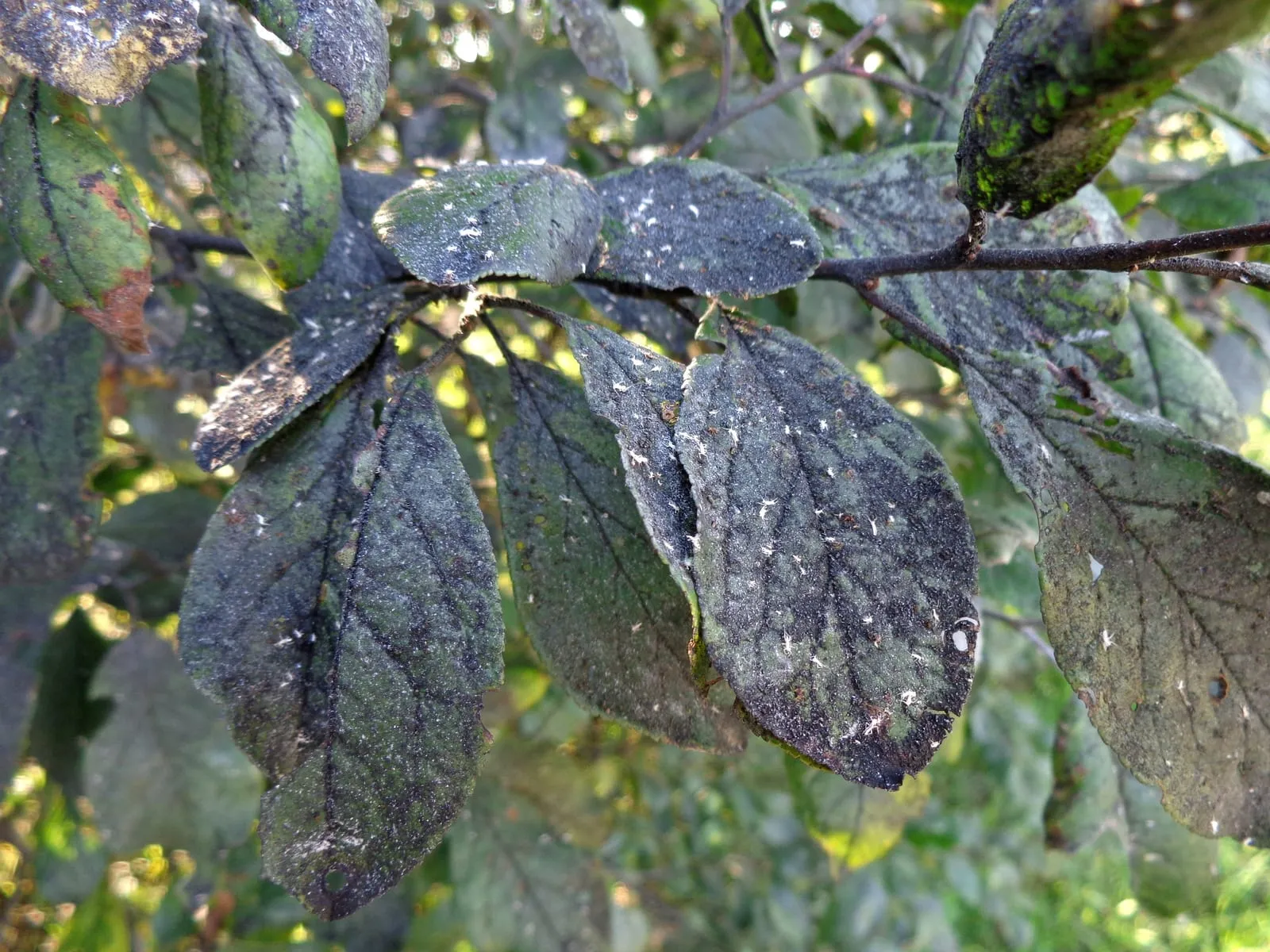
Capnodium spp.
Black fungal coating that grows on honeydew secreted by aphids, scale, mealybugs, and whiteflies. Doesn't infect plant tissue directly but blocks photosynthesis and disfigures fruit.
Modified care for zone 10b
The main management concerns in zone 10b shift away from cold protection and toward pest and disease vigilance. Citrus greening (HLB, caused by Candidatus Liberibacter asiaticus) is the most consequential disease threat in this zone, spread by the Asian citrus psyllid. There is no cure; management focuses on controlling psyllid populations with approved insecticides and removing symptomatic trees promptly to slow spread.
Citrus canker, a bacterial disease that spreads through wind-driven rain and contaminated tools, is also endemic in warm humid climates. Copper-based sprays applied preventatively during the rainy season reduce infection rates. Sooty mold, a cosmetic issue, follows whitefly and scale infestations; controlling those insects eliminates the mold's food source.
In coastal locations, saltwater intrusion into the water table can cause root stress and leaf scorch. Mounded planting sites and periodic soil leaching during dry seasons help manage salt accumulation.
Grapefruit in adjacent zones
Image: "Citrus-x-paradisi-20080322", by Miwasatoshi, via Wikimedia Commons, licensed under CC-BY Source.

Related