fruit tree in zone 11a
Growing grapefruit in zone 11a
Citrus paradisi
- Zone
- 11a 40°F to 45°F
- Growing season
- 365 days
- Chill needed
- 0 to 100 below 45°F
- Suitable varieties
- 3
- Days to harvest
- 300 to 365
The verdict
Grapefruit is well matched to zone 11a. With minimum winter temperatures staying between 40 and 45°F, freeze damage to mature trees is essentially a non-issue, and the crop's chill-hour requirement of 0 to 100 hours is easily met even in the warmest winters. Zone 11a is a genuine sweet spot rather than a marginal zone: grapefruit originated in subtropical to tropical conditions and performs best where the growing season runs the full 365 days. Fruit size, juice content, and internal color development all improve with sustained warmth through the maturation window. Ruby Red, Marsh, and Oroblanco are reliable choices here, with Ruby Red tending to develop the deepest color and the highest brix in consistently warm climates. The primary limiting factors in zone 11a are disease pressure and irrigation, not cold hardiness.
Recommended varieties for zone 11a
3 cultivars suited to this zone, with disease-resistance and zone-fit annotations.
| Variety | Notes | Zone fit | Disease resistance |
|---|---|---|---|
| Ruby Red fits zone 11a | Pink-blushed flesh with classic balanced sweet-bitter grapefruit profile; the breakfast standard. Holds well on the tree from December through May. | | none noted |
| Marsh fits zone 11a | Pale yellow flesh, seedless, sharper bitterness; the original commercial seedless grapefruit. Cold-tolerant; reliable in zone 9. | | none noted |
| Oroblanco fits zone 11a | Pomelo cross with low bitterness, almost a sweet-grapefruit hybrid; an easier introduction for newcomers. Larger fruit, thicker rind. | | none noted |
Critical timing for zone 11a
Grapefruit in zone 11a blooms primarily in late winter to early spring, typically February through April, with no meaningful frost risk intersecting the bloom window. Fruit set follows quickly, and the long warm season supports an extended maturation period. Marsh and Ruby Red cultivars typically reach harvest quality between November and April of the following year, with peak flavor developing after several months on the tree. Oroblanco, a hybrid with lower acid levels, often ripens slightly earlier. Because zone 11a lacks a hard dormancy period, trees may carry fruit from two consecutive cycles simultaneously, which is normal and does not indicate a problem. Thinning is rarely necessary for grapefruit in this zone.
Common challenges in zone 11a
- ▸ No temperate fruit potential
- ▸ Year-round pest pressure
- ▸ Specialized crop selection
Disease pressure to watch for
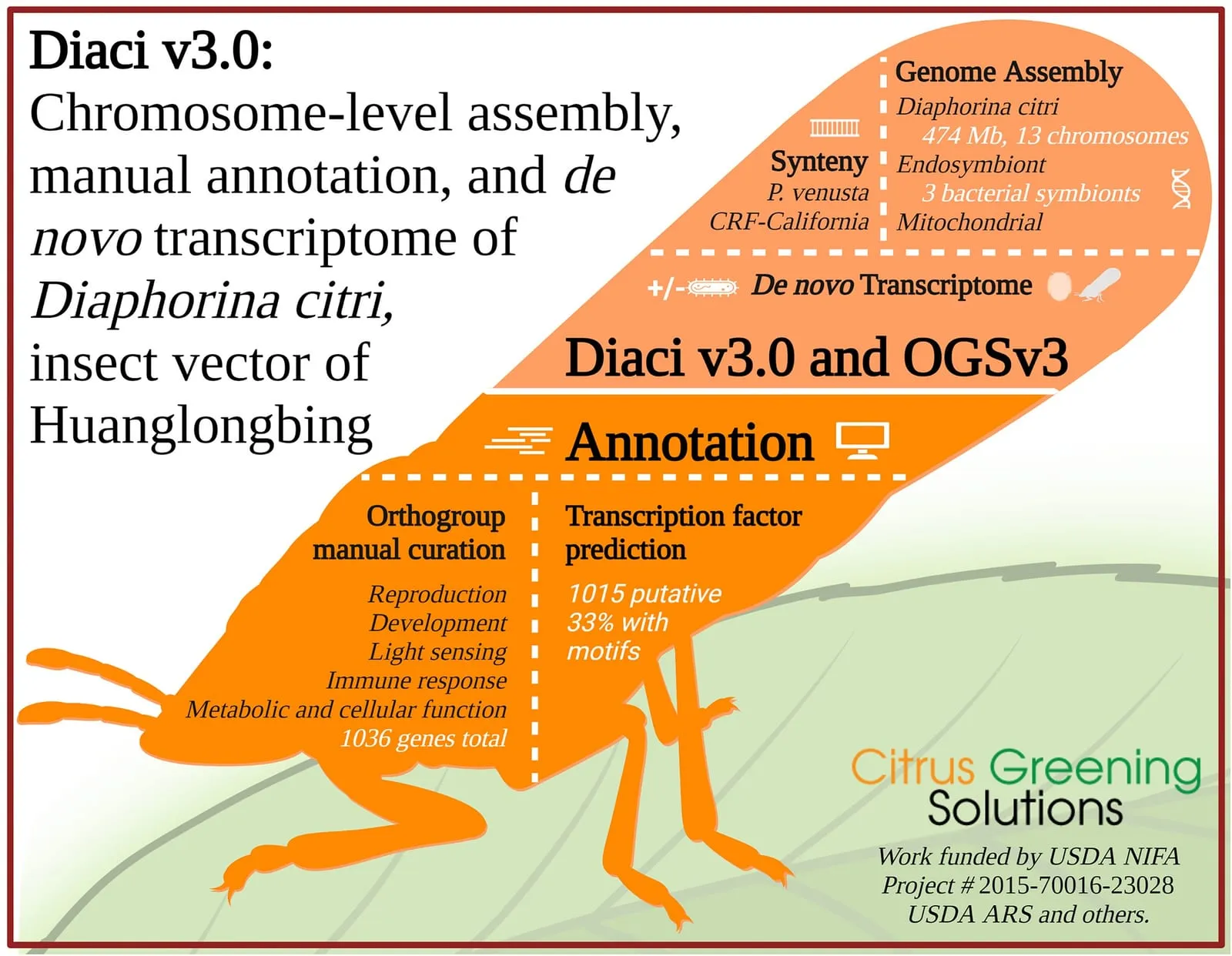
Candidatus Liberibacter asiaticus
Devastating bacterial disease vectored by the Asian citrus psyllid. Once infected, trees decline progressively over several years and there is no cure. Has destroyed commercial citrus across Florida and threatens production worldwide.
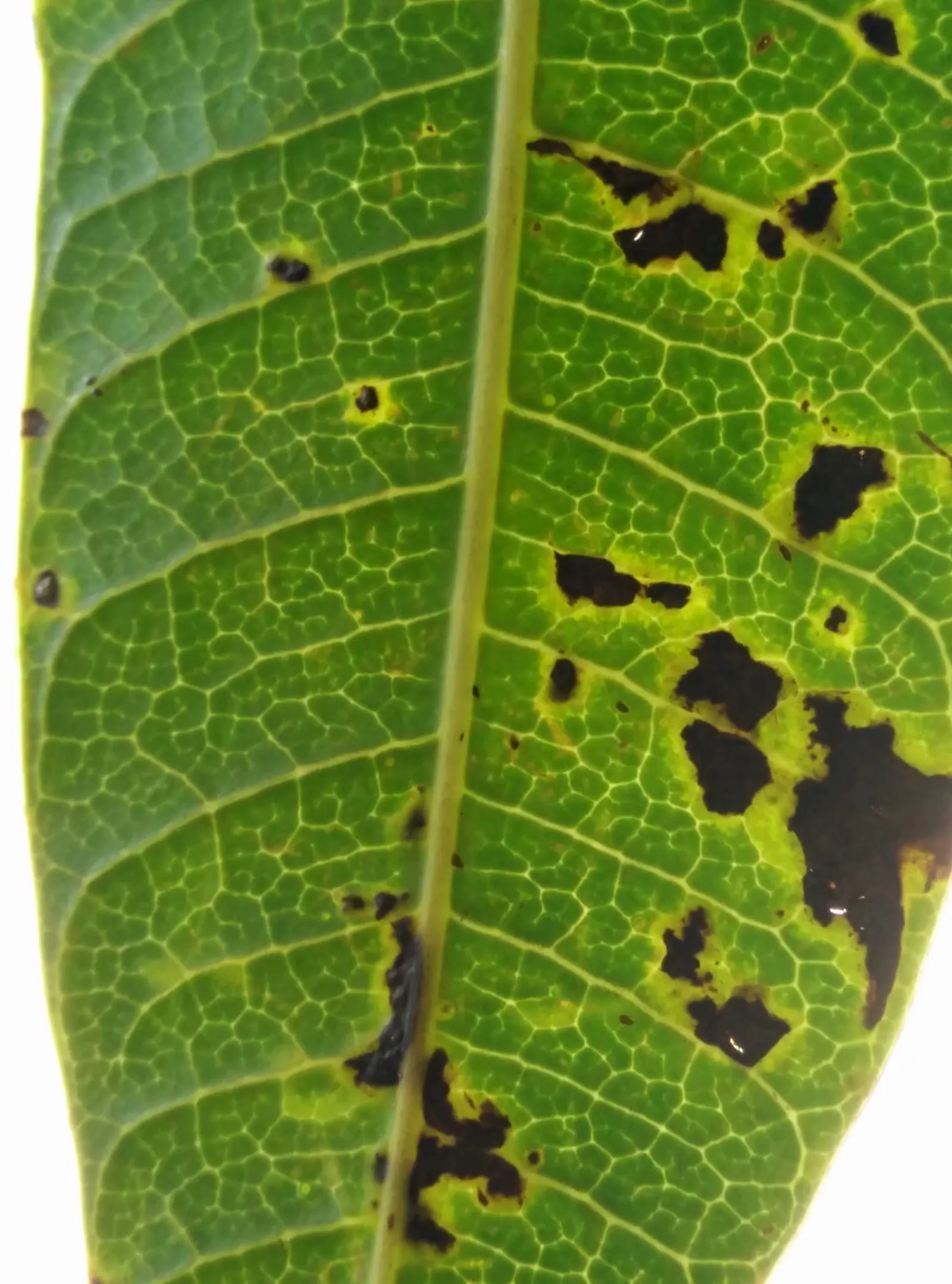
Xanthomonas citri
Bacterial disease producing raised corky lesions on leaves, twigs, and fruit. Spread by wind-driven rain and contaminated tools. Quarantine-regulated in many areas.
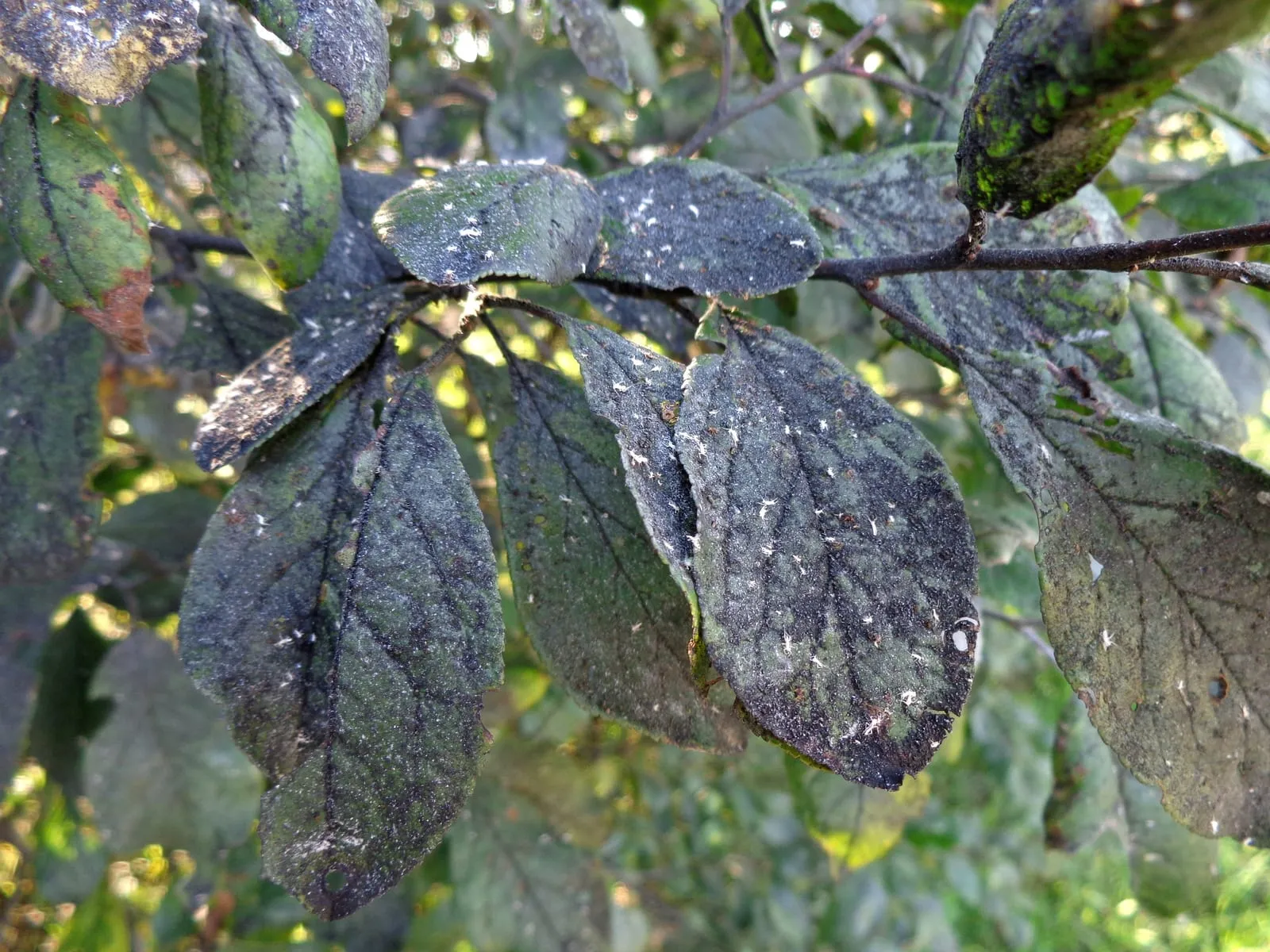
Capnodium spp.
Black fungal coating that grows on honeydew secreted by aphids, scale, mealybugs, and whiteflies. Doesn't infect plant tissue directly but blocks photosynthesis and disfigures fruit.
Modified care for zone 11a
The absence of frost risk shifts the management focus almost entirely toward disease and pest control. Citrus Greening (HLB), spread by the Asian citrus psyllid, is the most serious threat in warm citrus-growing regions; there is no cure, so the emphasis is on psyllid monitoring, reflective mulches to deter the vector, and sourcing certified disease-free nursery stock. Citrus Canker and Sooty Mold require regular copper-based spray programs and adequate canopy airflow through annual pruning. Year-round pest pressure means that the spray calendar does not have a true off-season. Irrigation should be consistent; grapefruit in zone 11a benefits from deep, infrequent watering rather than frequent shallow cycles. Nitrogen applications should be split across three to four intervals rather than applied in a single spring dose, since trees continue active growth through what would be the dormant season elsewhere.
Frequently asked questions
- Can grapefruit be grown year-round in zone 11a?
Yes. Zone 11a's 365-day growing season and frost-free winters make it one of the most suitable climates for grapefruit in North America. Trees remain in active growth through all seasons, and fruit can remain on the tree for several months after reaching maturity without significant quality loss.
- What is the biggest disease risk for grapefruit in zone 11a?
Citrus Greening (HLB) is the most serious concern. There is no effective cure once a tree is infected. Controlling the Asian citrus psyllid through monitoring and targeted sprays, and starting only with certified disease-free nursery stock, are the primary management tools.
- Do grapefruit trees in zone 11a need winter protection?
Not typically. With minimum temperatures of 40 to 45°F, cold damage to established grapefruit trees is not a realistic risk in zone 11a. Young trees in their first season may benefit from a frost cloth if an unusually cool night is forecast, but this is rarely necessary.
- Which grapefruit variety does best in zone 11a?
Ruby Red is generally the most reliable for color and flavor development in sustained heat. Marsh performs consistently across a wide range of conditions and produces reliable yields. Oroblanco ripens slightly earlier and offers lower acidity, which some growers prefer.
+−
+−
+−
+−
Grapefruit in adjacent zones
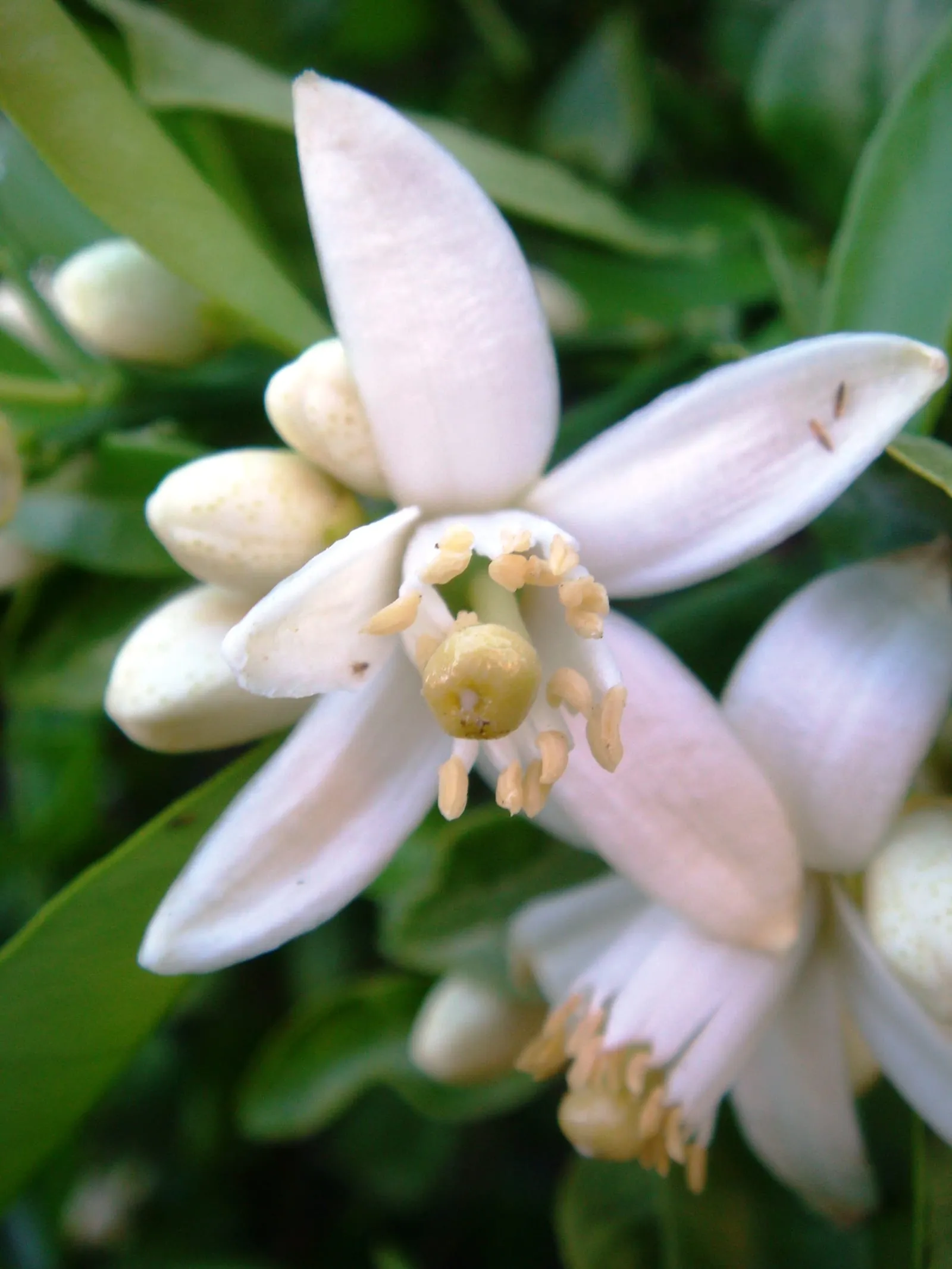
Image: "Citrus-x-paradisi-20080322", by Miwasatoshi, via Wikimedia Commons, licensed under CC-BY Source.

Related