USDA hardiness zone
Zone 11a
Tropical zone limited to genuinely tropical fruit crops.
On the zone ramp
- Lowest winter temp
- 40°F to 45°F USDA boundary
- Growing season
- 365 days
- Avg chill hours
- 0 below 45°F
- Hardiness rank
- 21 of 26 warm side
- Compatible crops
- 15
- Sample region
- Lower Florida Keys
Growing in zone 11a
Zone 11a covers the Lower Florida Keys and the lower elevations of Hawaii, where winter temperatures stay between 40 and 45°F at their coldest. Frost does not occur. The growing season runs all 365 days of the year, which sounds like an unqualified advantage, but the absence of cold is precisely the constraint that defines gardening here.
Temperate fruit crops need a period of cold dormancy to bloom and set fruit reliably. Without chill-hour accumulation, apples, pears, peaches, cherries, and most stone fruits are simply not viable. The compatible crop list shifts entirely to tropical and subtropical species: mangoes, avocados, papayas, bananas, carambolas, breadfruit, lychees, and similar crops that evolved in permanently warm climates.
Year-round warmth also means year-round pest pressure. Insects, fungal pathogens, and weeds that would otherwise be knocked back by frost remain active continuously. Successful gardening in zone 11a requires ongoing monitoring and integrated pest management rather than the seasonal resets that colder zones provide. The learning curve is real, but the range of tropical crops available to growers here is genuinely unlike anywhere else in the continental United States.
Frost timing in zone 11a
Frost does not occur in zone 11a. The coldest winter nights drop into the 40 to 45°F range, which is well above freezing. Last spring frost and first fall frost dates are not relevant planning tools for growers here.
The meaningful constraint is chill-hour accumulation. Most temperate fruits require between 400 and 1,200 hours below 45°F to break dormancy and flower reliably. Zone 11a accumulates essentially zero chill hours across a typical year. Even the lowest-chill apple varieties (some rated below 200 hours) will not perform here. Ultra-low-chill peach selections exist but still require cold exposure that this zone cannot provide.
For crops that do belong in zone 11a, planting timing is governed by wet and dry seasons, heat stress thresholds, and in the Florida Keys, hurricane season. Hawaii's lower elevations see two loose seasons: a slightly cooler, drier period from October through February and a hotter, wetter stretch from May through September. Those rhythms, rather than frost windows, drive planting decisions.
Common challenges
- ▸ No temperate fruit potential
- ▸ Year-round pest pressure
- ▸ Specialized crop selection
Best practices
Build the crop list around tropical species from the start. Mangoes, avocados, papayas, lychees, longans, carambolas, and breadfruit are matched to zone 11a conditions in a way that temperate varieties never will be, regardless of microclimate adjustments or low-chill variety selection. Starting with the right species eliminates a common and costly mistake.
Monitor for pests on a continuous schedule rather than a seasonal one. Without a frost cycle to suppress populations, insects and fungal diseases persist year-round and compound across multiple generations. In Hawaii specifically, fruit fly management (Oriental fruit fly and melon fly in particular) is a standing requirement for most fruiting crops, not a periodic concern. The University of Hawaii College of Tropical Agriculture and Human Resources publishes updated IPM guidelines for major tropical crops and is the most reliable local source for zone-specific pest thresholds.
Use the year-round growing window for multiple production cycles. Many tropical crops in zone 11a can yield two or more times per year with proper timing. Succession planting of shorter-season crops such as papayas and bananas distributes harvests across the calendar rather than concentrating them, which also reduces the risk of large losses from a single weather event.
What to grow in zone 11a
15 crops from our database fit zone 11a, grouped by type. Click through for zone-specific variety recommendations.
Tree fruit
12 crops
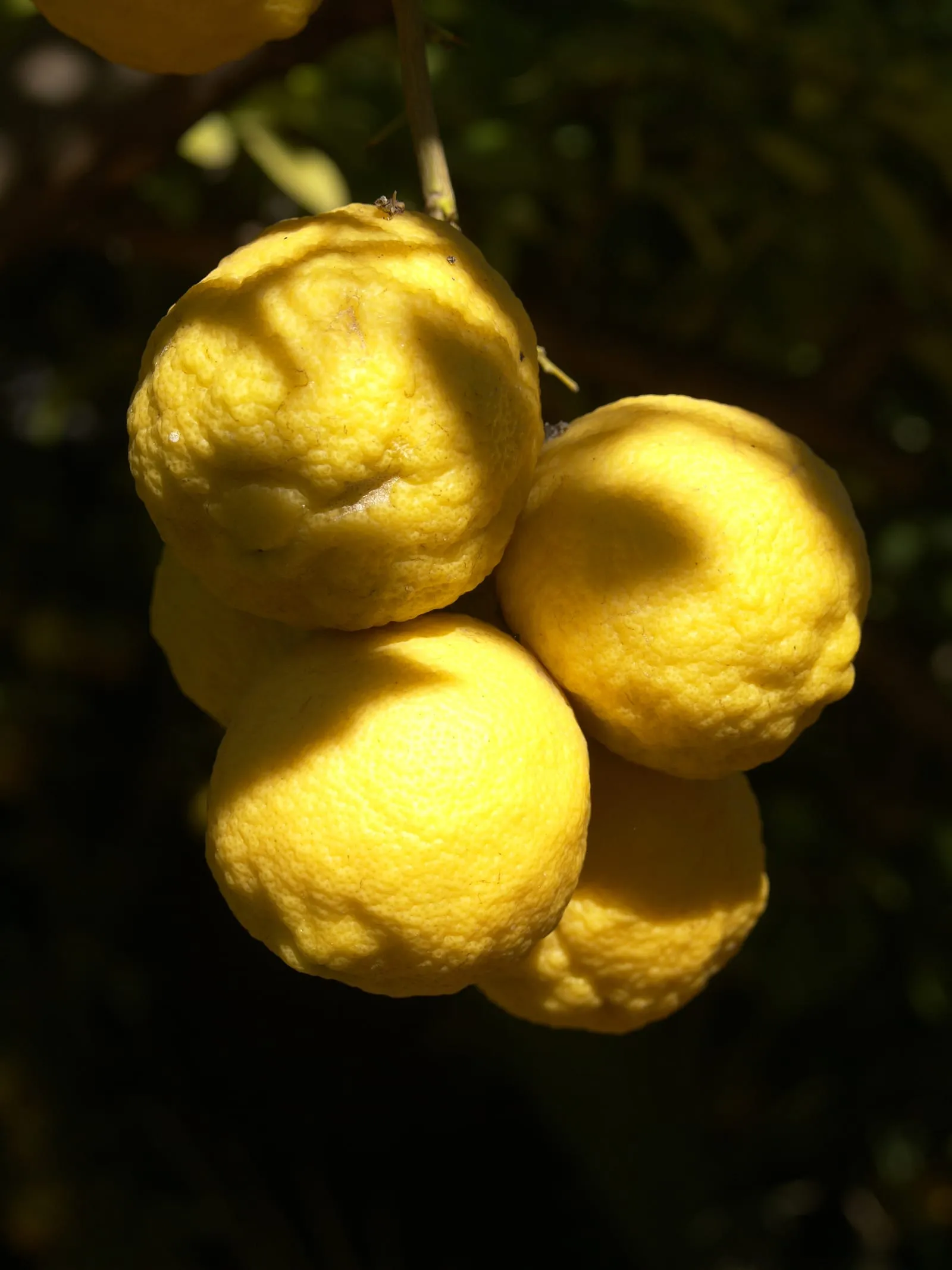 zone 11a
 Lemon
Citrus limon
zones 9a–11b
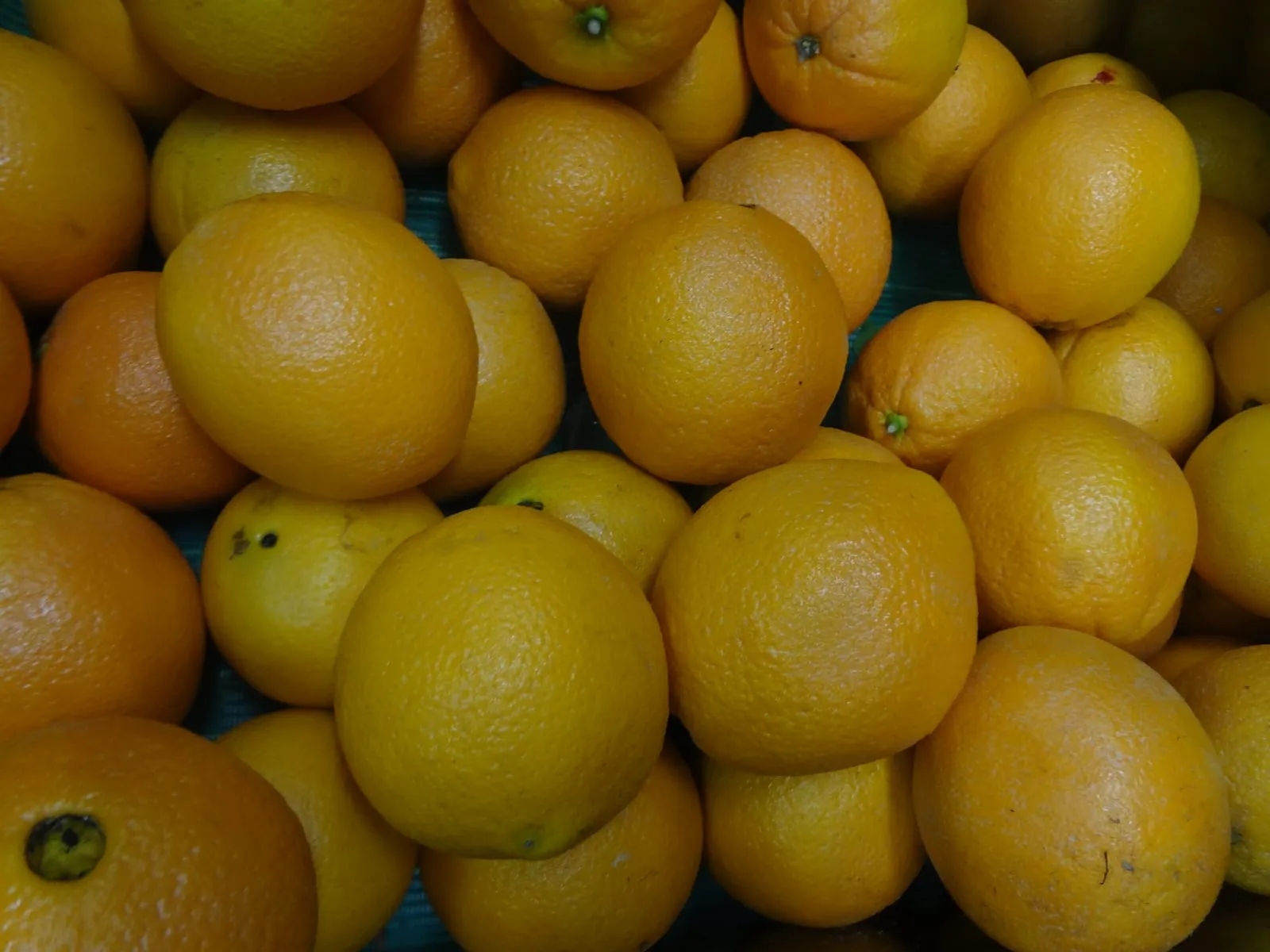 zone 11a
 Orange
Citrus sinensis
zones 9a–11b
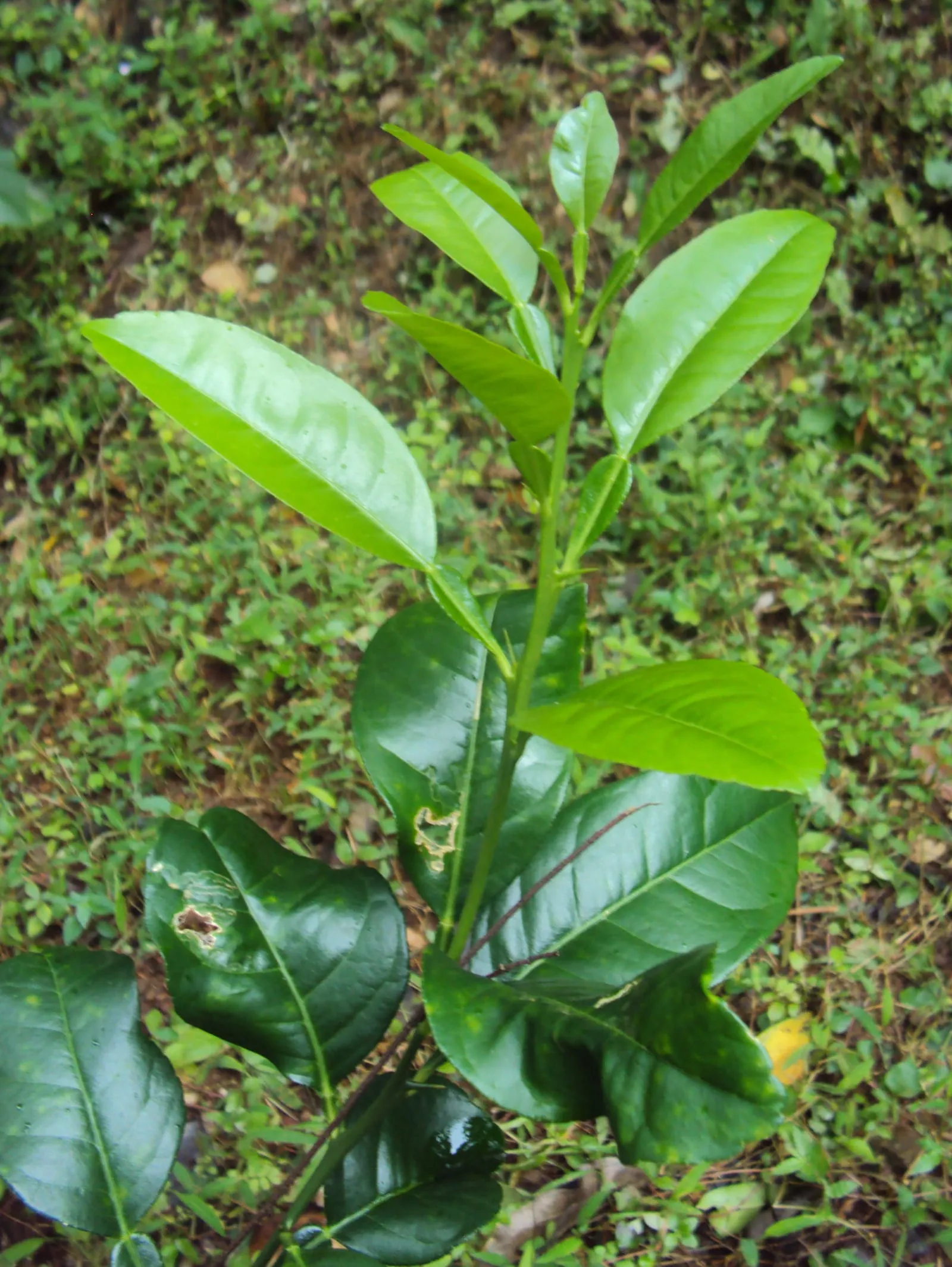 zone 11a
 Lime
Citrus aurantiifolia
zones 9b–11b
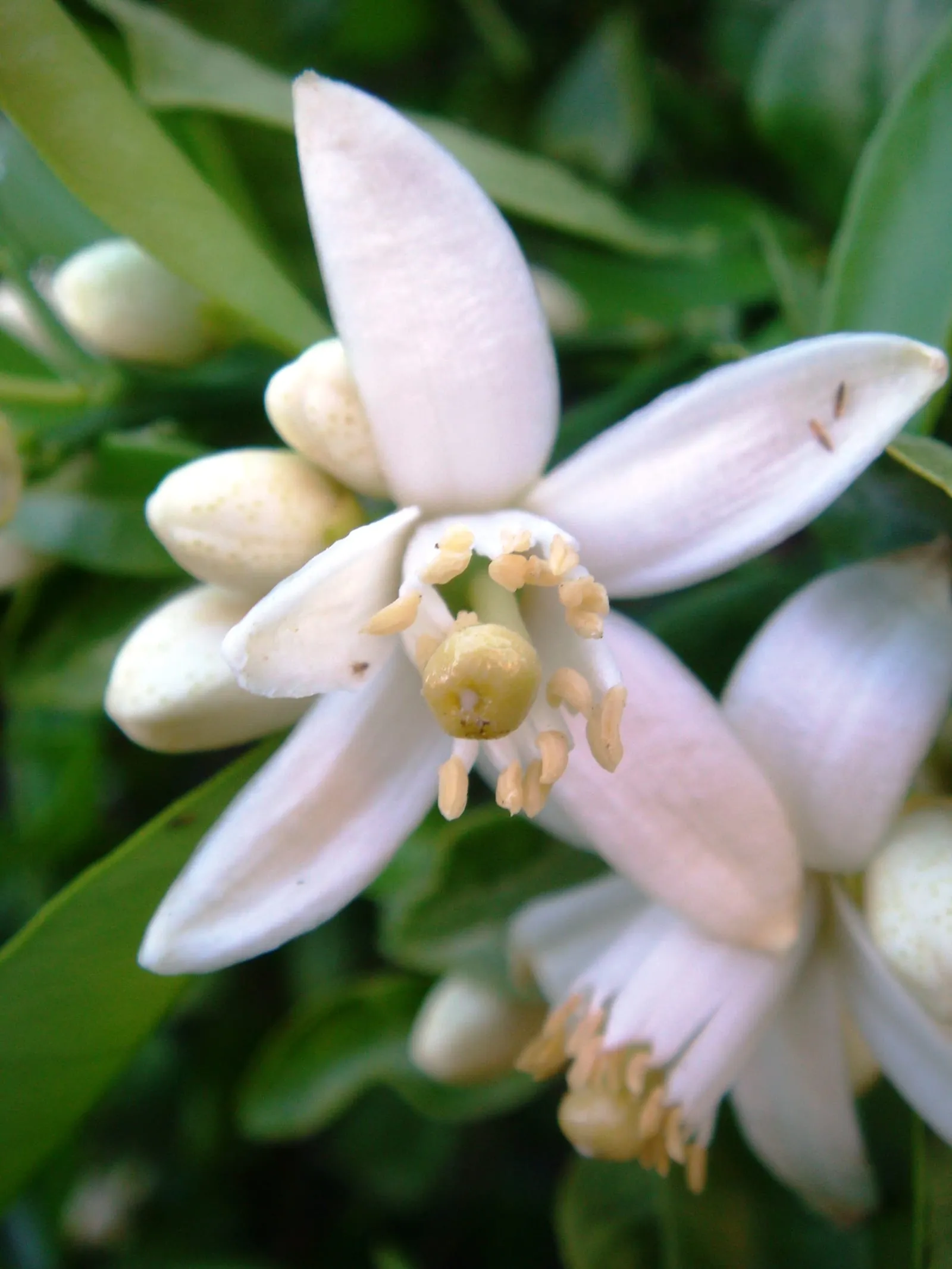 zone 11a
 Grapefruit
Citrus paradisi
zones 9a–11b
 zone 11a
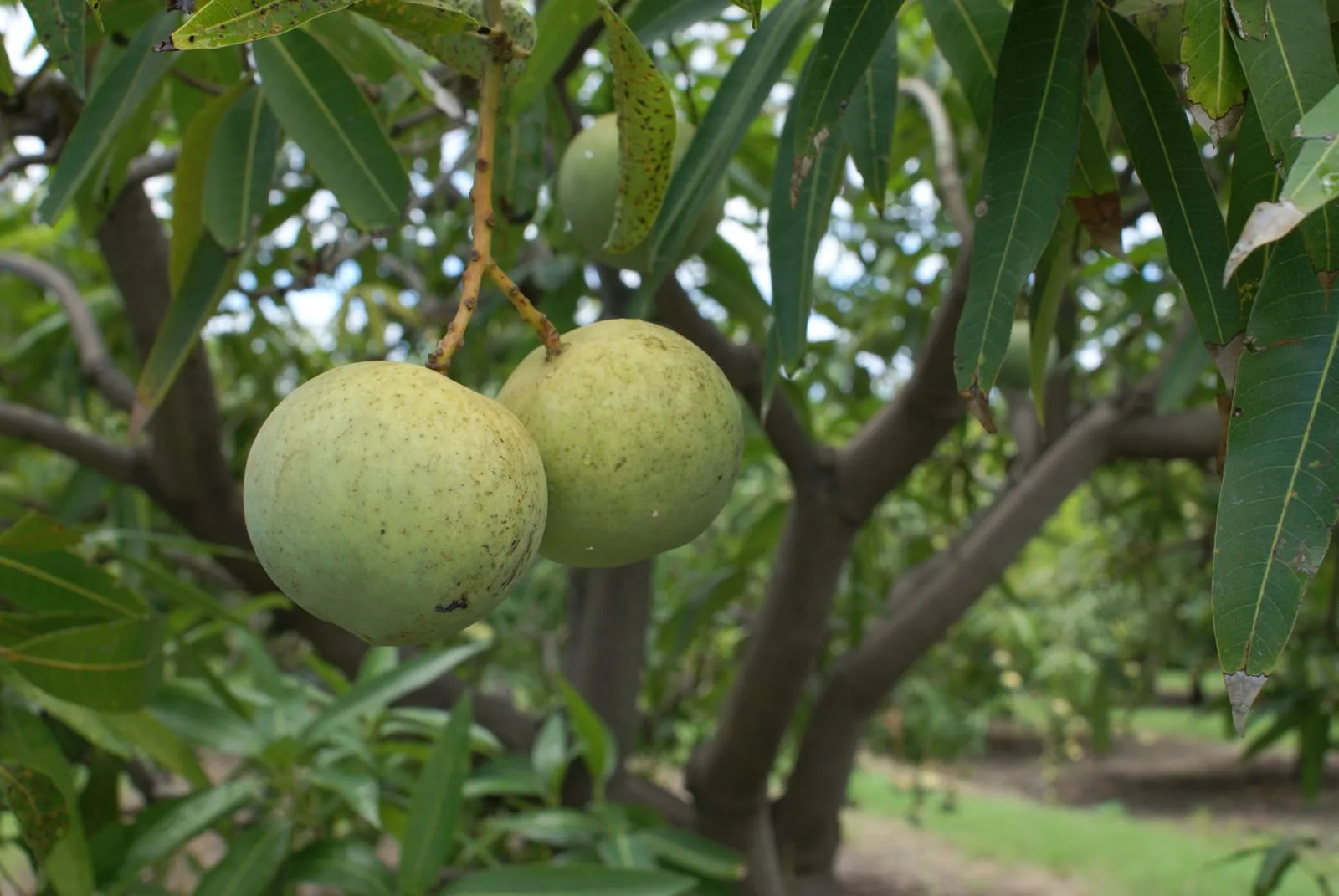
 Mango
Mangifera indica
zones 10b–13b
 zone 11a
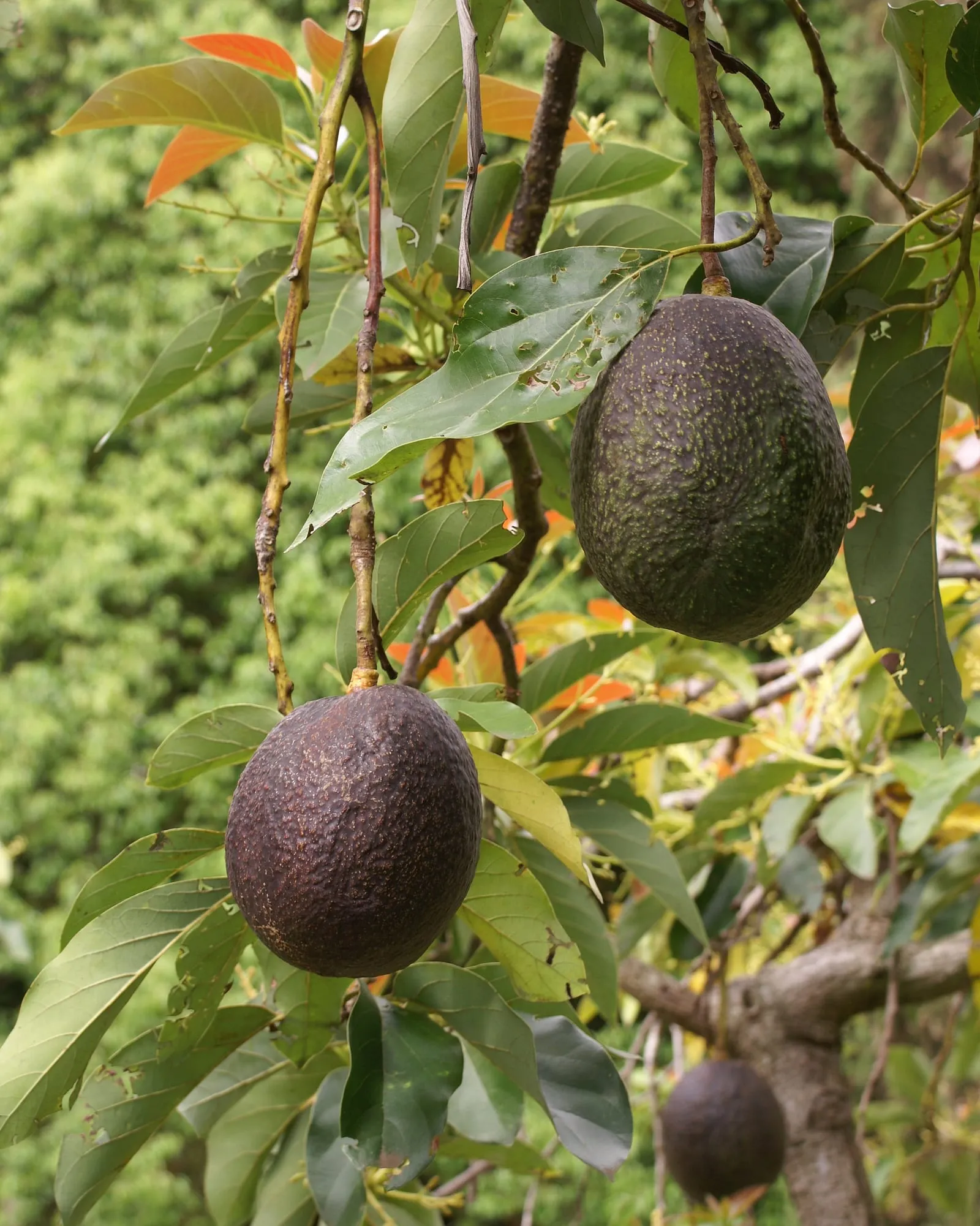
 Avocado
Persea americana
zones 9b–11b
 zone 11a
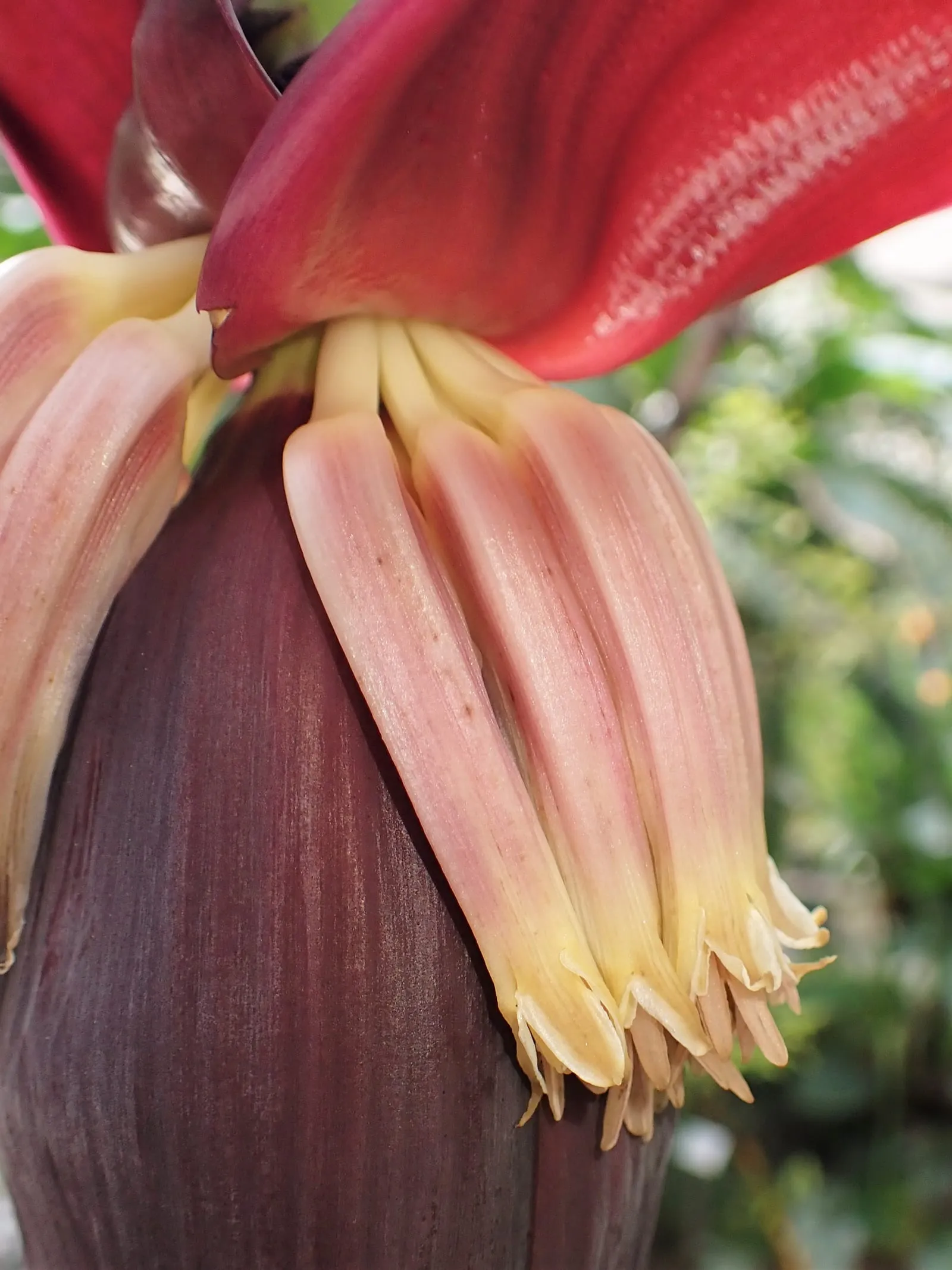
 Banana
Musa acuminata
zones 9b–13b
 zone 11a
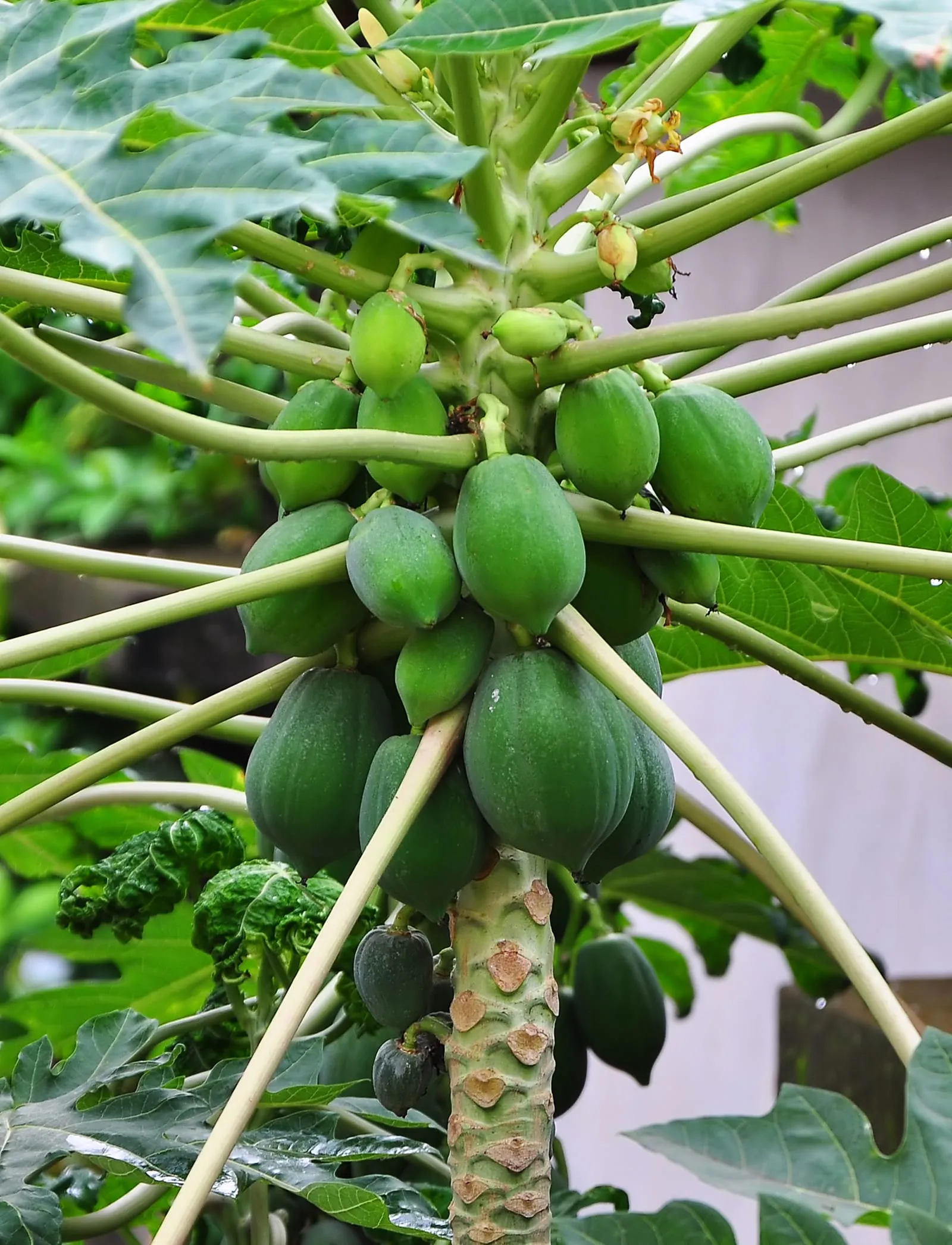
 Papaya
Carica papaya
zones 10a–13b
 zone 11a
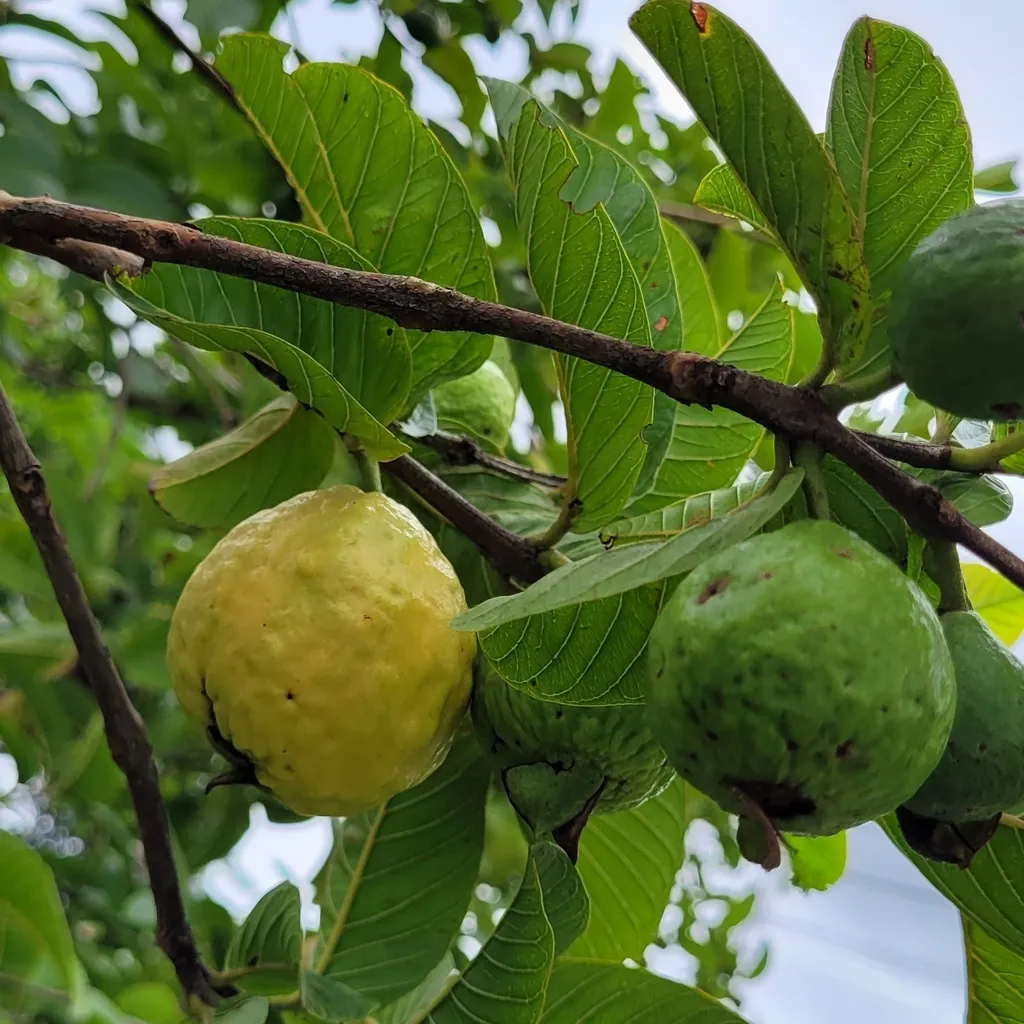
 Guava
Psidium guajava
zones 9b–12b
 zone 11a
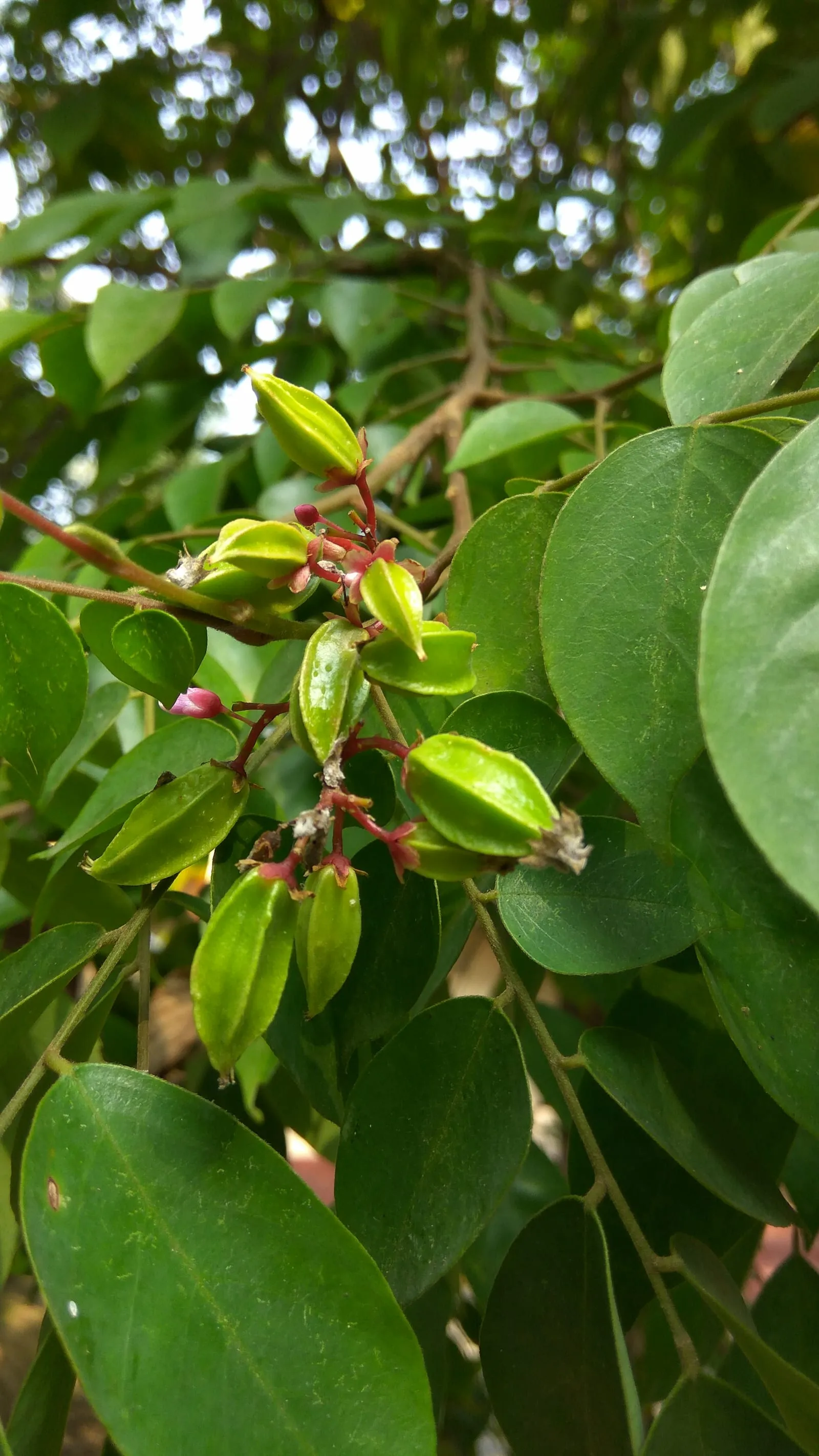
 Starfruit (Carambola)
Averrhoa carambola
zones 10b–13b
 zone 11a
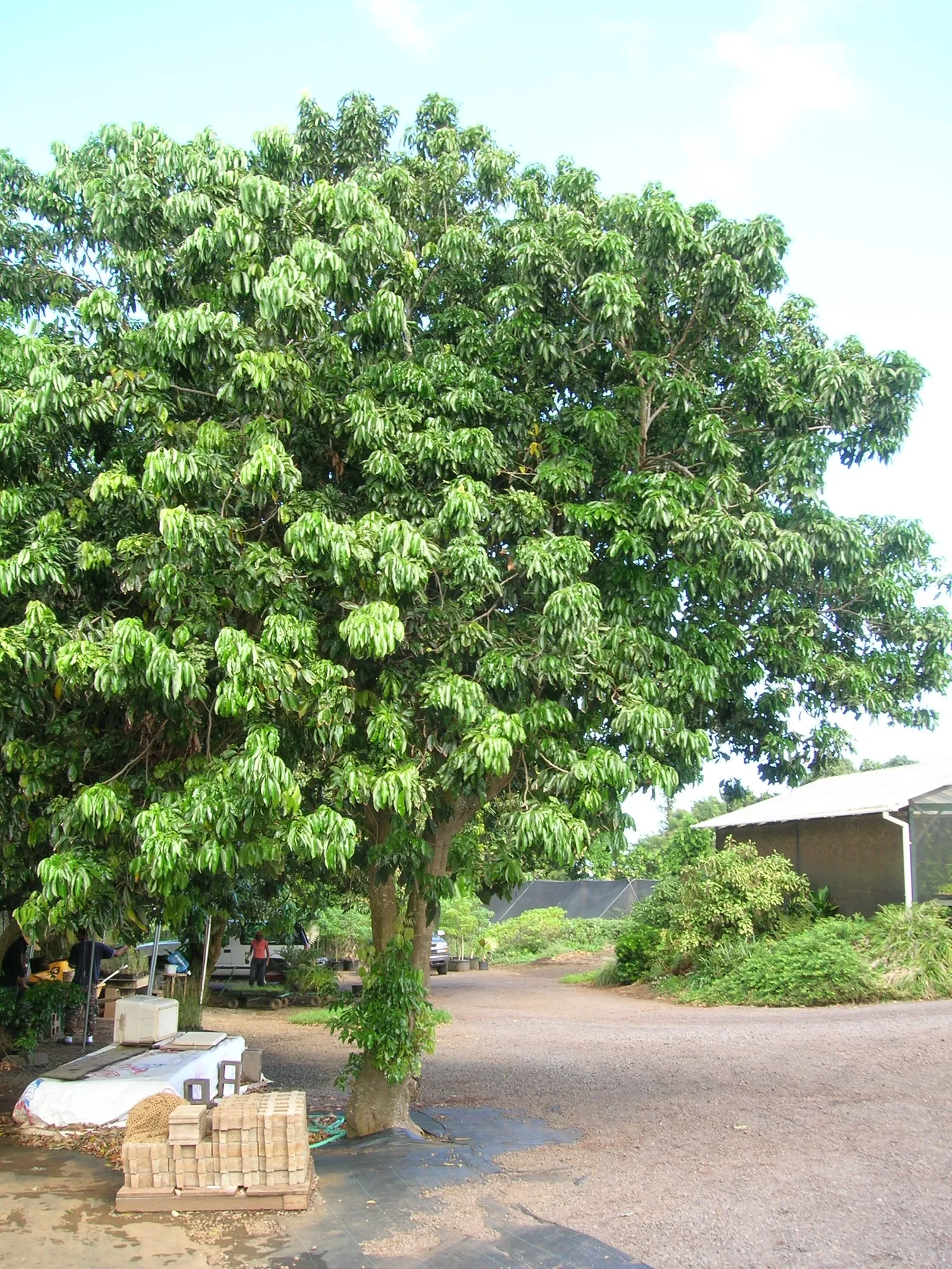
 Lychee
Litchi chinensis
zones 10a–12b
 zone 11a
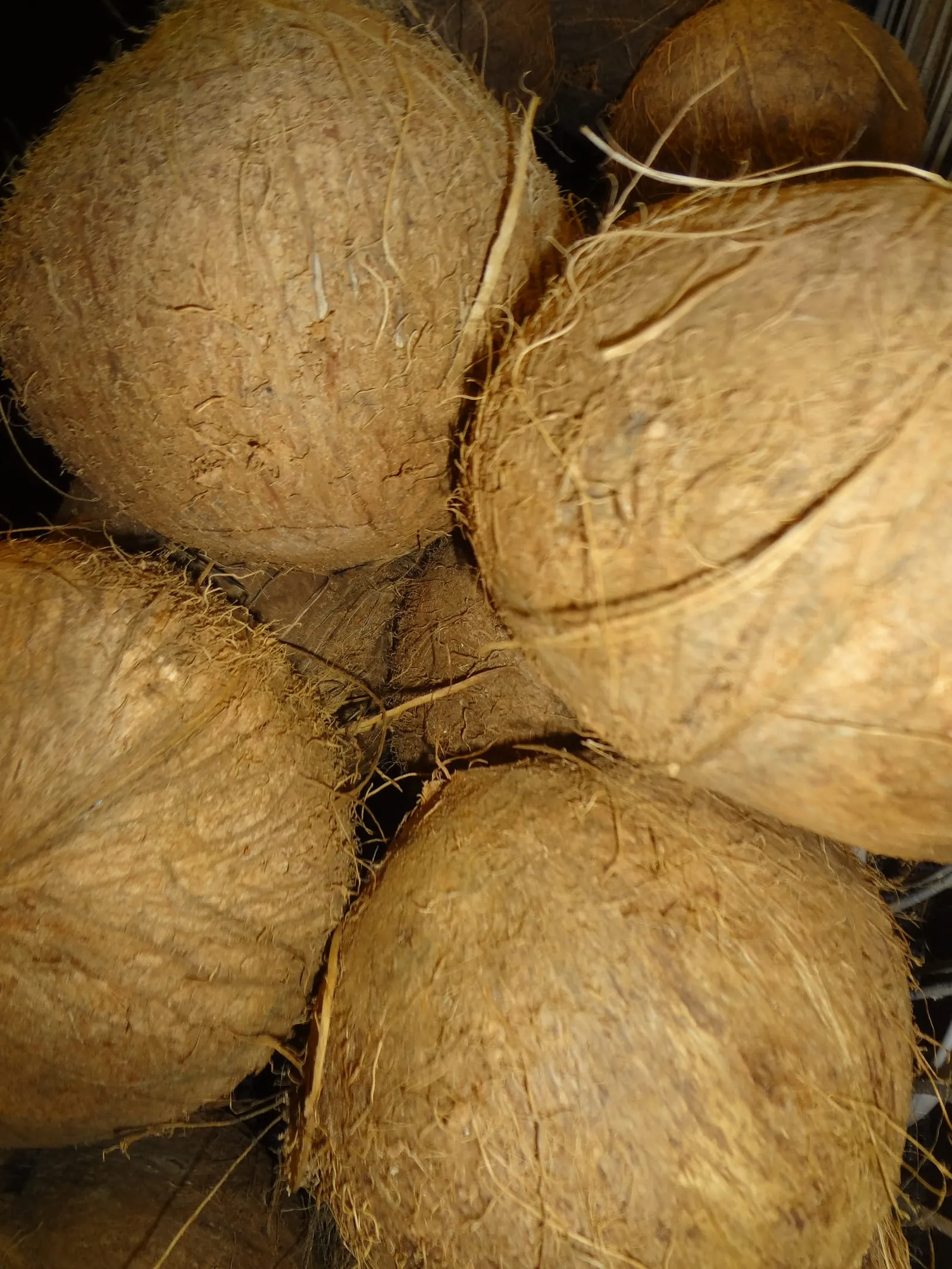
 Coconut
Cocos nucifera
zones 11a–13b
Berries
2 crops
When to plant
Planting calendar for zone 11a
Year-view of seed starting, transplanting, planting, pruning, fertilizing, harvest, and pest-watch windows based on the average frost timing for zone 11a.
Week ? · loading
This week in zone 11a
Quiet week in zone 11a. this week is a good time to step back and plan ahead.
Nothing critical on the calendar this week.
73 bars · 15 crops
Calendar logic combines NOAA frost normals with crop-specific timing data. Local microclimate and weather always overrules the calendar; use this as a starting point.
Frequently asked questions
- Can I grow apples, peaches, or pears in zone 11a?
No. Apples, peaches, and pears require hundreds of accumulated hours below 45°F (chill hours) to break dormancy and set fruit. Zone 11a does not accumulate meaningful chill hours in any typical year. Even ultra-low-chill varieties bred for warm climates need conditions colder than this zone provides. Tropical alternatives such as sapodilla, canistel, or tropical guava may fill a similar culinary niche.
- What fruit trees actually thrive in zone 11a?
Mangoes, avocados, papayas, bananas, lychees, longans, carambolas (star fruit), breadfruit, jackfruit, soursop, and longan all perform well here. Citrus grows in zone 11a, though most commercial varieties prefer slightly cooler nights and may benefit from higher-elevation sites in Hawaii. The Florida Keys add salt-spray tolerance as a secondary requirement for exposed plantings.
- Do I need to protect plants from frost in zone 11a?
No. Temperatures in zone 11a do not reach freezing. Cold damage is not a seasonal concern. The relevant risks are heat stress during unusual warm spells, drought stress in dry seasons (particularly on the leeward sides of Hawaiian islands), and hurricane exposure in the Florida Keys. Wind protection and irrigation management matter far more here than frost cloth.
- Why is pest pressure harder to manage in zone 11a than in colder zones?
In zones that experience frost, cold winters kill or suppress many insect and fungal populations each year, providing a natural reset. Zone 11a has no such reset. Pest populations that establish can persist and compound across generations without seasonal interruption. This makes early detection critical. Problems that a grower in zone 6 might manage with a single dormant spray require year-round monitoring programs in zone 11a.
- Can I grow vegetables year-round in zone 11a?
Many vegetables grow year-round, but the selection shifts with the season. Cool-season crops like brassicas and lettuce perform poorly in peak heat but may succeed during the mildest months (October through February in Hawaii's lower elevations). Heat-tolerant options including tropical greens, sweet potatoes, okra, and yard-long beans thrive across most of the year. Consistent irrigation and soil organic matter management are the primary limiting factors, not temperature.
- Is zone 11a consistent across the Florida Keys and Hawaii?
The zone designation captures only the minimum winter temperature range (40 to 45°F). It does not capture differences in rainfall, humidity, salt exposure, volcanic soil chemistry, or wind. The Florida Keys face higher salinity and hurricane risk than most Hawaiian sites. Within Hawaii, performance of specific crops varies considerably by island, elevation, and prevailing wind exposure. Local conditions routinely matter more than the zone number for individual crop decisions.
+−
+−
+−
+−
+−
+−
Related