USDA hardiness zone
Zone 12a
True tropical zone for mango, papaya, banana, and other heat-loving species.
On the zone ramp
- Lowest winter temp
- 50°F to 55°F USDA boundary
- Growing season
- 365 days
- Avg chill hours
- 0 below 45°F
- Hardiness rank
- 23 of 26 warm side
- Compatible crops
- 10
- Sample region
- Hawaii lowlands
Growing in zone 12a
Zone 12a sits at the warmest end of the USDA hardiness scale, covering Hawaii's lower elevations and Puerto Rico's coastal plains. Winter minimum temperatures hold between 50 and 55°F, and the growing season runs the full 365 days. The practical implication is simple: cold is never the limiting factor. There is no dormancy trigger, no killing frost, no stretch of soil-chilling cold that temperate species depend on to break bud set or complete their life cycles.
What thrives here is a different catalog entirely: mango, papaya, banana, breadfruit, starfruit, guava, lychee, rambutan, jackfruit, and dozens of other species that would die at first frost anywhere on the continental US mainland. Vegetables like long beans, bitter melon, taro, and tropical sweet potato fill the role that tomatoes and squash play in temperate zones.
The dominant constraints are not cold but heat accumulation, year-round humidity, intense tropical pest and disease cycles with no winter interruption, and in coastal areas, hurricane exposure. Gardening in zone 12a requires orienting entirely around tropical ecology rather than adapting temperate practices to a warm climate.
Frost timing in zone 12a
Zone 12a records no frost. The USDA minimum temperature band of 50 to 55°F means the coldest nights of the year remain well above the 32°F threshold. There is no last spring frost date and no first fall frost date to plan around.
For tropical crops this is a straightforward advantage: planting windows are determined by rainfall patterns, hurricane season timing (June through November for Hawaii and Puerto Rico), and crop-specific growth cycles, not by cold exposure.
The relevant cold constraint in zone 12a is chill-hour accumulation. Temperate fruit trees like apples, pears, peaches, and cherries require hundreds of hours at temperatures below 45°F each winter to bloom and fruit reliably. Zone 12a accumulates essentially zero chill hours. Low-chill varieties engineered for zones 9 and 10 (requiring 200 to 300 chill hours) still cannot meet their requirements in zone 12a. This rules out the entire category of deciduous temperate fruit trees regardless of variety selection.
Common challenges
- ▸ No temperate species
- ▸ Tropical pest and disease pressure
- ▸ Hurricane exposure
Best practices
Anchor plantings to wind-resistant species and structures. Hurricane season overlaps with the growing calendar every year. Banana plants, being herbaceous, can be cut to the ground before a storm and will regrow from the corm. Larger trees like mango benefit from canopy reduction pruning before hurricane season to reduce wind load. Raised beds and containers should be positioned against structures or moved under cover when storms approach. Staking newly established trees through their first two seasons reduces windthrow losses significantly.
Manage fungal pressure proactively, not reactively. Year-round warmth and humidity create persistent conditions for anthracnose, powdery mildew, and root rots. Improving air circulation through open canopy pruning, mulching to reduce soil splash, and selecting resistant varieties where options exist (resistant mango varieties include Carrie and Glenn for anthracnose tolerance) reduces the baseline disease load. Waiting for symptoms before acting compresses the management window considerably in a tropical environment.
Time planting to the dry season. Even in zone 12a, rainfall patterns create distinct seasons. Establishing new trees and perennials during the drier months reduces damping-off risk and allows roots to develop before the high-humidity wet season begins.
What to grow in zone 12a
10 crops from our database fit zone 12a, grouped by type. Click through for zone-specific variety recommendations.
Tree fruit
7 crops
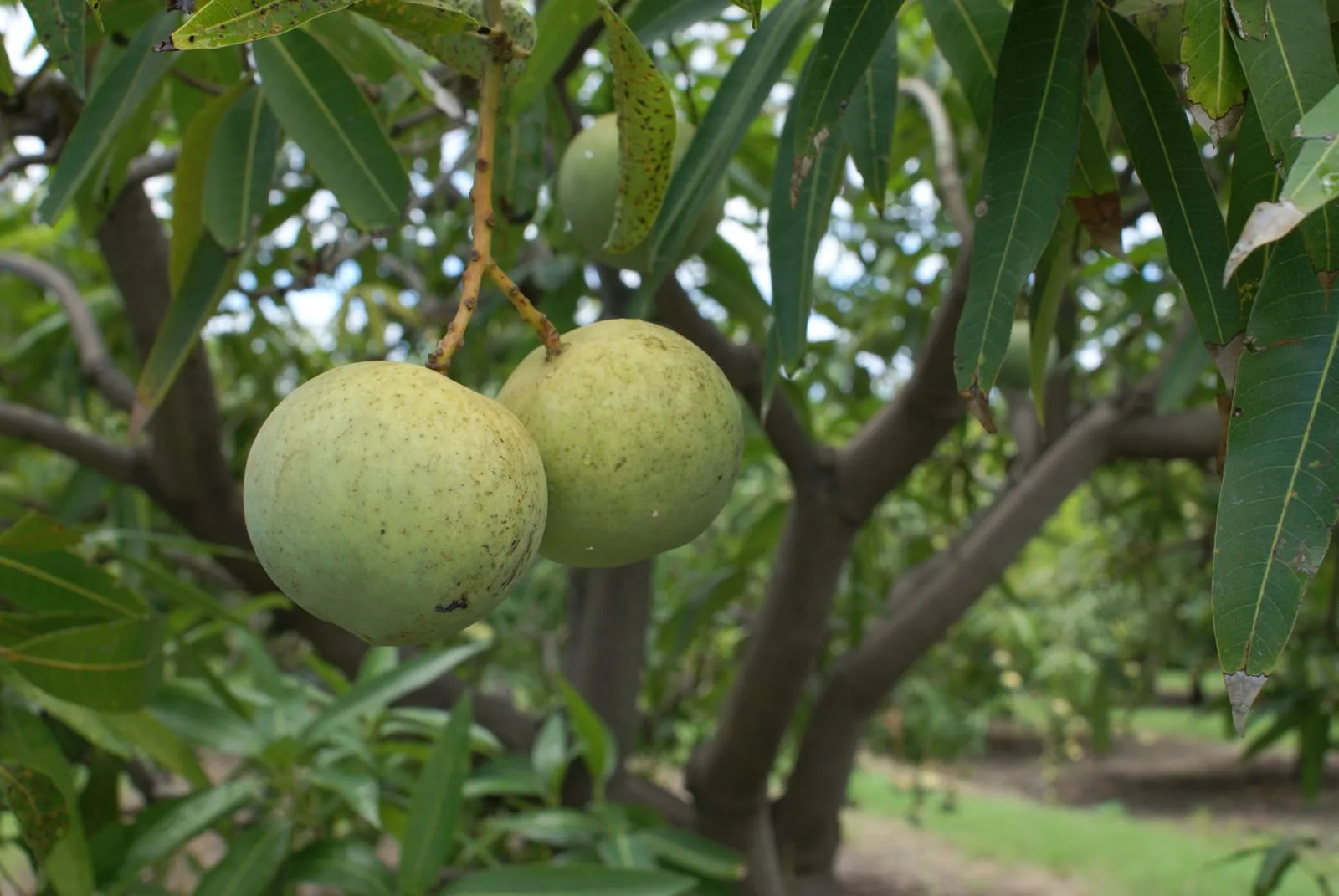 zone 12a
 Mango
Mangifera indica
zones 10b–13b
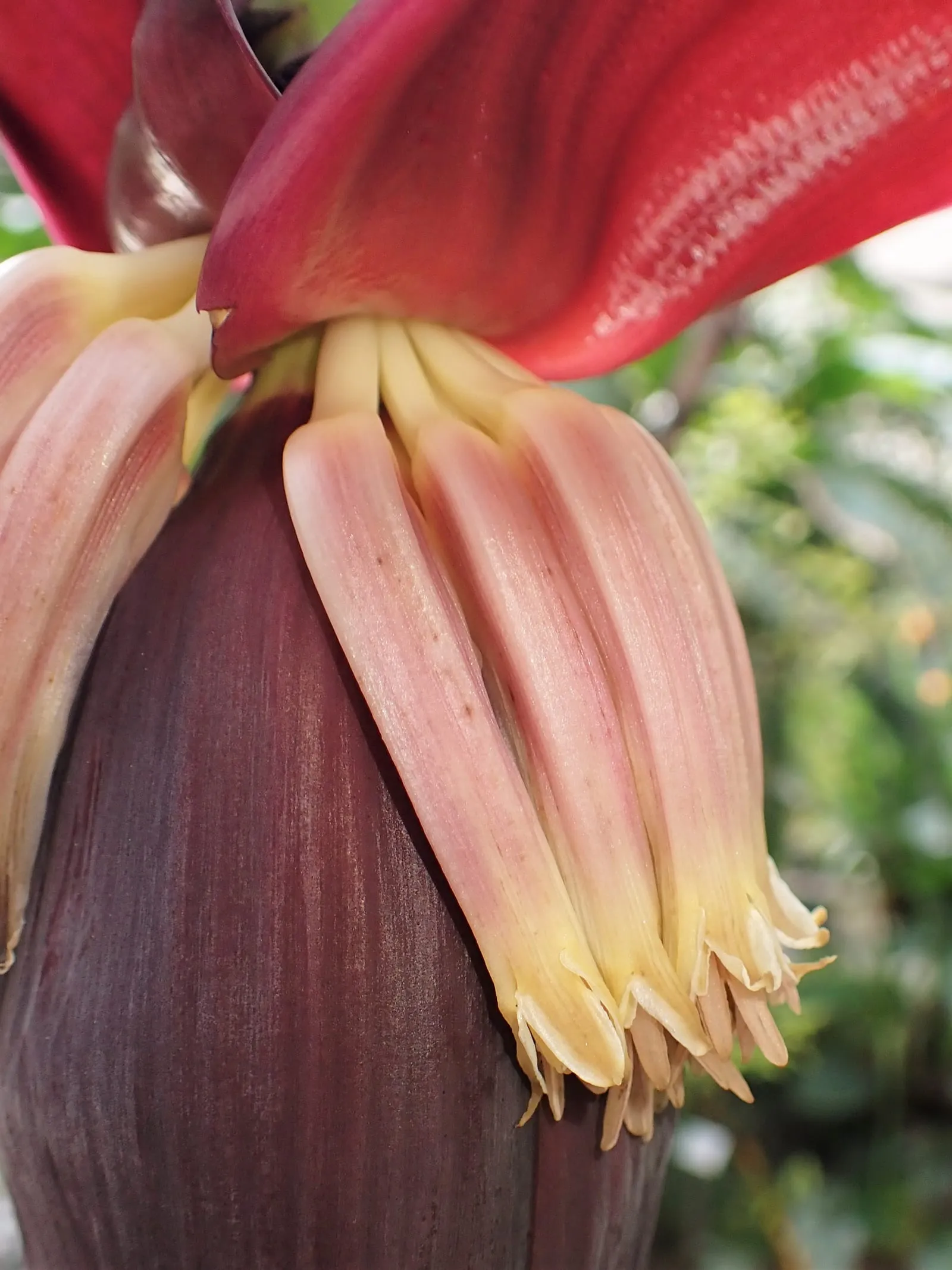 zone 12a
 Banana
Musa acuminata
zones 9b–13b
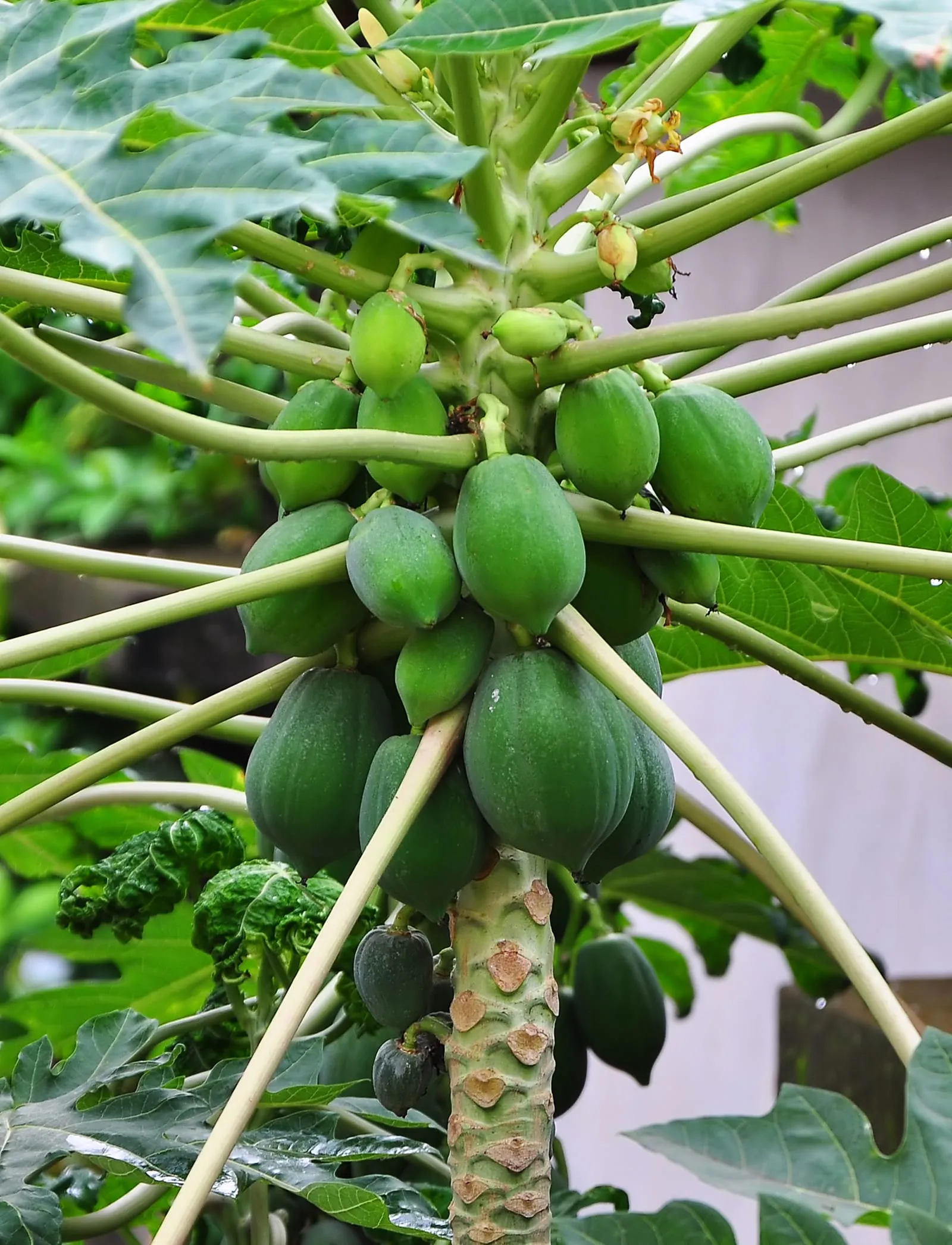 zone 12a
 Papaya
Carica papaya
zones 10a–13b
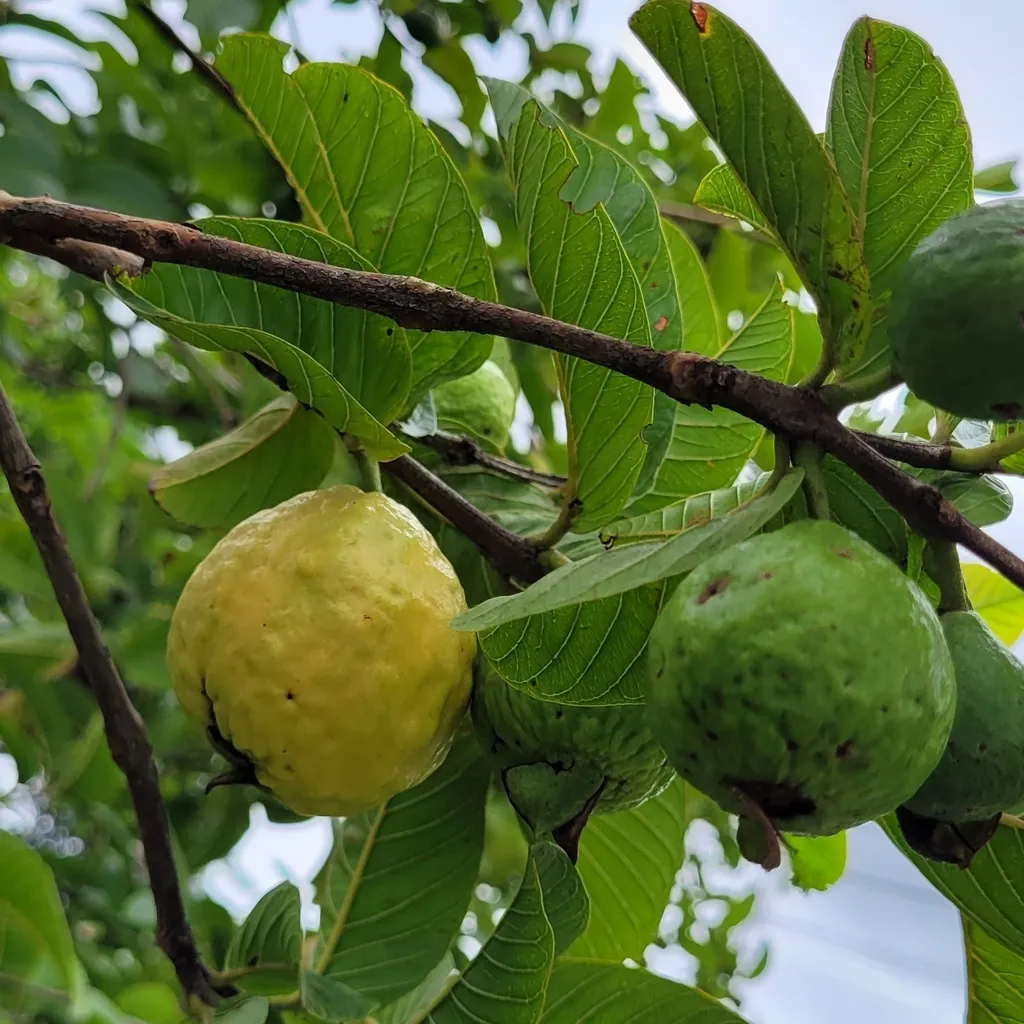 zone 12a
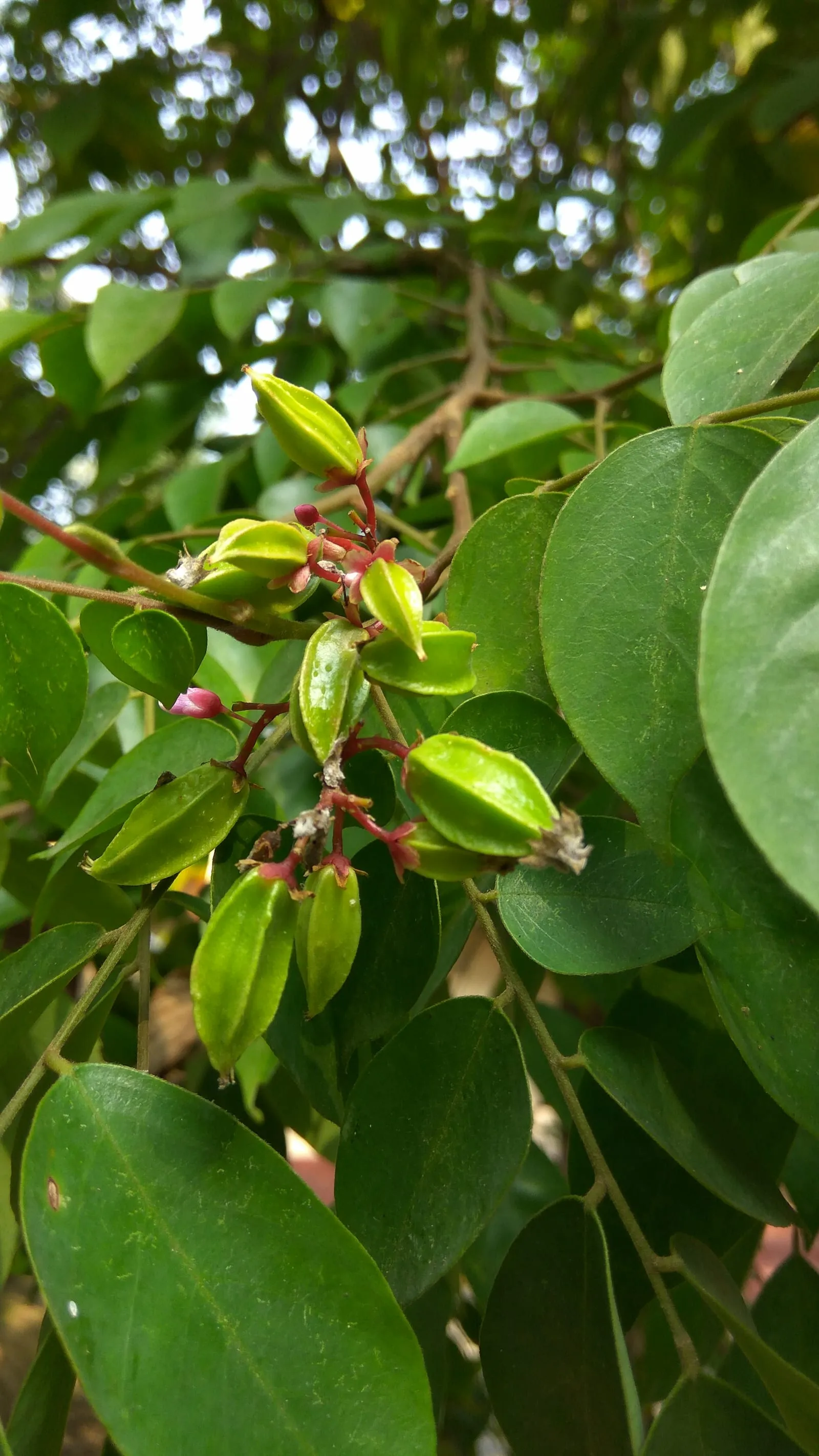
 Guava
Psidium guajava
zones 9b–12b
 zone 12a
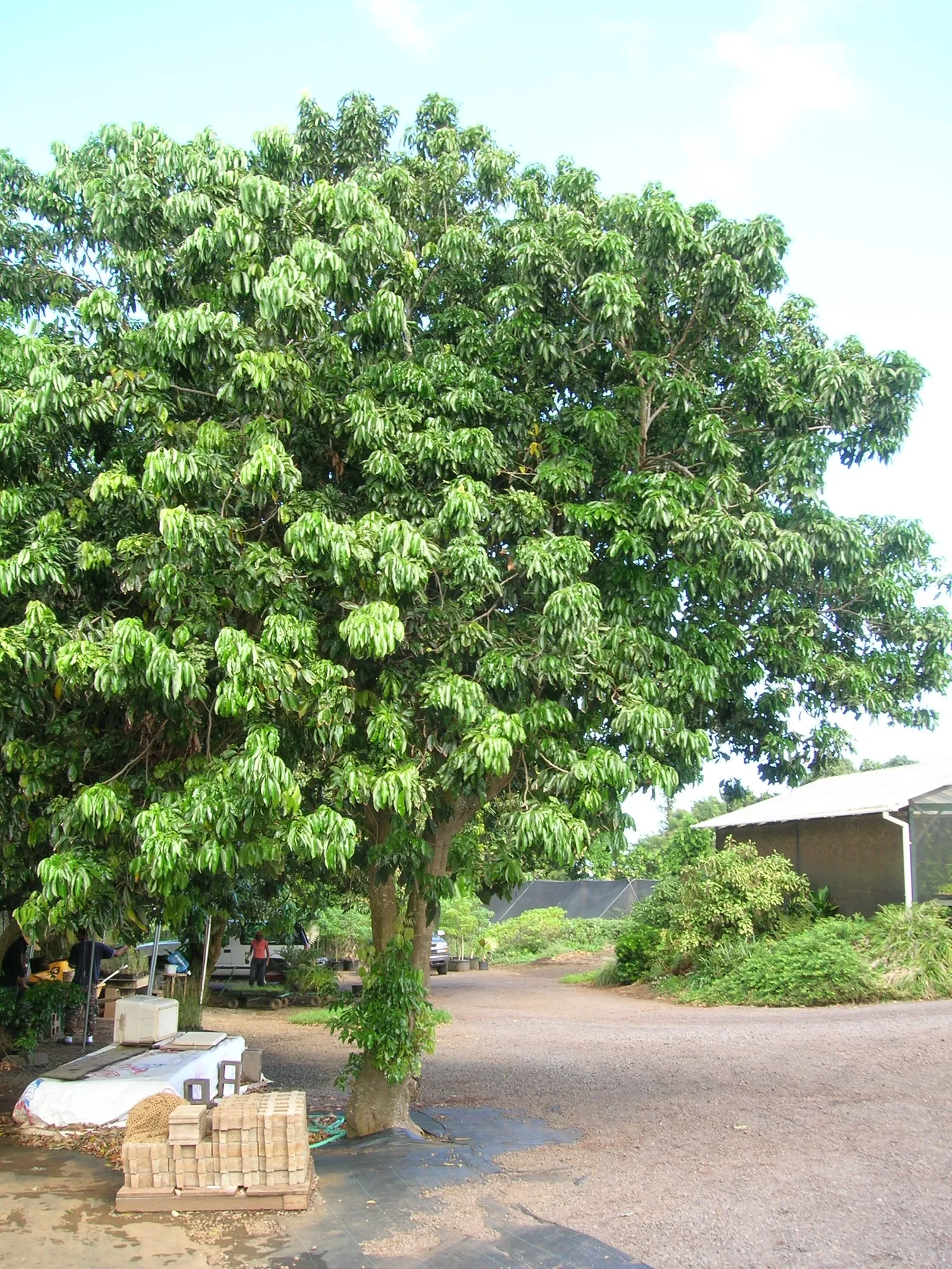
 Starfruit (Carambola)
Averrhoa carambola
zones 10b–13b
 zone 12a
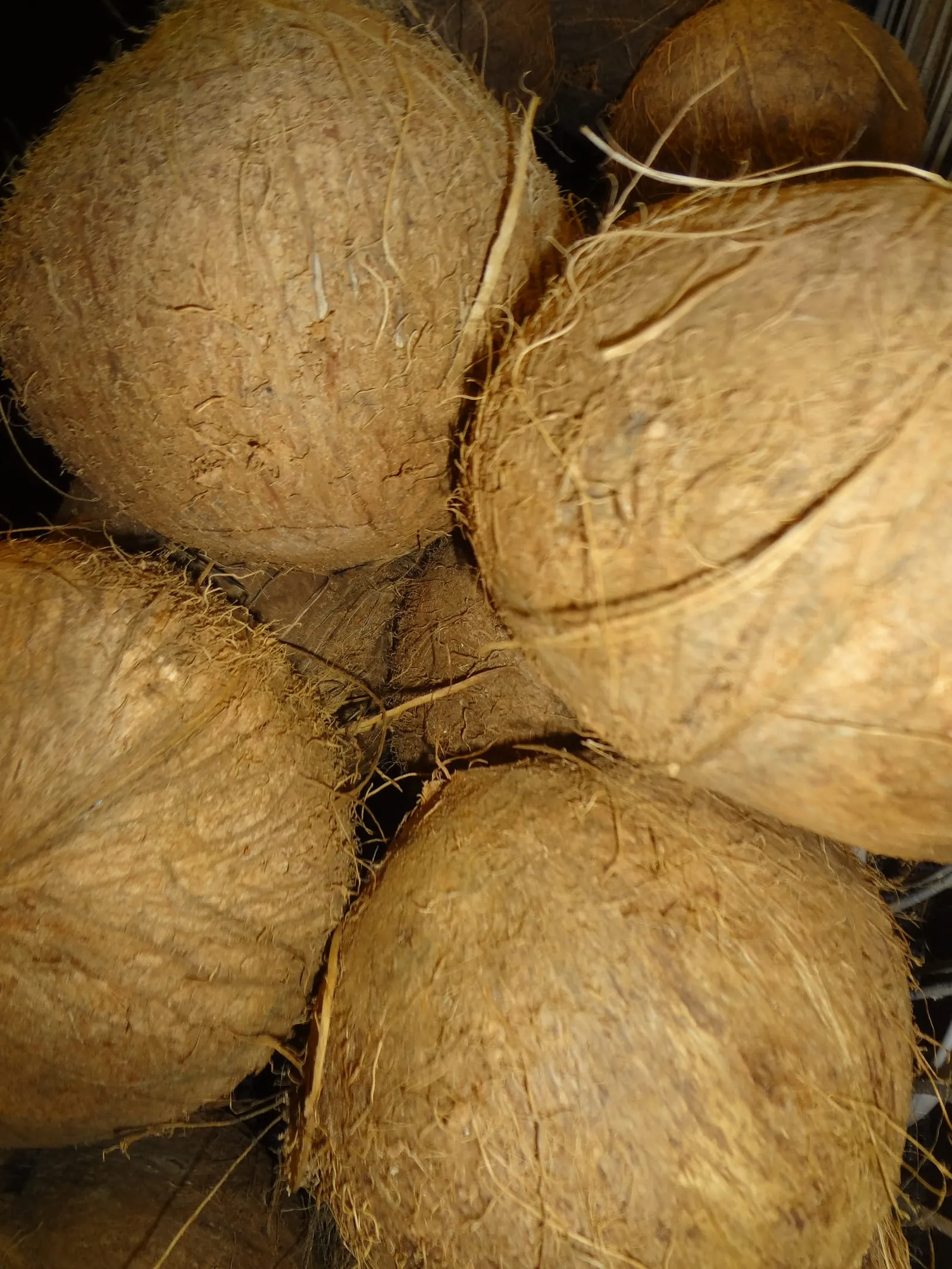
 Lychee
Litchi chinensis
zones 10a–12b
 zone 12a
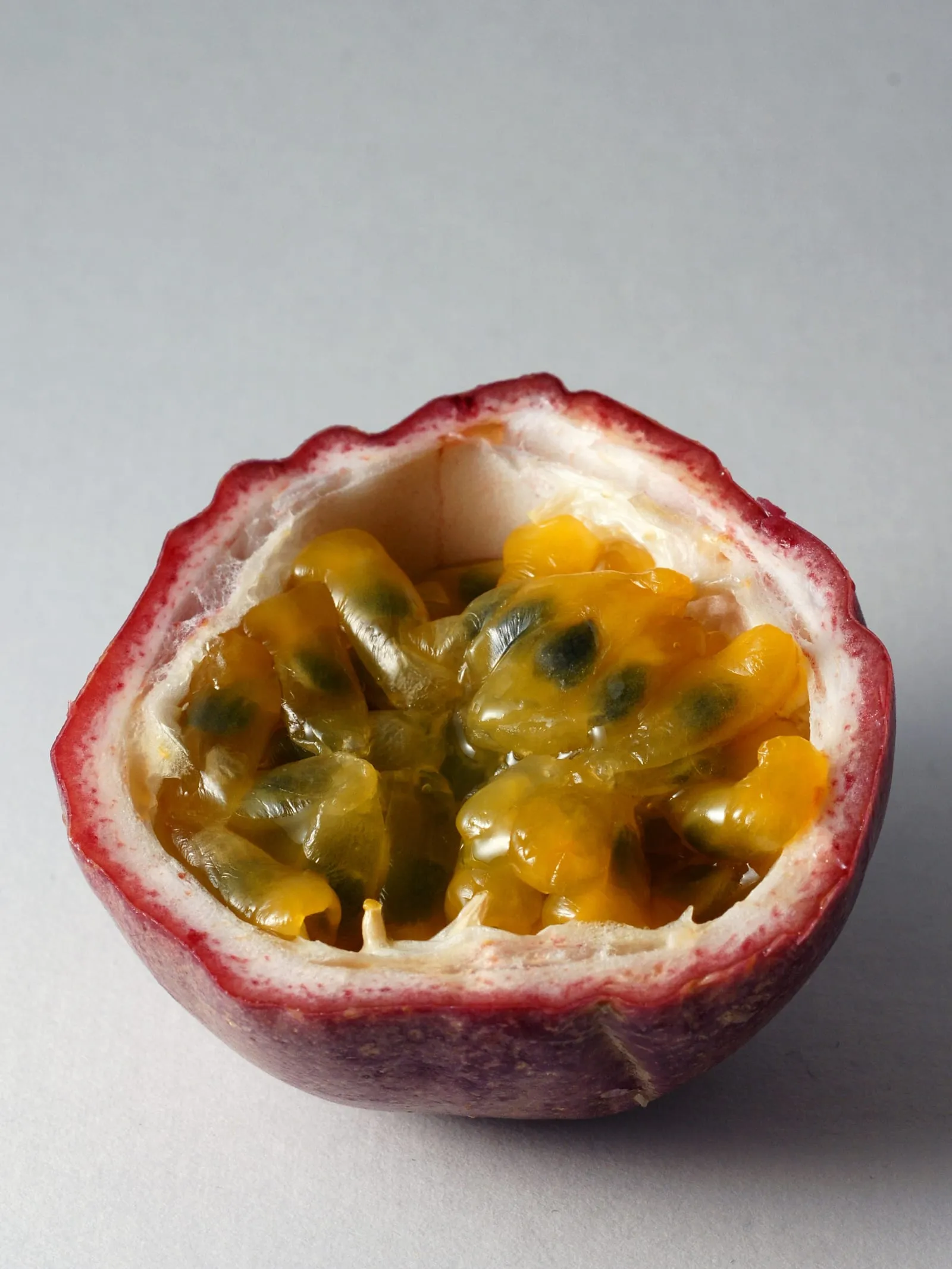
 Coconut
Cocos nucifera
zones 11a–13b
Berries
2 crops
When to plant
Planting calendar for zone 12a
Year-view of seed starting, transplanting, planting, pruning, fertilizing, harvest, and pest-watch windows based on the average frost timing for zone 12a.
Week ? · loading
This week in zone 12a
Quiet week in zone 12a. this week is a good time to step back and plan ahead.
Nothing critical on the calendar this week.
48 bars · 10 crops
Calendar logic combines NOAA frost normals with crop-specific timing data. Local microclimate and weather always overrules the calendar; use this as a starting point.
Frequently asked questions
- Can temperate fruit trees like apples, peaches, or cherries grow in zone 12a?
No. Temperate deciduous fruit trees require a period of winter cold (measured in chill hours below 45°F) to break dormancy and bloom. Zone 12a accumulates essentially zero chill hours, which disqualifies even the lowest-chill varieties developed for zones 9 and 10. Mango, lychee, papaya, and similar tropical species are the functional equivalents here.
- What vegetables can be grown year-round in zone 12a?
Tropical and warm-season vegetables perform well year-round: long beans (yard-long beans), bitter melon, taro, edamame, okra, sweet potato, and various tropical greens like Okinawan spinach and Malabar spinach. Standard cool-season crops like lettuce, broccoli, and carrots can be grown during the cooler, drier months, though they will bolt quickly once temperatures climb.
- How do I protect a garden in zone 12a from hurricanes?
Preparation before storms matters more than recovery after. Cut banana plants to the ground before landfall since they regrow from the corm. Prune mango and avocado canopies in late spring to reduce wind resistance before the June-to-November hurricane window. Stake newly planted trees firmly through their first two seasons. Move potted plants inside or against a protected wall when storms approach.
- Does zone 12a ever get cool enough for a rest period between crops?
Not in a way that approximates temperate dormancy. Temperatures dip into the low 60s°F on winter nights in some Hawaii lowland locations, which slows growth modestly. Puerto Rico's coastal zones remain warm year-round with little seasonal variation. The practical growing calendar is shaped more by rainfall seasonality and hurricane season than by temperature fluctuation.
- What are the most common disease problems for zone 12a fruit growers?
Anthracnose is the primary disease threat for mango and avocado, intensifying during humid periods. Papaya ringspot virus, spread by aphids, is endemic in Hawaii and Puerto Rico and limits papaya production in many areas. Root rots from Phytophthora species are common in heavy, poorly drained soils. Year-round warmth removes the winter interruption that limits disease cycles in temperate zones, so management must be continuous rather than seasonal.
- What is the single best mango variety for zone 12a?
There is no single best variety. Nam Doc Mai produces reliably and has good anthracnose resistance. Carrie and Glenn are widely grown in both Hawaii and Puerto Rico with reasonable disease tolerance. Julie is a compact, high-yield option suited to small spaces. Variety performance varies by microclimate, particularly rainfall and wind exposure, so local nursery recommendations from growers in the same island region are more reliable than any generalized ranking.
+−
+−
+−
+−
+−
+−
Related