USDA hardiness zone
Zone 12b
Warm tropical zone with year-round growing for most tropical species.
On the zone ramp
- Lowest winter temp
- 55°F to 60°F USDA boundary
- Growing season
- 365 days
- Avg chill hours
- 0 below 45°F
- Hardiness rank
- 24 of 26 warm side
- Compatible crops
- 10
- Sample region
- Hawaii Big Island leeward
Growing in zone 12b
Zone 12b sits at the warm extreme of the USDA hardiness scale, with average annual minimum temperatures between 55°F and 60°F. Frost is effectively absent, and the growing season runs the full 365 days. Locations in this zone include the leeward slopes of Hawaii's Big Island, where Kona coffee is grown at elevation, and portions of Puerto Rico's interior valleys.
The dominant constraint here is not cold; it is the complete absence of it. Temperate fruit trees that require winter chilling to break dormancy and set fruit properly do not perform in zone 12b without significant intervention. Apples, pears, cherries, and most stone fruits need anywhere from 500 to 1,500 hours of temperatures below 45°F to flower reliably. Those hours do not accumulate here.
What thrives reliably is the full range of tropical and subtropical crops: papaya, banana, breadfruit, soursop, longan, lychee, avocado (particularly low-chill cultivars), carambola, and numerous citrus species. Many of these produce multiple times per year when irrigation and nutrition are managed consistently. Warm-season vegetables, including tomatoes, peppers, and squash, can be planted in virtually any month, though humidity and pest pressure make some months more productive than others.
Gardening in zone 12b rewards cultivar selection. The difference between a variety selected for tropical conditions and a generic catalog offering can be dramatic in both yield and disease resistance.
Frost timing in zone 12b
Zone 12b does not experience frost under normal conditions. The average annual minimum temperature range of 55°F to 60°F keeps even brief cold events well above freezing, and in established tropical locations like the Kona coast of Hawaii or Puerto Rico's interior, prolonged cold below 50°F is itself uncommon enough to be noteworthy.
The practical implication for fruit growers is not frost protection; it is chilling. Most deciduous temperate fruit trees require a defined accumulation of hours below 45°F during dormancy to flower and fruit the following season. In zone 12b, annual chill-hour accumulation is essentially zero. Standard apple cultivars requiring 800 to 1,200 chill hours will not perform. Low-chill varieties developed for warm climates, such as 'Anna' apple (approximately 200 chill hours) or 'Tropic Beauty' peach (around 150 chill hours), fare marginally better at cooler elevations within the zone but remain unreliable across most of it. Crop selection, rather than timing or cold protection, is the primary lever available to growers here.
Common challenges
- ▸ No chilling for temperate fruit
- ▸ Pest pressure year-round
- ▸ Specialized cultivar selection
Best practices
Three practices worth prioritizing in zone 12b:
Cultivar selection deserves more attention here than in most zones. In temperate climates, a mediocre cultivar planted in reasonable soil often produces acceptable results. In zone 12b, variety performance diverges sharply. A mango cultivar selected for Southeast Asian humidity and disease pressure may outperform a mainland nursery catalog selection by a wide margin. Sourcing from nurseries that actively trial varieties for Hawaii or Caribbean conditions is worth the extra effort.
An integrated pest management calendar is not optional. Without a cold winter to interrupt insect and fungal cycles, pest populations compound through the year. Timing preventive treatments, setting population thresholds before spraying, and rotating chemical modes of action matters more in zone 12b than in zones where winter provides a natural reset. University of Hawaii CTAHR and the Puerto Rico Agricultural Experiment Station both publish IPM guides calibrated for local pest complexes.
Prioritize drainage at planting time. Heavy rainfall in many zone 12b locations, combined with volcanic or clay-dominated soils, creates persistent root rot risk for many tropical species. Raised beds or mounded planting positions reduce that risk considerably and are worth the setup cost.
What to grow in zone 12b
10 crops from our database fit zone 12b, grouped by type. Click through for zone-specific variety recommendations.
Tree fruit
7 crops
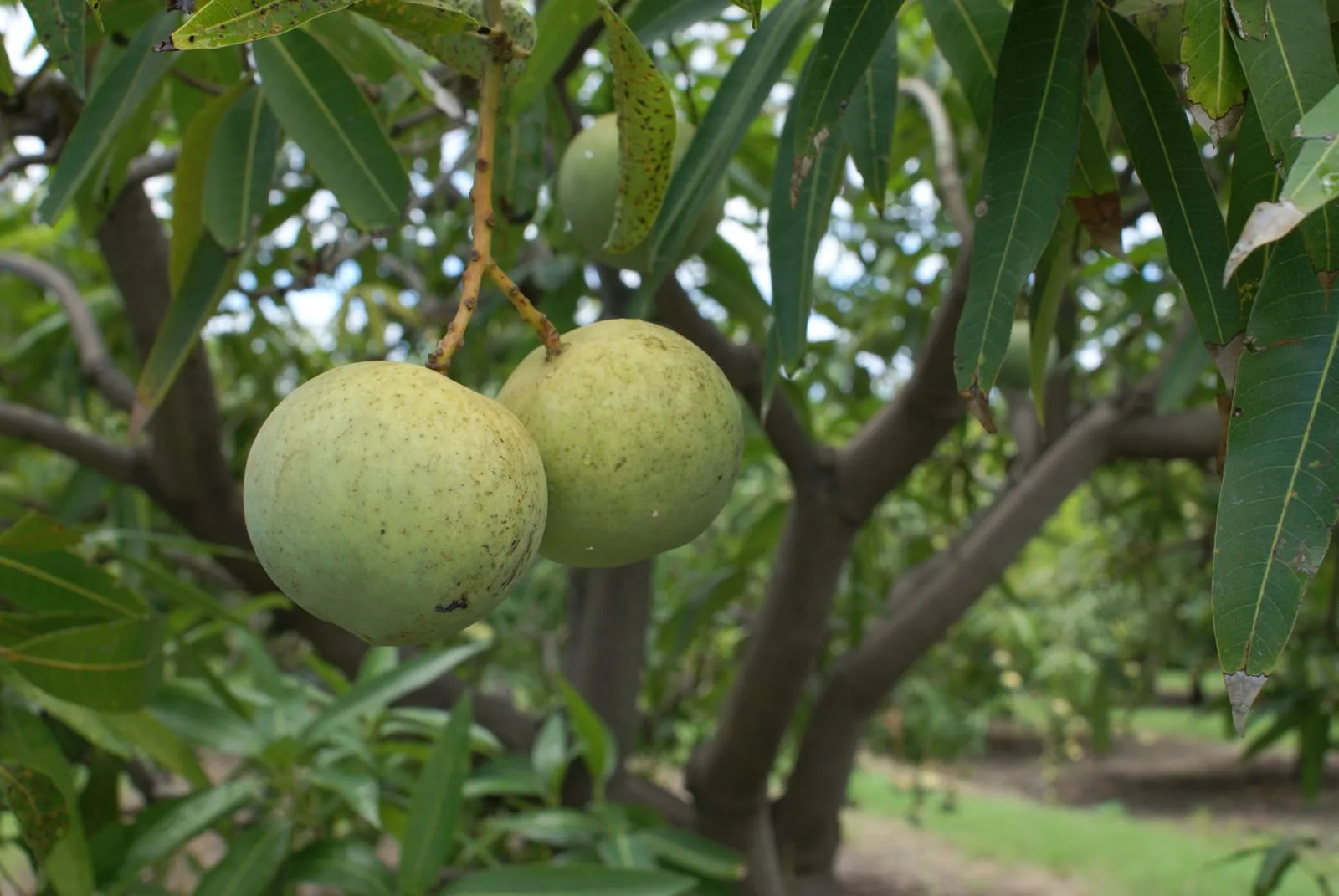 zone 12b
 Mango
Mangifera indica
zones 10b–13b
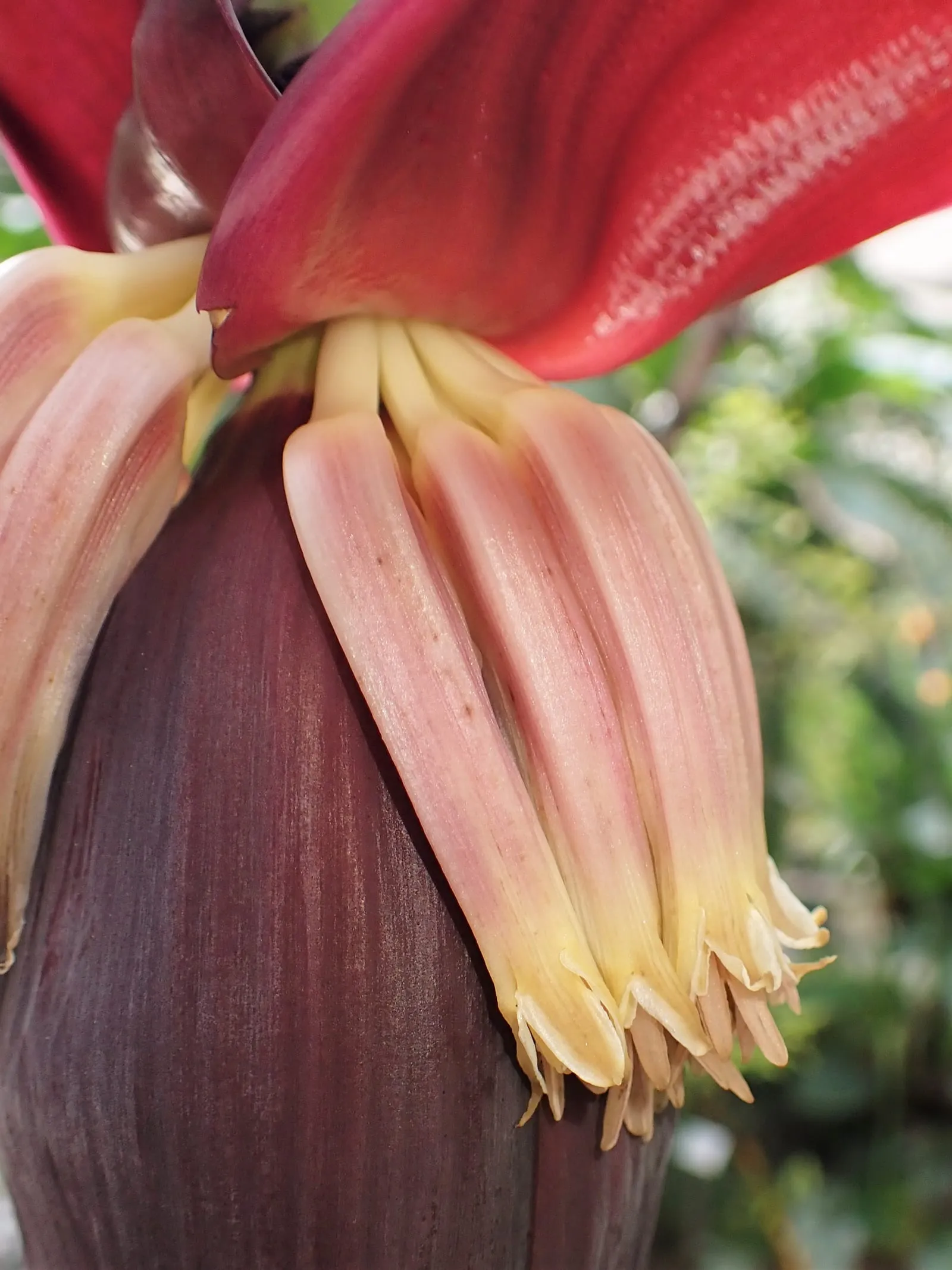 zone 12b
 Banana
Musa acuminata
zones 9b–13b
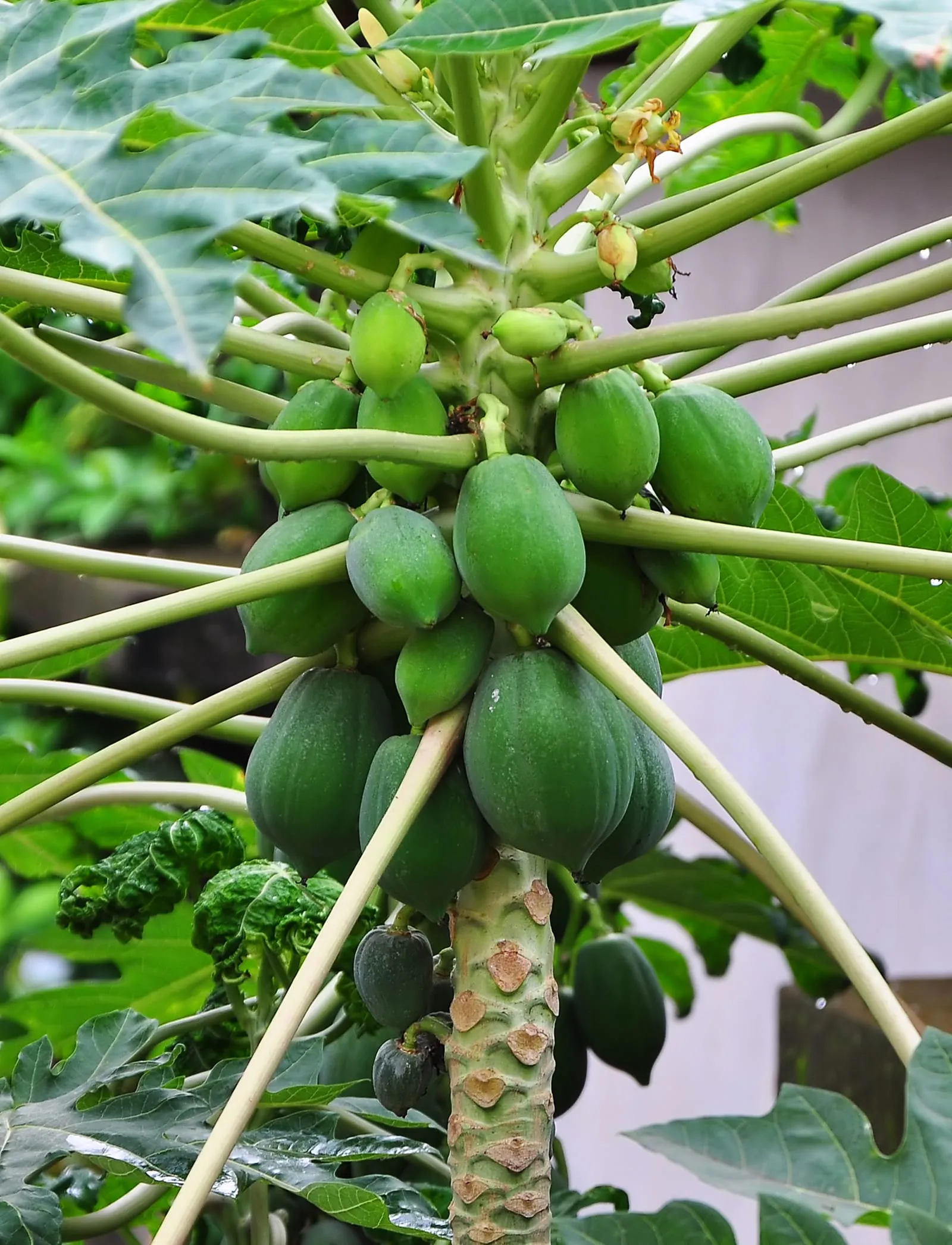 zone 12b
 Papaya
Carica papaya
zones 10a–13b
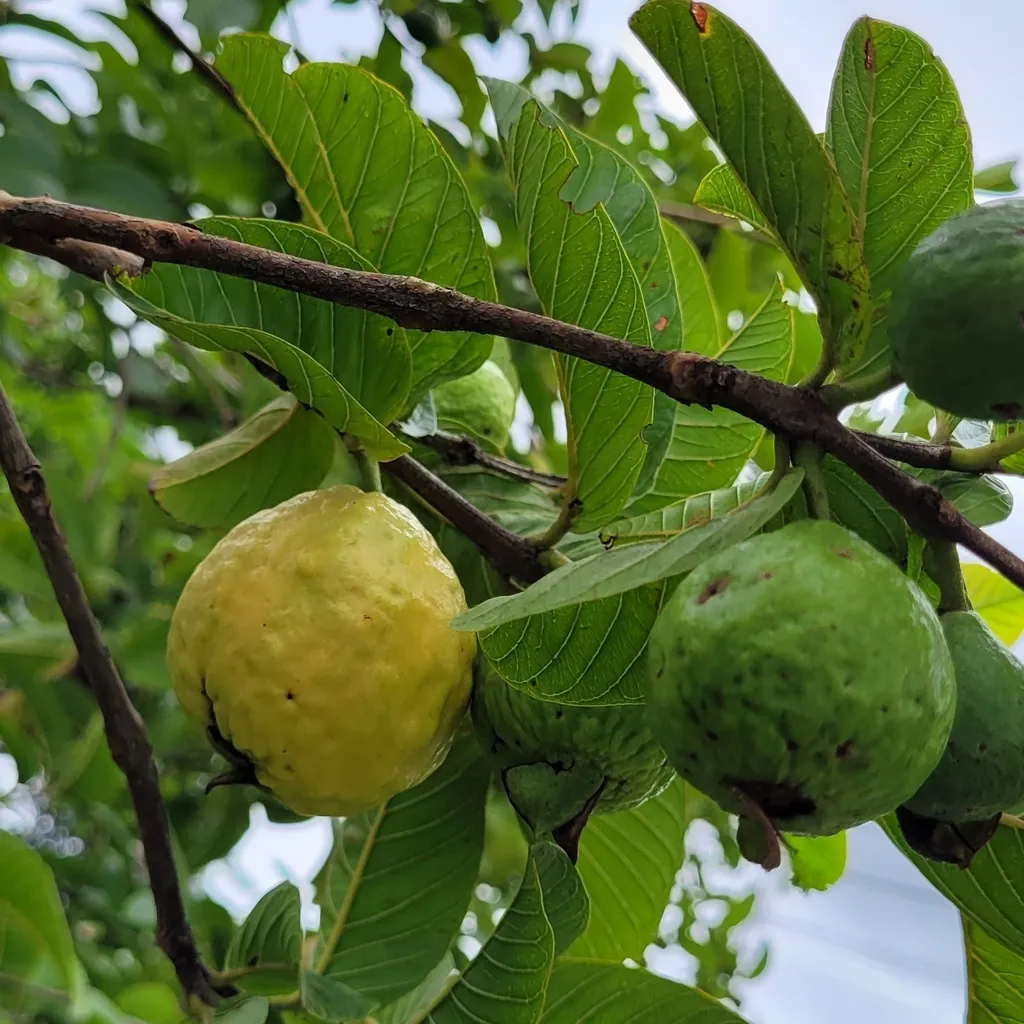 zone 12b
 Guava
Psidium guajava
zones 9b–12b
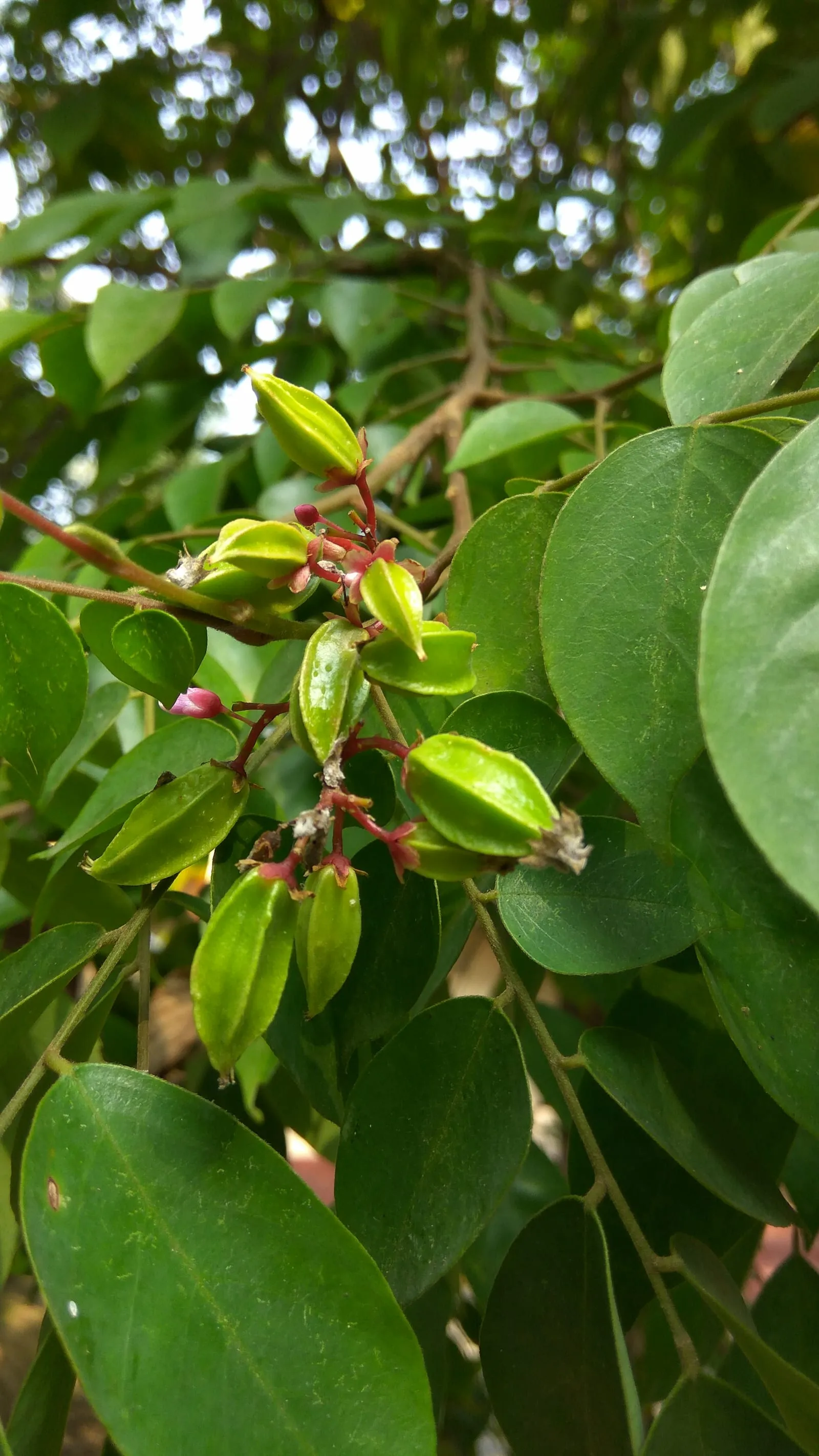 zone 12b
 Starfruit (Carambola)
Averrhoa carambola
zones 10b–13b
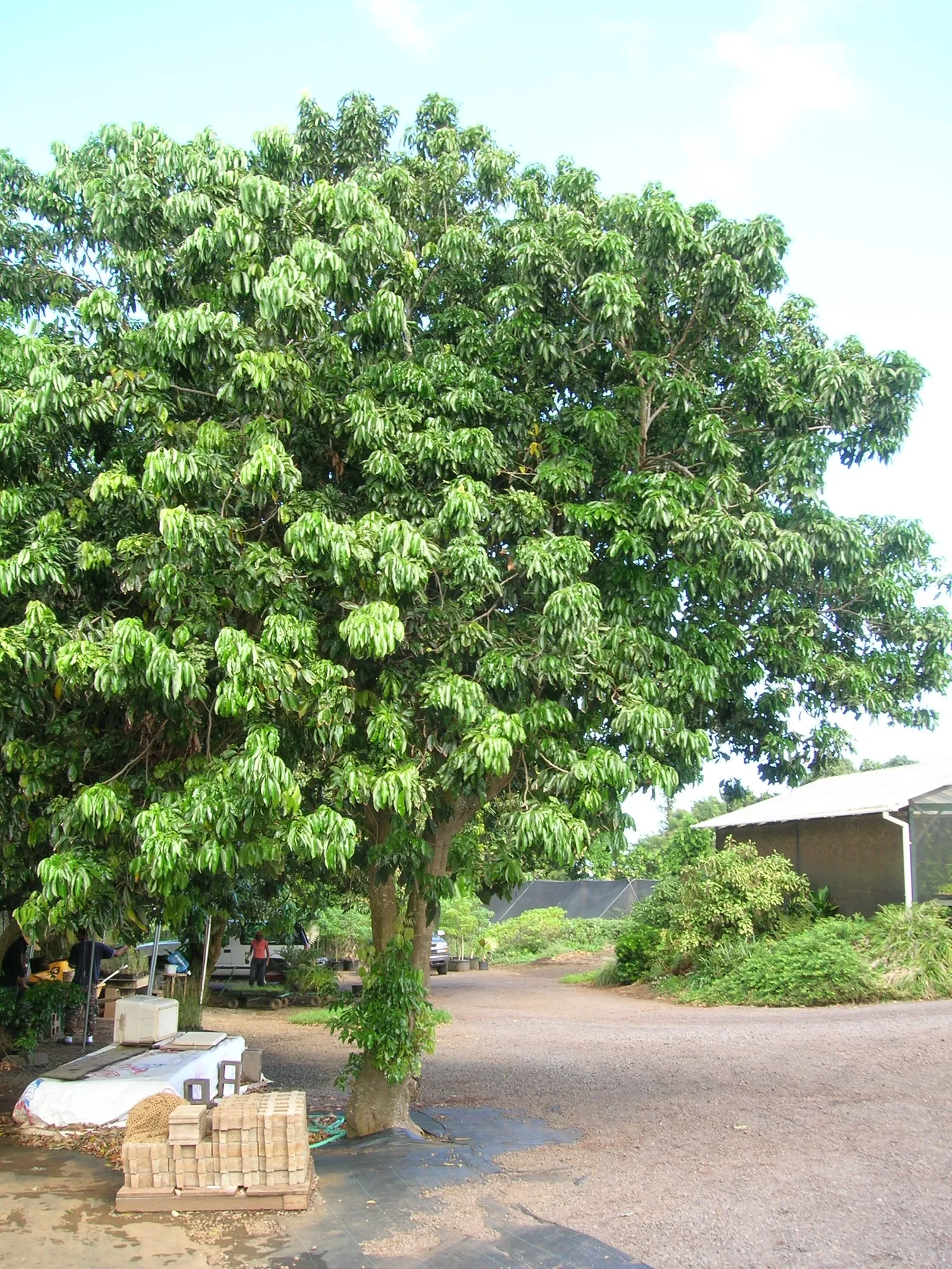 zone 12b
 Lychee
Litchi chinensis
zones 10a–12b
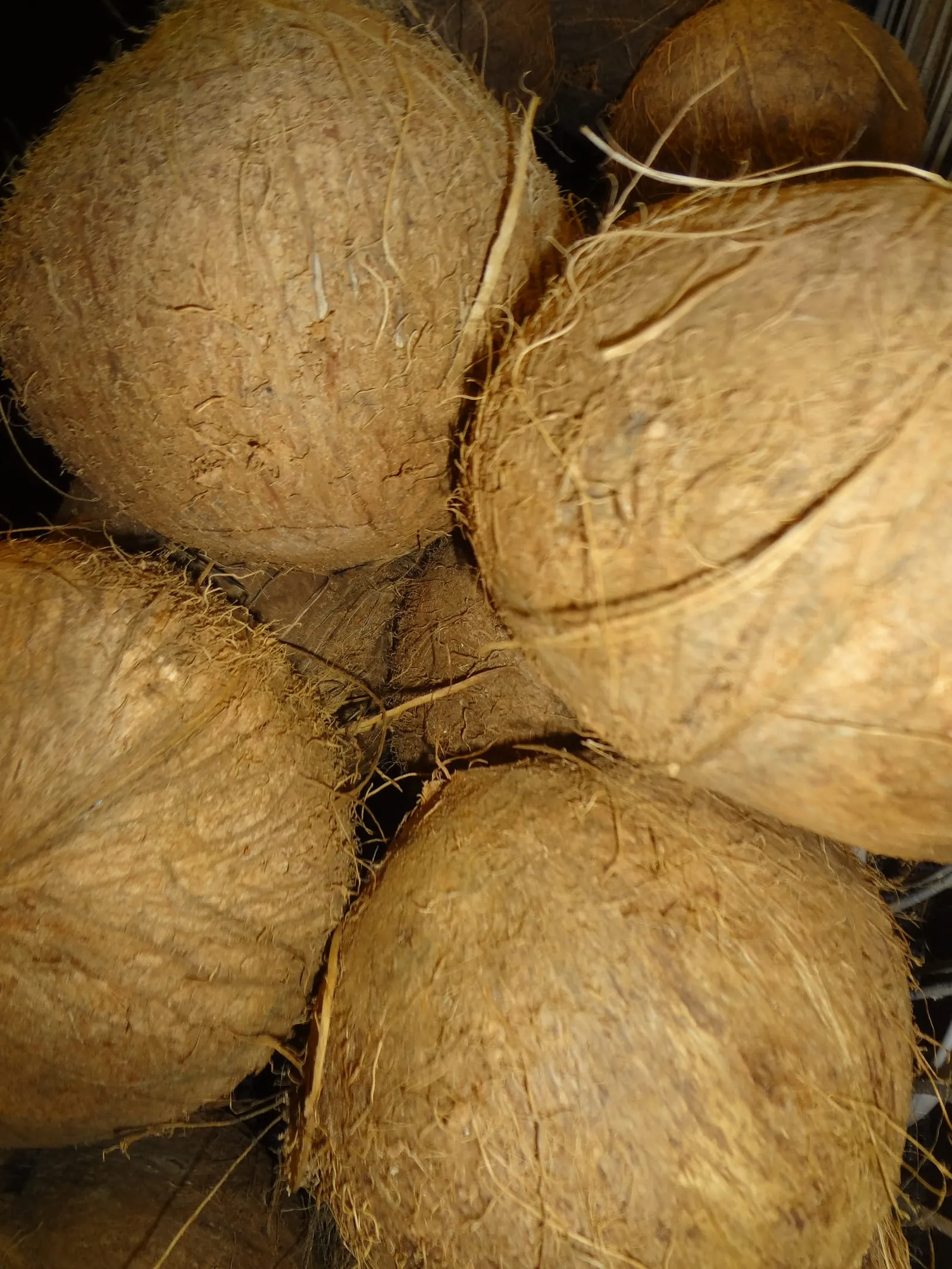 zone 12b
 Coconut
Cocos nucifera
zones 11a–13b
Berries
2 crops
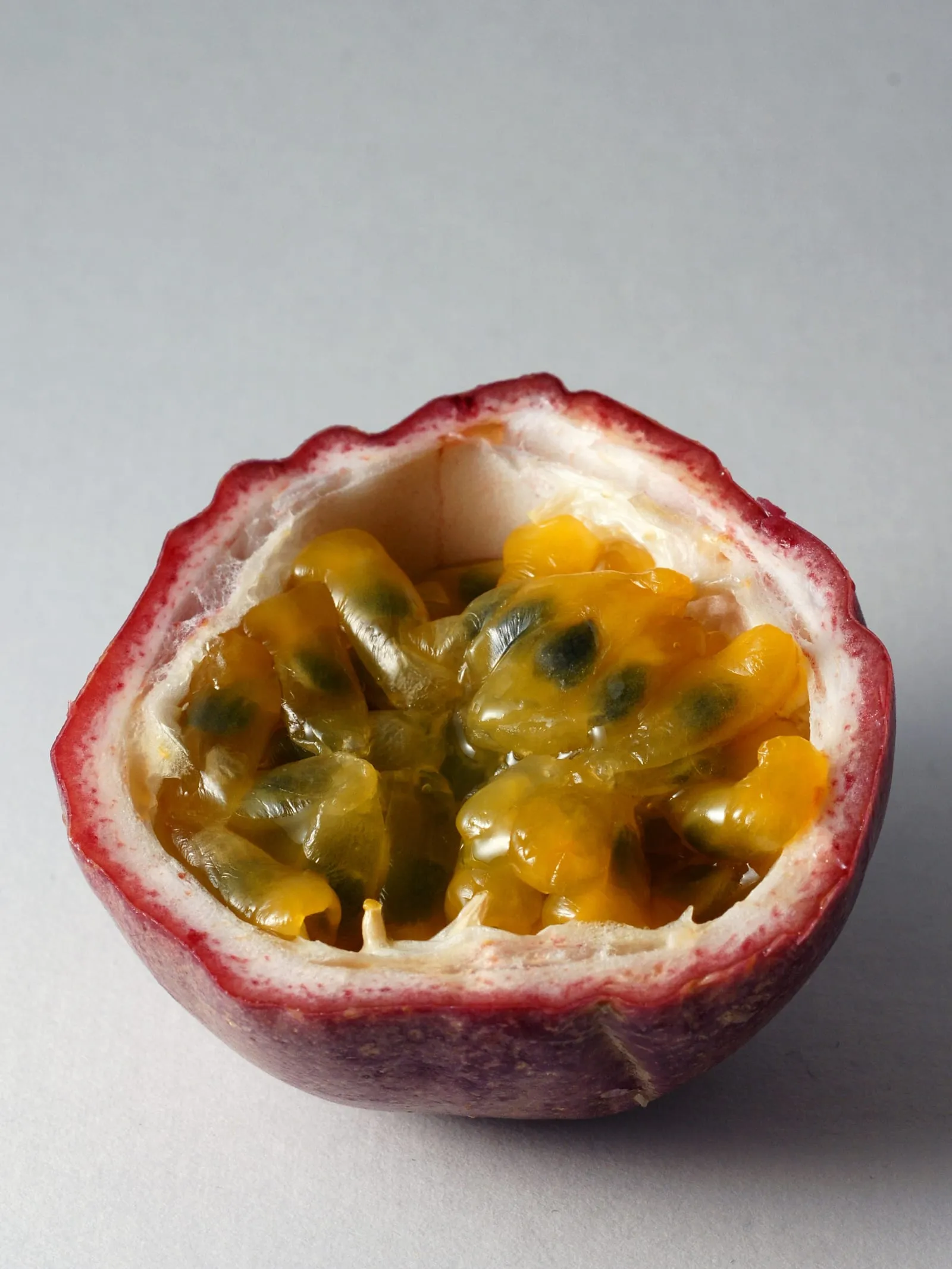
When to plant
Planting calendar for zone 12b
Year-view of seed starting, transplanting, planting, pruning, fertilizing, harvest, and pest-watch windows based on the average frost timing for zone 12b.
Week ? · loading
This week in zone 12b
Quiet week in zone 12b. this week is a good time to step back and plan ahead.
Nothing critical on the calendar this week.
48 bars · 10 crops
Calendar logic combines NOAA frost normals with crop-specific timing data. Local microclimate and weather always overrules the calendar; use this as a starting point.
Frequently asked questions
- Can I grow apples or other temperate fruit in zone 12b?
Standard apple cultivars require 800 to 1,200 chill hours annually and will not perform in zone 12b, where chill-hour accumulation is effectively zero. Low-chill varieties such as 'Anna' and 'Dorsett Golden', developed for warm climates, require roughly 100 to 200 chill hours and may produce at cooler elevations within the zone, but results are inconsistent. Most zone 12b growers focus on tropical fruits genuinely adapted to the conditions.
- What fruits are most productive in zone 12b?
Papaya, banana, avocado (including cultivars selected for Hawaii and Caribbean conditions), breadfruit, longan, lychee, carambola, soursop, rambutan, and most citrus varieties are reliably productive in zone 12b. Mango performs well where a distinct dry season allows reliable flowering cycles to develop naturally.
- How do I manage pests year-round without a winter break to reset populations?
Year-round pest pressure is one of the defining challenges of zone 12b. An integrated approach works best: monitor regularly, set population thresholds before applying treatments, rotate chemical classes to slow resistance development, and use biological controls where practical. University of Hawaii CTAHR and Puerto Rico's agricultural extension both publish pest management calendars specific to local species and conditions.
- Can I grow tomatoes and peppers year-round in zone 12b?
Warm-season vegetables like tomatoes, peppers, eggplant, and cucumbers can be planted in most months in zone 12b. Humidity and insect pressure peak during wet seasons and can reduce yields significantly for disease-sensitive crops. Many experienced growers in Hawaii and Puerto Rico time plantings to avoid the most intense wet-season periods, even though the calendar technically permits year-round production.
- Does zone 12b ever get cold enough to damage tropical plants?
Occasional cold events, particularly at higher elevations or during rare cold fronts, can push temperatures toward 50°F or below. These events are infrequent but can damage cold-sensitive crops like papaya and banana. Ground-level temperatures during brief cold spells are the critical measure. Most established plantings in zone 12b survive a typical year without protection, but unusual cold winters do occur and are worth tracking.
- What is the main difference between zone 11b and zone 12b for fruit growers?
Zone 11b, with minimum temperatures of 45°F to 50°F, accumulates a small but potentially meaningful number of chill hours annually, making some low-chill temperate varieties marginally viable at higher elevations. Zone 12b, with minimums of 55°F to 60°F, does not accumulate usable chill hours under most conditions. The practical result is that zone 12b growers should focus entirely on tropical and subtropical species rather than attempting any temperate cultivars.
+−
+−
+−
+−
+−
+−
Related