USDA hardiness zone
Zone 11b
Warm tropical zone supporting most tropical fruit crops year-round.
On the zone ramp
- Lowest winter temp
- 45°F to 50°F USDA boundary
- Growing season
- 365 days
- Avg chill hours
- 0 below 45°F
- Hardiness rank
- 22 of 26 warm side
- Compatible crops
- 15
- Sample region
- Coastal Hawaii
Growing in zone 11b
Zone 11b represents the warmest USDA hardiness designation applied to any US territory, with winter lows holding between 45°F and 50°F. The zone covers coastal Hawaii and the southernmost reaches of the Florida Keys. Frost is absent, and the growing season runs the full calendar year.
The dominant constraint here is not cold but its absence. Temperate crops such as apples, stone fruits, and pears require sustained chilling below 45°F to break dormancy and set fruit reliably. Zone 11b delivers none of that chilling, which effectively eliminates most of what gardeners in colder zones take for granted. What thrives instead is a roster of tropical and subtropical species: papaya, breadfruit, starfruit, longan, rambutan, dragon fruit, and banana, along with year-round production of warm-season vegetables that growers in zone 5 produce only during summer months.
Hawaiian microclimates driven by elevation and trade winds create considerable variation within the zone designation. The Florida Keys add salt spray and shallow limestone soils to the picture. Gardeners here work with site-specific constraints that the zone number alone does not capture.
Frost timing in zone 11b
Zone 11b records no frost events under normal conditions. The USDA zone designation is based on average annual minimum temperature, and at 45°F to 50°F, that minimum never reaches freezing. The concepts of last spring frost and first fall frost do not apply here.
The relevant timing constraint in this zone is chill hours, defined as cumulative hours where temperatures fall below 45°F. In coastal Hawaii and the Florida Keys, annual chill-hour accumulation is effectively zero. Most temperate fruit trees require 200 to 1,200 chill hours depending on variety. Without adequate chilling, dormancy does not break properly, leading to erratic flowering, poor fruit set, and eventual tree decline.
Some breeding programs have developed ultra-low-chill apple and peach selections rated at 100 to 150 chill hours, but even those perform unreliably at near-zero accumulation. Crop selection in zone 11b should center on species with no chill requirement rather than attempting to coax temperate varieties into marginal performance.
Common challenges
- ▸ Year-round pest pressure
- ▸ Salt spray near coasts
- ▸ No winter dormancy for traditional temperate species
Best practices
Three practices have outsized impact on outcomes in zone 11b.
Manage salt spray proactively on coastal sites. Salt deposited on foliage causes leaf burn and stunted growth over time. Selecting salt-tolerant species for exposed positions, combined with periodic rinsing of foliage after storm events, reduces damage significantly. Windbreaks using locally adapted species can buffer interior planting areas from the worst salt load.
Treat pest pressure as a year-round management task rather than a seasonal one. Without a killing frost to interrupt pest cycles, populations of scale insects, mealybugs, aphids, and whiteflies build continuously. Scheduled scouting every two to three weeks, with targeted interventions at early infestation, keeps populations from reaching economically significant levels. Beneficial insect habitat plantings support natural biocontrol alongside those efforts.
Build soil organic matter deliberately. Tropical heat and humidity accelerate decomposition, meaning organic matter breaks down faster than in temperate zones. Regular incorporation of compost, aged wood chips, or green manure crops counteracts rapid depletion and maintains the water-holding capacity that shallow or sandy soils lack.
What to grow in zone 11b
15 crops from our database fit zone 11b, grouped by type. Click through for zone-specific variety recommendations.
Tree fruit
12 crops
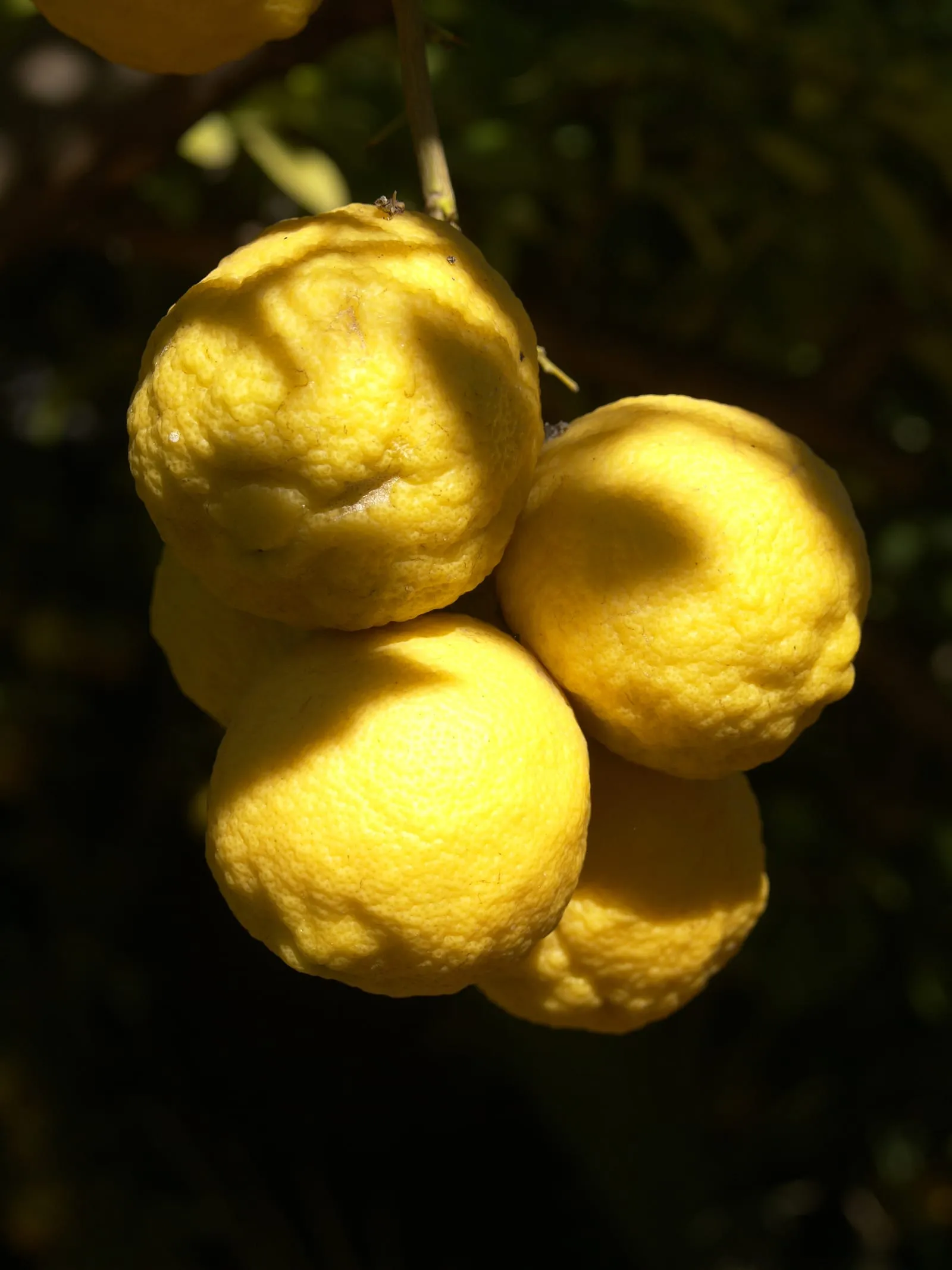 zone 11b
 Lemon
Citrus limon
zones 9a–11b
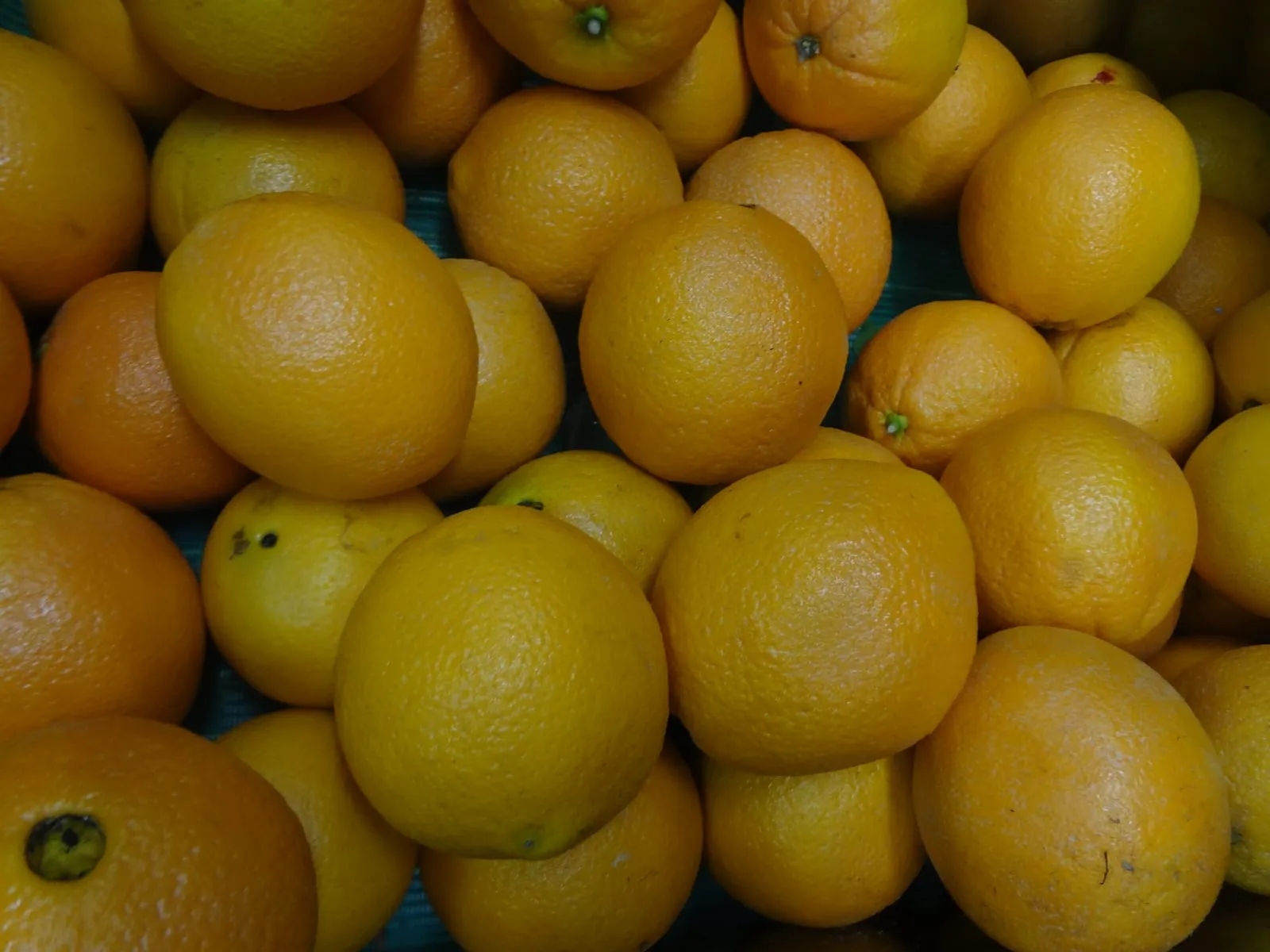 zone 11b
 Orange
Citrus sinensis
zones 9a–11b
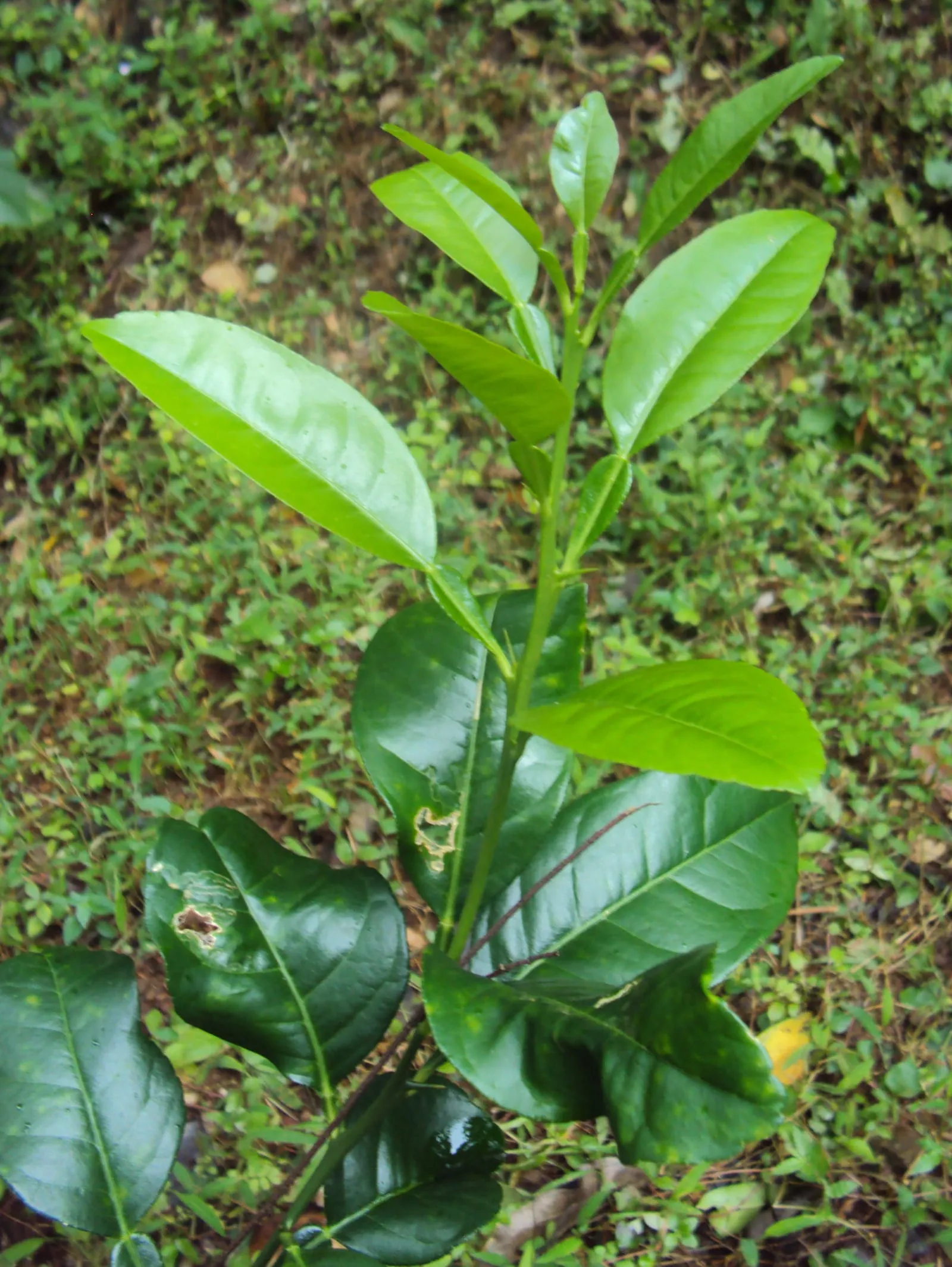 zone 11b
 Lime
Citrus aurantiifolia
zones 9b–11b
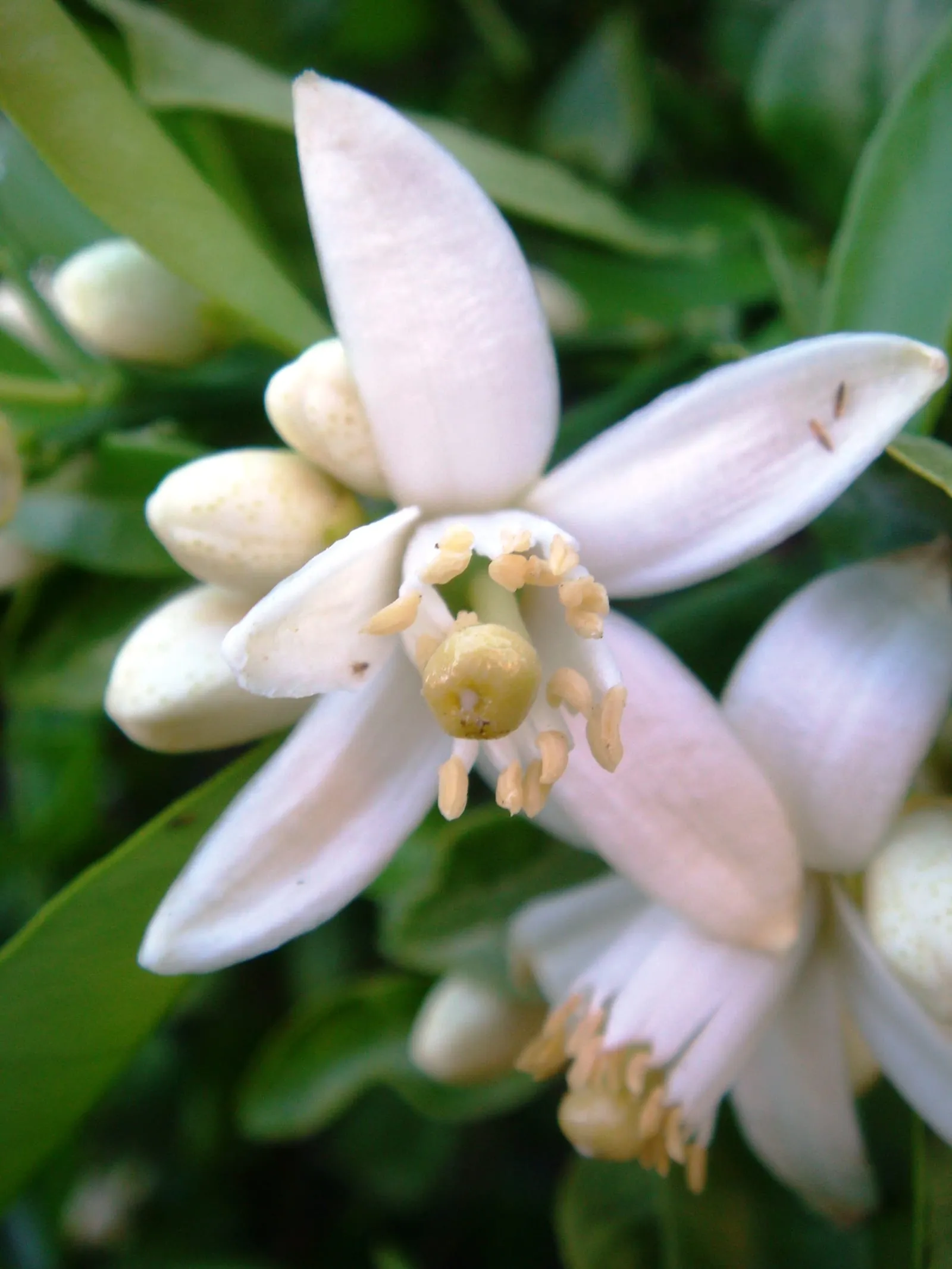 zone 11b
 Grapefruit
Citrus paradisi
zones 9a–11b
 zone 11b
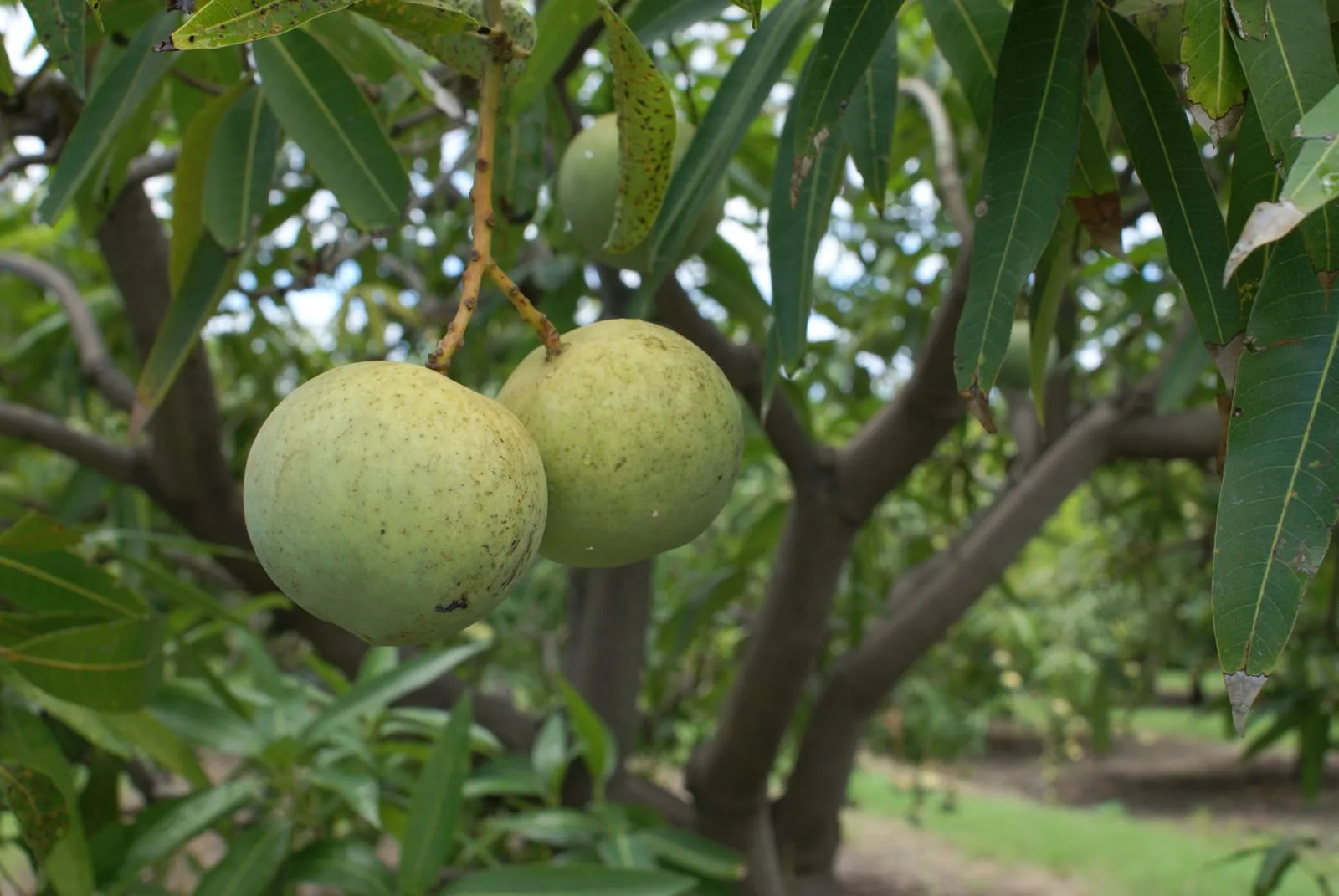
 Mango
Mangifera indica
zones 10b–13b
 zone 11b
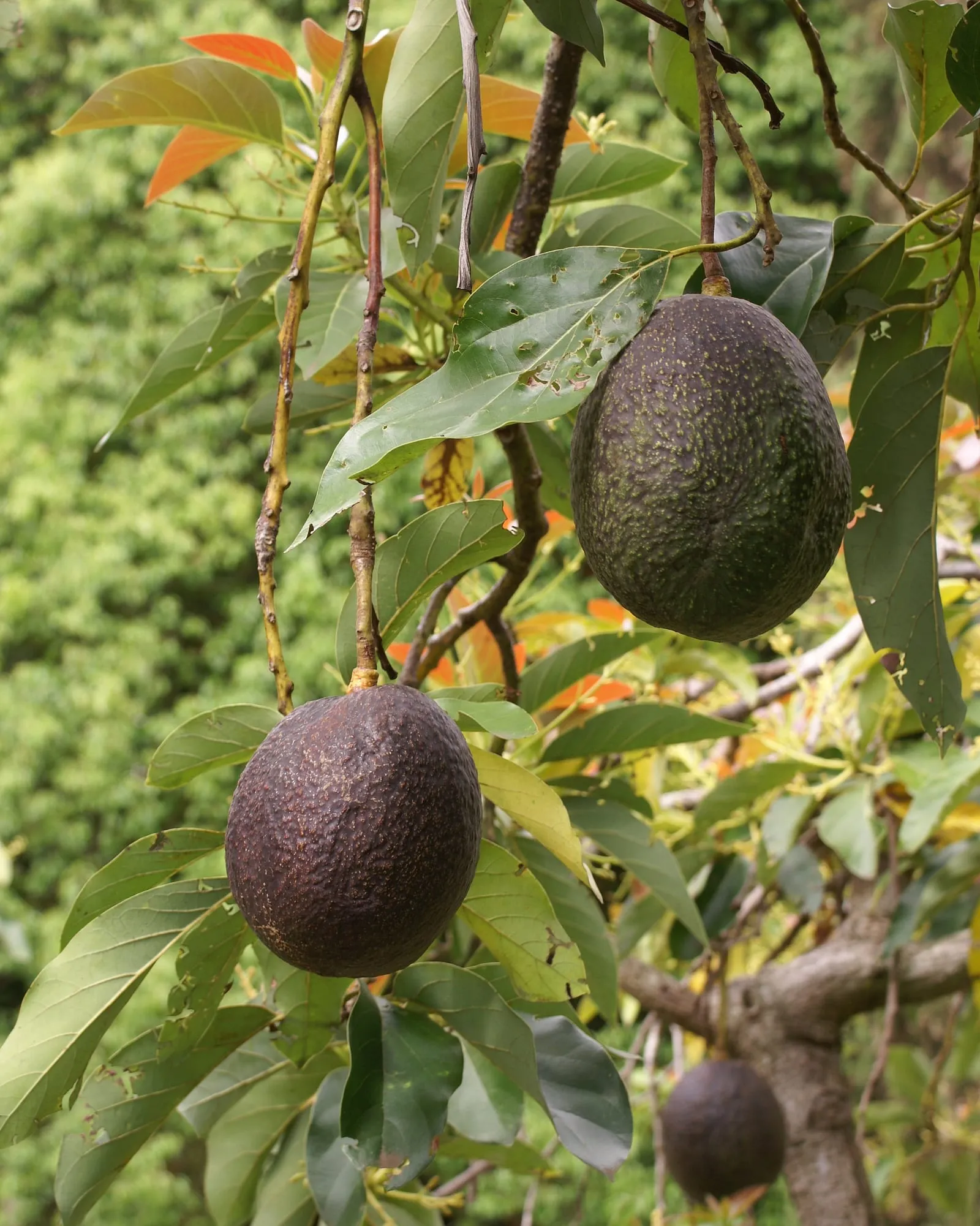
 Avocado
Persea americana
zones 9b–11b
 zone 11b
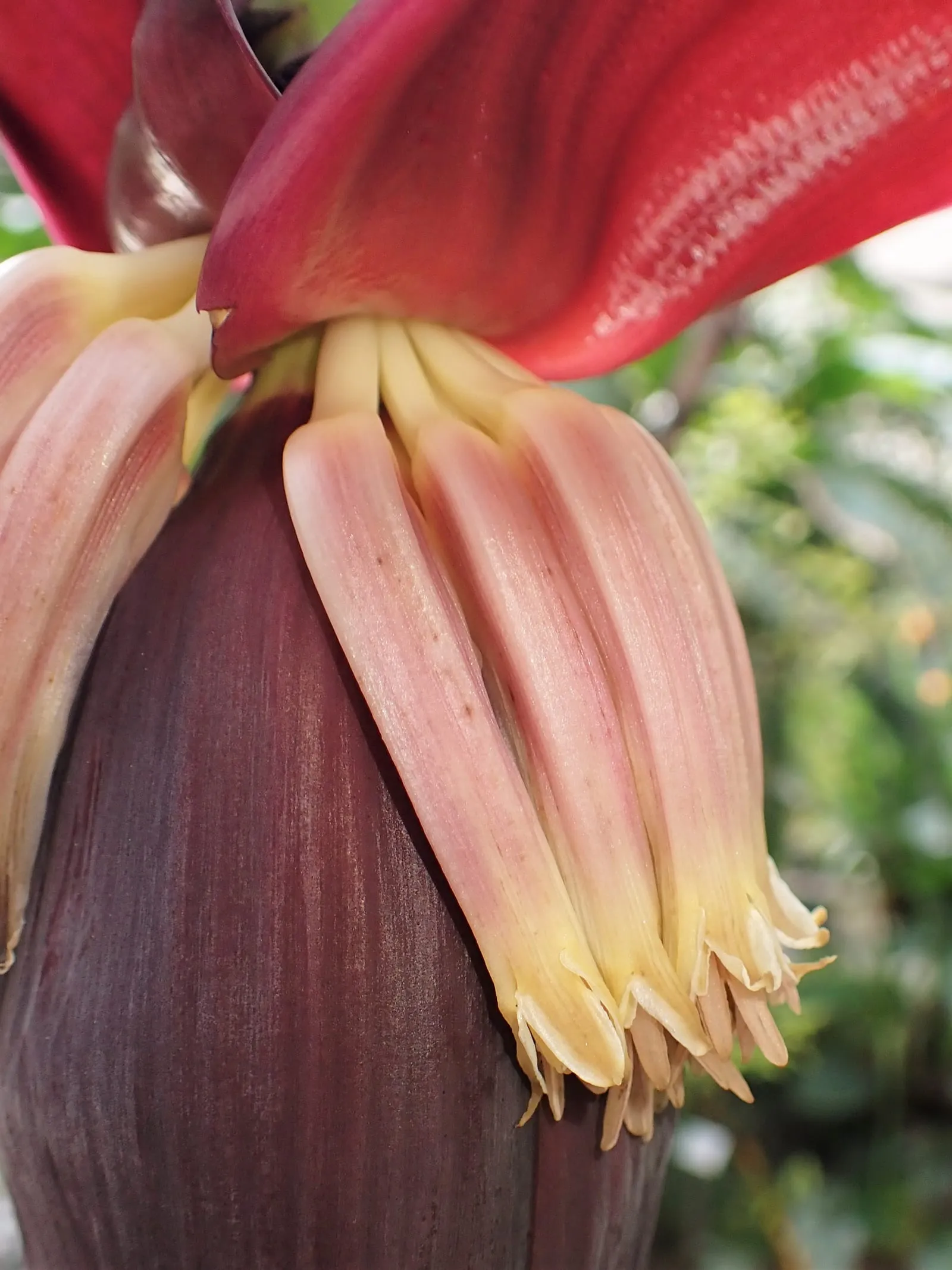
 Banana
Musa acuminata
zones 9b–13b
 zone 11b
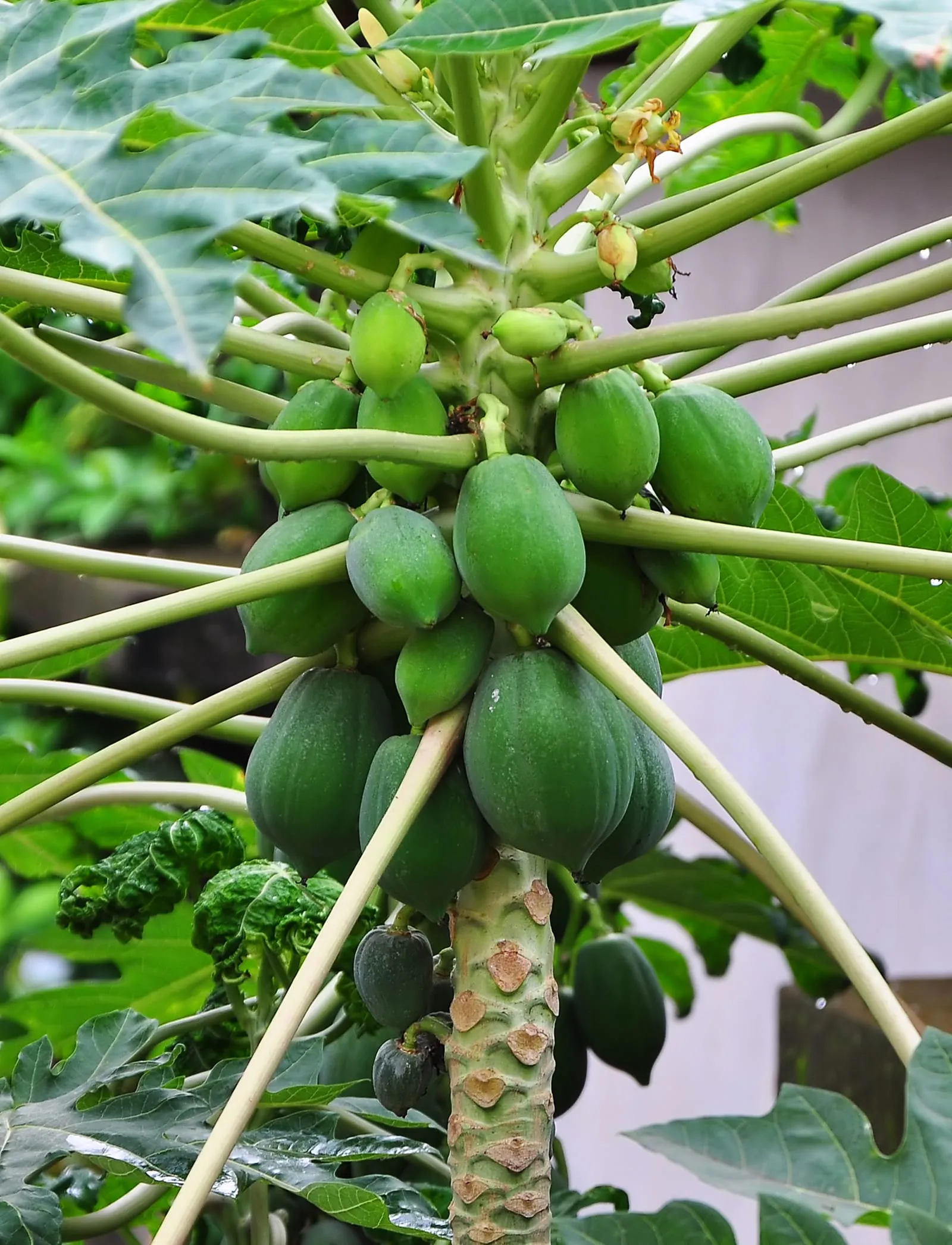
 Papaya
Carica papaya
zones 10a–13b
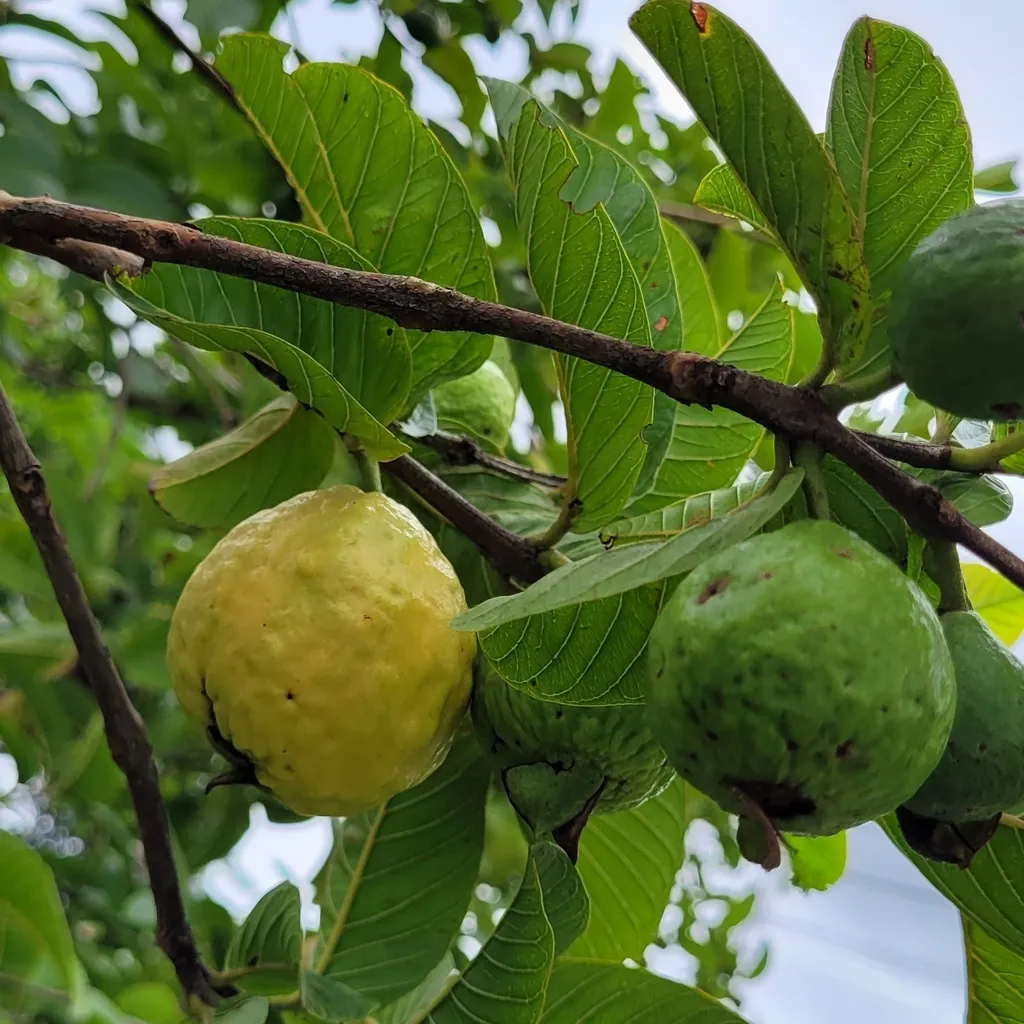 zone 11b
 Guava
Psidium guajava
zones 9b–12b
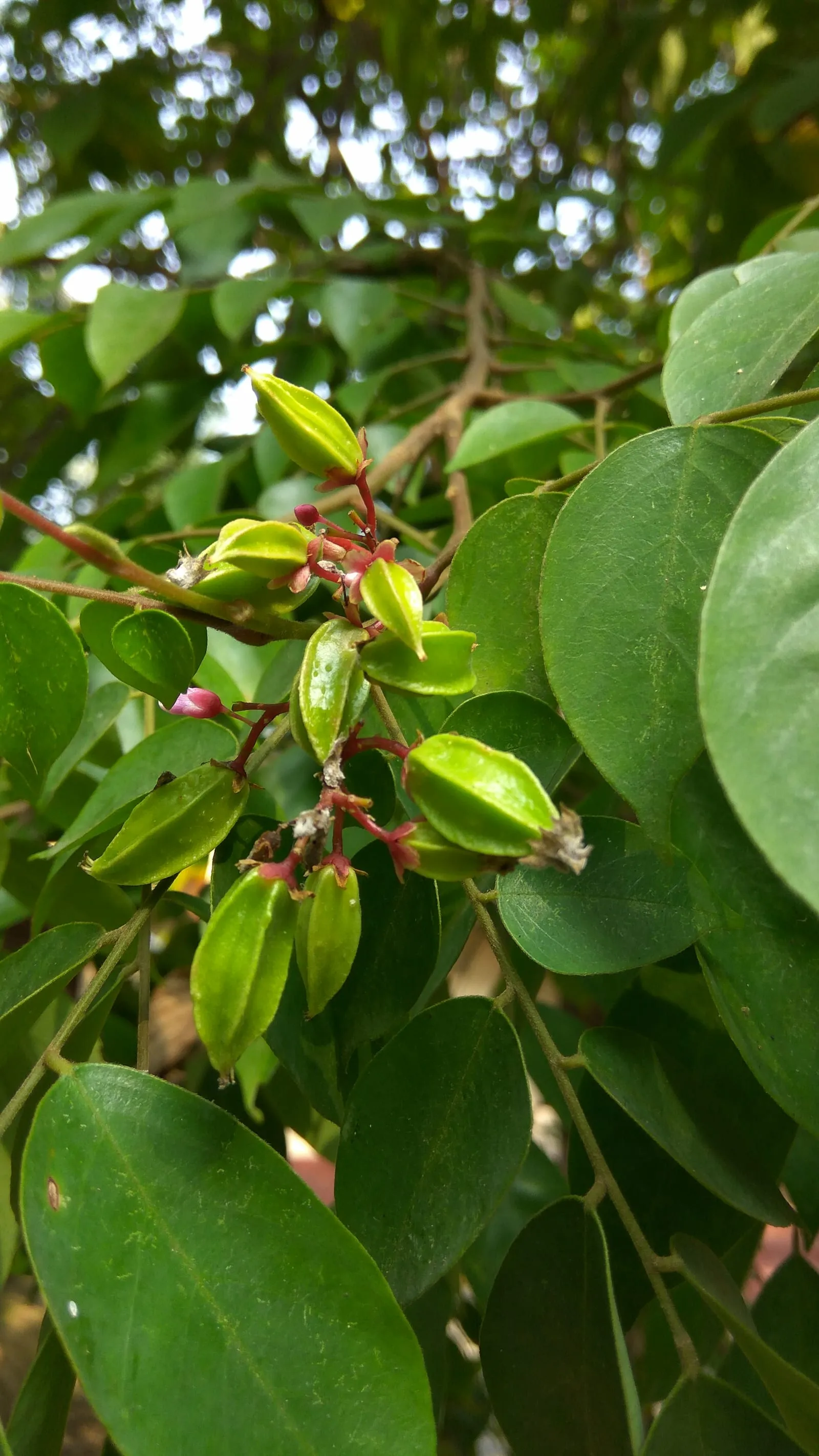 zone 11b
 Starfruit (Carambola)
Averrhoa carambola
zones 10b–13b
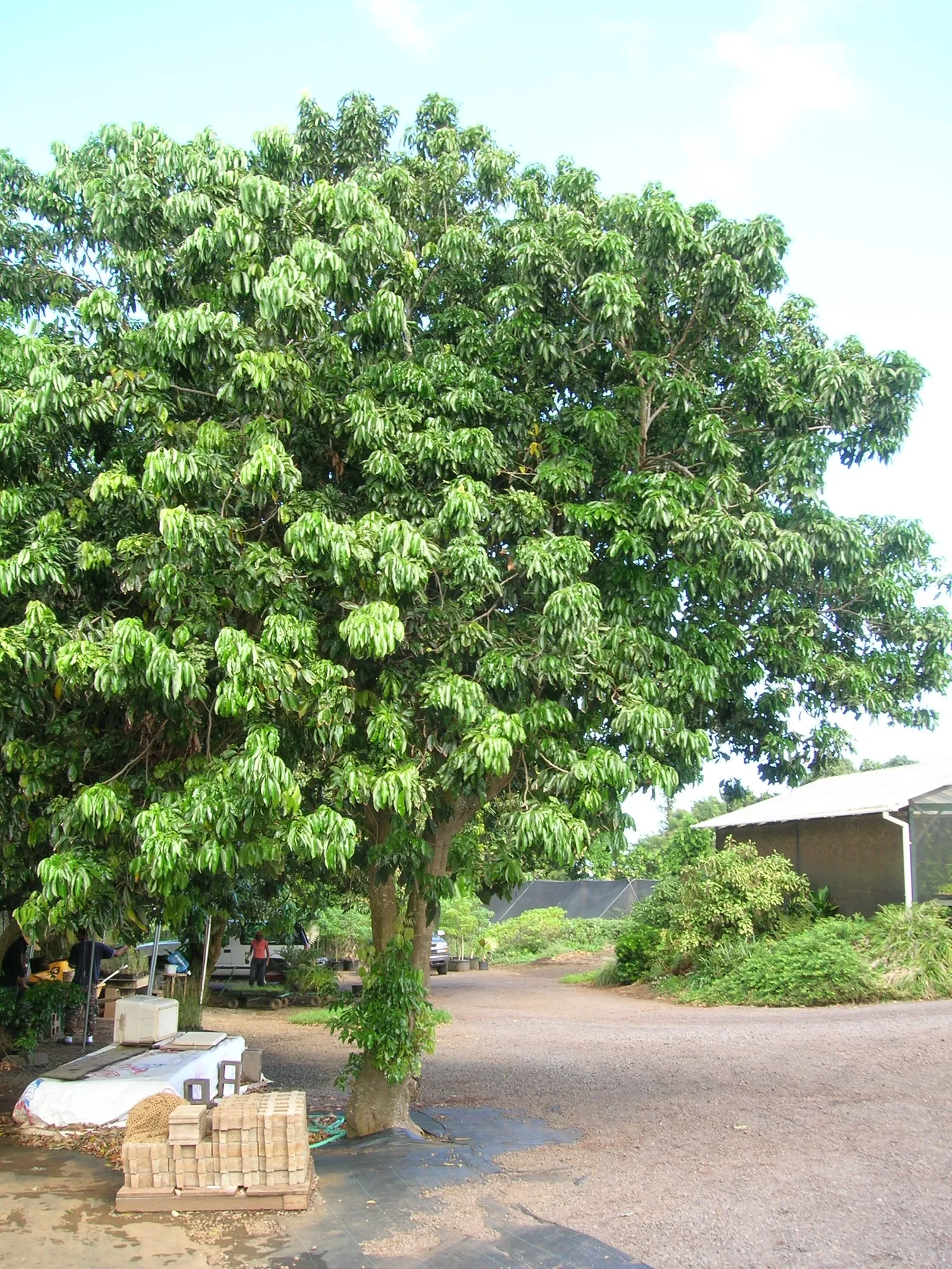 zone 11b
 Lychee
Litchi chinensis
zones 10a–12b
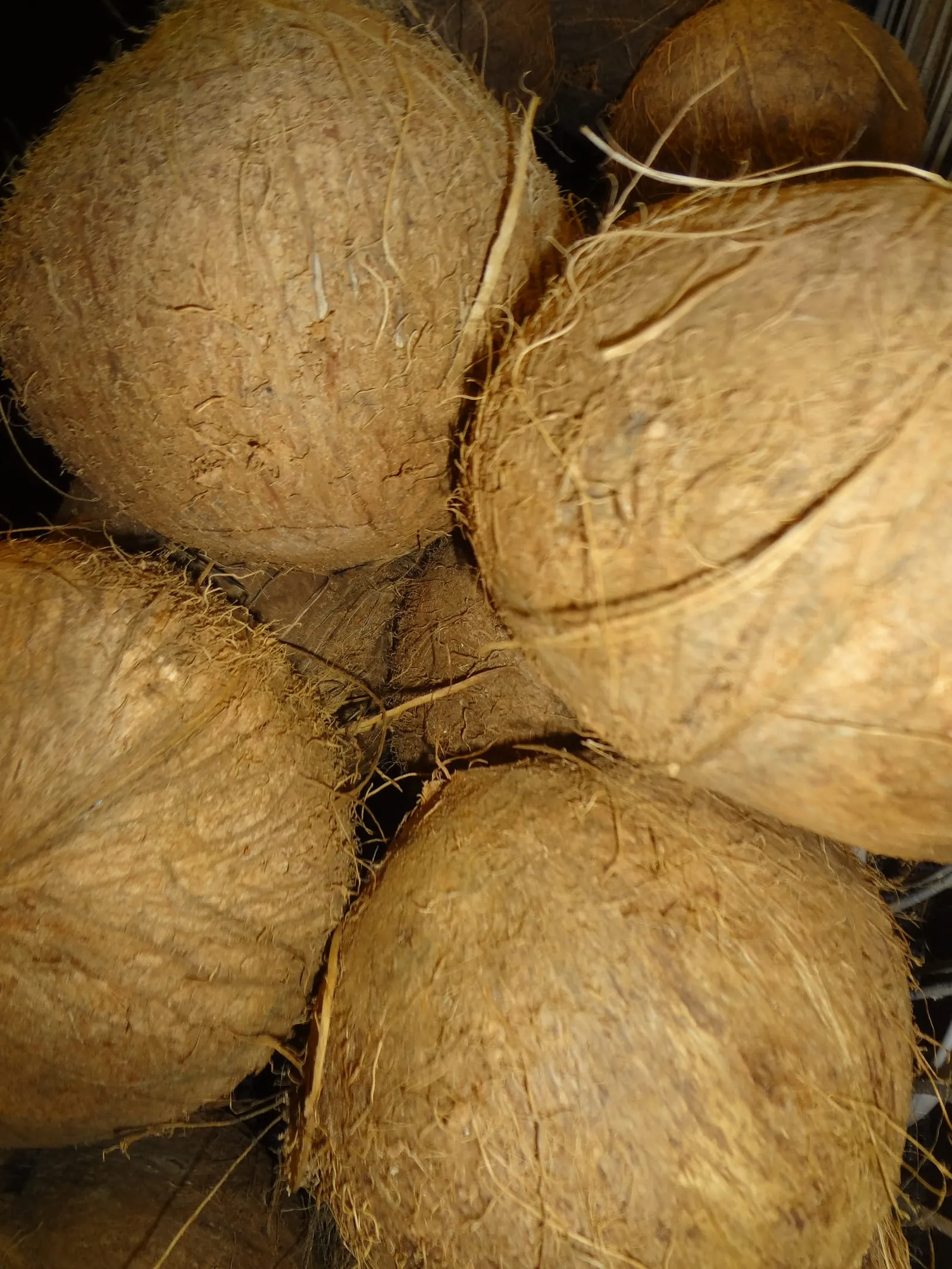 zone 11b
 Coconut
Cocos nucifera
zones 11a–13b
Berries
2 crops
When to plant
Planting calendar for zone 11b
Year-view of seed starting, transplanting, planting, pruning, fertilizing, harvest, and pest-watch windows based on the average frost timing for zone 11b.
Week ? · loading
This week in zone 11b
Quiet week in zone 11b. this week is a good time to step back and plan ahead.
Nothing critical on the calendar this week.
73 bars · 15 crops
Calendar logic combines NOAA frost normals with crop-specific timing data. Local microclimate and weather always overrules the calendar; use this as a starting point.
Frequently asked questions
- Can any apple varieties grow in zone 11b?
Ultra-low-chill selections such as 'Anna' (200 to 300 chill hours) and 'Dorsett Golden' (100 to 200 chill hours) are the closest options, but both require more chilling than zone 11b typically delivers. Results are inconsistent at sea-level coastal sites. Higher-elevation Hawaiian locations that accumulate some cool hours offer a better chance.
- Does zone 11b ever get frost?
Under normal conditions, no. The USDA zone designation reflects a minimum winter temperature of 45°F to 50°F, well above freezing. Atypical cold outbreaks can push temperatures below the zone average, but reaching 32°F at sea-level coastal sites in Hawaii or the Florida Keys is rare.
- What tropical fruits perform most reliably in zone 11b?
Papaya, banana, starfruit (carambola), longan, lychee, rambutan, breadfruit, and dragon fruit all perform reliably given adequate drainage and water. Longan and lychee benefit from occasional cool periods to synchronize flowering, so lowland coastal sites may yield less consistently than higher-elevation Hawaiian locations with some seasonal temperature variation.
- How do you manage pests without a winter frost to reset populations?
Year-round scouting is the foundation. Without a seasonal die-off, pest populations accumulate continuously. Beneficial insect habitat, physical barriers where practical, and targeted treatments applied at first detection prevent the compounding that makes infestations harder to reverse. Waiting for visible damage before responding is too late in a 365-day growing season.
- Is salt spray a serious problem for fruit trees near the coast?
On exposed sites, yes. Salt deposited on leaves causes chronic stress that limits growth and fruit quality over time. Siting plantings behind windbreaks, choosing salt-tolerant species for perimeter rows, and periodically rinsing foliage after salt-laden wind events reduces but does not eliminate the problem. Varieties bred for tropical coastal conditions generally handle salt exposure better than selections developed for inland sites.
- What vegetables can be grown year-round in zone 11b?
Warm-season crops including tomatoes, peppers, eggplant, cucumbers, beans, and sweet potatoes can be grown across most months. Fruit set on some crops may drop during the hottest summer periods. Leafy greens perform better during the cooler months (roughly November through February) when temperatures ease and bolting pressure is reduced.
+−
+−
+−
+−
+−
+−
Related