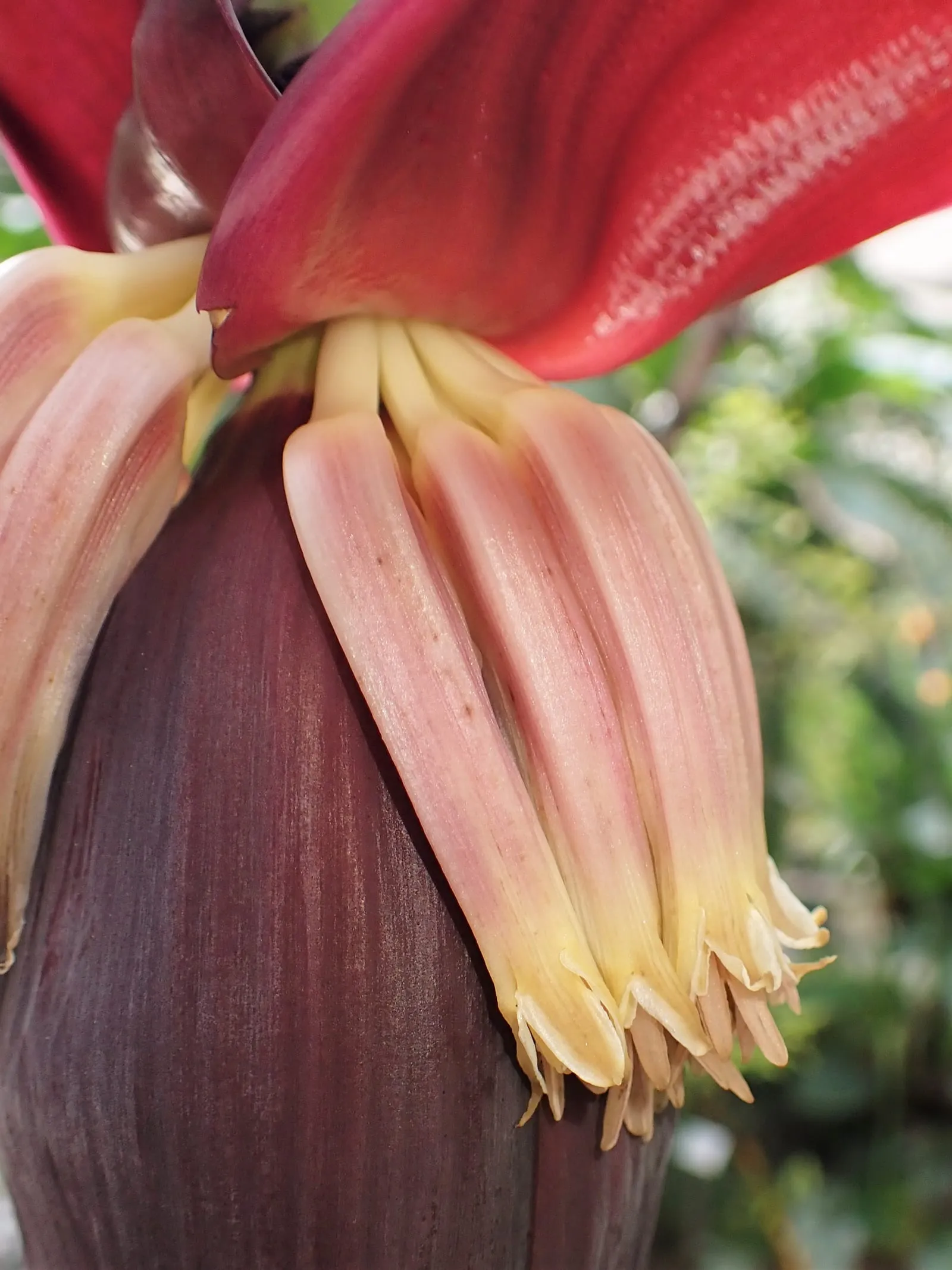
fruit tree in zone 11b
Growing banana in zone 11b
Musa acuminata
- Zone
- 11b 45°F to 50°F
- Growing season
- 365 days
- Chill needed
- 0 below 45°F
- Suitable varieties
- 5
- Days to harvest
- 270 to 365
The verdict
Zone 11b is about as well-matched to banana as any USDA zone gets. Minimum winter temperatures of 45 to 50°F mean the pseudostems rarely take cold damage, and the 365-day growing season aligns perfectly with banana's year-round growth cycle. Bananas require zero chill hours, so the absence of winter dormancy is an asset rather than a gap.
This is not a marginal zone for the crop. Most edible banana varieties perform at or near their productive ceiling here, with multiple ratoon cycles possible without replanting. The main limiting factors are not temperature but soil drainage, wind exposure, and disease pressure. Coastal sites face the additional complication of salt spray, which causes leaf scorch and can reduce fruit set if left unmanaged. Inland zone 11b plantings tend to be more straightforward, provided irrigation is available during dry periods.
Recommended varieties for zone 11b
5 cultivars suited to this zone, with disease-resistance and zone-fit annotations.
| Variety | Notes | Zone fit | Disease resistance |
|---|---|---|---|
| Cavendish (Williams) fits zone 11b | Mild sweet flesh that's everyone's reference banana; the supermarket standard. Threatened by Tropical Race 4 Panama disease worldwide. | | none noted |
| Apple Banana (Manzano) fits zone 11b | Short fat fruit with a tangy apple-strawberry note; eaten when skin is fully blackened. Hardy and productive in marginal subtropical sites. | | none noted |
| Ice Cream (Blue Java) fits zone 11b | Silvery-blue peel and creamy vanilla flesh that earns the name; eaten fresh or frozen for soft-serve texture. Cold-hardier than most for a banana. | | none noted |
| Goldfinger (FHIA-01) fits zone 11b | Modern Honduran hybrid with apple-like sweet-tart flavor; bred for Panama disease resistance. Wind-tolerant and productive in cyclone-prone areas. | |
|
| Plantain (Dwarf Puerto Rican) fits zone 11b | Starchy cooking banana for frying, boiling, and tostones; never eaten raw at green stage. Compact pseudostem (~8 ft) for backyard production. | | none noted |
Critical timing for zone 11b
Because zone 11b is functionally frost-free year-round, banana planting and establishment can proceed in any month. That said, planting at the start of the wet season (where applicable) speeds early growth by reducing irrigation demands. From a healthy sucker or tissue-culture plant, most varieties take 9 to 18 months to produce the first flower stalk, depending on cultivar vigor and growing conditions.
Once a stalk emerges, fruit development to harvest typically takes 3 to 5 months. Cavendish types trend toward the shorter end; Ice Cream and Goldfinger can run longer. There is no frost timing to navigate here. Bloom windows are not constrained by the calendar in zone 11b, which means sequential planting of suckers produces a near-continuous harvest cycle rather than a single annual flush.
Common challenges in zone 11b
- ▸ Year-round pest pressure
- ▸ Salt spray near coasts
- ▸ No winter dormancy for traditional temperate species
Disease pressure to watch for
Modified care for zone 11b
Year-round pest pressure is the most significant management difference in zone 11b. Without a cool-season break to suppress populations, aphids, mealybugs, and weevils persist continuously and require monitoring throughout the year rather than a defined spray window.
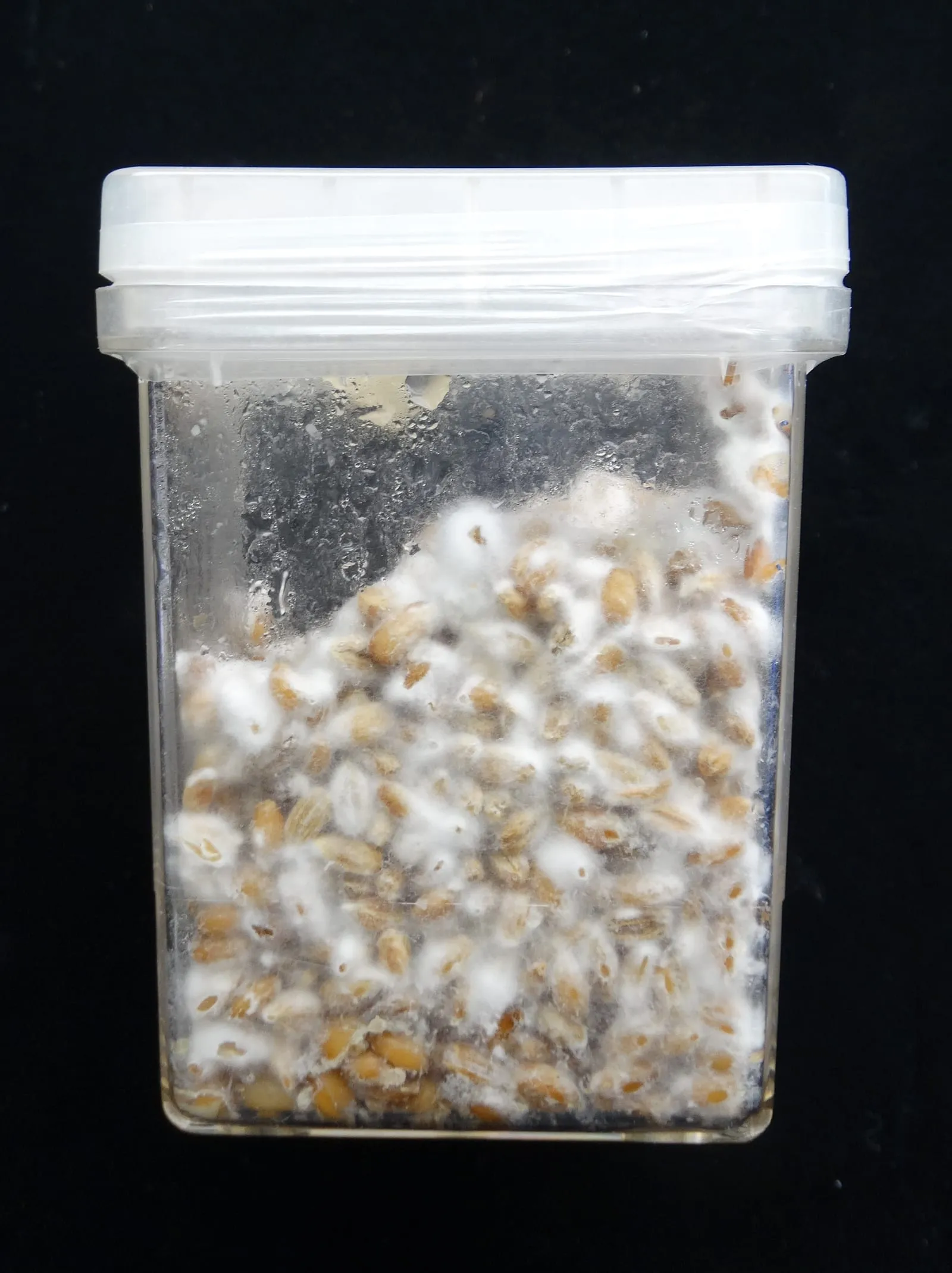
Panama Disease (Fusarium wilt) warrants particular attention. The pathogen persists in soil indefinitely, and zone 11b's warm, moist conditions favor its spread. Goldfinger (FHIA-01) carries useful resistance and is worth prioritizing on sites with a history of the disease. Cavendish is susceptible to the TR4 strain and should not be planted in soils where that strain is known to be present.
Coastal plantings need windbreaks or placement on the lee side of structures to reduce salt spray. Rinsing foliage during extended dry periods with salt-laden wind events helps prevent cumulative leaf damage. Sooty mold, which grows on aphid and mealybug honeydew, resolves by controlling the insect source rather than treating the mold directly.
Banana in adjacent zones
Image: "Musa acuminata kz01", by Krzysztof Ziarnek, Kenraiz, via Wikimedia Commons, licensed under CC-BY Source.

Related