fruit tree in zone 11a
Growing banana in zone 11a
Musa acuminata
- Zone
- 11a 40°F to 45°F
- Growing season
- 365 days
- Chill needed
- 0 below 45°F
- Suitable varieties
- 5
- Days to harvest
- 270 to 365
The verdict
Zone 11a is essentially a sweet spot for banana production. With minimum winter temperatures holding between 40 and 45°F and a 365-day growing season, bananas face none of the cold stress that limits them in cooler zones. Bananas require zero chill hours, making them true tropicals that thrive precisely where most temperate fruit trees cannot survive.
The primary concerns in zone 11a are not cold but the year-round pest and disease pressure that accompanies a warm, humid climate. Panama Disease (Fusarium wilt) is a serious soil-borne threat with no chemical cure; variety selection is the main management lever. Goldfinger (FHIA-01) carries meaningful resistance, while Cavendish (Williams) is susceptible but still widely grown for its market familiarity and reliable yield.
For home growers, zone 11a offers a broader variety selection than any cooler climate, and bananas will produce fruit without any frost protection or winter management.
Recommended varieties for zone 11a
5 cultivars suited to this zone, with disease-resistance and zone-fit annotations.
| Variety | Notes | Zone fit | Disease resistance |
|---|---|---|---|
| Cavendish (Williams) fits zone 11a | Mild sweet flesh that's everyone's reference banana; the supermarket standard. Threatened by Tropical Race 4 Panama disease worldwide. | | none noted |
| Apple Banana (Manzano) fits zone 11a | Short fat fruit with a tangy apple-strawberry note; eaten when skin is fully blackened. Hardy and productive in marginal subtropical sites. | | none noted |
| Ice Cream (Blue Java) fits zone 11a | Silvery-blue peel and creamy vanilla flesh that earns the name; eaten fresh or frozen for soft-serve texture. Cold-hardier than most for a banana. | | none noted |
| Goldfinger (FHIA-01) fits zone 11a | Modern Honduran hybrid with apple-like sweet-tart flavor; bred for Panama disease resistance. Wind-tolerant and productive in cyclone-prone areas. | |
|
| Plantain (Dwarf Puerto Rican) fits zone 11a | Starchy cooking banana for frying, boiling, and tostones; never eaten raw at green stage. Compact pseudostem (~8 ft) for backyard production. | | none noted |
Critical timing for zone 11a
In zone 11a, bananas don't follow a seasonal bloom cycle. With no dormancy trigger and no frost window to work around, planting can happen year-round. A new sucker or tissue-culture plant established in spring or early summer will typically produce its first flower spike (inflorescence) within 9 to 15 months, depending on variety and site conditions. Cavendish types generally reach flower in 9 to 12 months; Ice Cream (Blue Java) and Apple Banana (Manzano) often take 15 to 18 months.
Once the inflorescence emerges, the hands develop and fill over roughly 3 to 5 months. The practical timing challenge in zone 11a is managing successive ratoon cycles so that the mat doesn't produce multiple harvests at once, which can strain processing and storage capacity for a home grower.
Common challenges in zone 11a
- ▸ No temperate fruit potential
- ▸ Year-round pest pressure
- ▸ Specialized crop selection
Disease pressure to watch for
Modified care for zone 11a
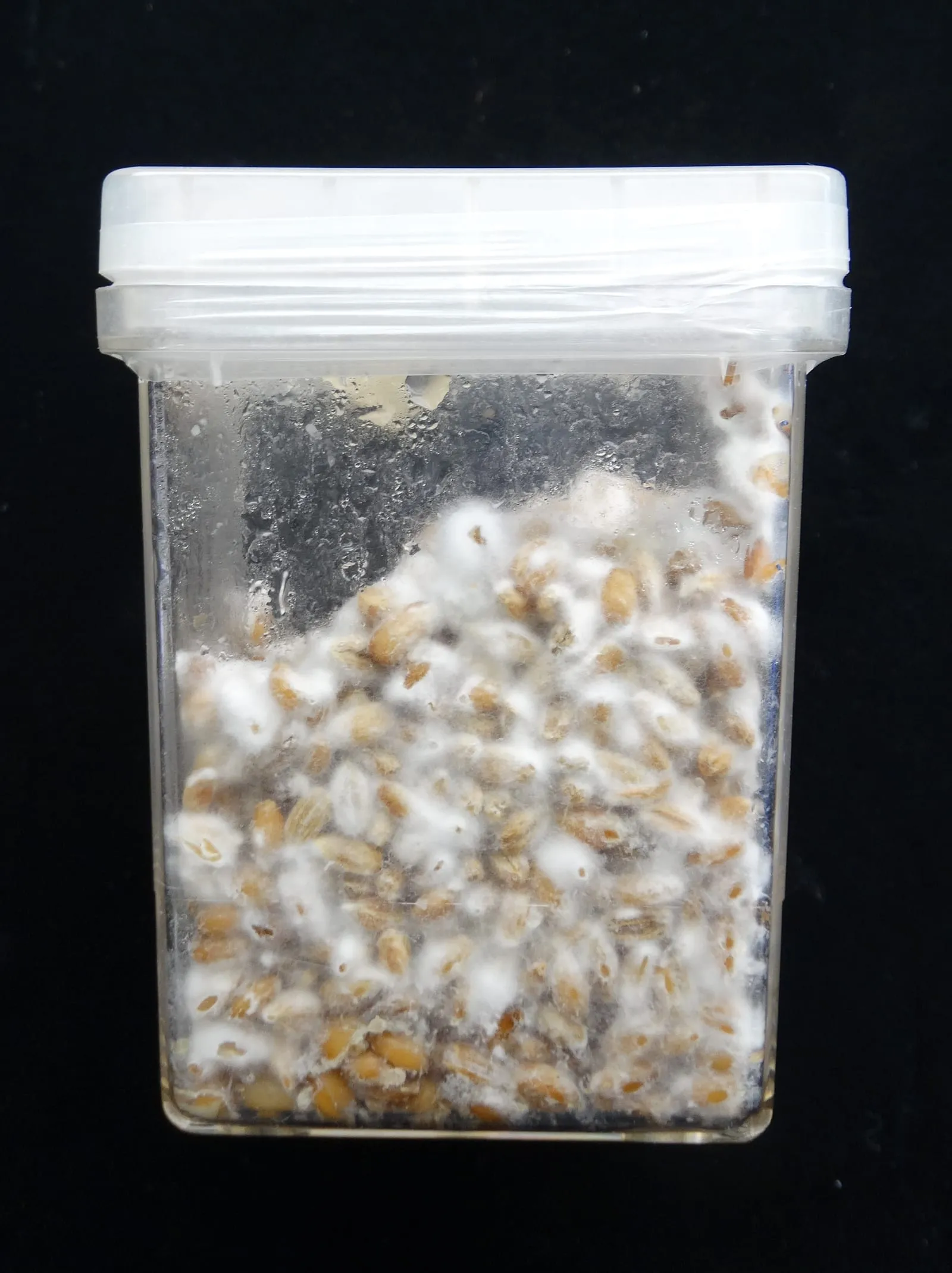
Cold protection is not a factor in zone 11a, but the continuous growing season creates different management demands. Sooty mold, a secondary fungal growth that colonizes the honeydew deposits of aphids, whiteflies, and mealybugs, can coat leaf surfaces and reduce photosynthesis in humid, low-airflow sites. Controlling the honeydew-producing insects is the practical first step; the mold itself resolves once the pest load drops.
Panama Disease (Fusarium wilt) is a long-term soil threat wherever bananas have been grown repeatedly. Starting with certified disease-free planting material and rotating planting sites when the garden layout allows reduces early exposure. Once Fusarium is established in a site, susceptible varieties cannot be reliably grown there. Goldfinger (FHIA-01) and Plantain types offer meaningfully better resistance.
Fertilization should be continuous given the year-round growth cycle. Bananas are heavy potassium feeders, and a consistent program with elevated K relative to N supports strong pseudostem development and fruit fill.
Frequently asked questions
- Can Cavendish bananas grow in zone 11a?
Yes, Cavendish (Williams) grows well in zone 11a and will fruit reliably given year-round warmth and no frost risk. The main limitation is susceptibility to Panama Disease (Fusarium wilt), which can make Cavendish a poor long-term choice on sites with a history of banana production.
- How long does it take a banana plant to fruit in zone 11a?
Most varieties produce their first flower spike within 9 to 18 months of planting, depending on variety and conditions. Cavendish types tend toward the shorter end (9 to 12 months); Ice Cream and Apple Banana types typically take 15 to 18 months. After the flower spike appears, fruit fills over roughly 3 to 5 more months.
- Do bananas need any winter protection in zone 11a?
No. Zone 11a minimum temperatures (40 to 45°F) remain above the cold threshold that damages banana foliage and kills pseudostems. No frost protection, mulching for cold, or cut-back management is needed.
- What is Panama Disease and how serious is it in zone 11a?
Panama Disease is a soil-borne Fusarium wilt with no effective chemical treatment. In warm zones with long growing histories of banana cultivation, soil infection can make susceptible varieties like Cavendish impossible to sustain. Goldfinger (FHIA-01) and most Plantain types carry better resistance and are safer choices on sites with a known history of the disease.
+−
+−
+−
+−
Banana in adjacent zones
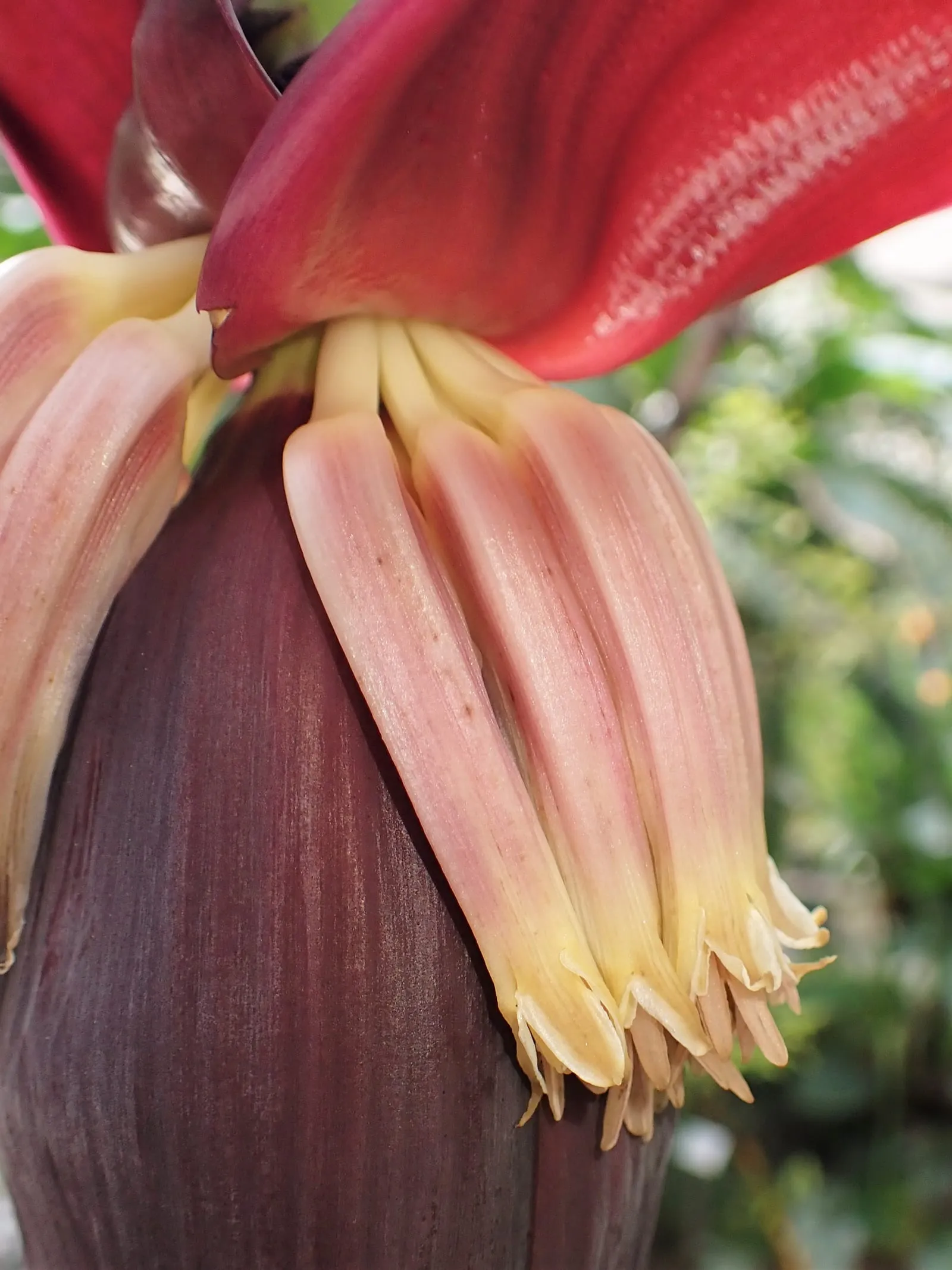
Image: "Musa acuminata kz01", by Krzysztof Ziarnek, Kenraiz, via Wikimedia Commons, licensed under CC-BY Source.

Related