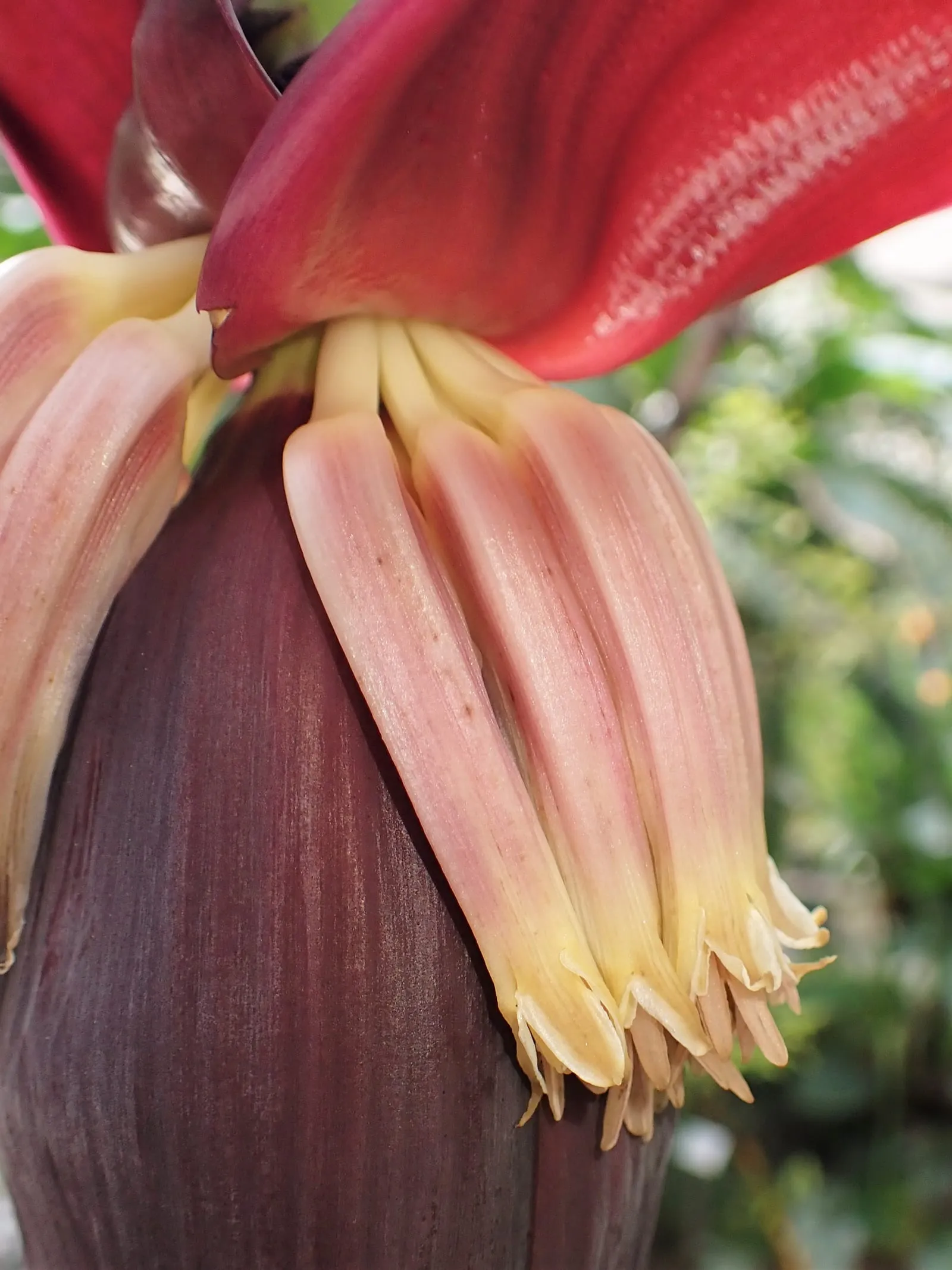
fruit tree in zone 10b
Growing banana in zone 10b
Musa acuminata
- Zone
- 10b 35°F to 40°F
- Growing season
- 365 days
- Chill needed
- 0 below 45°F
- Suitable varieties
- 5
- Days to harvest
- 270 to 365
The verdict
Zone 10b is a genuine sweet spot for banana production. Bananas require zero chill hours, so the absence of a cold dormancy period is not a limitation here but a direct advantage. The zone's minimum winter temperatures (35 to 40°F) sit just above the threshold where banana pseudostems begin to suffer cold injury, meaning established plants carry through year-round without dieback in most winters. The full 365-day growing season aligns with banana's continuous growth habit: rather than halting and restarting, a healthy mat keeps pushing new suckers and developing flower stalks without interruption.
The primary constraint in zone 10b is not cold but disease pressure. Panama Disease (Fusarium oxysporum f. sp. cubense) is a persistent soil pathogen across tropical production zones, and sooty mold follows any aphid, mealybug, or whitefly population that builds in warm, humid conditions. Coastal growers face an additional soil challenge from saltwater intrusion. These are manageable, but they require attention from planting through harvest.
Recommended varieties for zone 10b
5 cultivars suited to this zone, with disease-resistance and zone-fit annotations.
| Variety | Notes | Zone fit | Disease resistance |
|---|---|---|---|
| Cavendish (Williams) fits zone 10b | Mild sweet flesh that's everyone's reference banana; the supermarket standard. Threatened by Tropical Race 4 Panama disease worldwide. | | none noted |
| Apple Banana (Manzano) fits zone 10b | Short fat fruit with a tangy apple-strawberry note; eaten when skin is fully blackened. Hardy and productive in marginal subtropical sites. | | none noted |
| Ice Cream (Blue Java) fits zone 10b | Silvery-blue peel and creamy vanilla flesh that earns the name; eaten fresh or frozen for soft-serve texture. Cold-hardier than most for a banana. | | none noted |
| Goldfinger (FHIA-01) fits zone 10b | Modern Honduran hybrid with apple-like sweet-tart flavor; bred for Panama disease resistance. Wind-tolerant and productive in cyclone-prone areas. | |
|
| Plantain (Dwarf Puerto Rican) fits zone 10b | Starchy cooking banana for frying, boiling, and tostones; never eaten raw at green stage. Compact pseudostem (~8 ft) for backyard production. | | none noted |
Critical timing for zone 10b
In zone 10b, banana does not follow a seasonal bloom calendar the way deciduous fruit crops do. A newly planted sucker or tissue-culture plant typically shoots its first flower stalk (the inflorescence, sometimes called the "bell") roughly 9 to 15 months after planting, depending on variety and cultural inputs. Cavendish types generally run toward the shorter end of that range under good fertility and irrigation; Ice Cream (Blue Java) and Goldfinger tend to be slower.
Once the flower stalk emerges, the hands develop and the fruit fills over approximately 60 to 90 days before reaching harvest maturity. Because zone 10b carries no frost risk in most winters, there is no bloom window that needs to be timed around cold events. A grower's main timing consideration is water availability during dry periods and fertilizer timing to sustain the rapid growth that warm temperatures encourage.
Common challenges in zone 10b
- ▸ No winter chill
- ▸ Tropical pest and disease pressure
- ▸ Saltwater intrusion in coastal soils
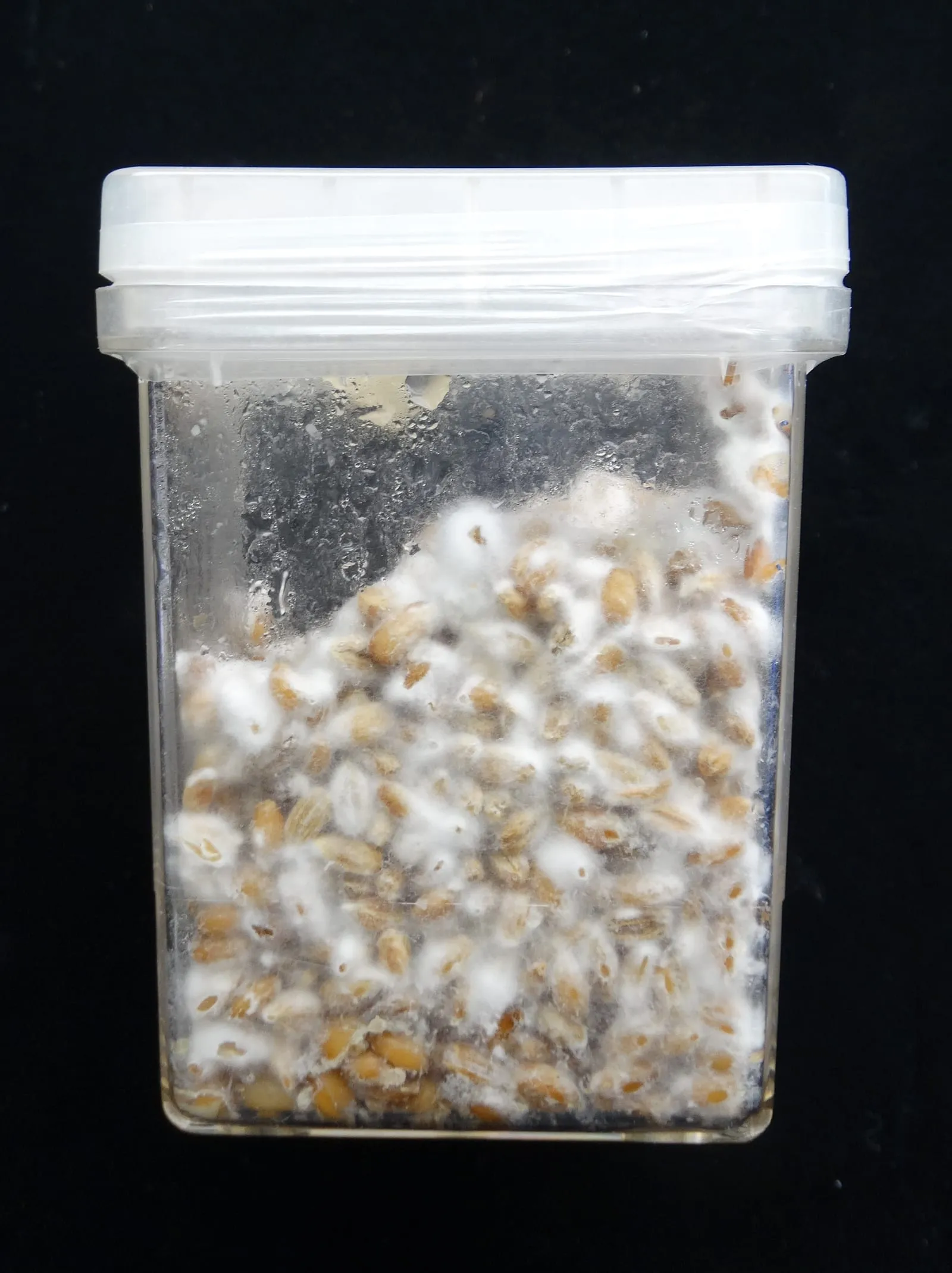
Disease pressure to watch for
Modified care for zone 10b
Growers in zone 10b need to prioritize disease-resistant variety selection from the start. Panama Disease persists indefinitely in infected soil, and susceptible Gros Michel-type bananas have no practical chemical remedy once a site is contaminated. Goldfinger (FHIA-01) and Dwarf Puerto Rican Plantain carry documented resistance; Cavendish (Williams) has partial resistance to Race 1 strains but is vulnerable to Tropical Race 4 where it is present.
Sooty mold management means monitoring for honeydew-producing insects (mealybugs, aphids, whiteflies) rather than treating the mold directly. Reducing insect pressure clears the mold. In coastal sites with saltwater intrusion, raised planting beds and consistent fresh-water irrigation dilute soil sodium and reduce sodium accumulation in root zones. Windbreaks protect the large leaf canopy from tearing in coastal exposure, which is a direct yield factor since shredded leaves reduce photosynthetic area and slow bunch development.
Frequently asked questions
- Can bananas survive the occasional cold snap in zone 10b?
Established banana pseudostems can tolerate brief dips to 32°F with minor tip damage. The underground rhizome (corm) survives temperatures down to roughly 22 to 26°F and will resprout even if the above-ground structure is killed back. Zone 10b's 35 to 40°F minimum means severe cold events are rare, but a lightweight frost cloth over younger plants during unusual cold spells is reasonable insurance.
- How long does it take a banana plant to produce fruit in zone 10b?
Most varieties planted as suckers or tissue-culture plants shoot their first flower stalk within 9 to 15 months in zone 10b's year-round warmth. Fruit fills and reaches harvest maturity roughly 60 to 90 days after the stalk emerges. Subsequent ratoon crops from the same mat come faster, often 6 to 9 months after the previous harvest.
- Is Panama Disease a serious risk in zone 10b?
Panama Disease (Fusarium wilt) is a real risk wherever bananas have been grown repeatedly in the same soil. There is no soil treatment that eradicates it once established. The practical response is to choose resistant varieties like Goldfinger or avoid replanting bananas in ground where infected plants have grown previously.
- Which banana variety is best for zone 10b home growers?
Cavendish (Williams) is the most widely available and produces recognizable supermarket-type fruit. Ice Cream (Blue Java) is worth growing for its distinctive flavor and texture. Goldfinger (FHIA-01) offers disease resistance that makes it a lower-risk choice on sites with unknown soil history. Apple Banana (Manzano) is compact and productive but ripens best in the warmest microclimates.
+−
+−
+−
+−
Banana in adjacent zones
Image: "Musa acuminata kz01", by Krzysztof Ziarnek, Kenraiz, via Wikimedia Commons, licensed under CC-BY Source.

Related