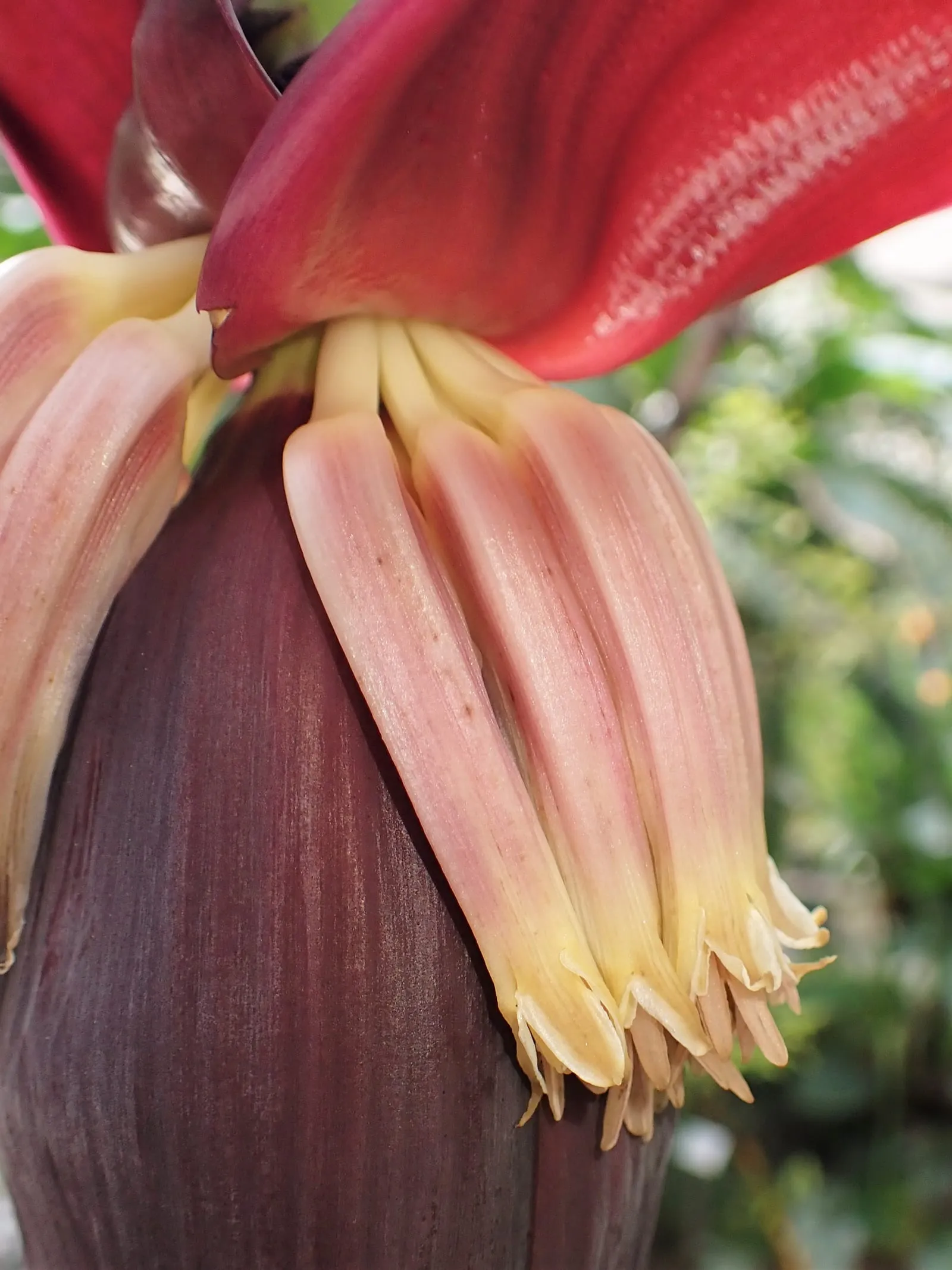
fruit tree in zone 10a
Growing banana in zone 10a
Musa acuminata
- Zone
- 10a 30°F to 35°F
- Growing season
- 340 days
- Chill needed
- 0 below 45°F
- Suitable varieties
- 5
- Days to harvest
- 270 to 365
The verdict
Zone 10a sits squarely in the banana's preferred climate range. With a growing season of 340 days and minimum temperatures between 30 and 35°F, this zone provides the heat and frost-limited winters that bananas need to produce reliably. Chill-hour requirements are not a factor here; banana (Musa spp.) requires zero chill hours, and zone 10a delivers exactly that.
The more pressing concern is the lower bound of the temperature range. A brief dip to 30°F can brown foliage and kill pseudostems to the ground, though established rhizomes typically survive and resprout. Protected microclimates within zone 10a, particularly south-facing walls or canopy edges, can push a planting from marginal to reliable. For most of zone 10a, banana is not a marginal crop but a dependable perennial producer, provided cultivar selection accounts for the occasional brief freeze.
Recommended varieties for zone 10a
5 cultivars suited to this zone, with disease-resistance and zone-fit annotations.
| Variety | Notes | Zone fit | Disease resistance |
|---|---|---|---|
| Cavendish (Williams) fits zone 10a | Mild sweet flesh that's everyone's reference banana; the supermarket standard. Threatened by Tropical Race 4 Panama disease worldwide. | | none noted |
| Apple Banana (Manzano) fits zone 10a | Short fat fruit with a tangy apple-strawberry note; eaten when skin is fully blackened. Hardy and productive in marginal subtropical sites. | | none noted |
| Ice Cream (Blue Java) fits zone 10a | Silvery-blue peel and creamy vanilla flesh that earns the name; eaten fresh or frozen for soft-serve texture. Cold-hardier than most for a banana. | | none noted |
| Goldfinger (FHIA-01) fits zone 10a | Modern Honduran hybrid with apple-like sweet-tart flavor; bred for Panama disease resistance. Wind-tolerant and productive in cyclone-prone areas. | |
|
| Plantain (Dwarf Puerto Rican) fits zone 10a | Starchy cooking banana for frying, boiling, and tostones; never eaten raw at green stage. Compact pseudostem (~8 ft) for backyard production. | | none noted |
Critical timing for zone 10a
In zone 10a, a banana mat produces its first flower spike roughly 9 to 15 months after planting, depending on cultivar and growing conditions. The fruit hand matures 3 to 6 months after the inflorescence emerges, placing the typical harvest window somewhere between 12 and 21 months from initial planting.
With a 340-day growing season, frost rarely interrupts the bloom-to-harvest cycle, but a cold event in the 30 to 35°F range can slow the final ripening stage. Plantings established in spring benefit from a full warm season of growth before any winter temperature drop. Ratoon cycles, where the primary plant is cut after harvest and a sucker takes over, typically complete faster than the original planting and sustain the productive timeline year over year.
Common challenges in zone 10a
- ▸ No chilling for traditional temperate fruit
- ▸ Hurricane exposure
- ▸ Heat-tolerant cultivars only
Disease pressure to watch for
Modified care for zone 10a
The primary adjustment in zone 10a is cold protection during brief freeze events. Mulching the base of each plant with 6 to 8 inches of organic material over the rhizome zone provides meaningful root insulation when temperatures approach 30°F. Pseudostems can be wrapped with frost cloth during a hard cold snap, though this is only practical for shorter dwarf cultivars.
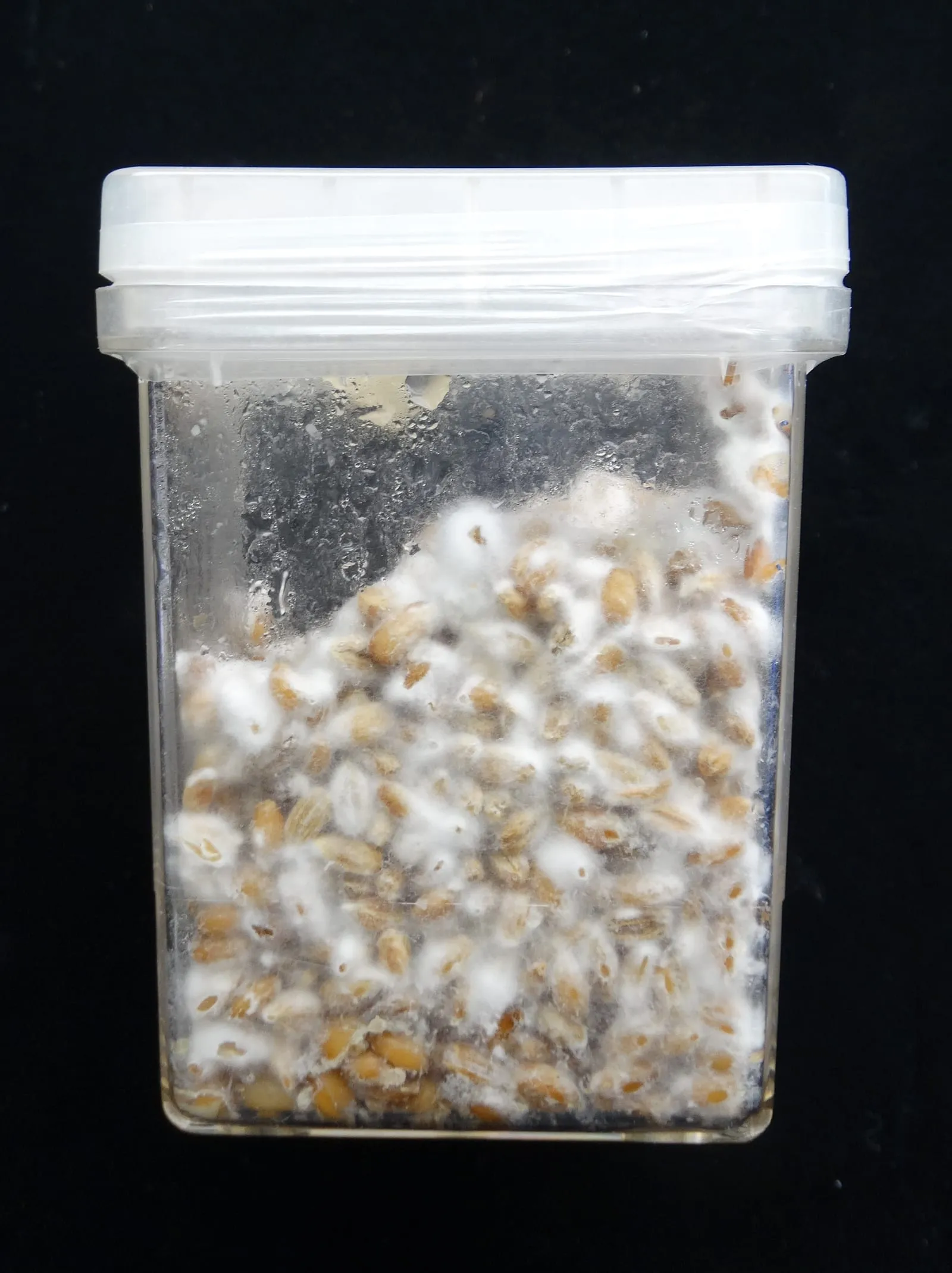
Disease pressure from Panama Disease (Fusarium wilt) warrants attention, particularly for Cavendish plantings. Cavendish is susceptible to Tropical Race 4 of Fusarium oxysporum f. sp. cubense; disease-resistant cultivars such as Goldfinger (FHIA-01) are worth considering in areas with any history of infection. Sooty mold typically follows sap-sucking insect pressure; controlling aphids and mealybugs reduces its incidence. Summer heat in zone 10a rarely requires shade management, as bananas generally thrive in full sun with consistent irrigation.
Banana in adjacent zones
Image: "Musa acuminata kz01", by Krzysztof Ziarnek, Kenraiz, via Wikimedia Commons, licensed under CC-BY Source.

Related