fruit tree
Banana
Musa acuminata
USDA hardiness range
- Zones
- 9b–13b
- Chill hours
- 0 below 45°F
- Days to harvest
- 270 to 365
- Sun
- Full
- Water
- High
- Lifespan
- perennial; pseudostem dies after fruiting, suckers continue
Growing banana
Banana thrives in zones 9b through 13b, where frost is rare or absent, and delivers fruit within nine to twelve months of planting given adequate heat, water, and nutrition. The appeal for home growers is clear: a fast-growing, ornamental plant that produces genuine fruit in a subtropical or tropical garden without any chill-hour requirement.
Zone 9b is the edge of viability. A reliable winter frost will kill the pseudostem to the ground; established clumps may resprout from underground rhizomes after a light event, but the fruiting cycle resets entirely, pushing harvest back a full season or more. Zone 10a and warmer is where reliable fruiting becomes realistic under normal management.
The gap between a productive banana planting and a failed one usually comes down to three factors: siting in a warm microclimate with protection from cold wind, maintaining consistently high fertility (bananas are heavy feeders), and selecting a variety matched to local winter severity. Cavendish types dominate the market but face increasing pressure from Tropical Race 4 Panama disease worldwide; for home plantings in Florida and Hawaii, disease-resistant alternatives deserve serious consideration. Because bananas require no chill hours, zone compatibility is determined entirely by winter cold tolerance and growing-season length, not by dormancy requirements.
Recommended varieties
See all 5 →5 cultivars for home growers, with notes on flavor, ripening, and disease resistance.
| Variety | Notes | Zone fit | Disease resistance |
|---|---|---|---|
| Cavendish (Williams) | Mild sweet flesh that's everyone's reference banana; the supermarket standard. Threatened by Tropical Race 4 Panama disease worldwide. | | none noted |
| Apple Banana (Manzano) | Short fat fruit with a tangy apple-strawberry note; eaten when skin is fully blackened. Hardy and productive in marginal subtropical sites. | | none noted |
| Ice Cream (Blue Java) | Silvery-blue peel and creamy vanilla flesh that earns the name; eaten fresh or frozen for soft-serve texture. Cold-hardier than most for a banana. | | none noted |
| Goldfinger (FHIA-01) | Modern Honduran hybrid with apple-like sweet-tart flavor; bred for Panama disease resistance. Wind-tolerant and productive in cyclone-prone areas. | |
|
| Plantain (Dwarf Puerto Rican) | Starchy cooking banana for frying, boiling, and tostones; never eaten raw at green stage. Compact pseudostem (~8 ft) for backyard production. | | none noted |
Soil and site requirements
Bananas perform best in deep, well-drained loam with a pH between 5.5 and 7.0, consistent with UF/IFAS guidance for Florida home landscape production. Drainage is the critical constraint: standing water around the base causes rapid rhizome rot, which kills a planting more reliably than almost any pest or disease pressure. Raised beds or sloped ground helps significantly in clay-heavy soils.
Full sun is non-negotiable for fruit production. Plants grown in part shade may sustain vegetative growth but rarely complete a fruiting cycle in a reasonable timeframe. A south-facing wall or fence provides both additional heat and wind protection, which matters at the zone 9b and 10a margins where occasional winter cold events occur.
Spacing depends on planting goals. A single mat (one rhizome and its developing suckers) typically spreads six to ten feet in diameter at maturity; allow at least eight feet between mats. Density planting can reduce wind damage to individual pseudostems. Avoid sites with strong prevailing winds, particularly in coastal locations, as the large leaf area makes bananas susceptible to mechanical damage that reduces photosynthesis and delays fruiting.
For microclimate selection, the warmest corner of the property near south-facing masonry or in a sheltered courtyard extends the viable range meaningfully at the cold edge of the zone map.
Common diseases
Common challenges
Three problems account for most banana failures in home plantings: cold events, Panama disease, and inadequate fertility.
Cold damage is the most immediate risk in zones 9b and 10a. A single night below 28°F will kill the pseudostem outright. The rhizome typically survives if the freeze is brief and the soil is heavily mulched, but the fruiting cycle resets entirely, meaning another nine to twelve months before fruit. In marginal zones, six to eight inches of mulch around the base and covering smaller plants before forecast cold events are the most reliable mitigation strategies.
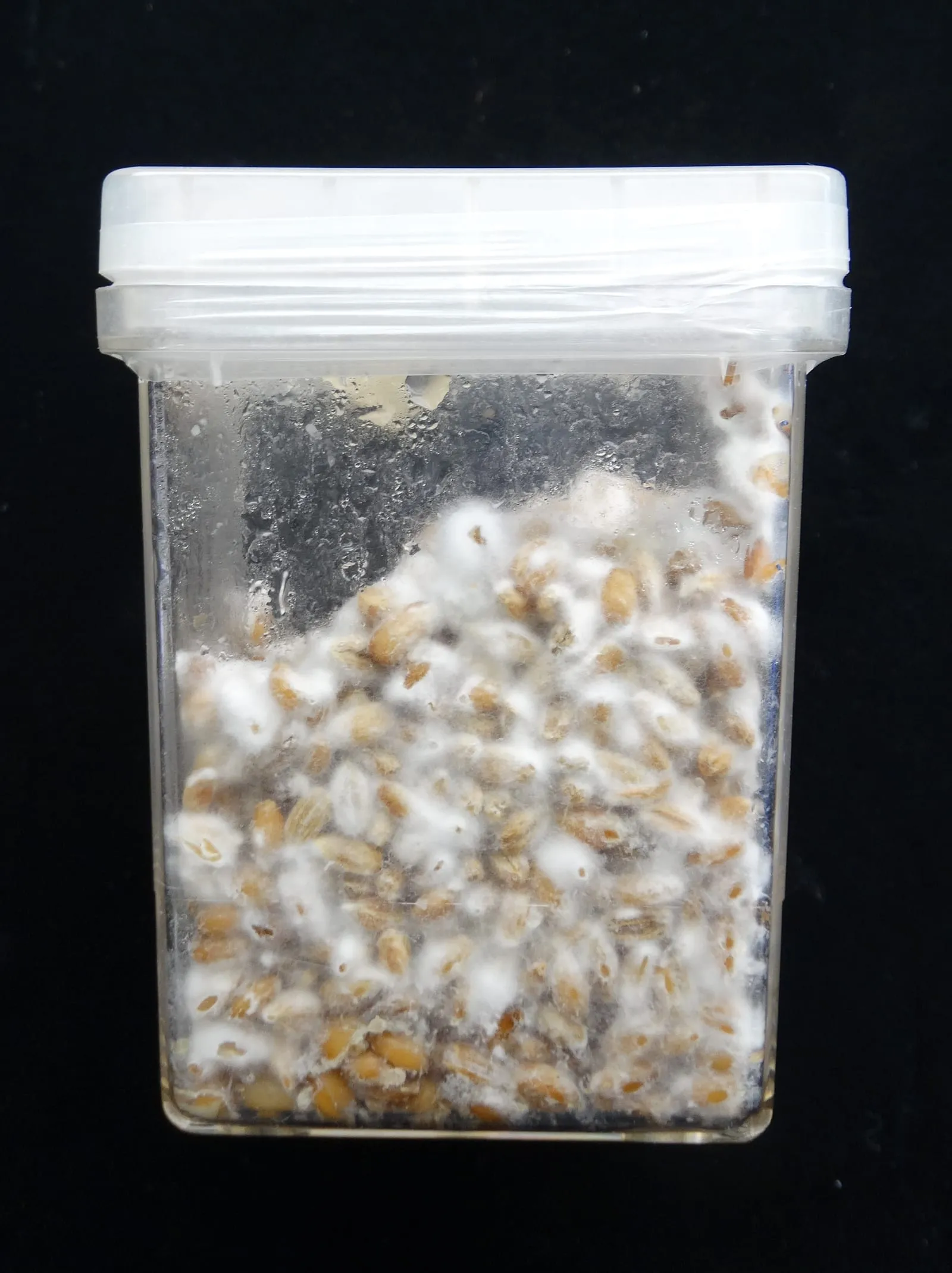
Panama disease (Fusarium wilt, caused by Fusarium oxysporum f. sp. cubense) poses a longer-term structural threat, particularly for Cavendish plantings. Tropical Race 4, the strain currently spreading globally, has no effective chemical control; the only management is planting resistant varieties or certified disease-free material and avoiding movement of potentially infected soil. Both the University of Hawaii and UF/IFAS document the disease progression in detail for growers in affected regions.
Fertility deficiency is the most frequently overlooked cause of poor performance. Bananas are heavy nitrogen consumers and respond noticeably to potassium inputs during fruit fill. A planting that looks healthy but fails to fruit, or produces small, poorly formed hands, often needs more fertilizer applied more frequently rather than any other intervention.
Frequently asked questions
- Do bananas require any chill hours?
No. Bananas require zero chill hours. Zone compatibility is determined entirely by winter cold tolerance and growing-season length, not by chilling requirements. This distinguishes them from most temperate fruit crops, which need several hundred to over a thousand chill hours to break dormancy and fruit normally.
- How long does it take a banana plant to fruit?
Expect 270 to 365 days (nine to twelve months) from a healthy sucker or rhizome to harvest under good conditions in zones 10a and warmer. In zone 9b, where cold interrupts the growing season, the timeline often extends to 18 months or longer, and a fruiting cycle may not complete in years with a hard frost.
- What USDA zones can bananas grow in?
Bananas are reliably productive in zones 9b through 13b. Zone 9b is marginal: plants frequently survive winter underground but may not complete a fruiting cycle most years. Zone 10a and warmer is where consistent fruit production becomes realistic with standard care.
- Do bananas need a pollinator plant?
No. Common edible varieties, including Cavendish and most Musa acuminata types, are parthenocarpic, meaning they produce fruit without pollination. No companion planting or pollinators are required for fruit set. Ornamental flowering bananas may behave differently but are not grown for edible fruit.
- What is the most serious disease threat to home banana plantings?
Panama disease (Fusarium wilt) is the most significant long-term threat, particularly for Cavendish. Tropical Race 4 has no chemical control and can persist indefinitely in infected soil. Planting certified disease-free material and selecting resistant varieties is the only reliable management approach available to home growers.
- Will a frost kill a banana plant permanently?
A light frost typically kills the pseudostem but leaves the rhizome intact to resprout. Temperatures below 28°F for more than a few hours significantly increase the risk of rhizome damage. Heavy mulching (six to eight inches at the base) improves survival odds at the cold margins of the viable range.
- Which variety handles cooler subtropical conditions best?
Ice Cream (Blue Java) is the most cold-tolerant of the widely available edible varieties and is a reasonable first choice at zone 9b. Apple Banana (Manzano) is noted for productivity at marginal subtropical sites and tolerates occasional cool periods reasonably well, though it requires the skin to be fully blackened before eating.
+−
+−
+−
+−
+−
+−
+−
Sources
- [1] University of Hawaii: Banana Production
- [2] UF/IFAS: Banana Growing in the Florida Home Landscape
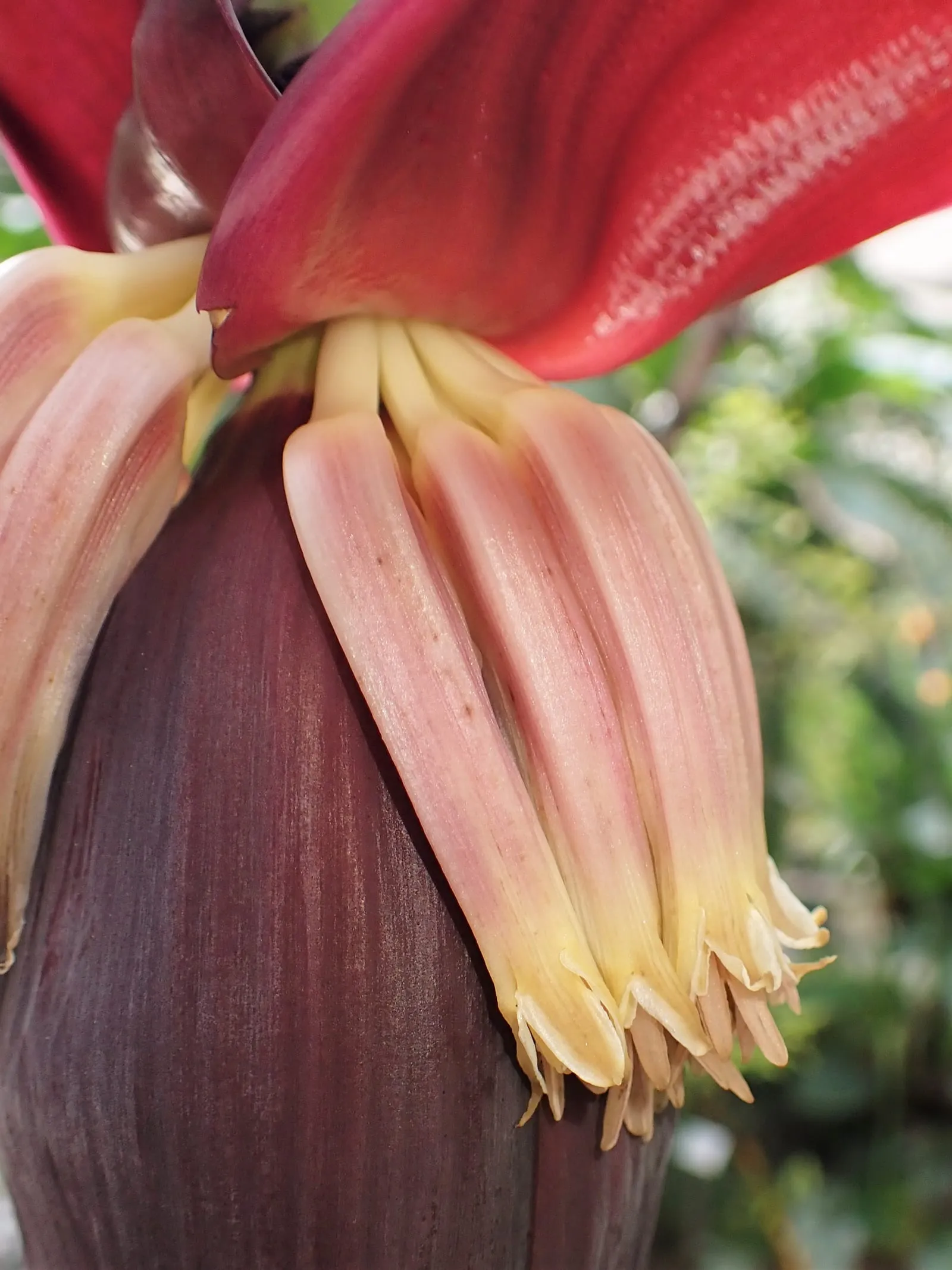
Image: "Musa acuminata kz01", by Krzysztof Ziarnek, Kenraiz, via Wikimedia Commons, licensed under CC-BY. Source.

Banana by zone
Related