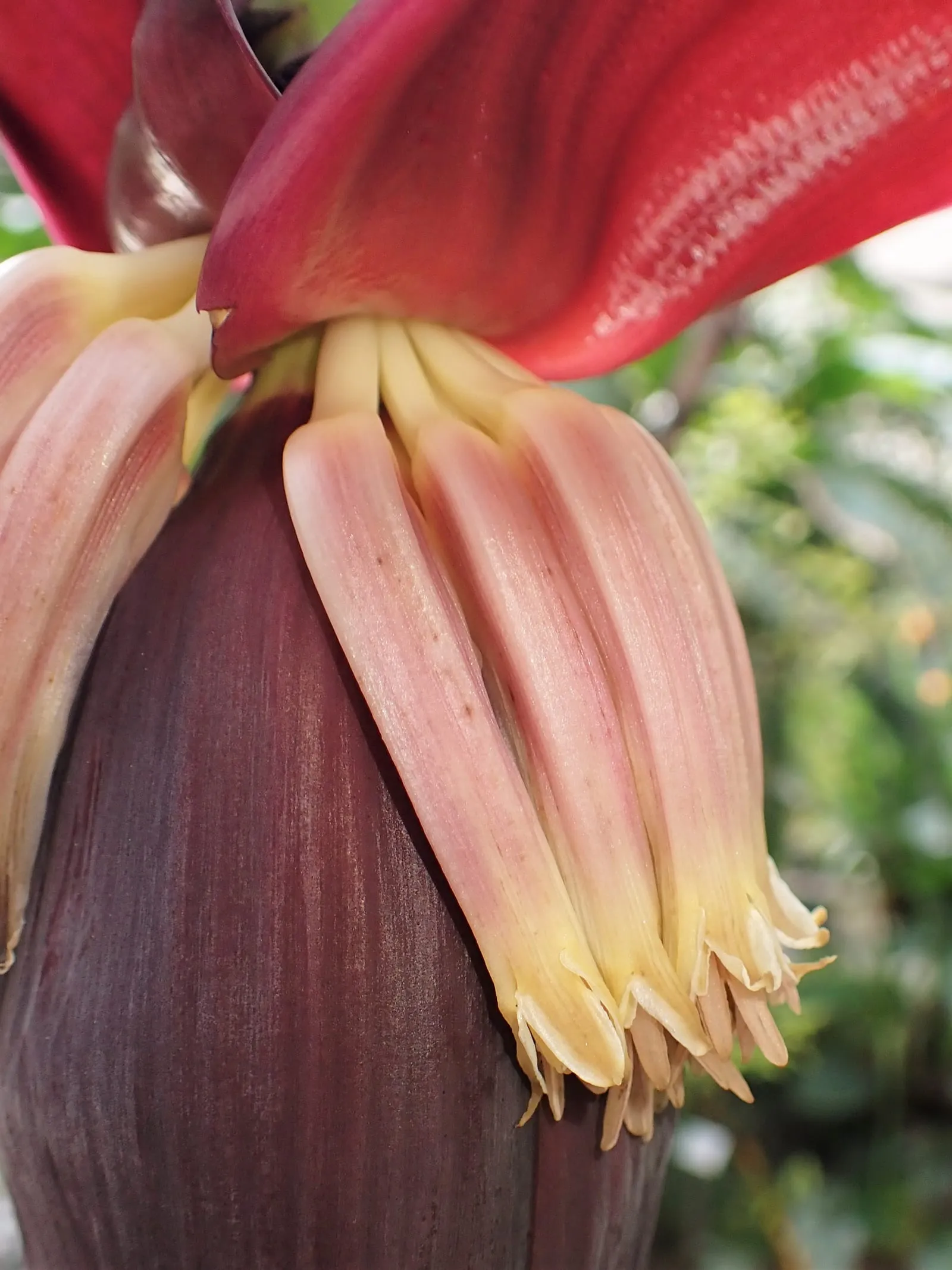
fruit tree in zone 13b
Growing banana in zone 13b
Musa acuminata
- Zone
- 13b 65°F to 70°F
- Growing season
- 365 days
- Chill needed
- 0 below 45°F
- Suitable varieties
- 4
- Days to harvest
- 270 to 365
The verdict
Zone 13b is not a marginal zone for banana, it is the target zone. Bananas require 0 chill hours and cannot survive frost, and zone 13b delivers both conditions reliably: minimum nighttime temperatures of 65 to 70°F year-round and a 365-day growing season with no dormancy period. The crop evolved in humid tropical lowlands, and the persistent warmth of zone 13b matches those conditions more closely than any other USDA zone.
All four varieties in this dataset are well-suited to zone 13b. Cavendish (Williams) and Apple Banana (Manzano) perform best in consistently warm, humid settings. Goldfinger (FHIA-01) adds Panama Disease resistance on top of solid tropical performance. Dwarf Puerto Rican Plantain handles the heat and produces well for culinary use. The primary constraint in zone 13b is not cold, it is managing heat stress, water availability, and soil-borne disease pressure over a continuous, uninterrupted growing cycle.
Recommended varieties for zone 13b
4 cultivars suited to this zone, with disease-resistance and zone-fit annotations.
| Variety | Notes | Zone fit | Disease resistance |
|---|---|---|---|
| Cavendish (Williams) fits zone 13b | Mild sweet flesh that's everyone's reference banana; the supermarket standard. Threatened by Tropical Race 4 Panama disease worldwide. | | none noted |
| Apple Banana (Manzano) fits zone 13b | Short fat fruit with a tangy apple-strawberry note; eaten when skin is fully blackened. Hardy and productive in marginal subtropical sites. | | none noted |
| Goldfinger (FHIA-01) fits zone 13b | Modern Honduran hybrid with apple-like sweet-tart flavor; bred for Panama disease resistance. Wind-tolerant and productive in cyclone-prone areas. | |
|
| Plantain (Dwarf Puerto Rican) fits zone 13b | Starchy cooking banana for frying, boiling, and tostones; never eaten raw at green stage. Compact pseudostem (~8 ft) for backyard production. | | none noted |
Critical timing for zone 13b
With no frost risk in zone 13b, bloom timing is not constrained by seasonal temperature. Instead, it is governed by planting date and variety. Most banana cultivars produce an inflorescence (flower spike) 10 to 15 months after a sucker is planted, with the range varying by variety, soil fertility, and irrigation consistency. From flower emergence to harvestable fruit takes an additional 3 to 5 months.
In practical terms, a sucker planted in early spring in zone 13b can yield fruit within 14 to 20 months, and subsequent ratoon crops from the same plant system follow with shorter intervals. Because there is no frost window to avoid, timing decisions are primarily logistical, centered on water availability during dry seasons and wind protection during storm periods rather than calendar-based cold avoidance.
Common challenges in zone 13b
- ▸ Persistent heat stress
- ▸ No traditional temperate fruit
- ▸ Specialized horticulture
Disease pressure to watch for
Modified care for zone 13b
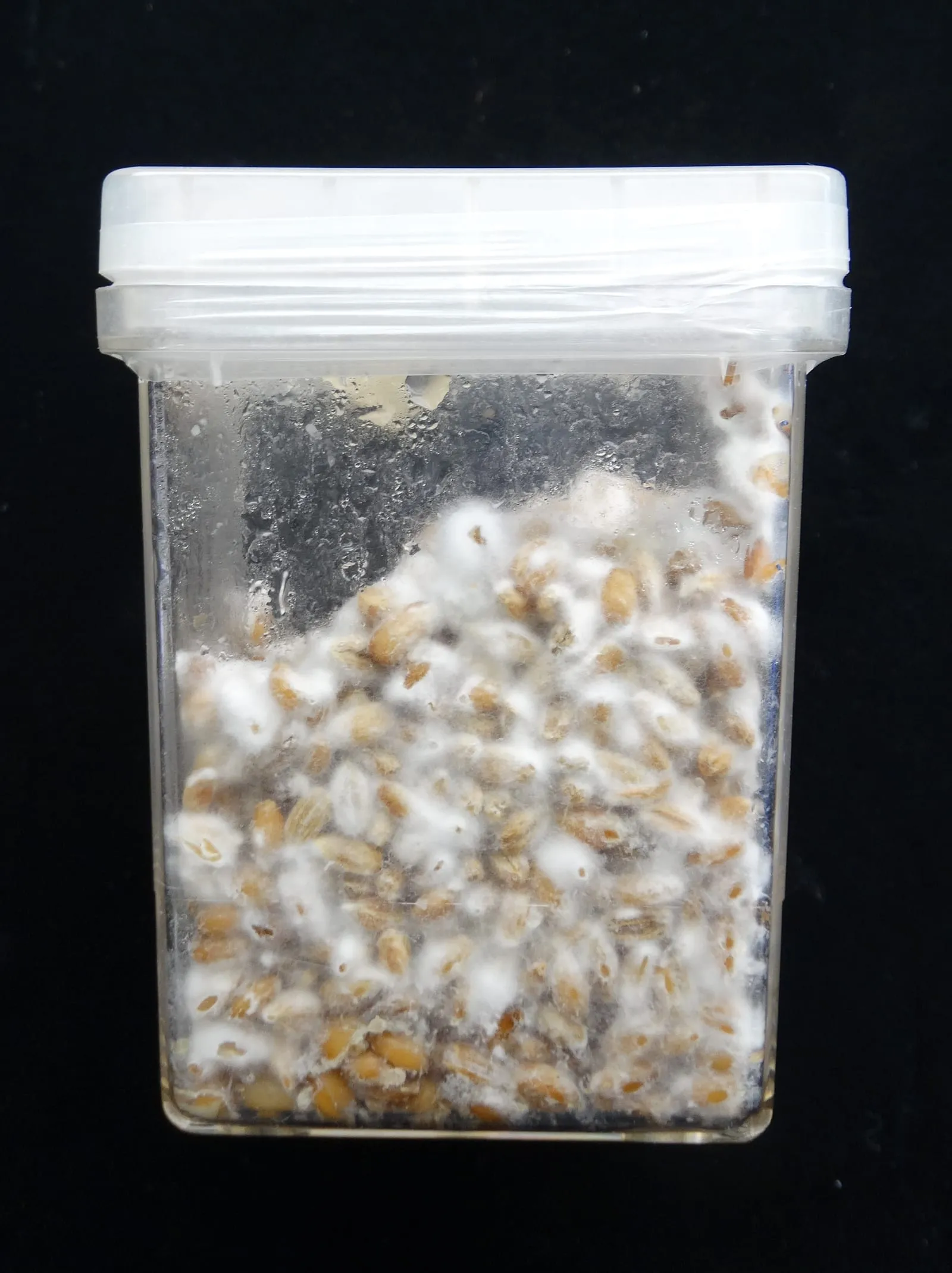
The two disease pressures that require active management in zone 13b are Panama Disease (Fusarium oxysporum f. sp. cubense) and Sooty Mold. Panama Disease is soil-borne, has no effective chemical treatment, and persists in infected soil indefinitely. Growers should plant Goldfinger (FHIA-01), which carries documented resistance, and avoid replanting susceptible Cavendish plants into soil with a known disease history. Sooty Mold colonizes honeydew secreted by aphids and mealybugs; controlling the underlying pest population through targeted insecticidal soap or horticultural oil applications reduces mold incidence.
Beyond disease, the continuous heat of zone 13b means irrigation cannot lapse during dry periods without triggering yield losses. Deep, consistent watering is more effective than frequent shallow applications. Wind protection, either via windbreak planting or siting decisions, reduces physical damage to the large leaf canopy, which directly affects photosynthetic capacity and bunch development.
Frequently asked questions
- Can Cavendish bananas be grown in zone 13b?
Yes, Cavendish (Williams) grows well in zone 13b's persistent warmth and frost-free conditions. The main concern is Panama Disease susceptibility. Growers in areas with a history of Fusarium wilt should consider Goldfinger (FHIA-01) as a resistant alternative.
- How long does it take a banana plant to fruit in zone 13b?
Most varieties take 10 to 15 months from sucker planting to flower emergence, followed by 3 to 5 months of fruit development. In zone 13b's uninterrupted growing season, the total time from planting to harvest typically falls between 14 and 20 months, depending on variety and soil fertility.
- Does banana need any winter protection in zone 13b?
No. Zone 13b's minimum temperatures of 65 to 70°F provide no frost risk, so cold protection measures are unnecessary. Management attention should focus on heat stress, irrigation, and disease prevention rather than winter preparation.
- What is Panama Disease and how serious is it for zone 13b banana growers?
Panama Disease is a Fusarium wilt caused by a soil-borne fungal pathogen with no chemical cure. Infected soil remains a problem indefinitely. Planting resistant varieties like Goldfinger (FHIA-01), avoiding movement of potentially contaminated soil, and not replanting susceptible varieties in affected areas are the primary management strategies.
+−
+−
+−
+−
Banana in adjacent zones
Image: "Musa acuminata kz01", by Krzysztof Ziarnek, Kenraiz, via Wikimedia Commons, licensed under CC-BY Source.

Related