USDA hardiness zone
Zone 13b
Hottest tropical zone, exclusively heat-loving tropical species.
On the zone ramp
- Lowest winter temp
- 65°F to 70°F USDA boundary
- Growing season
- 365 days
- Avg chill hours
- 0 below 45°F
- Hardiness rank
- 26 of 26 warm side
- Compatible crops
- 6
- Sample region
- Sea-level Hawaii leeward
Growing in zone 13b
Zone 13b is the hottest USDA hardiness zone, with minimum winter temperatures between 65 and 70°F and a 365-day growing season. Frost is not a concept here. Gardening in this zone means working with persistent warmth year-round, in locations like the leeward sea-level coasts of Hawaii and the hottest interior valleys of Puerto Rico.
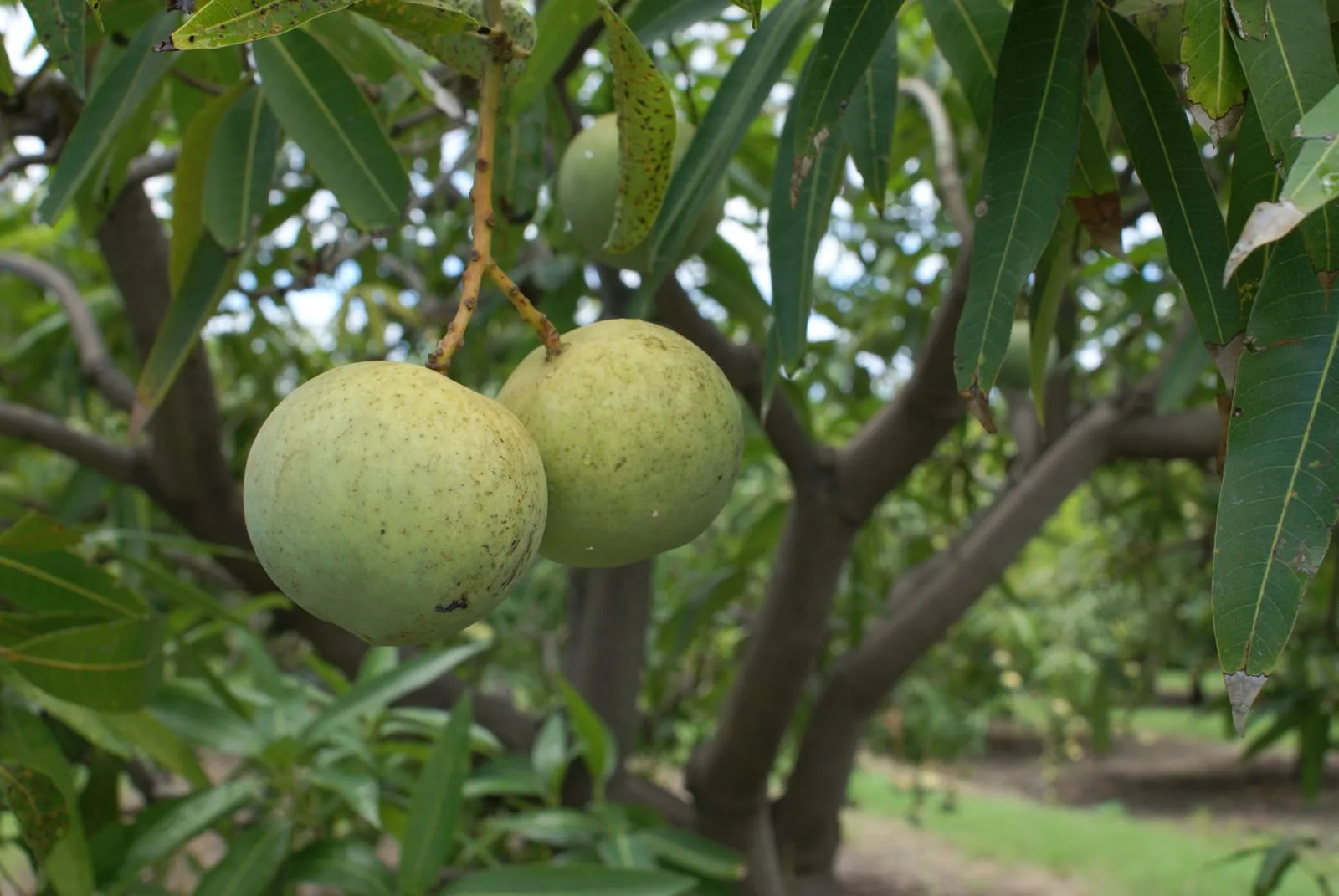
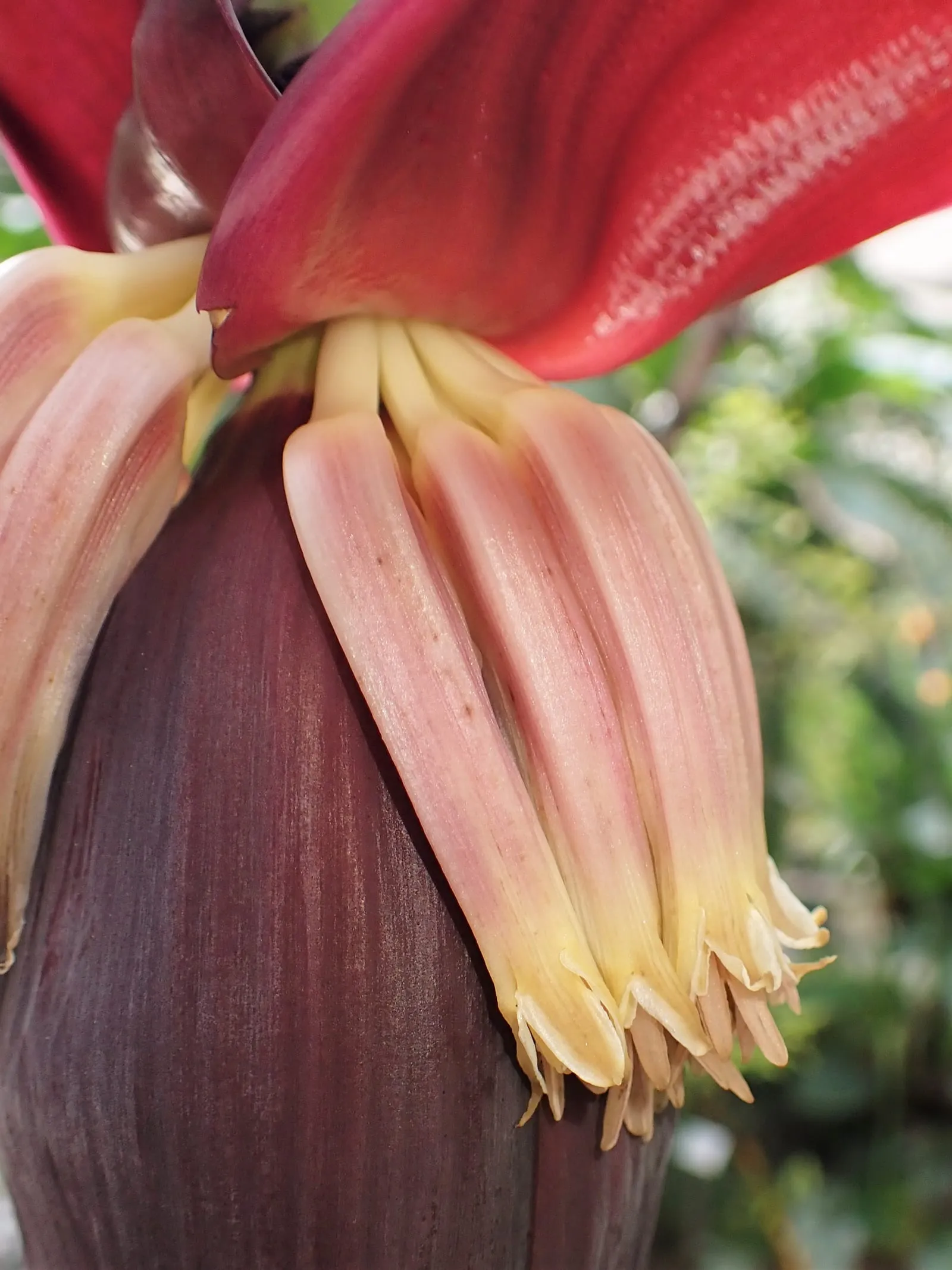
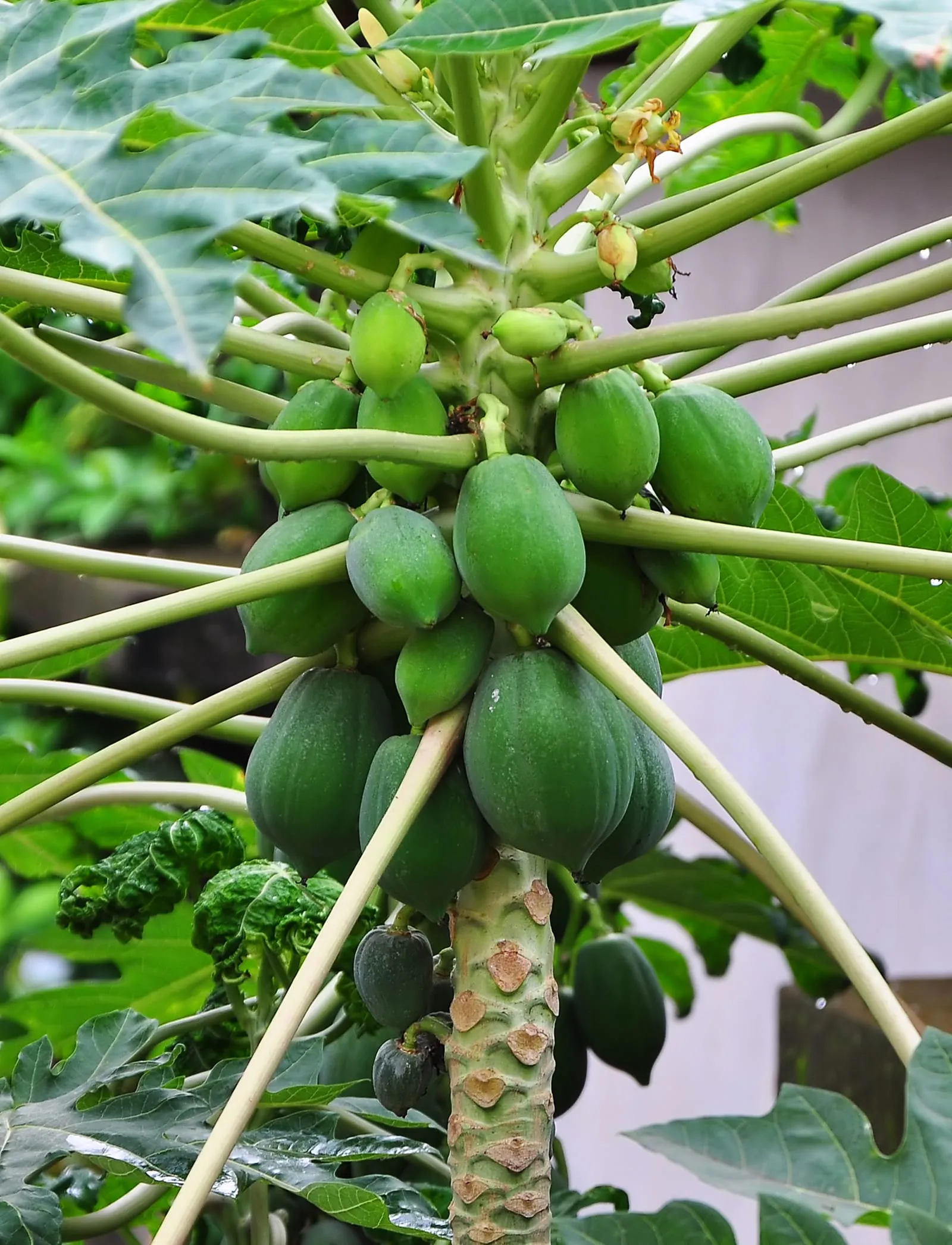
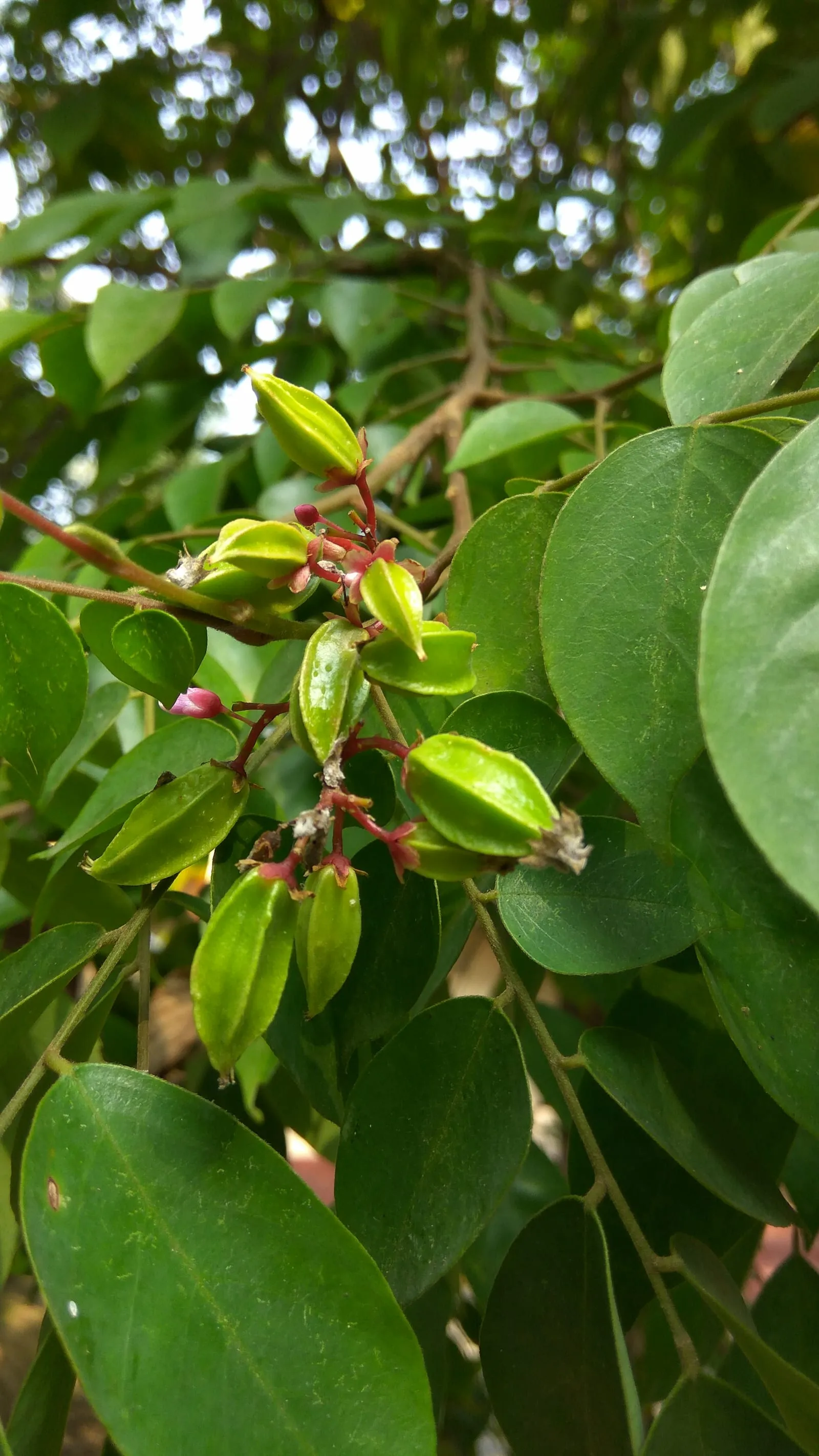
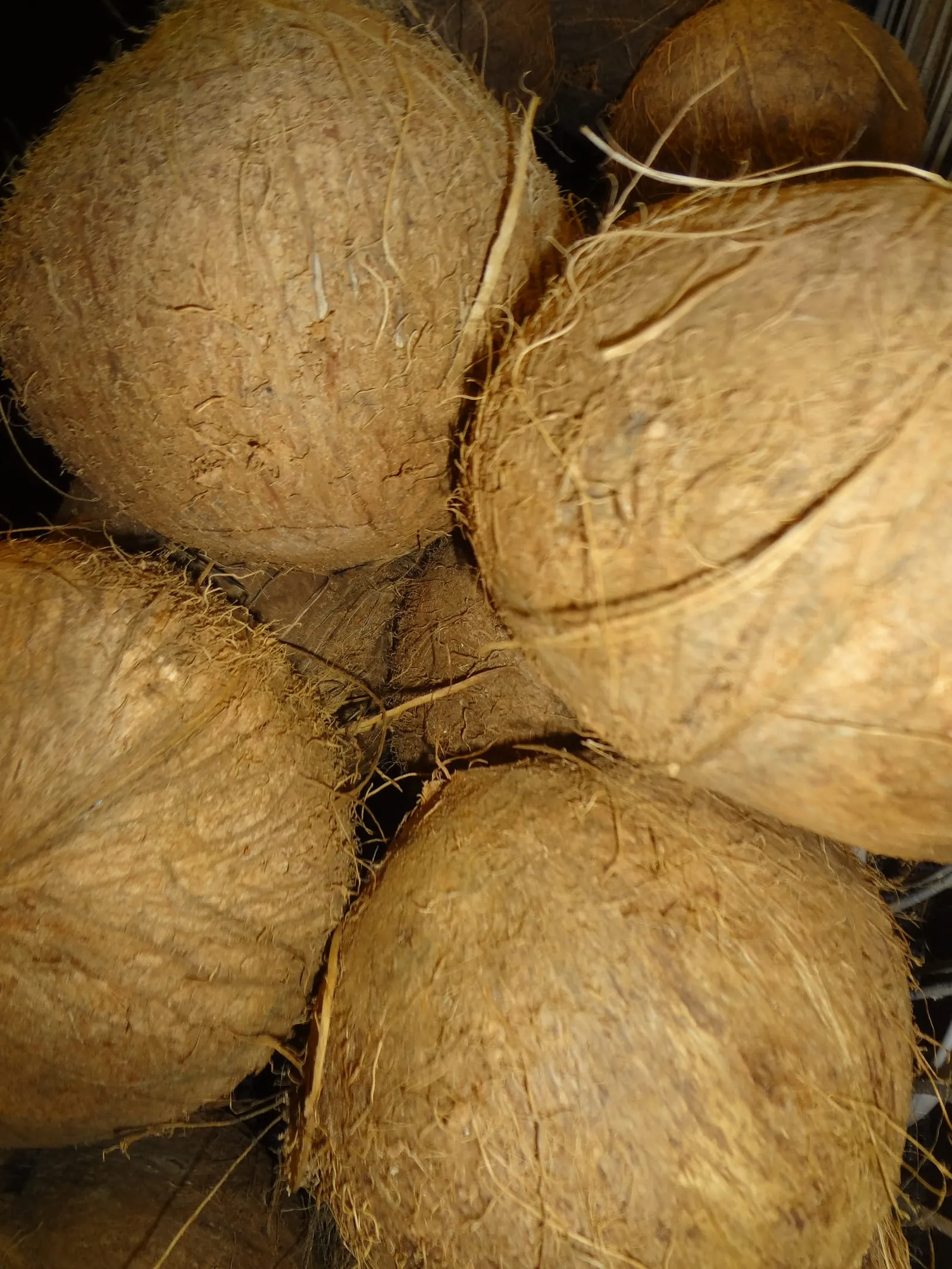
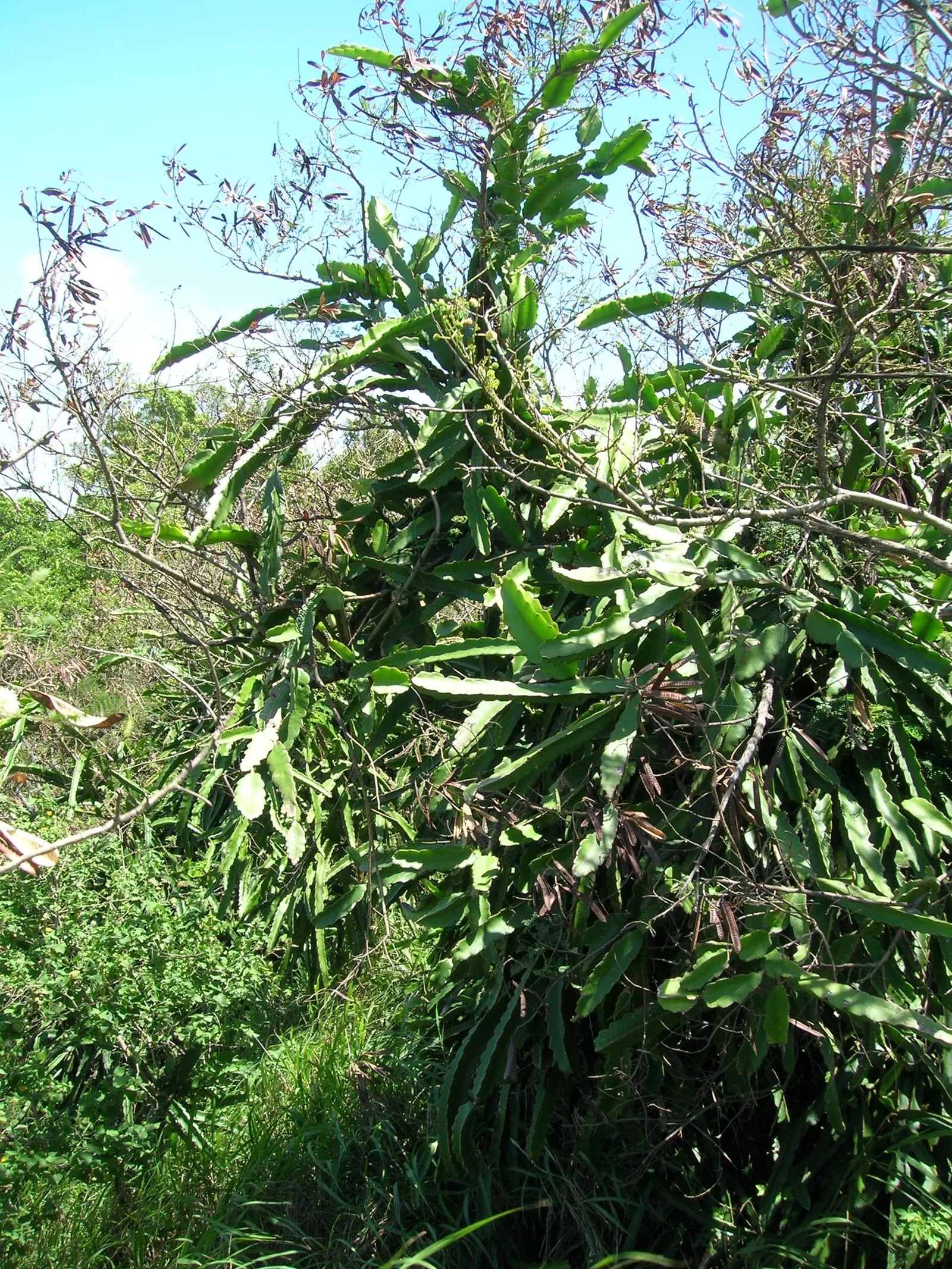
The primary constraint is heat rather than cold. Temperate fruit trees (apples, pears, most stone fruits) cannot accumulate the dormancy-triggering cold hours they need and will not fruit reliably. The horticultural vocabulary shifts entirely: breadfruit, coconut, papaya, plantain, starfruit, and dragon fruit replace the temperate staples. Soil drainage and irrigation management matter more than frost protection, and fungal pressure becomes the dominant disease concern during periods of high humidity.
For ornamentals and tropical vegetables, the growing window is unlimited, which sounds ideal until persistent heat begins limiting crops that prefer cool-season conditions. Zone 13b rewards gardeners willing to specialize in true tropical horticulture rather than adapting temperate practices to a climate they were not designed for.
Frost timing in zone 13b
Zone 13b has no frost dates because frost does not occur. The concept of last spring frost and first fall frost does not apply when minimum temperatures stay above 65°F even in the coldest months of the year.
The relevant constraint instead is chill-hour accumulation, which measures the number of hours below 45°F that temperate fruit trees require to break dormancy and set fruit. Zone 13b accumulates effectively zero chill hours annually. This eliminates virtually all temperate fruit trees from practical consideration: standard apple cultivars require 800 to 1,400 chill hours, and even low-chill peach selections need a minimum of 150 to 200 hours according to UC Davis low-chill variety guidelines. No amount of variety selection overcomes a chill-hour deficit of this magnitude at sea level in a tropical climate.
Gardeners who want fruit production in zone 13b should redirect attention to species that require no dormancy period and thrive under continuous warmth. Season length is not the binding constraint here; the absence of cold accumulation is.
Common challenges
- ▸ Persistent heat stress
- ▸ No traditional temperate fruit
- ▸ Specialized horticulture
Best practices
Zone 13b gardening requires a fundamentally different approach than temperate-zone practice. Three practices that consistently improve outcomes here:
Mulch aggressively and keep it permanent. Soil temperatures in tropical lowlands can exceed 90°F, which inhibits root function and accelerates moisture loss. A 3 to 4-inch organic mulch layer (sugarcane bagasse, wood chips, or shredded leaves) stabilizes soil temperature and cuts irrigation requirements substantially during the dry season.
Time major inputs to wet season onset. Both leeward Hawaii and Puerto Rico's interior valleys have pronounced dry seasons. Even though the calendar allows year-round planting, timing transplanting and fertilizer applications to coincide with the arrival of reliable rainfall reduces establishment stress and lowers the irrigation burden during the most vulnerable growth window.
Select species calibrated for zero-chill tropical conditions. For fruit, this means crops like papaya, banana, breadfruit, starfruit, and dragon fruit rather than any grafted temperate variety. Within tropical species, provenance matters: planting material sourced from similar lowland tropical climates tends to outperform selections from higher-elevation tropical origins, which may carry residual chill sensitivity.
What to grow in zone 13b
6 crops from our database fit zone 13b, grouped by type. Click through for zone-specific variety recommendations.
Tree fruit
5 crops
When to plant
Planting calendar for zone 13b
Year-view of seed starting, transplanting, planting, pruning, fertilizing, harvest, and pest-watch windows based on the average frost timing for zone 13b.
Week ? · loading
This week in zone 13b
Quiet week in zone 13b. this week is a good time to step back and plan ahead.
Nothing critical on the calendar this week.
29 bars · 6 crops
Calendar logic combines NOAA frost normals with crop-specific timing data. Local microclimate and weather always overrules the calendar; use this as a starting point.
Frequently asked questions
- Can any temperate fruits grow in zone 13b?
Practically none. Temperate fruits require chill hours (sustained temperatures below 45°F) to break dormancy and set fruit. Zone 13b accumulates essentially zero chill hours annually, which rules out apples, pears, cherries, and most peaches regardless of variety. Even the lowest-chill peach selections require 150 to 200 hours, a threshold this zone cannot meet.
- What fruit trees actually produce well in zone 13b?
True tropical species perform reliably: papaya, banana, breadfruit, starfruit (carambola), dragon fruit, and coconut grow without dormancy requirements. Certain low-elevation mango cultivars also thrive here. These crops are calibrated for zero to minimal chill hours, and zone 13b meets that condition year-round.
- How do I manage heat stress on vegetable crops in zone 13b?
Persistent heat limits cool-season crops (brassicas, lettuce, spinach, peas) to brief windows during the coolest months, when any relief arrives. Heat-tolerant tropical vegetables (taro, sweet potato, chayote, moringa, long beans) are better suited to the zone year-round. Consistent mulching and early-morning irrigation reduce the surface heat load during peak periods.
- Does zone 13b have any seasonal variation useful for planting timing?
Yes, though the variation is in rainfall rather than temperature. Both leeward Hawaii and Puerto Rico's interior valleys have distinct wet and dry seasons. Timing transplanting to the beginning of the wet season improves establishment rates and reduces irrigation costs. Temperature swings across seasons are minimal and do not create meaningful dormancy windows for temperate crops.
- Why is soil drainage especially important in zone 13b?
Tropical rainfall events can be intense, and waterlogged soils in warm climates become anaerobic quickly, promoting root rot and Phytophthora infections across a wide range of tropical crops. Raised beds or mounded rows are standard practice in lowland Hawaii and Puerto Rico. Drainage matters more, not less, when the growing season never pauses for a soil-drying winter.
- Can cool-season vegetables grow at all in zone 13b?
In limited windows. Some leeward Hawaiian and Puerto Rican lowland locations see nighttime temperatures dip into the low 60s during December through February, which can support short-cycle cool-season crops like lettuce and some brassicas. Reliability is low and bolt risk is high. Most gardeners in zone 13b treat cool-season crops as occasional experiments rather than staples.
+−
+−
+−
+−
+−
+−
Related