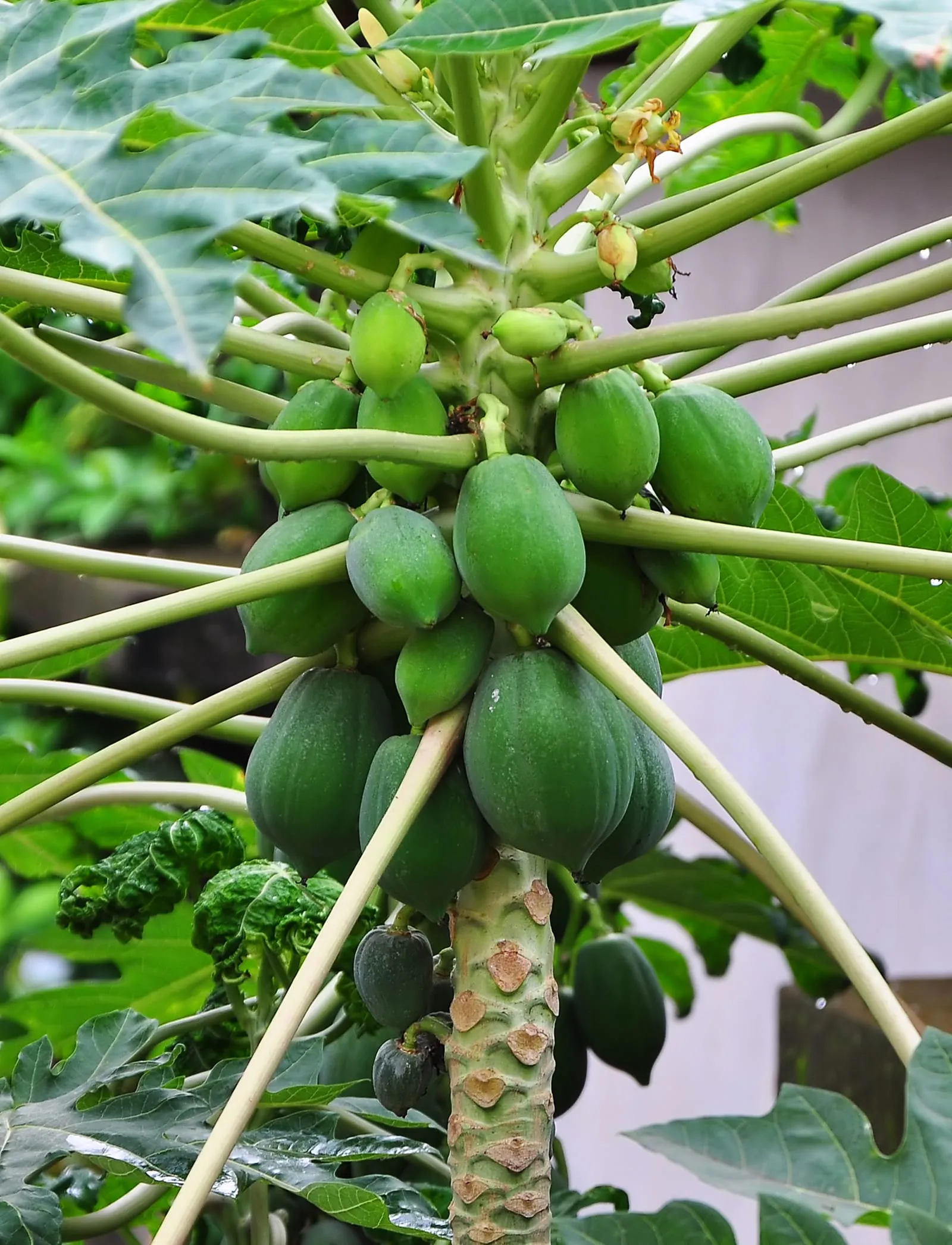
fruit tree
Papaya
Carica papaya
USDA hardiness range
- Zones
- 10a–13b
- Chill hours
- 0 below 45°F
- Days to harvest
- 180 to 270
- Sun
- Full
- Water
- Moderate
- Lifespan
- 3 to 5 years productive; replant on rotation
Growing papaya
Papaya (Carica papaya) is one of the fastest-fruiting tropical trees accessible to home growers in the warmest US zones. In zones 10a through 13b, established plants can begin bearing fruit within 180 to 270 days of transplanting, making it unusually productive for a tree crop. It requires zero chill hours and performs best where winter lows stay consistently above freezing.
The tree's primary limitation is cold sensitivity. A single night at or below 32°F can defoliate or kill young plants outright; prolonged sub-freezing temperatures almost always kill the root system. Zone 10a is the practical southern edge for reliable outdoor production in the continental US. Growers in zone 9b can attempt container culture or heavy frost protection, but consistent outdoor results are difficult to sustain.
Papaya's short productive lifespan (3 to 5 years before vigor declines) shapes how successful plantings are managed. Rather than treating individual trees as permanent fixtures, productive home gardens maintain a rolling rotation of plants at different stages. Allowing older trees to decline while new ones come into bearing sustains consistent harvest across years.
Pollination requirements vary critically by variety. Some types require male or hermaphroditic plants for fruit set; others are self-fertile F1 hybrids that simplify single-tree growing. Choosing the wrong variety type for a given garden situation is a common setup failure that produces healthy-looking plants with no fruit. Confirming variety sex type before purchase matters.
Recommended varieties
See all 3 →3 cultivars for home growers, with notes on flavor, ripening, and disease resistance.
| Variety | Notes | Zone fit | Disease resistance |
|---|---|---|---|
| Red Lady | Sweet musky orange-red flesh with low papain bitterness; an F1 hybrid with reliable fruit set without male trees. The standard home-garden choice. | | none noted |
| Maradol | Large football-shaped fruit with mild sweet flesh; the Mexican commercial variety. Heavy producer once established. | | none noted |
| Solo (Sunrise) | Small pear-shaped Hawaiian variety with intense sweet flavor and pinkish flesh. Self-pollinating; ideal for single-tree home gardens. | | none noted |
Soil and site requirements
Papaya is highly intolerant of waterlogged roots. Soil drainage is the single most important site factor. Even brief standing water (as short as 24 to 48 hours) can cause root rot severe enough to kill mature trees. Raised beds or mounded planting sites are standard practice in areas with heavy clay or impeded drainage. Sandy or sandy-loam soils with a pH of 5.5 to 6.5 are ideal; pH outside this range reduces nutrient availability and is associated with leaf yellowing and stunted growth.
Full sun is non-negotiable. Papaya planted in partial shade produces weak, leggy growth and poor fruit set. A minimum of 6 hours of direct sun is a floor, not a target; 8 or more hours is associated with best production, per the University of Hawaii's Papaya Production Guide.
Spacing varies with variety size. Large-fruited types like Maradol benefit from 8 to 10 feet between plants; compact varieties like Solo (Sunrise) can be sited at 6 feet. Closer spacing increases ambient humidity around foliage and can encourage fungal disease pressure.
Microclimate selection matters in zones 10a and 10b, where occasional cold snaps occur. Positioning plants against a south-facing wall or fence provides radiant heat retention and wind protection during the few nights per year when temperatures approach the damage threshold.
Common diseases
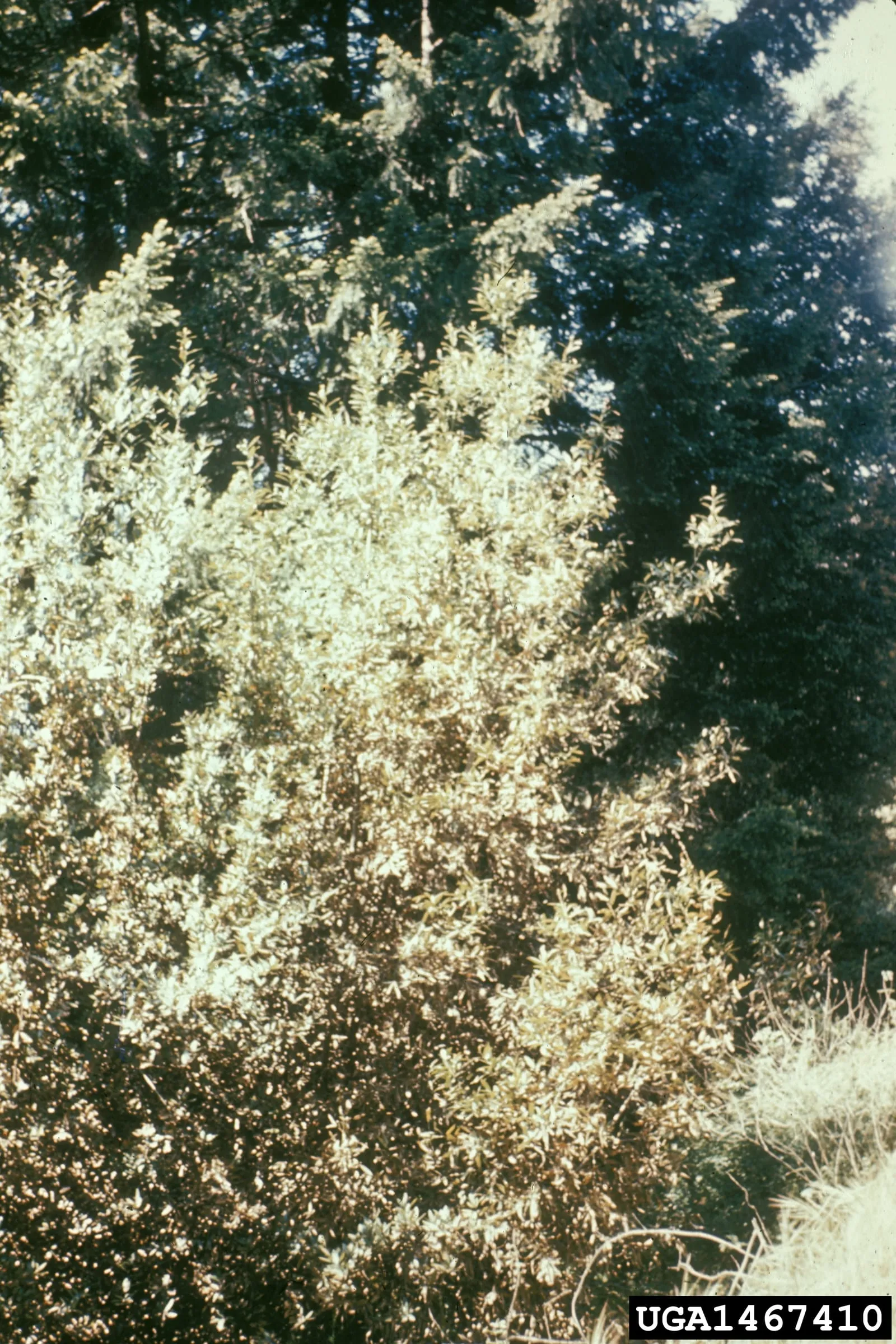
Common pests
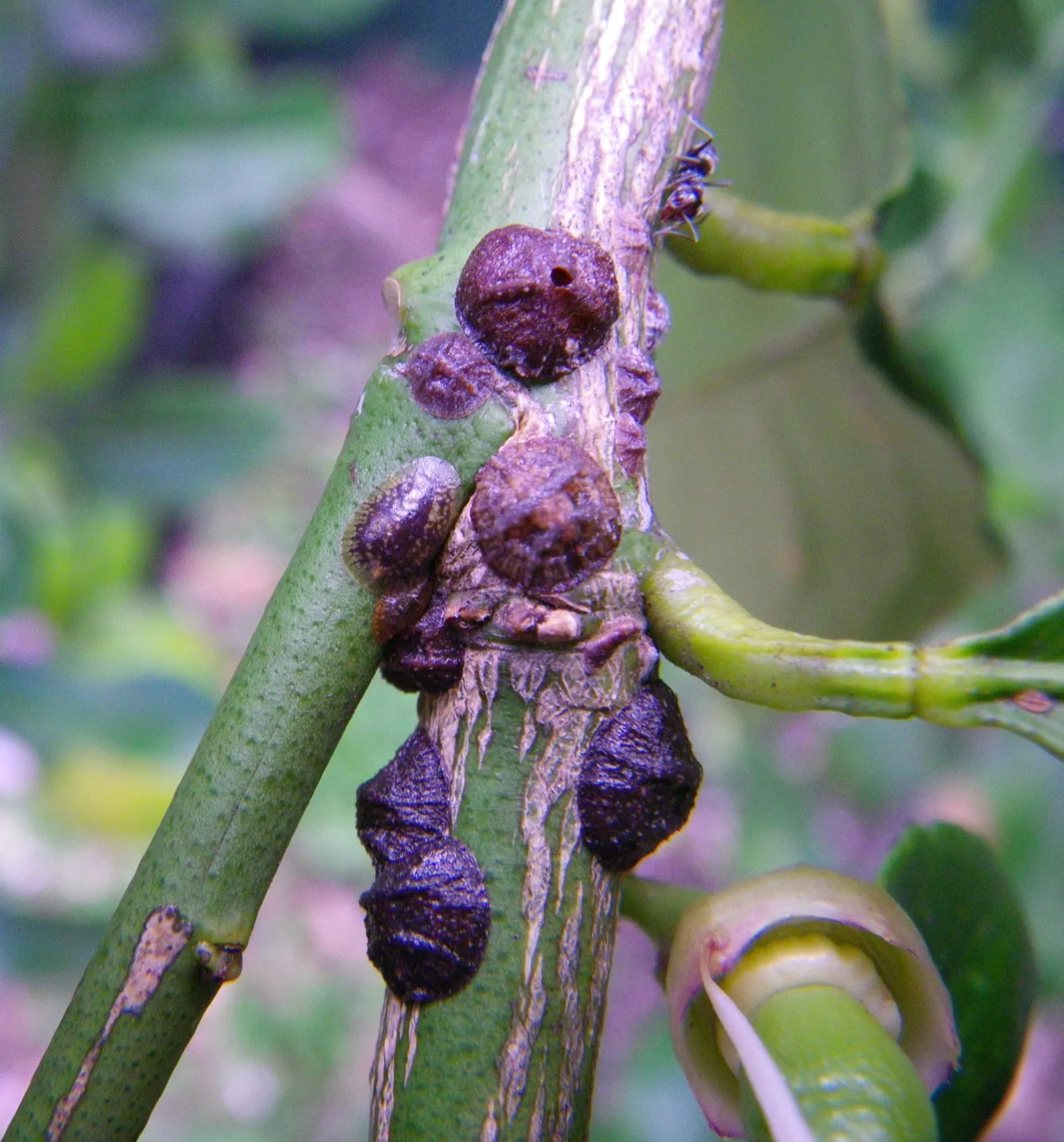
Coccoidea spp.
Sap-sucking insects that attach to bark, leaves, and fruit, secreting honeydew that fuels sooty mold. Heavy infestations weaken trees and cause leaf yellowing.
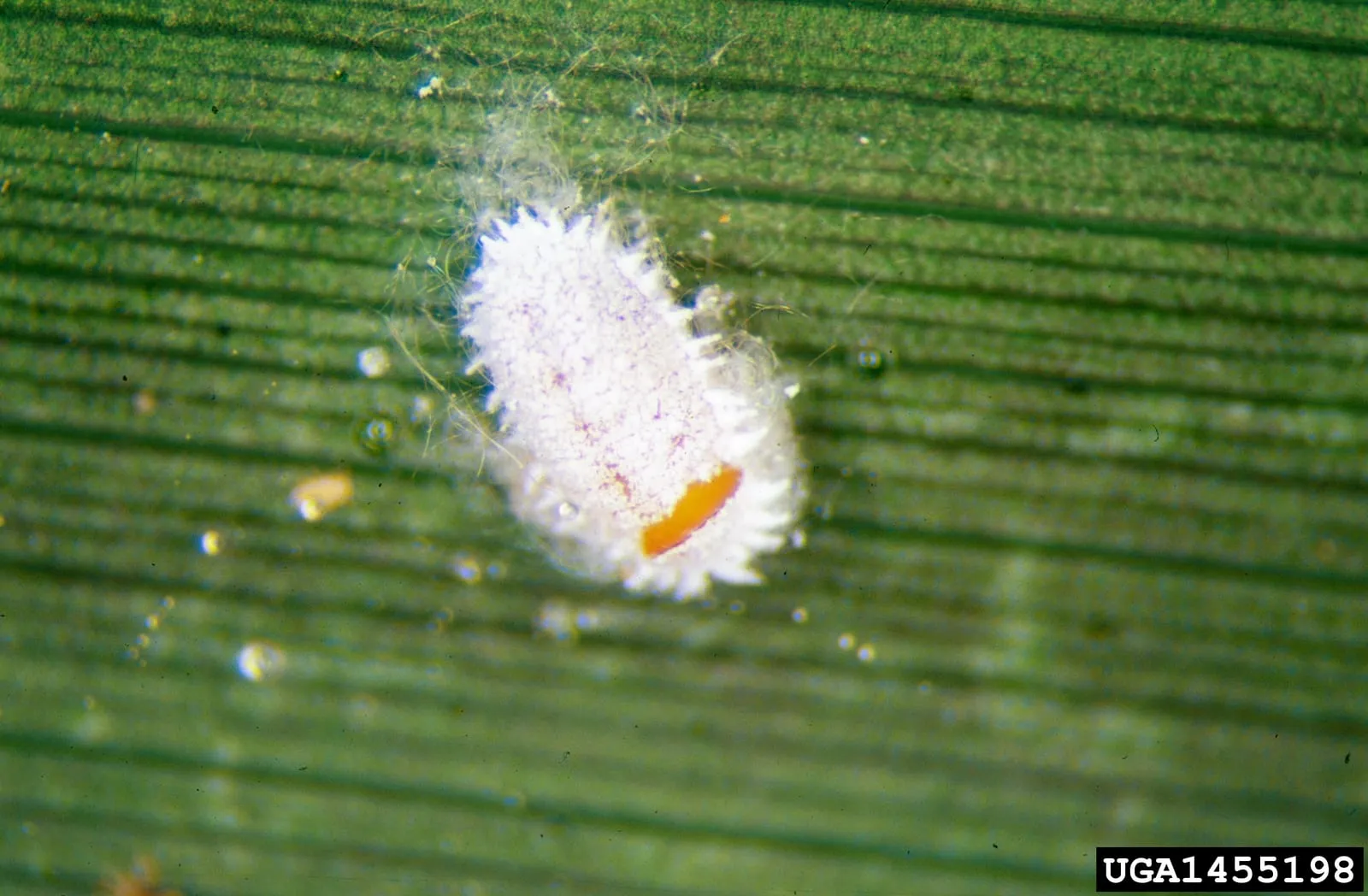
Pseudococcidae spp.
Soft white waxy insects that cluster at leaf joints, fruit stems, and root crowns. Honeydew secretion supports sooty mold; root mealybugs cause decline that mimics drought.
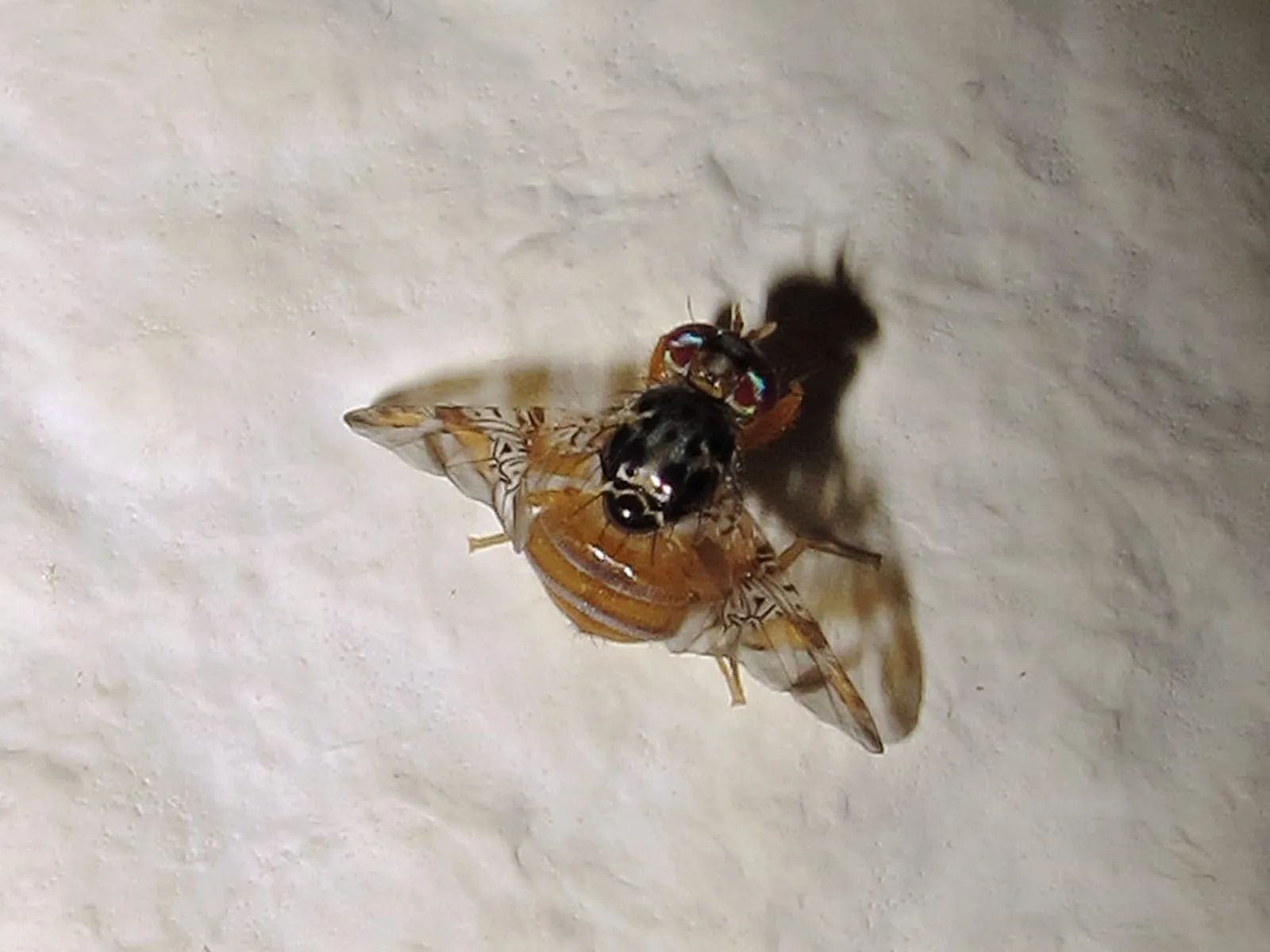
Ceratitis capitata
Quarantine pest in many regions. Adult females puncture ripening fruit to lay eggs; larvae tunnel through the flesh, causing premature drop and rot.
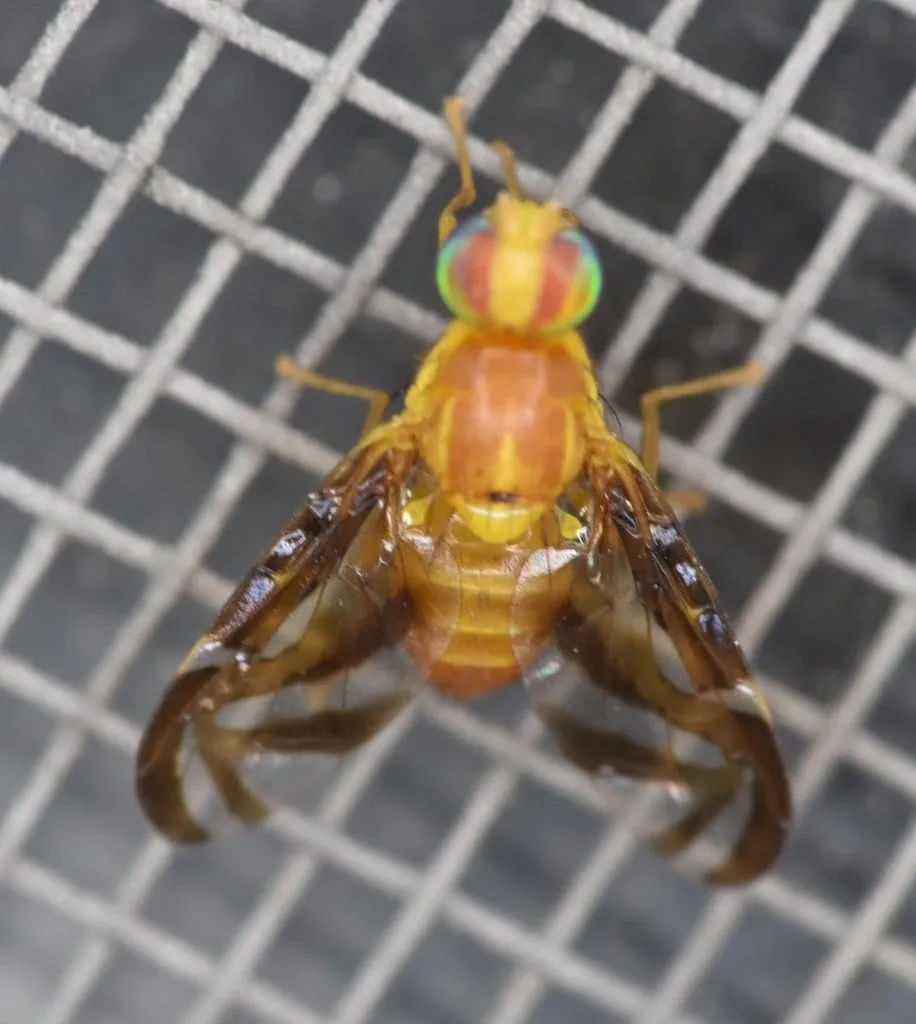
Anastrepha suspensa
Tropical fruit fly endemic to Florida and the Caribbean. Less aggressive on commercial citrus than Mediterranean fruit fly, but devastating on guava, carambola, and other thin-skinned tropicals.
Common challenges
The three most consistent failure points for home papaya growers are cold events, poor drainage, and virus pressure.
Cold damage is most often underestimated in zones 10a and 10b. A single frost will defoliate or kill young plants and can severely damage established ones. Growers in marginal zones should time transplanting so plants are well-established before the coldest months and should keep frost cloth on hand for young trees. Once a plant is damaged by frost, recovery is slow and the current season's fruit set is likely lost.
Waterlogging is the second most common cause of failure, even in areas with technically adequate drainage. Heavy rainfall periods, compacted soil under lawn areas, or placement in a low yard depression can produce saturated conditions that kill the shallow root system within days. Raised planting mounds or well-amended beds mitigate this reliably.
Tomato Spotted Wilt Virus (TSWV) is a significant disease threat spread by thrips. Infected plants show bronzed, distorted foliage and mottled fruit; there is no cure once a plant is infected. Management relies on thrips control, prompt removal of infected plants, and selecting virus-tolerant varieties where available. Mango anthracnose can affect ripening fruit in humid conditions, causing dark sunken lesions; copper-based fungicide applications timed at fruit set reduce incidence, per UF/IFAS guidance for Florida home landscapes.
Frequently asked questions
- Does papaya require chill hours to fruit?
No. Papaya requires zero chill hours. It is a tropical tree that grows and fruits in continuous warm conditions without any cold dormancy period. Cold temperatures slow growth, and any frost event can cause significant damage or kill the plant outright.
- How long does papaya take to produce fruit?
Under good growing conditions, papaya typically fruits within 180 to 270 days (roughly 6 to 9 months) from transplanting. Timing varies by variety, soil fertility, and ambient temperature. Plants in marginal zones or during unusually cool weather will trend toward the longer end of that range.
- What USDA zones support outdoor papaya production?
Papaya grows reliably outdoors in USDA zones 10a through 13b. Zone 10a is the practical cold limit for sustained outdoor production in the continental US. Growers in zone 9b can attempt container culture or heavy frost protection, but consistent outdoor results are difficult to achieve.
- Does papaya self-pollinate, or are multiple trees needed?
It depends on the variety. Some papaya plants are dioecious and require separate male and female plants for fruit set. Others produce hermaphroditic flowers and are self-fertile. Red Lady and Solo (Sunrise) are both self-pollinating types suited for single-tree home gardens. Confirming the sex type or variety before purchase avoids planting healthy trees that never fruit.
- What is the most serious disease threat for home-grown papaya?
Tomato Spotted Wilt Virus (TSWV) is among the most damaging, spread by thrips insects. Infected plants cannot be cured; removal of infected material is the primary response. Controlling thrips populations and selecting tolerant varieties are the main preventive strategies.
- How many years does a papaya tree remain productive?
Papaya is typically productive for 3 to 5 years before fruit size and yield decline. Most experienced growers keep a rolling rotation of young replacement plants coming into bearing rather than relying on aging trees indefinitely.
- What soil conditions does papaya need?
Papaya grows best in well-drained sandy or sandy-loam soil with a pH of 5.5 to 6.5. Waterlogged conditions, even briefly, can cause fatal root rot. Raised or mounded planting sites are recommended wherever clay soils or heavy rainfall create drainage concerns.
+−
+−
+−
+−
+−
+−
+−
Sources
- [1] University of Hawaii: Papaya Production Guide
- [2] UF/IFAS: Papaya Growing in the Florida Home Landscape
Image: "Carica papaya 22 08 2012", by Joydeep, via Wikimedia Commons, licensed under CC-BY. Source.

Papaya by zone
Related