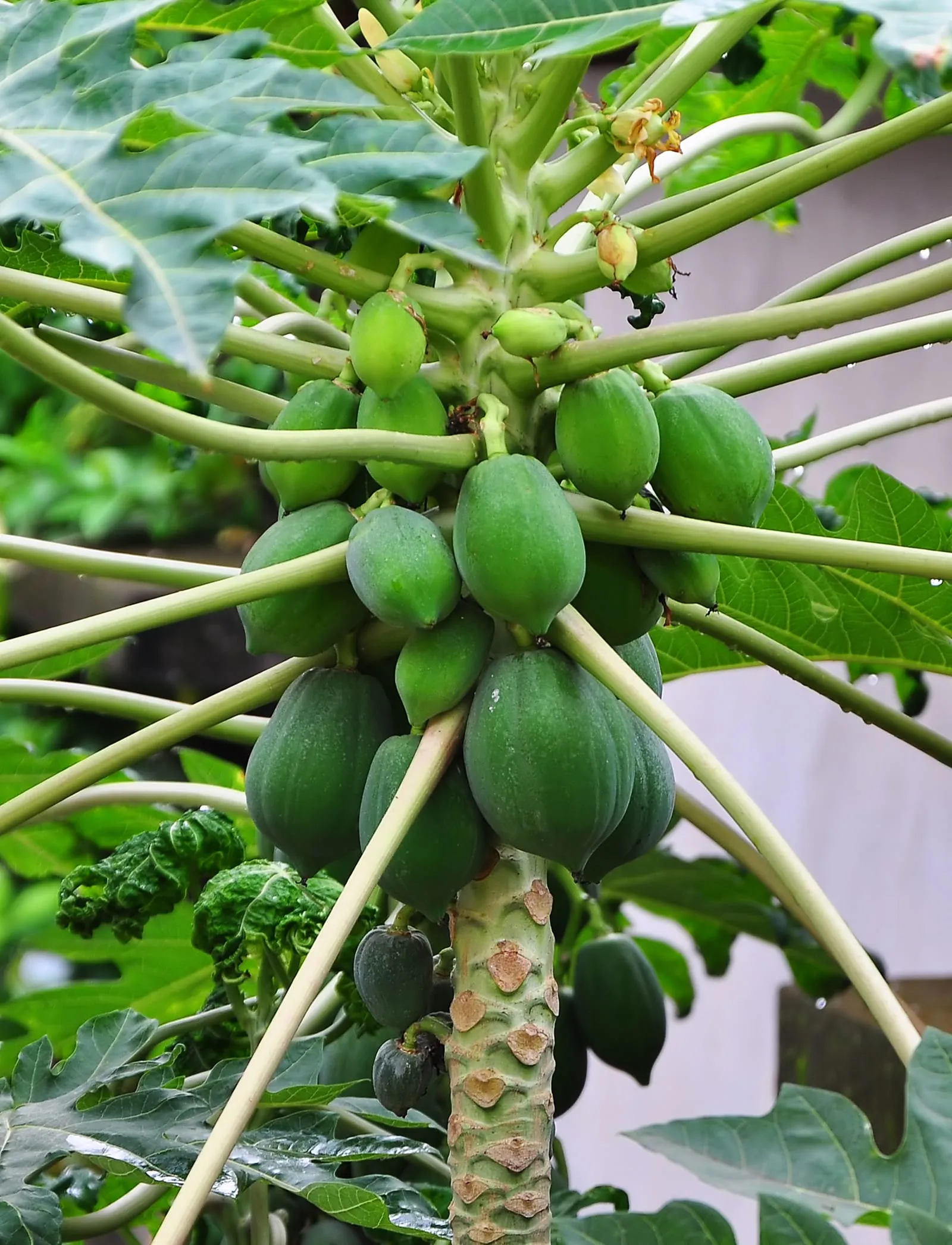
fruit tree in zone 11b
Growing papaya in zone 11b
Carica papaya
- Zone
- 11b 45°F to 50°F
- Growing season
- 365 days
- Chill needed
- 0 below 45°F
- Suitable varieties
- 3
- Days to harvest
- 180 to 270
The verdict
Zone 11b is a strong match for papaya, not a marginal one. The crop requires zero chill hours, and the zone's year-round warmth, with minimum temperatures consistently between 45 and 50°F, sits squarely inside papaya's preferred tropical range. The 365-day growing season removes the cold-weather interruptions that limit production in zones 9 and 10, where occasional frosts can damage flowers and abort developing fruit.
The constraints in 11b are biological rather than thermal. Year-round warmth sustains insect and fungal populations without seasonal dieback, so pest and disease pressure is continuous rather than cyclical. Coastal 11b sites face the additional variable of salt spray, which can stress foliage and reduce fruit set on exposed plants. Growers who account for those factors can expect reliable, heavy production from varieties like Red Lady, Maradol, and Solo (Sunrise), all of which are well suited to this climate.
Recommended varieties for zone 11b
3 cultivars suited to this zone, with disease-resistance and zone-fit annotations.
| Variety | Notes | Zone fit | Disease resistance |
|---|---|---|---|
| Red Lady fits zone 11b | Sweet musky orange-red flesh with low papain bitterness; an F1 hybrid with reliable fruit set without male trees. The standard home-garden choice. | | none noted |
| Maradol fits zone 11b | Large football-shaped fruit with mild sweet flesh; the Mexican commercial variety. Heavy producer once established. | | none noted |
| Solo (Sunrise) fits zone 11b | Small pear-shaped Hawaiian variety with intense sweet flavor and pinkish flesh. Self-pollinating; ideal for single-tree home gardens. | | none noted |
Critical timing for zone 11b
Papaya in zone 11b has no single defined bloom or harvest season. Without frost to interrupt growth, new transplants begin flowering roughly 4 to 6 months after planting, with first harvest arriving 6 to 9 months in depending on variety and conditions. Red Lady and Solo (Sunrise) tend toward the shorter end of that range; Maradol runs slightly longer.
Once fruiting begins, productive plants can yield continuously for 2 to 3 years before output declines and replanting becomes worthwhile. Because there is no frost date to plan around, growers in 11b typically stagger plantings to maintain a consistent supply rather than targeting a single seasonal window. Production tends to be most vigorous during the warmest months, when temperatures and pollinator activity peak.
Common challenges in zone 11b
- ▸ Year-round pest pressure
- ▸ Salt spray near coasts
- ▸ No winter dormancy for traditional temperate species
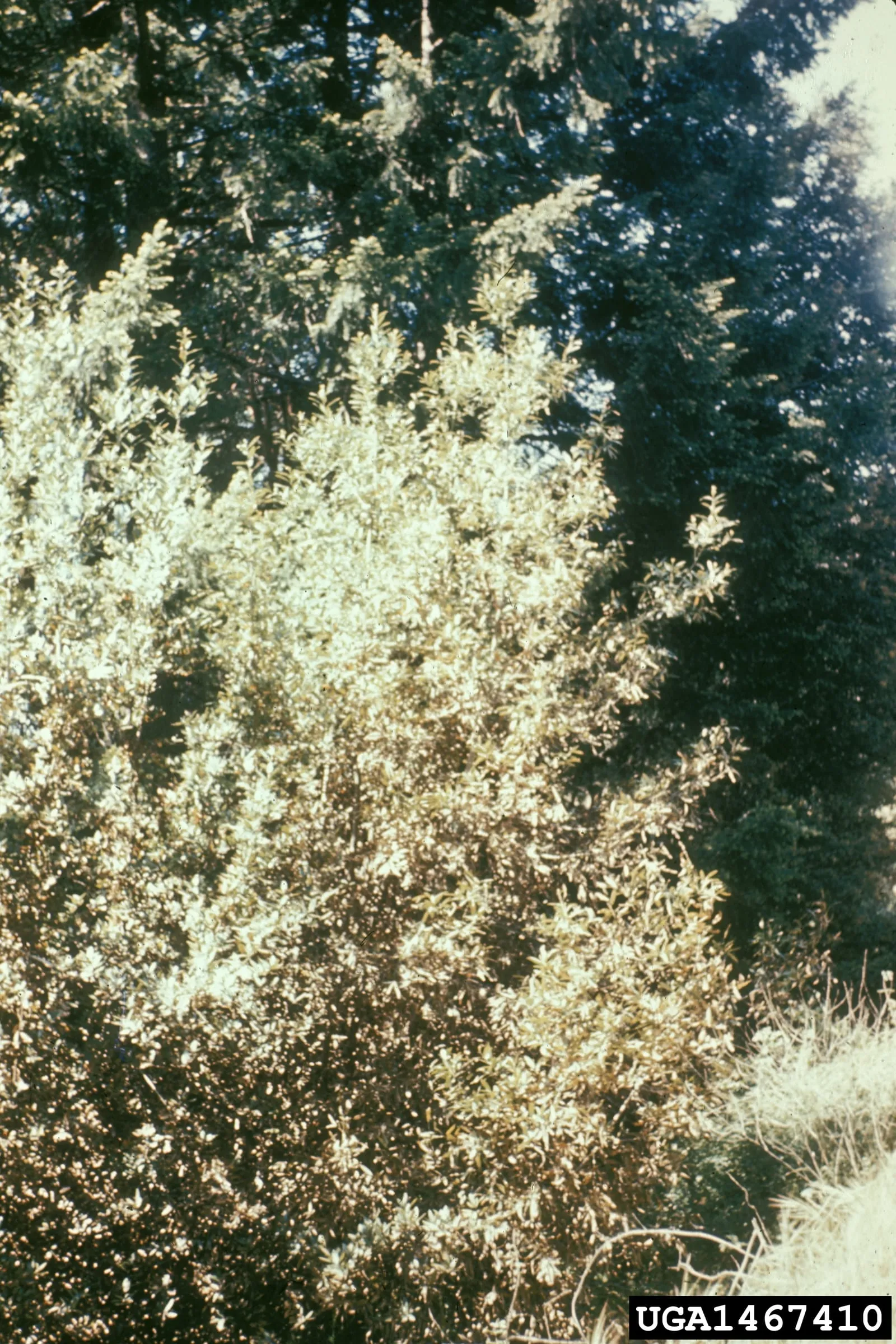
Disease pressure to watch for
Modified care for zone 11b
The primary adjustments in zone 11b are pest and disease management, not cold protection. Year-round warmth means thrips, spider mites, and papaya mealybug populations never experience winter dieback. Tomato Spotted Wilt Virus, transmitted by thrips, is a persistent risk; reflective mulches reduce thrips landing rates, and removing infected plants promptly limits spread within a planting.
Mango Anthracnose can affect fruit during humid periods common to this zone. Harvesting fruit at the first sign of color change and allowing it to ripen off the tree reduces post-harvest losses from this pathogen.
Coastal growers should site papaya behind windbreaks or structures to limit salt spray exposure; damaged foliage is more susceptible to secondary infections. Papaya's shallow root system is sensitive to waterlogging, which is a real risk in low-lying 11b areas after heavy rainfall. Raised beds or well-drained mounds help maintain adequate aeration.
Papaya in adjacent zones
Image: "Carica papaya 22 08 2012", by Joydeep, via Wikimedia Commons, licensed under CC-BY Source.

Related