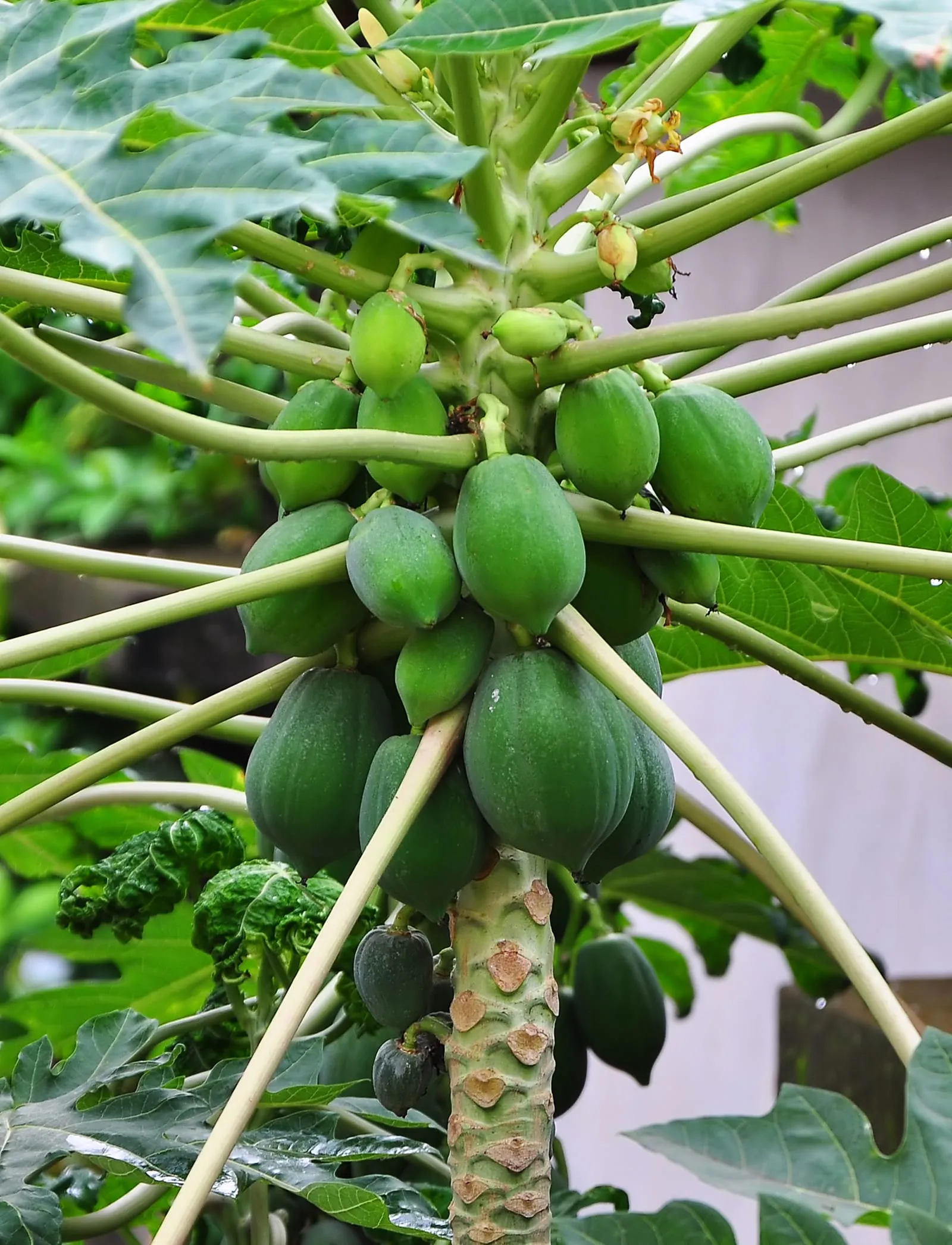
fruit tree in zone 12a
Growing papaya in zone 12a
Carica papaya
- Zone
- 12a 50°F to 55°F
- Growing season
- 365 days
- Chill needed
- 0 below 45°F
- Suitable varieties
- 3
- Days to harvest
- 180 to 270
The verdict
Zone 12a is among the most favorable zones for papaya in North America. With minimum winter temperatures holding between 50 and 55°F, frost is essentially absent, and papaya requires exactly that. The crop demands zero chill hours, so the zone-temperature alignment here is as close to ideal as it gets within the USDA zone system. The 365-day growing season eliminates the stop-start rhythm that growers in cooler zones manage around frost dates.
The main limitation is not cold but rather the zone's associated hazards: sustained tropical humidity creates persistent disease pressure, and coastal and island locations within this zone face hurricane risk that can physically devastate shallow-rooted plantings. For growers who can site plants with adequate wind protection and stay ahead of disease, zone 12a is a genuine sweet spot rather than a marginal one for papaya production.
Recommended varieties for zone 12a
3 cultivars suited to this zone, with disease-resistance and zone-fit annotations.
| Variety | Notes | Zone fit | Disease resistance |
|---|---|---|---|
| Red Lady fits zone 12a | Sweet musky orange-red flesh with low papain bitterness; an F1 hybrid with reliable fruit set without male trees. The standard home-garden choice. | | none noted |
| Maradol fits zone 12a | Large football-shaped fruit with mild sweet flesh; the Mexican commercial variety. Heavy producer once established. | | none noted |
| Solo (Sunrise) fits zone 12a | Small pear-shaped Hawaiian variety with intense sweet flavor and pinkish flesh. Self-pollinating; ideal for single-tree home gardens. | | none noted |
Critical timing for zone 12a
In zone 12a, papaya operates on a continuous cycle rather than a seasonal one. Without frost to define a planting window, transplants can go in any month of the year, though the drier months of the local climate tend to favor establishment by reducing early damping-off risk.
From transplant, first bloom typically appears within 3 to 5 months, with harvestable fruit following 6 to 9 months after planting depending on variety. Red Lady and Solo (Sunrise) tend toward the shorter end of that range under favorable conditions. Because the growing season has no defined end, established plants produce in overlapping flushes; a single plant may carry flowers, immature fruit, and ripe fruit simultaneously for most of the year.
Common challenges in zone 12a
- ▸ No temperate species
- ▸ Tropical pest and disease pressure
- ▸ Hurricane exposure
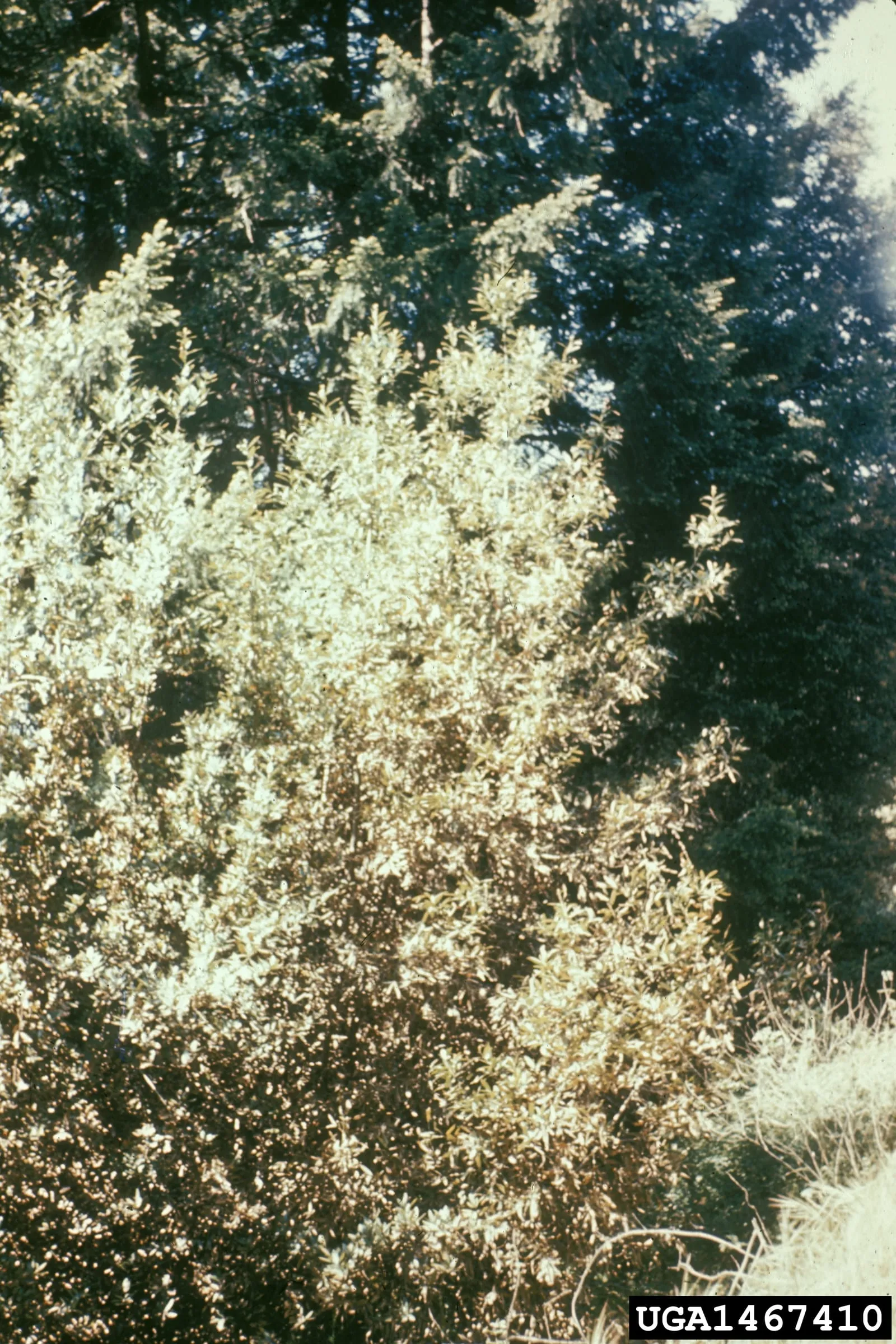
Disease pressure to watch for
Modified care for zone 12a
The absence of cold stress shifts attention almost entirely to pest and disease management. Tomato Spotted Wilt Virus, transmitted by thrips, is a persistent concern in warm humid climates; managing thrips populations through reflective mulches and avoiding nearby susceptible hosts (tomatoes, peppers) reduces transmission pressure. Anthracnose affects fruit both on the tree and post-harvest; copper-based fungicides applied during bloom and fruit set, combined with good air circulation, are the standard management approach cited in extension literature.
Hurricane exposure is the other zone-specific hazard. Papayas are shallow-rooted and topple easily in high winds; a windbreak of taller, denser vegetation on the prevailing storm side and staking of young plants are practical precautions. Pruning to maintain a single leader also reduces wind-catch surface area.
Frequently asked questions
- Can papaya be planted year-round in zone 12a?
Yes. Zone 12a's frost-free conditions allow planting any month, though the driest period in the local calendar tends to favor establishment. First fruit typically arrives 6 to 9 months after transplant regardless of planting date.
- Which papaya varieties are recommended for zone 12a?
Red Lady, Maradol, and Solo (Sunrise) are well-suited to tropical zone conditions. Red Lady and Solo tend to fruit faster from transplant and produce smaller, more manageable fruit. Maradol produces larger fruit and is widely grown commercially in similar climates.
- What is the biggest disease risk for papaya in zone 12a?
Tomato Spotted Wilt Virus, spread by thrips, is a significant and persistent concern in warm humid zones. Reducing thrips pressure through reflective mulches and avoiding adjacent plantings of tomatoes or peppers is the primary preventive strategy. Anthracnose is a secondary concern, particularly for post-harvest fruit quality.
+−
+−
+−
Papaya in adjacent zones
Image: "Carica papaya 22 08 2012", by Joydeep, via Wikimedia Commons, licensed under CC-BY Source.

Related