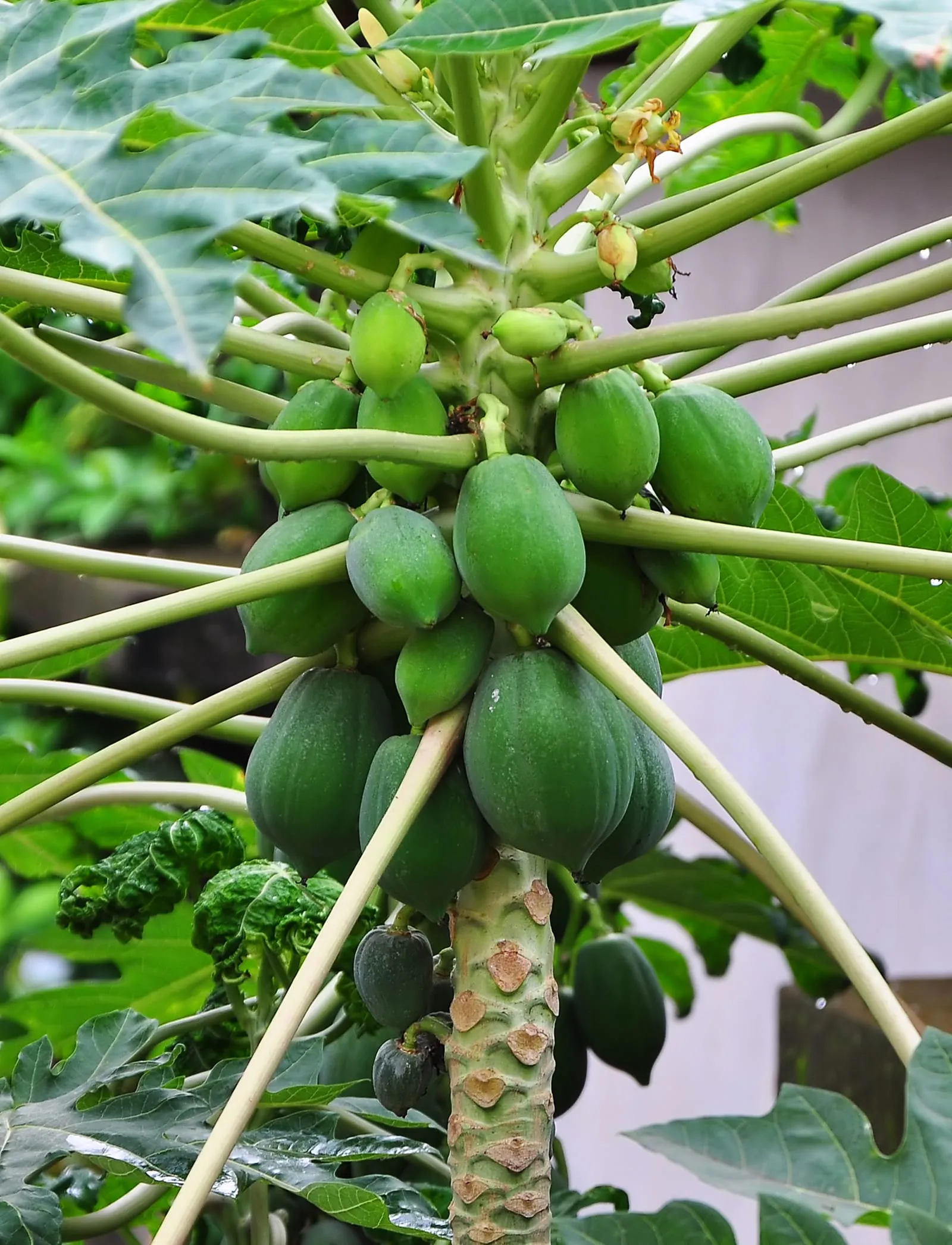
fruit tree in zone 12b
Growing papaya in zone 12b
Carica papaya
- Zone
- 12b 55°F to 60°F
- Growing season
- 365 days
- Chill needed
- 0 below 45°F
- Suitable varieties
- 3
- Days to harvest
- 180 to 270
The verdict
Zone 12b is a genuine sweet spot for papaya, not a marginal case. With minimum temperatures holding above 55°F year-round and a 365-day growing season, the zone matches papaya's tropical origins precisely. Papaya requires zero chill hours, so the absence of winter chilling that limits temperate fruit in this zone is entirely irrelevant here. Frost is not a practical concern, and the sustained warmth supports the continuous vegetative growth and fruit production the crop needs.
The primary variables to manage in zone 12b are pest and disease pressure, which persist without a cold-weather break, and cultivar selection. Red Lady, Maradol, and Solo (Sunrise) are all appropriate for this zone, with Red Lady and Solo (Sunrise) offering better performance in high-humidity conditions. The zone's heat and humidity create favorable conditions for Tomato Spotted Wilt Virus and anthracnose; selecting tolerant cultivars from the outset reduces ongoing management load considerably.
Recommended varieties for zone 12b
3 cultivars suited to this zone, with disease-resistance and zone-fit annotations.
| Variety | Notes | Zone fit | Disease resistance |
|---|---|---|---|
| Red Lady fits zone 12b | Sweet musky orange-red flesh with low papain bitterness; an F1 hybrid with reliable fruit set without male trees. The standard home-garden choice. | | none noted |
| Maradol fits zone 12b | Large football-shaped fruit with mild sweet flesh; the Mexican commercial variety. Heavy producer once established. | | none noted |
| Solo (Sunrise) fits zone 12b | Small pear-shaped Hawaiian variety with intense sweet flavor and pinkish flesh. Self-pollinating; ideal for single-tree home gardens. | | none noted |
Critical timing for zone 12b
Papaya is essentially a year-round producer in zone 12b. Planting can occur in any month; transplants typically begin flowering 3 to 5 months after setting out, and fruit reaches harvest maturity 6 to 9 months from transplanting under good growing conditions. Because the growing season is continuous, staggered plantings can support multiple overlapping harvest cycles within a single calendar year.
There is no frost window to work around. The more consequential timing consideration is rainfall distribution: in zone 12b locations with a distinct dry season, planting at the onset of the wet season reduces irrigation demand during establishment. Conversely, waterlogging during heavy rain periods poses more risk to young plants than any cold-related stress.
Common challenges in zone 12b
- ▸ No chilling for temperate fruit
- ▸ Pest pressure year-round
- ▸ Specialized cultivar selection
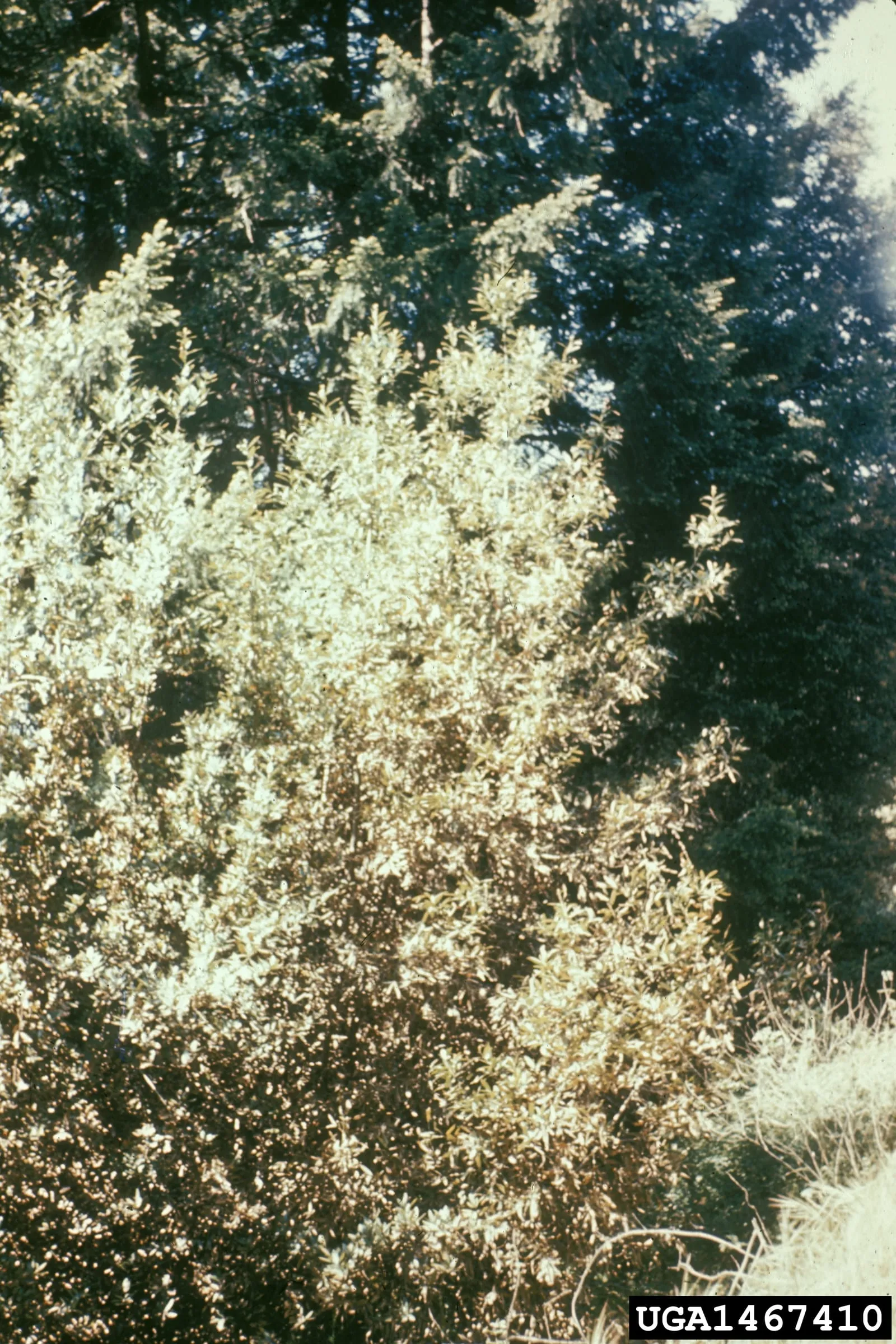
Disease pressure to watch for
Modified care for zone 12b
Pest and disease pressure runs 12 months a year in zone 12b, with no cold-weather interruption to reduce insect or pathogen populations. Thrips, which vector Tomato Spotted Wilt Virus, are the most consequential insect concern. Reflective mulch around young transplants and consistent early monitoring reduce thrips activity; removing symptomatic plants promptly limits spread through the planting.
Anthracnose is a recurring issue during wet periods. Maintaining airflow through the canopy and avoiding overhead irrigation where feasible limits disease incidence. Papaya also has a relatively shallow, sensitive root system, and waterlogging kills roots within a few days; raised beds or well-drained sites are worth prioritizing. In zone 12b regions that experience seasonal strong winds, papayas benefit from staking during the first several months after transplanting, as the top-heavy canopy is prone to toppling before the root system is well established.
Frequently asked questions
- Is zone 12b too hot for papaya?
No. Papaya is a tropical crop that thrives in sustained heat. Zone 12b's minimum temperatures above 55°F and year-round growing season are well within the crop's preferred range. The main challenges in this zone are pest pressure and soil drainage, not heat stress.
- Which papaya variety performs best in zone 12b?
Red Lady and Solo (Sunrise) are well-suited to the high-humidity conditions common in zone 12b and offer reasonable tolerance to disease pressure. Maradol is a larger-fruited option worth considering where market or personal preference favors it. All three are documented performers in tropical zones.
- Can papaya be planted year-round in zone 12b?
Yes. With no frost risk and a 365-day growing season, there is no calendar-based restriction on planting. Growers in areas with a pronounced dry season often time transplanting to coincide with the start of the wet season to reduce irrigation needs during establishment.
- How serious is Tomato Spotted Wilt Virus for papaya in zone 12b?
It is a genuine concern because the thrips that vector the virus remain active year-round without a cold break to reduce populations. Reflective mulch, early scouting, and prompt removal of infected plants are the practical controls. Selecting tolerant cultivars provides a meaningful baseline advantage.
+−
+−
+−
+−
Papaya in adjacent zones
Image: "Carica papaya 22 08 2012", by Joydeep, via Wikimedia Commons, licensed under CC-BY Source.

Related