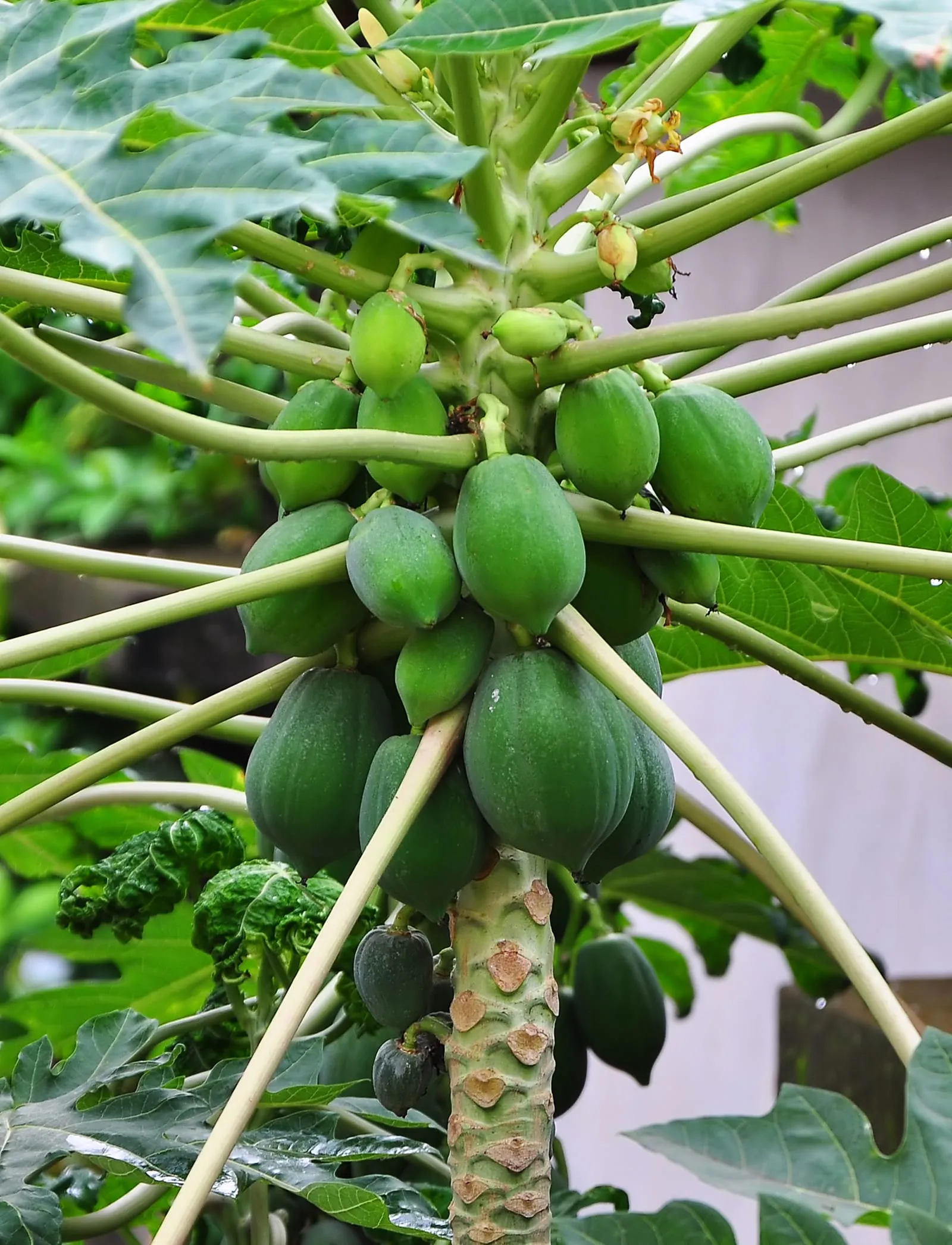
fruit tree in zone 13a
Growing papaya in zone 13a
Carica papaya
- Zone
- 13a 60°F to 65°F
- Growing season
- 365 days
- Chill needed
- 0 below 45°F
- Suitable varieties
- 3
- Days to harvest
- 180 to 270
The verdict
Papaya requires zero chill hours and is damaged by temperatures below approximately 32°F, with growth suppression beginning near 50°F. Zone 13a, with minimum winter temperatures of 60 to 65°F and a full 365-day growing season, sits squarely in papaya's preferred range. This is not a marginal zone for the crop; it is closer to ideal than most of the continental United States can offer.
The practical ceiling matters as much as the floor. Sustained heat above 95°F can trigger flower drop and reduce fruit set, so the heat stress listed as a zone challenge is real for papaya even in a climate where cold is never a concern. Varieties like Red Lady and Solo (Sunrise) handle tropical heat reasonably well, but site selection and afternoon shade can make a meaningful difference during the hottest stretches. Maradol, a larger-fruited type, performs consistently in warm humid zones and is widely grown commercially in similar climates.
Recommended varieties for zone 13a
3 cultivars suited to this zone, with disease-resistance and zone-fit annotations.
| Variety | Notes | Zone fit | Disease resistance |
|---|---|---|---|
| Red Lady fits zone 13a | Sweet musky orange-red flesh with low papain bitterness; an F1 hybrid with reliable fruit set without male trees. The standard home-garden choice. | | none noted |
| Maradol fits zone 13a | Large football-shaped fruit with mild sweet flesh; the Mexican commercial variety. Heavy producer once established. | | none noted |
| Solo (Sunrise) fits zone 13a | Small pear-shaped Hawaiian variety with intense sweet flavor and pinkish flesh. Self-pollinating; ideal for single-tree home gardens. | | none noted |
Critical timing for zone 13a
With no frost risk, papaya in zone 13a is not constrained to a single planting window. Transplants can go in the ground any month, though periods with moderate temperatures and adequate soil warmth (soil at or above 70°F) favor establishment. In practice, many growers avoid planting during the peak of the dry season if irrigation capacity is limited.
Papaya typically begins flowering 3 to 5 months after transplanting and reaches first harvest 6 to 12 months after planting, depending on the variety and growing conditions. Solo (Sunrise) tends toward the shorter end of that window; Maradol runs longer. Because zone 13a offers continuous warmth, a well-established tree will cycle through flowering and fruiting repeatedly across the year rather than in a single annual flush.
Common challenges in zone 13a
- ▸ Heat stress on most crops
- ▸ Year-round irrigation
- ▸ Limited cultivar selection
Disease pressure to watch for
Modified care for zone 13a
The main adjustment for zone 13a is irrigation management. Papaya is shallow-rooted and drought-sensitive; without consistent soil moisture, fruit size suffers and plants can stall. Year-round irrigation is not optional in this zone. Drip systems that maintain even moisture at the root zone without prolonged wet periods at the crown reduce both water use and the risk of fungal root rots.
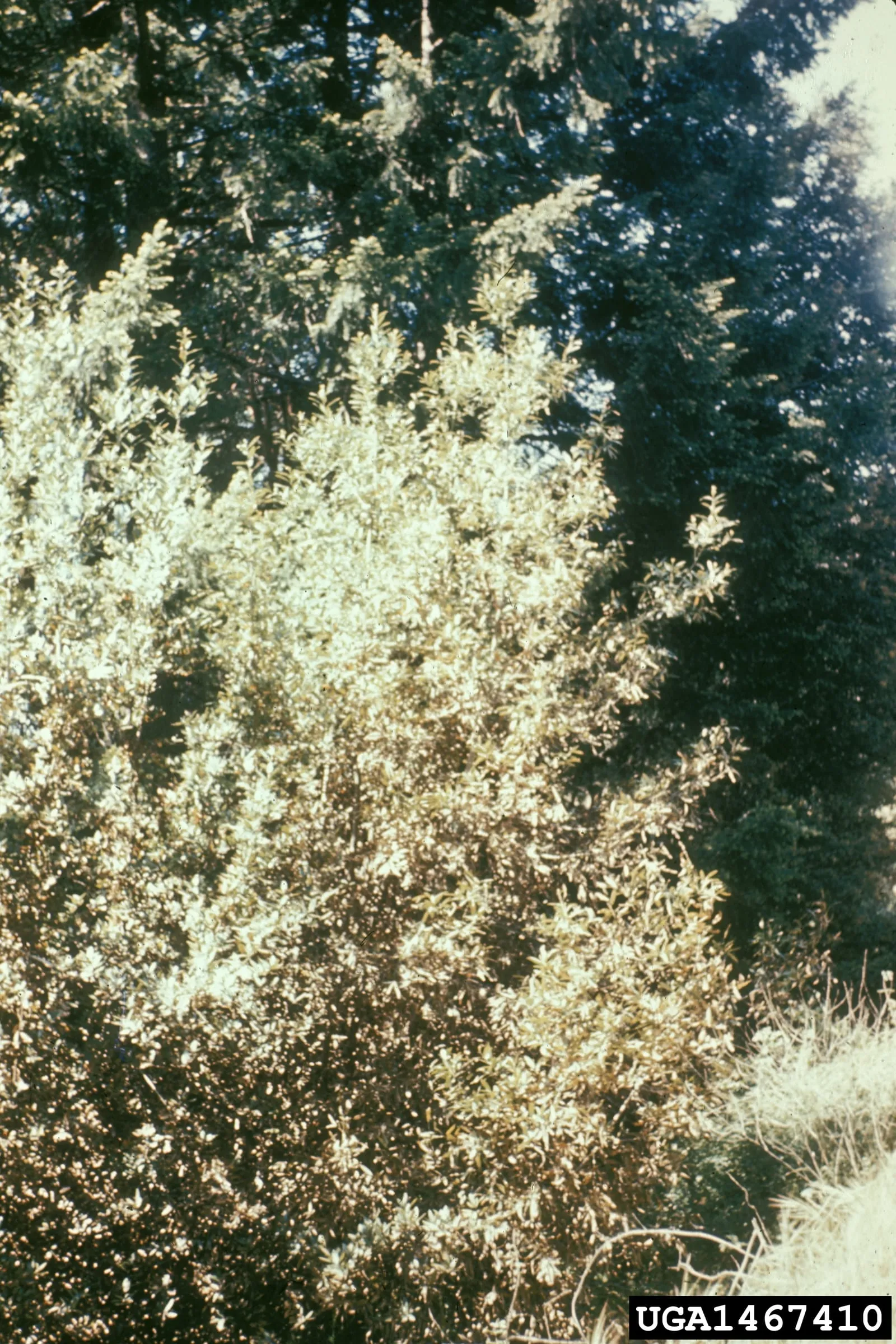
Tomato Spotted Wilt Virus, transmitted by thrips, warrants sustained attention in warm zones where thrips populations stay active all year. Removing infected plants promptly and managing weed hosts nearby reduces pressure. Mango Anthracnose has documented crossover on papaya fruit surfaces in humid tropical conditions; avoiding overhead irrigation and ensuring good air circulation around the canopy limits splash spread. Thinning canopy density is more important in zone 13a than in cooler zones where humidity is less persistent.
Papaya in adjacent zones
Image: "Carica papaya 22 08 2012", by Joydeep, via Wikimedia Commons, licensed under CC-BY Source.

Related