USDA hardiness zone
Zone 13a
Hot tropical zone for the most heat-tolerant species only.
On the zone ramp
- Lowest winter temp
- 60°F to 65°F USDA boundary
- Growing season
- 365 days
- Avg chill hours
- 0 below 45°F
- Hardiness rank
- 25 of 26 warm side
- Compatible crops
- 6
- Sample region
- Lowest-elevation Hawaii
Growing in zone 13a
Zone 13a represents the extreme end of the USDA hardiness scale, where minimum winter temperatures never drop below 60°F and frost is simply not part of the gardening equation. The locations that fall here, primarily the lowest elevations in Hawaii and the hottest corners of Puerto Rico, experience what amounts to a permanent summer. The growing season is 365 days.
That sounds like an advantage, but it comes with a hard constraint: the overwhelming majority of cultivated crops, including nearly all stone fruits, pome fruits, brassicas, and cool-season vegetables, require a cold dormancy period that this zone never delivers. Chill-hour accumulation at these elevations is effectively zero. Most temperate breeding programs have never targeted these conditions.
What does thrive is genuinely tropical: breadfruit, papaya, banana, starfruit, longan, rambutan, sugar cane, taro, and some low-chill citrus cultivars. The palette is real but narrow by temperate standards. Heat stress is the primary management challenge, not cold protection. Humidity, pest pressure, and year-round irrigation demand are the recurring variables gardeners in this zone contend with. Anyone relocating from a temperate zone should expect to rebuild their crop assumptions from scratch.
Frost timing in zone 13a
Frost dates are not applicable in zone 13a. The minimum annual temperature stays above 60°F, and the coldest nights of the year feel mild by any temperate measure. There is no last spring frost date, no first fall frost date, and no frost protection planning of any kind.
For fruit growers, the relevant metric is not frost timing but chill-hour accumulation, which refers to the number of hours per year when temperatures fall below 45°F. Most apple varieties require 800 to 1,200 chill hours; most peaches need 400 to 900. Zone 13a accumulates fewer than 50 chill hours in most years, and often zero at sea level. Without sufficient chill, fruit trees fail to break dormancy properly, producing sparse foliage and little to no fruit regardless of other care.
Low-chill varieties bred for zones 9 and 10 still require 150 to 300 chill hours, which zone 13a cannot reliably provide. Gardeners seeking fruit production should focus on inherently tropical species that evolved without any chill requirement rather than trying to adapt temperate cultivars.
Common challenges
- ▸ Heat stress on most crops
- ▸ Year-round irrigation
- ▸ Limited cultivar selection
Best practices
Select crops bred for tropical conditions, not adapted from temperate ones. The temptation to trial low-chill peaches or tropical-adapted apple selections is understandable, but results in this zone are consistently disappointing. The better approach is to work within the genuine strengths of the zone: papaya, banana, breadfruit, longan, lychee (at slightly higher elevations with some chill), and taro are all well-adapted and productive without modification.
Manage heat stress actively during establishment. Even heat-tolerant tropical species experience transplant shock and root stress when soil temperatures exceed 90°F. Mulching 3 to 4 inches deep with wood chips or straw reduces soil temperature significantly, retains moisture, and cuts irrigation frequency. Shade cloth at 30 to 40 percent during the first growing season improves survival rates for young trees and perennial starts.
Plan irrigation as a permanent infrastructure investment. Year-round evapotranspiration in these locations means no reliable rainy season that offsets dry months consistently across the whole calendar. Drip irrigation targeted at the root zone, combined with soil moisture monitoring, prevents both drought stress and the fungal root issues that come from overhead watering in high-humidity environments.
What to grow in zone 13a
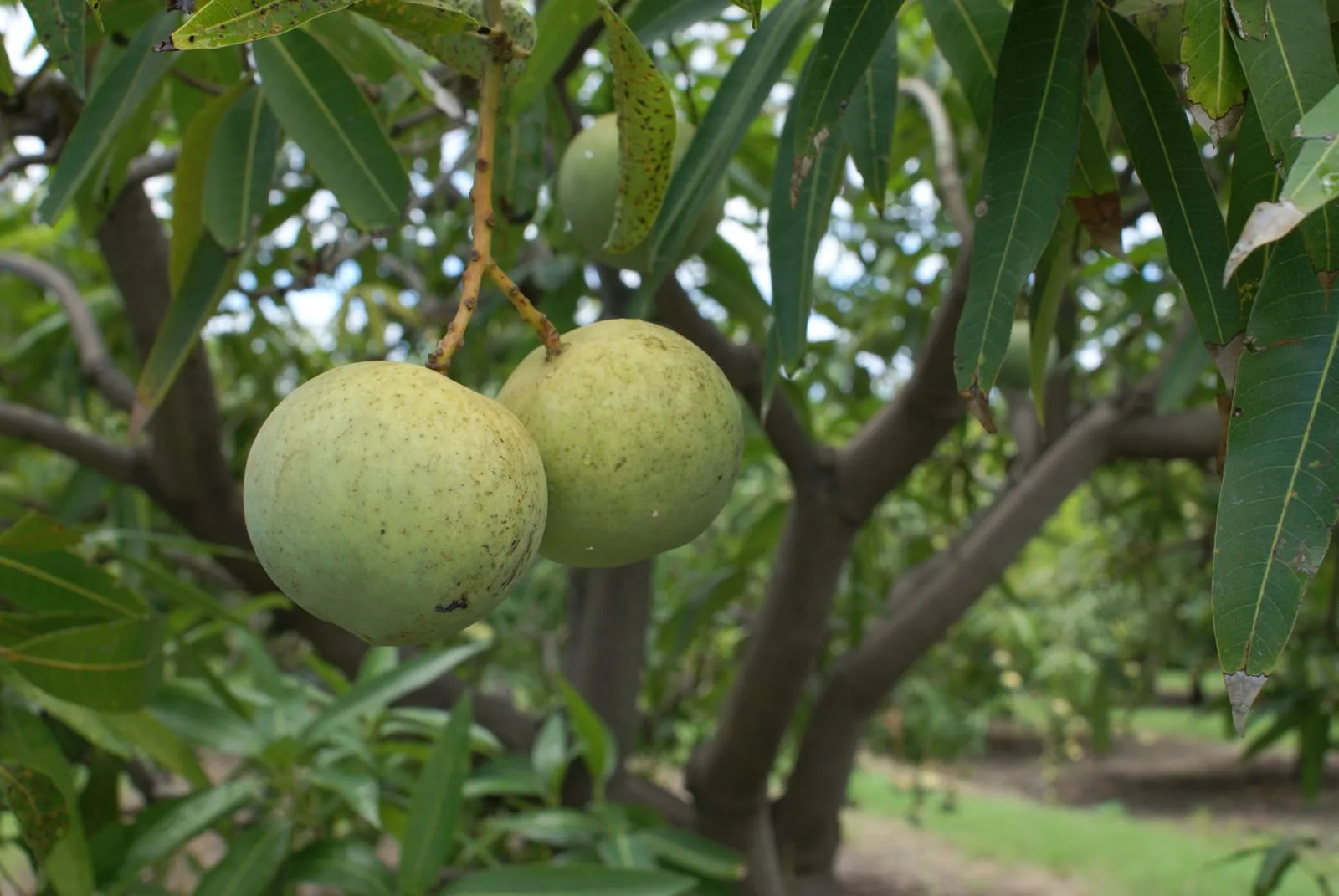
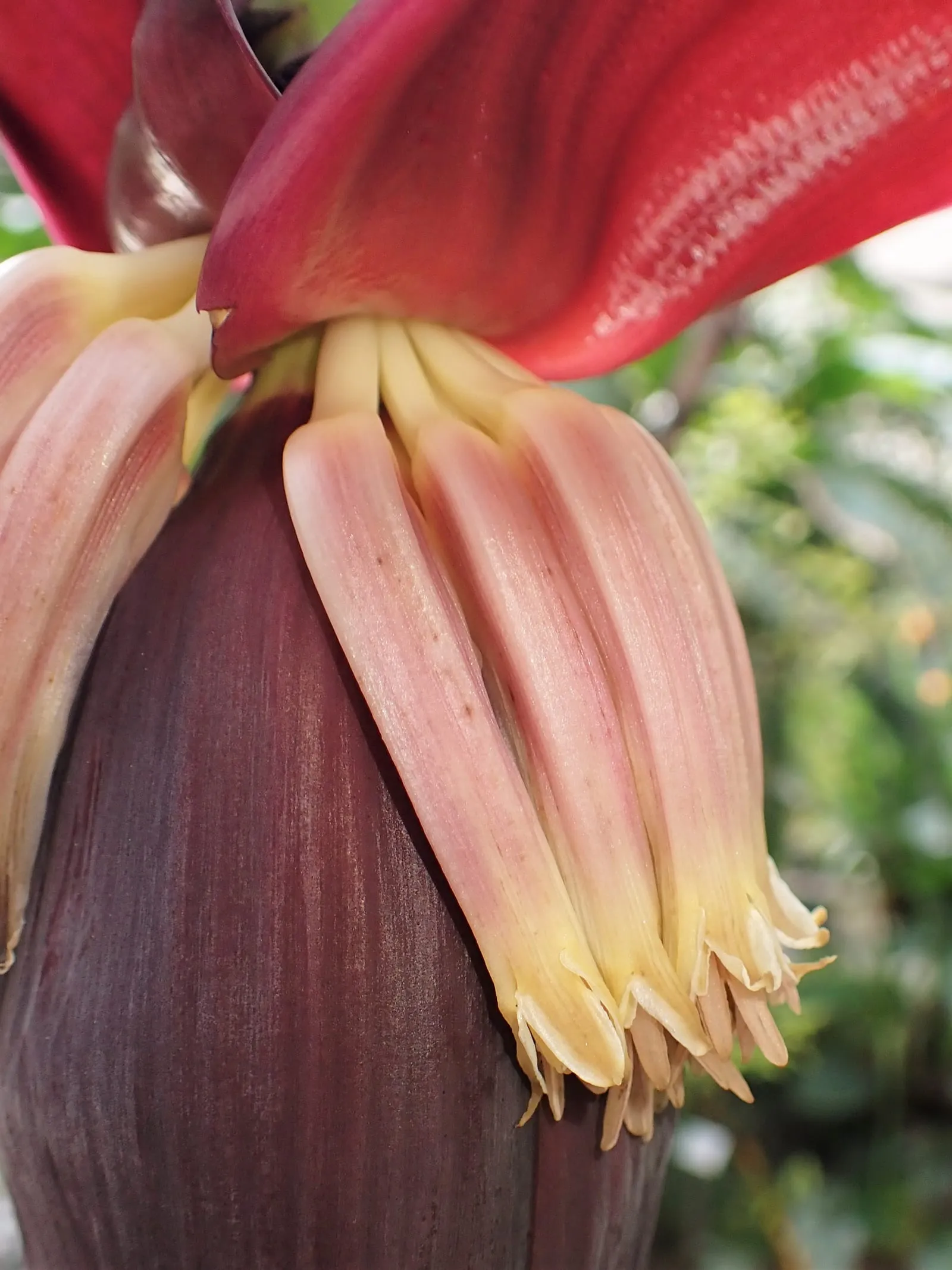
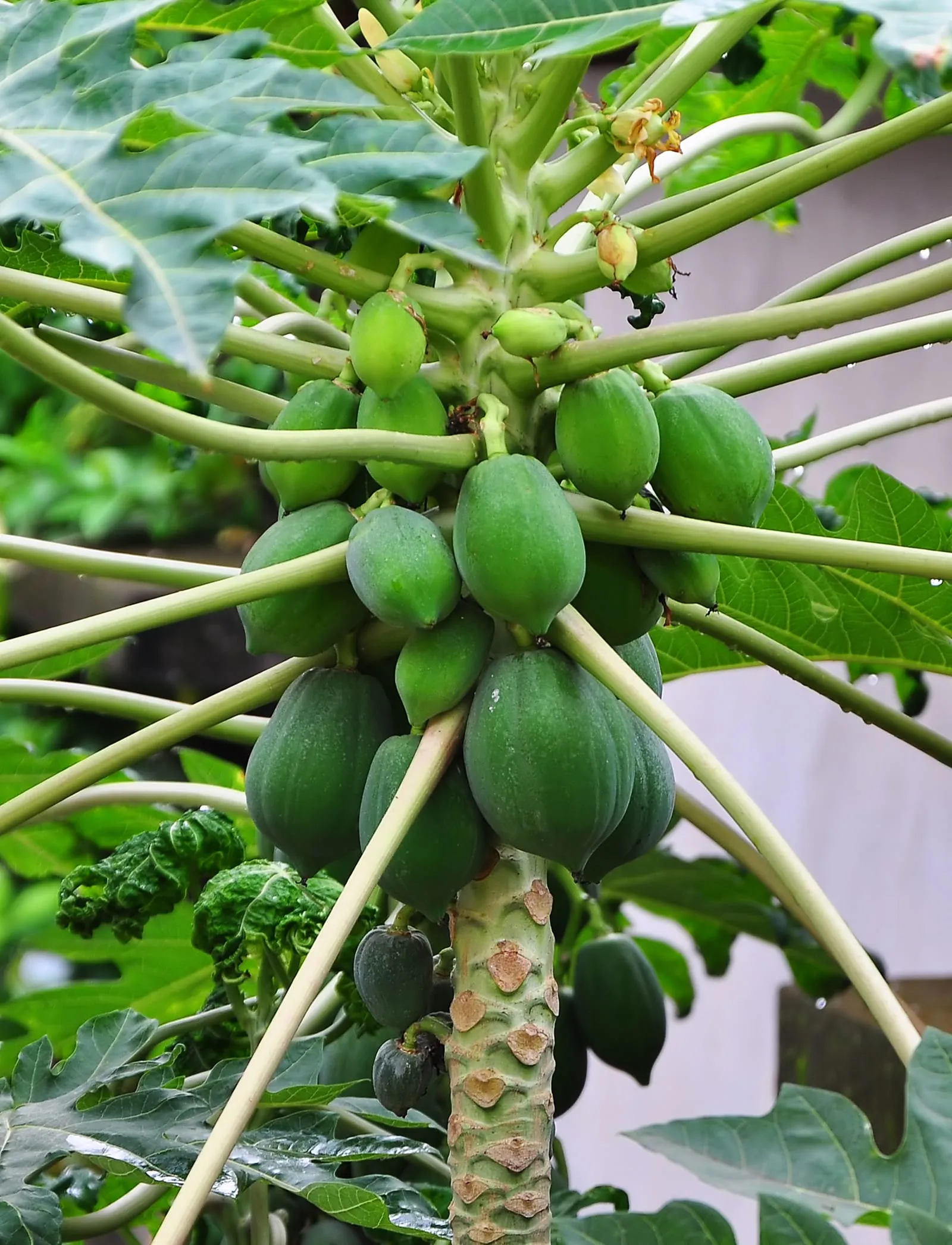
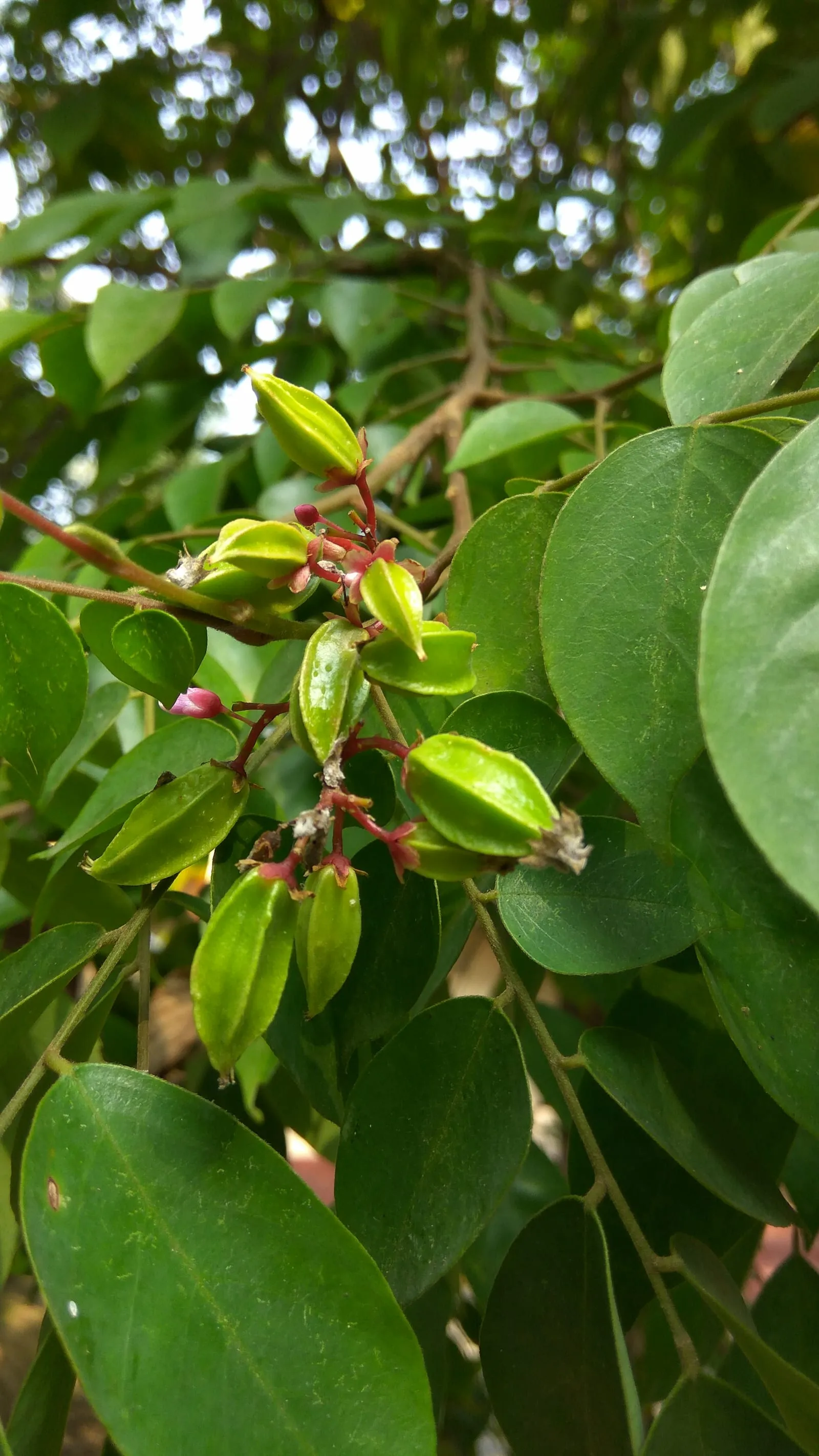
6 crops from our database fit zone 13a, grouped by type. Click through for zone-specific variety recommendations.
Tree fruit
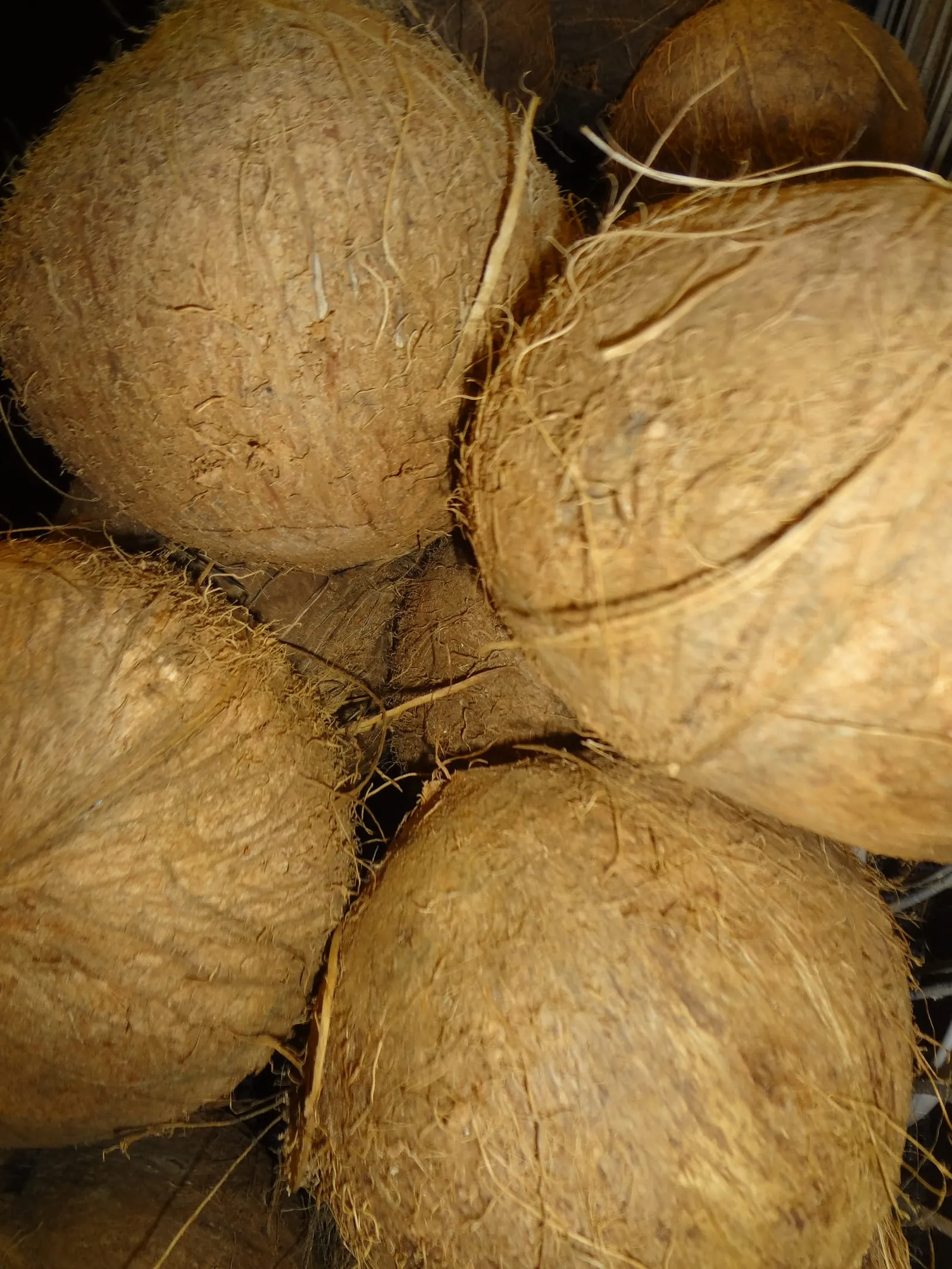
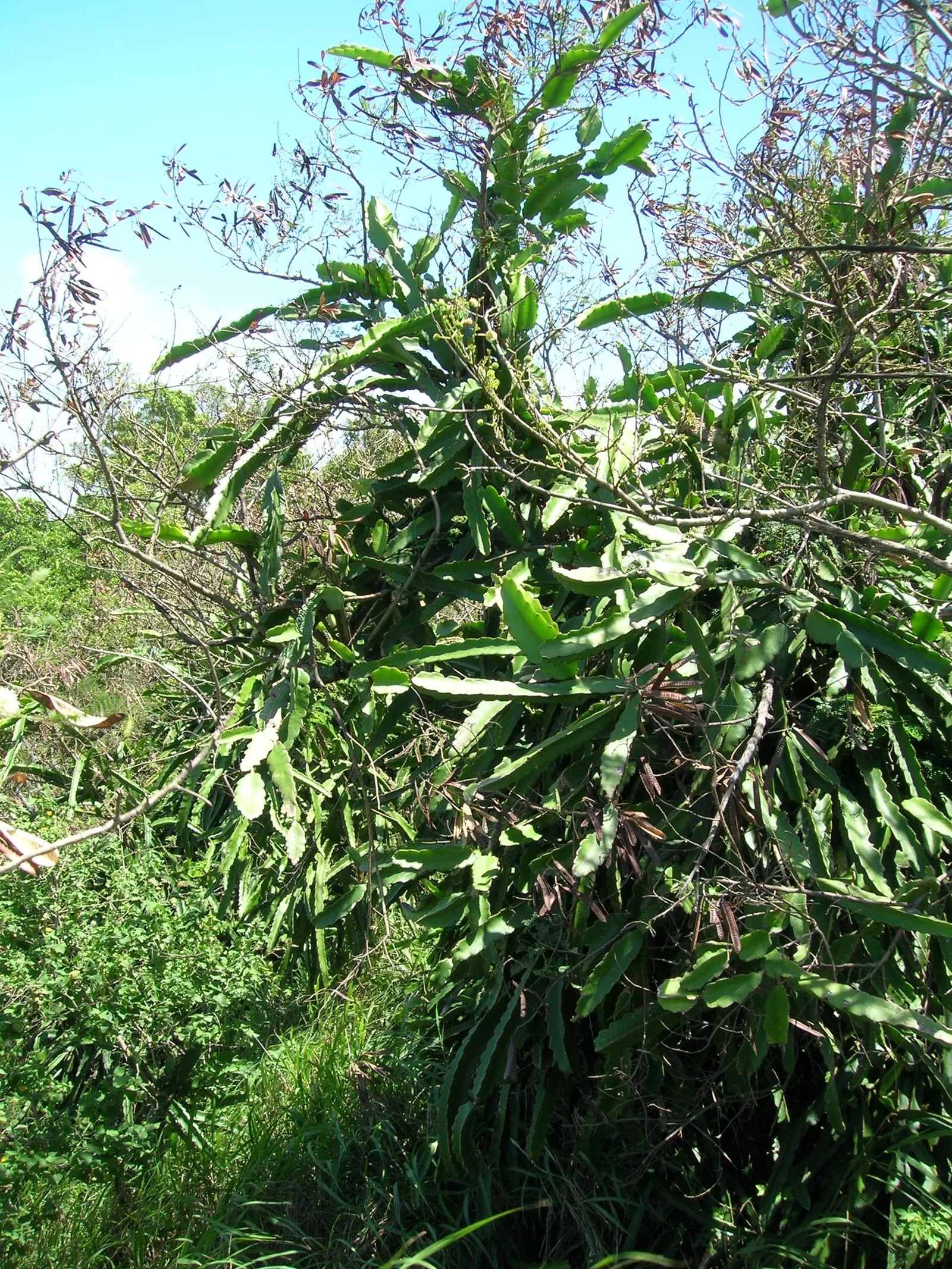
5 crops
When to plant
Planting calendar for zone 13a
Year-view of seed starting, transplanting, planting, pruning, fertilizing, harvest, and pest-watch windows based on the average frost timing for zone 13a.
Week ? · loading
This week in zone 13a
Quiet week in zone 13a. this week is a good time to step back and plan ahead.
Nothing critical on the calendar this week.
29 bars · 6 crops
Calendar logic combines NOAA frost normals with crop-specific timing data. Local microclimate and weather always overrules the calendar; use this as a starting point.
Frequently asked questions
- Can apple or peach trees survive in zone 13a?
Survival is possible but productive fruiting is not. Both crops require chill-hour accumulation (hours below 45°F) to break dormancy and set fruit. Zone 13a accumulates fewer than 50 chill hours annually, while even the lowest-chill apple and peach cultivars require 150 to 300 hours. Trees planted here typically leaf out poorly and produce little or no fruit.
- What fruit trees actually produce well in zone 13a?
Papaya, banana, breadfruit, starfruit (carambola), longan, rambutan, Tahitian lime, and calamansi are reliable producers. Some lychee varieties succeed at slightly higher elevations where modest chill accumulates. Sugar apple and soursop also perform well. These are crops that evolved in tropical conditions and do not require cold dormancy to fruit.
- Do I need to irrigate year-round in zone 13a?
In most zone 13a locations, yes. Even in areas with a defined wet season, low-elevation Hawaii and the driest Puerto Rico microclimates do not receive consistent year-round rainfall. Year-round evapotranspiration rates are high, and established trees, not just starts, require supplemental water during dry stretches. Drip irrigation to the root zone is more efficient than overhead systems in humid conditions.
- Can I grow cool-season vegetables like lettuce, kale, or broccoli in zone 13a?
Performance is poor at low elevations. Cool-season vegetables bolt quickly, become bitter, or simply fail to head up in sustained heat. Growers in zone 13a who want brassicas or leafy greens typically move production to higher elevations where temperatures are 10 to 15 degrees cooler, or use heavy shade cloth combined with frequent harvesting of young leaves before heat stress accelerates. Expect to treat these as specialty crops, not staples.
- Is composting different in zone 13a compared to temperate zones?
Decomposition is faster at these temperatures, which is an advantage, but the same heat and humidity that accelerates breakdown also creates ideal conditions for pathogens if compost piles are not managed properly. Hot composting with regular turning produces finished material in 4 to 6 weeks. Finished compost should be used promptly or stored covered, as nutrient leaching in rainfall is more significant than in drier climates.
- What pest pressures are most significant in zone 13a?
Year-round warmth means no winter dieback for pest populations. Fruit flies (particularly oriental fruit fly in Hawaii), scale insects, mealybugs, and various fungal pathogens are active continuously. Papaya ringspot virus is a significant threat to papaya in Hawaii specifically. Integrated pest management requires year-round monitoring rather than seasonal intervention, and resistant varieties are worth prioritizing when available.
+−
+−
+−
+−
+−
+−
Related