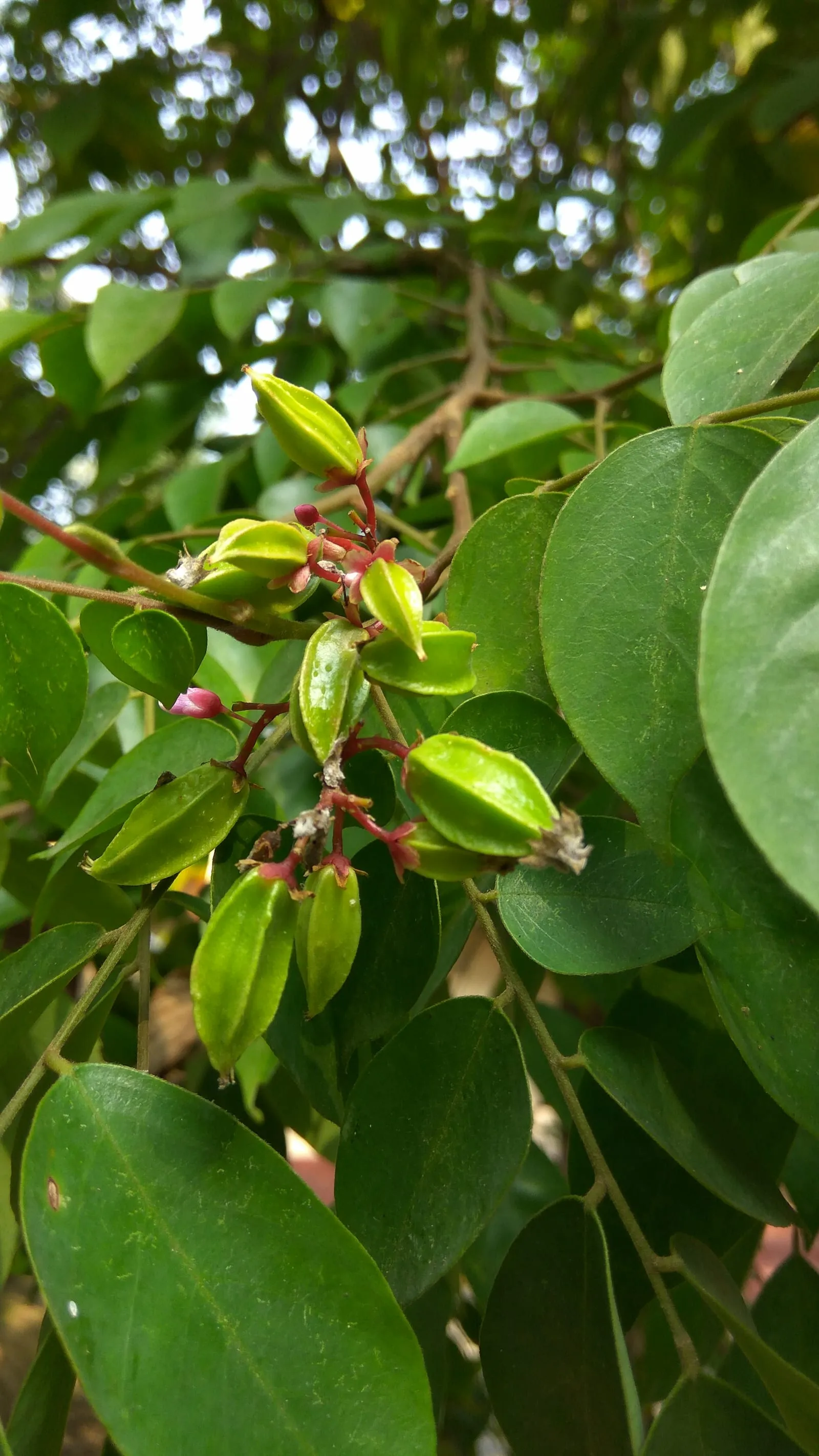
fruit tree in zone 13a
Growing starfruit (carambola) in zone 13a
Averrhoa carambola
- Zone
- 13a 60°F to 65°F
- Growing season
- 365 days
- Chill needed
- 0 below 45°F
- Suitable varieties
- 3
- Days to harvest
- 120 to 180
The verdict
Zone 13a is a genuine sweet spot for carambola, not a marginal case. The crop requires zero chill hours and is damaged by temperatures below approximately 27°F; with minimum winter lows in the 60 to 65°F range, cold is simply not a limiting factor here. The 365-day growing season allows the tree to cycle through multiple bloom and harvest flushes annually, which is the normal productive pattern for carambola in its native tropical range.
The primary constraint in zone 13a runs in the opposite direction: sustained summer heat can cause blossom drop during the hottest weeks, and drought stress during fruit development reduces both yield and fruit quality. Of the suitable varieties, Arkin is the most reliably productive under zone 13a conditions and the most widely planted in comparable climates. Kary and Sri Kembangan are also well-adapted; Sri Kembangan tends to perform somewhat better in humid lowland situations. Cultivar selection is narrower here than in zones 10b to 12a, but the varieties that do fit this range perform consistently when water is managed carefully.
Recommended varieties for zone 13a
3 cultivars suited to this zone, with disease-resistance and zone-fit annotations.
| Variety | Notes | Zone fit | Disease resistance |
|---|---|---|---|
| Arkin fits zone 13a | Sweet juicy crisp flesh with a hint of citrus and pear; the most reliable sweet variety for fresh eating. Florida industry standard. | | none noted |
| Kary fits zone 13a | Sweeter still than Arkin with smaller fruit; the connoisseur's choice. Hawaii-favored variety. | | none noted |
| Sri Kembangan fits zone 13a | Sour Indonesian variety used in cooking and pickling; not a fresh-eating fruit. Smaller bushy tree, productive year-round. | | none noted |
Critical timing for zone 13a
Without frost risk, carambola in zone 13a is not constrained to a single annual flowering cycle. Trees typically produce two to three bloom flushes per year, with the most productive flushes occurring in late spring (April to May) and again in late summer to early fall (August to September). Fruit matures roughly 60 to 75 days after pollination, placing the major harvest windows in June to July and October to November.
Bloom timing can shift by several weeks depending on irrigation patterns and pruning schedule. The zone's year-round warmth eliminates the bloom-frost overlap risk that growers in zones 9b to 11a must manage. The more relevant timing concern is heat: prolonged temperatures above 95°F during active bloom can reduce fruit set, making late-spring flushes more reliable than midsummer ones in the hottest microclimates.
Common challenges in zone 13a
- ▸ Heat stress on most crops
- ▸ Year-round irrigation
- ▸ Limited cultivar selection
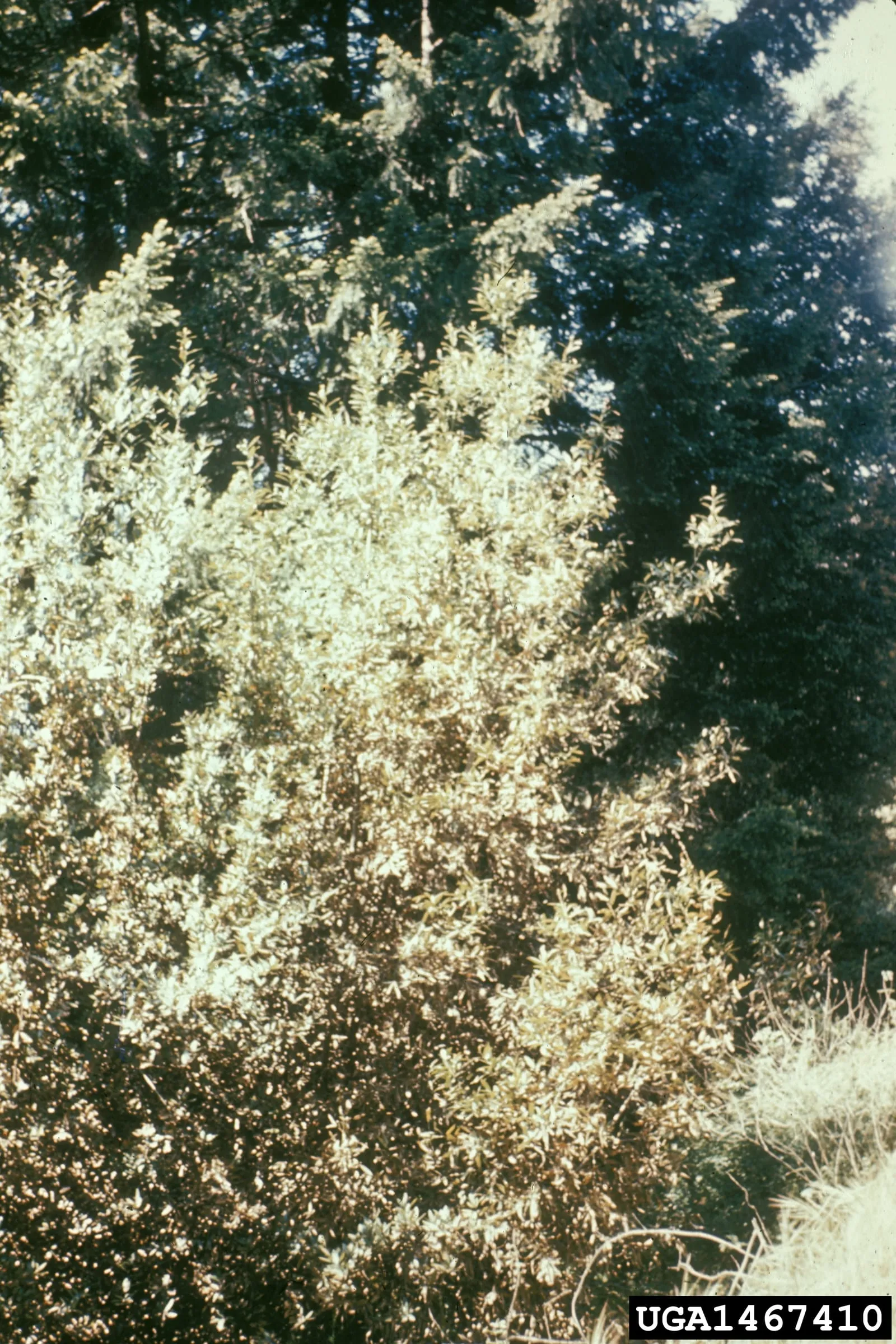
Disease pressure to watch for
Modified care for zone 13a
Irrigation is the primary management adjustment in zone 13a. Carambola is drought-sensitive during fruit development, and there is no dormant season to offset water demand. Consistent moisture from fruit set through harvest is critical; irregular irrigation during this window leads to fruit cracking and reduced quality. Year-round drip irrigation is the most practical approach given the continuous cropping cycle.
Mango anthracnose affects carambola in the humid conditions common to zone 13a, presenting as dark lesions on fruit and foliage during wet periods. Copper-based fungicide applications timed before and during bloom reduce incidence. Summer heat stress can be partially mitigated by maintaining a full canopy, which shades the root zone and moderates soil temperature. Schedule structural pruning cuts for late fall or early winter when temperatures drop slightly rather than during peak summer heat.
Frequently asked questions
- How many harvests per year can carambola produce in zone 13a?
In zone 13a, carambola commonly produces two to three fruiting cycles annually. The most reliable are the late-spring and fall flushes. Exact yield per cycle depends on irrigation consistency and whether heat stress during bloom reduces fruit set.
- What is the biggest disease risk for starfruit in zone 13a?
Mango anthracnose is the primary disease concern in humid zone 13a conditions. It causes dark lesions on fruit and foliage, particularly during wet weather. Copper-based fungicide applications before and during bloom are the standard preventive measure.
- Does starfruit need a pollinator tree in zone 13a?
Carambola is partially self-fertile, but planting two varieties in proximity improves fruit set. Arkin is often used as the primary variety; adding Kary or Sri Kembangan nearby tends to increase yield across both trees through cross-pollination.
+−
+−
+−
Starfruit (Carambola) in adjacent zones
Image: "Averrhoa carambola new 03", by কামরুল ইসলাম শাহীন, via Wikimedia Commons, licensed under CC-BY Source.

Related