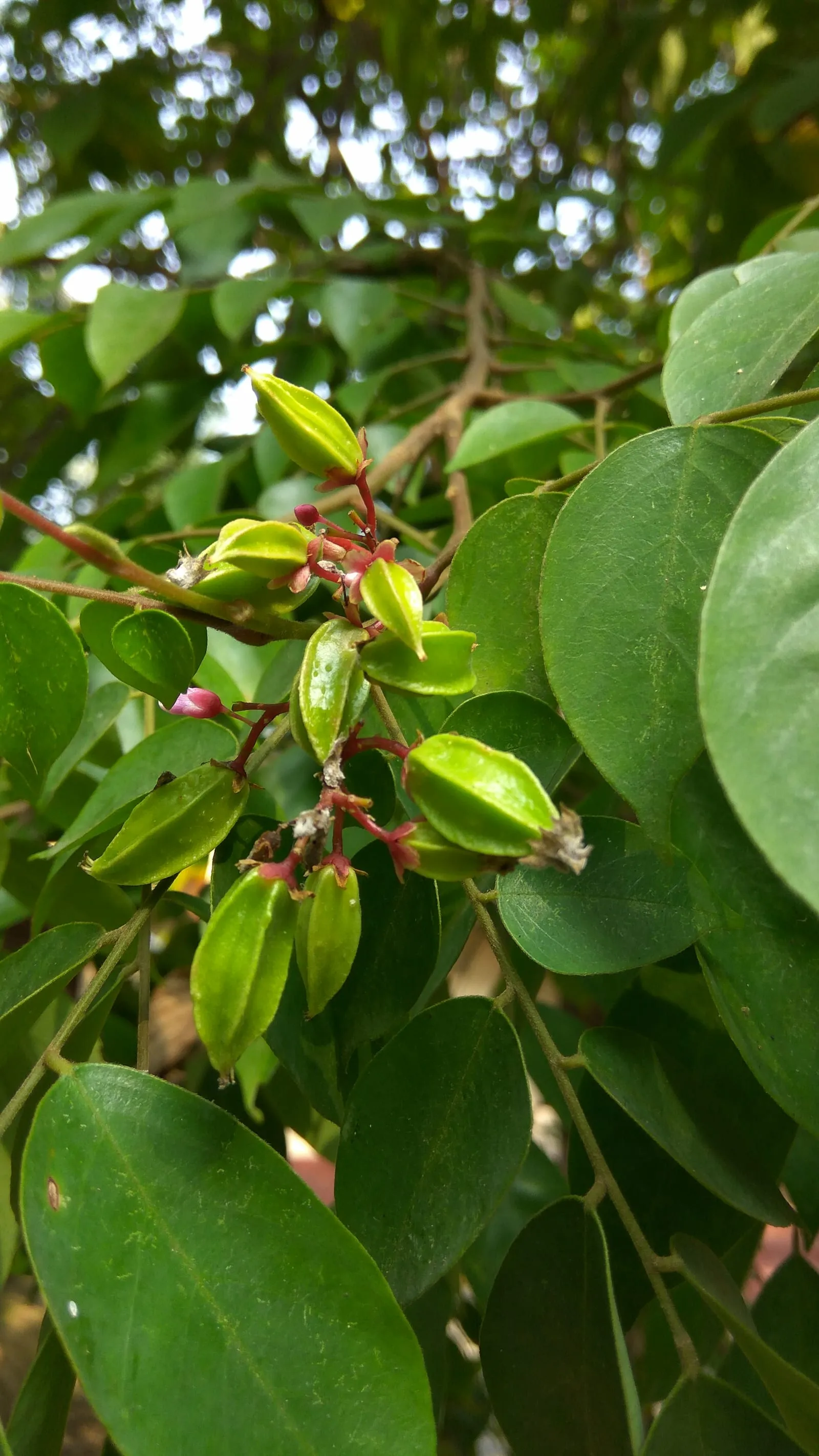
fruit tree in zone 13b
Growing starfruit (carambola) in zone 13b
Averrhoa carambola
- Zone
- 13b 65°F to 70°F
- Growing season
- 365 days
- Chill needed
- 0 below 45°F
- Suitable varieties
- 3
- Days to harvest
- 120 to 180
The verdict
Zone 13b is a natural fit for starfruit, not a marginal one. The crop requires zero chill hours, placing it firmly in the tropical category, and the zone's minimum temperatures of 65 to 70°F pose no cold damage risk. With a full 365-day growing season, trees here can produce multiple flowering flushes annually rather than a single seasonal cycle, which is typical of the crop's peak performance range.
The primary constraint in zone 13b is not cold but persistent heat stress during peak summer months, which can affect fruit set and overall yield consistency. Selecting proven varieties matters: Arkin is widely grown in tropical production settings and adapts well to sustained warmth; Kary is valued for reliable cropping under similar conditions; Sri Kembangan, developed for Southeast Asian climates, also performs under high heat. Any of the three is appropriate for zone 13b, with Arkin being the most commonly available in the continental US supply chain.
Recommended varieties for zone 13b
3 cultivars suited to this zone, with disease-resistance and zone-fit annotations.
| Variety | Notes | Zone fit | Disease resistance |
|---|---|---|---|
| Arkin fits zone 13b | Sweet juicy crisp flesh with a hint of citrus and pear; the most reliable sweet variety for fresh eating. Florida industry standard. | | none noted |
| Kary fits zone 13b | Sweeter still than Arkin with smaller fruit; the connoisseur's choice. Hawaii-favored variety. | | none noted |
| Sri Kembangan fits zone 13b | Sour Indonesian variety used in cooking and pickling; not a fresh-eating fruit. Smaller bushy tree, productive year-round. | | none noted |
Critical timing for zone 13b
Starfruit in zone 13b does not follow a single annual bloom cycle. With no frost interruption and consistently warm temperatures, established trees typically flower three to four times per year, producing overlapping harvest windows across most of the calendar. Bloom peaks tend to align with late spring and early fall, though local rainfall patterns and individual tree condition shift timing considerably.
Fruit reaches maturity roughly 60 to 75 days after flowering, meaning multiple stages of development are present on the same tree at once. There is no frost window to intersect with any bloom period in zone 13b, so timing decisions center on irrigation management and heat load rather than cold avoidance.
Common challenges in zone 13b
- ▸ Persistent heat stress
- ▸ No traditional temperate fruit
- ▸ Specialized horticulture
Disease pressure to watch for
Modified care for zone 13b
Heat stress management replaces cold protection as the primary seasonal concern in zone 13b. Young trees benefit from afternoon shade cloth and consistent irrigation during the hottest months to maintain canopy temperature and support fruit development. Established trees tolerate high heat better but may show reduced fruit set during sustained temperature spikes; supplemental irrigation during those periods helps maintain productivity.
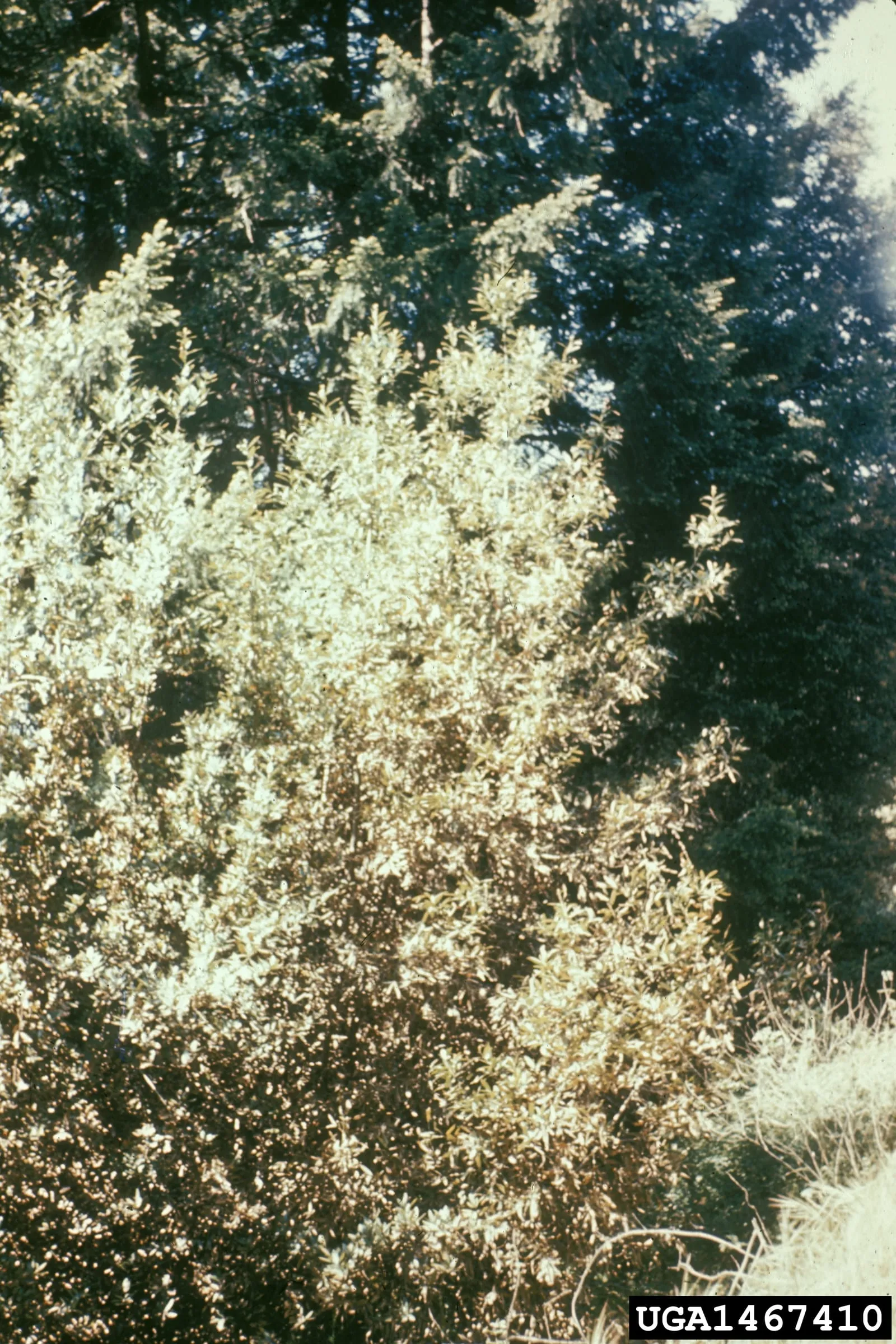
Mango anthracnose (Colletotrichum gloeosporioides) is a documented threat in warm, humid environments and affects starfruit under conditions common in zone 13b. Preventive copper-based fungicide applications during flowering reduce post-harvest blemishing; applications should increase in frequency after wet periods. Soil drainage is also a higher priority here than in cooler zones, since prolonged root saturation under high ambient temperatures accelerates fungal root problems. Raised beds or mounded planting sites help in heavier soils.
Frequently asked questions
- Is zone 13b too hot for starfruit?
Starfruit is a tropical crop that requires zero chill hours and performs best in warm, frost-free climates. Zone 13b falls within the crop's preferred range. Heat stress during peak summer can reduce fruit set, but this is manageable with irrigation and, for young trees, temporary shade.
- How many times per year will starfruit fruit in zone 13b?
In zone 13b, starfruit trees typically cycle through three to four flowering and fruiting periods per year. Harvest windows overlap rather than following a single annual peak, making fruit available across much of the calendar depending on irrigation and tree health.
- What disease pressure should starfruit growers in zone 13b expect?
Mango anthracnose is the primary fungal concern in warm, humid zones. It affects fruit appearance and post-harvest quality. Preventive copper fungicide applications during bloom, especially ahead of wet weather, significantly reduce losses. Good air circulation and drainage reduce overall disease pressure.
+−
+−
+−
Starfruit (Carambola) in adjacent zones
Image: "Averrhoa carambola new 03", by কামরুল ইসলাম শাহীন, via Wikimedia Commons, licensed under CC-BY Source.

Related