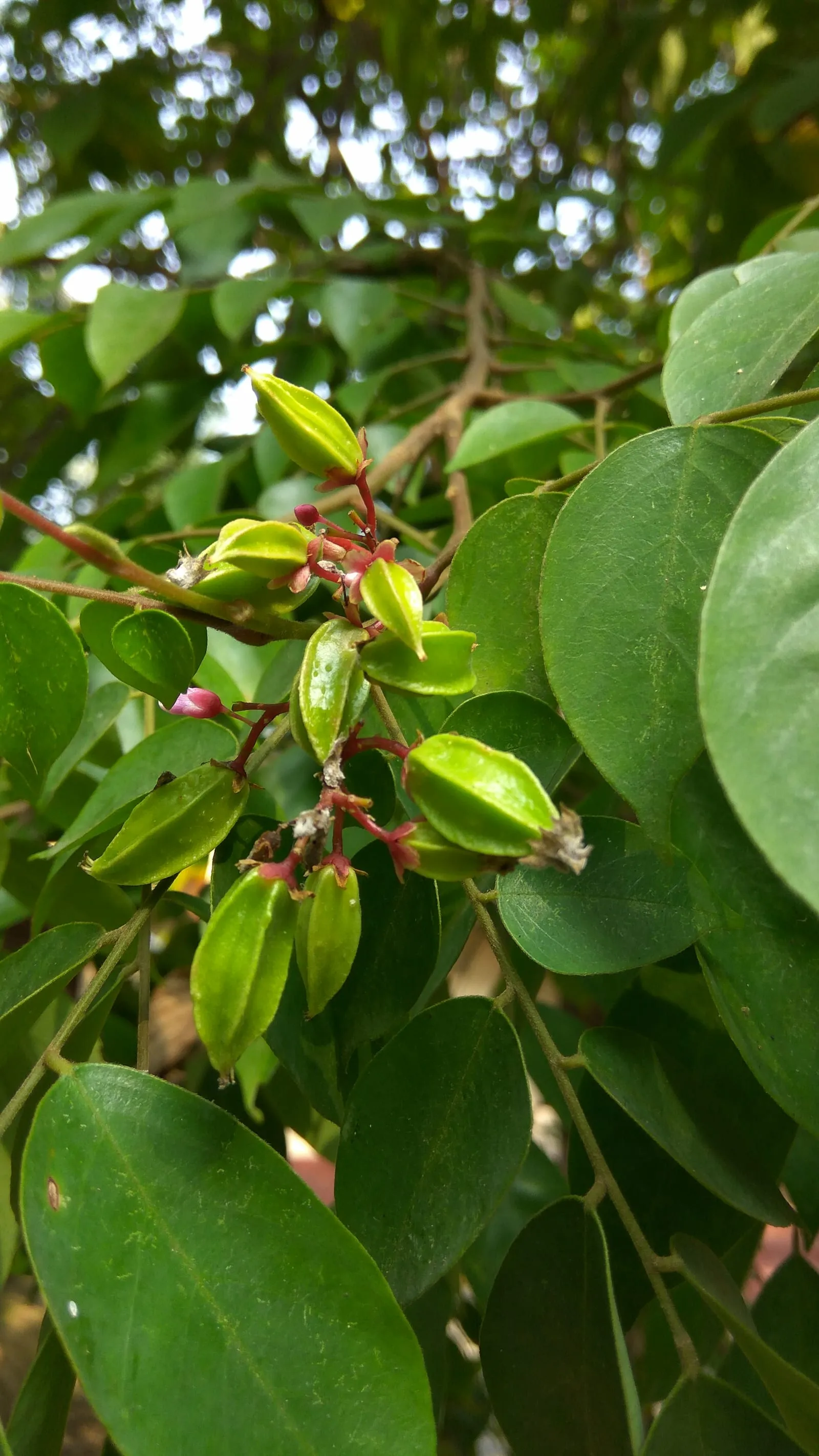
fruit tree
Starfruit (Carambola)
Averrhoa carambola
USDA hardiness range
- Zones
- 10b–13b
- Chill hours
- 0 below 45°F
- Days to harvest
- 120 to 180
- Sun
- Full
- Water
- Moderate
- Lifespan
- 30 to 50 years
Growing starfruit (carambola)
Starfruit (Averrhoa carambola) is a tropical tree that fruits reliably in USDA zones 10b through 13b and requires no chill hours whatsoever. The fruit is immediately recognizable by its five-pointed star cross-section and ranges from sharply tart to genuinely sweet depending on variety. Established trees are long-lived, with productive lifespans of 30 to 50 years, and in the warmest frost-free zones will produce multiple flushes of fruit per year.
The binding constraint is cold hardiness. Foliage browns and drops after even brief exposure to temperatures near 32°F, and a hard freeze can kill an established tree outright. Zone 10b growers in frost-prone microclimates face real seasonal risk; cold protection is a recurring management task, not an edge case.
Variety choice shapes the outcome more than most growers expect. Arkin is the Florida commercial standard: sweet, crisp, and consistently productive. Kary delivers sweeter fruit but smaller size. Sri Kembangan is a sour Indonesian variety suited to cooking and pickling, not fresh eating. Growers who source unnamed grafted stock from nurseries labeled only as 'sweet carambola' often find the results fall short of named-variety trees. Starting with verified Arkin or Kary grafted stock eliminates much of the guesswork.
Recommended varieties
See all 3 →3 cultivars for home growers, with notes on flavor, ripening, and disease resistance.
| Variety | Notes | Zone fit | Disease resistance |
|---|---|---|---|
| Arkin | Sweet juicy crisp flesh with a hint of citrus and pear; the most reliable sweet variety for fresh eating. Florida industry standard. | | none noted |
| Kary | Sweeter still than Arkin with smaller fruit; the connoisseur's choice. Hawaii-favored variety. | | none noted |
| Sri Kembangan | Sour Indonesian variety used in cooking and pickling; not a fresh-eating fruit. Smaller bushy tree, productive year-round. | | none noted |
Soil and site requirements
Starfruit performs best in well-drained loam or sandy loam with a soil pH between 5.5 and 6.5. The single most damaging soil condition is poor drainage. Roots sitting in waterlogged soil become susceptible to fungal infection and the tree declines gradually, often without dramatic early symptoms. Raised planting beds or mounded soil help in areas with heavy clay content or high water tables.
Full sun is non-negotiable. Fruit set, sugar development, and overall vigor all drop meaningfully in positions receiving less than six to eight hours of direct sun. Neighboring trees, structures, or fences that cast afternoon shade are common site-selection mistakes.
Spacing standard mature trees 20 to 25 feet apart is typical. Sri Kembangan grows more compactly and tolerates closer spacing. Carambola branches are relatively brittle under fruit load; positioning trees in wind corridors increases the risk of branch breakage during tropical weather events.
In zone 10b, microclimate selection matters more than almost any other decision. Cold air settles in low-lying areas on still nights. Planting on a slight slope, near a south-facing wall, or adjacent to a structure that retains daytime heat can provide a meaningful temperature buffer during brief cold snaps.
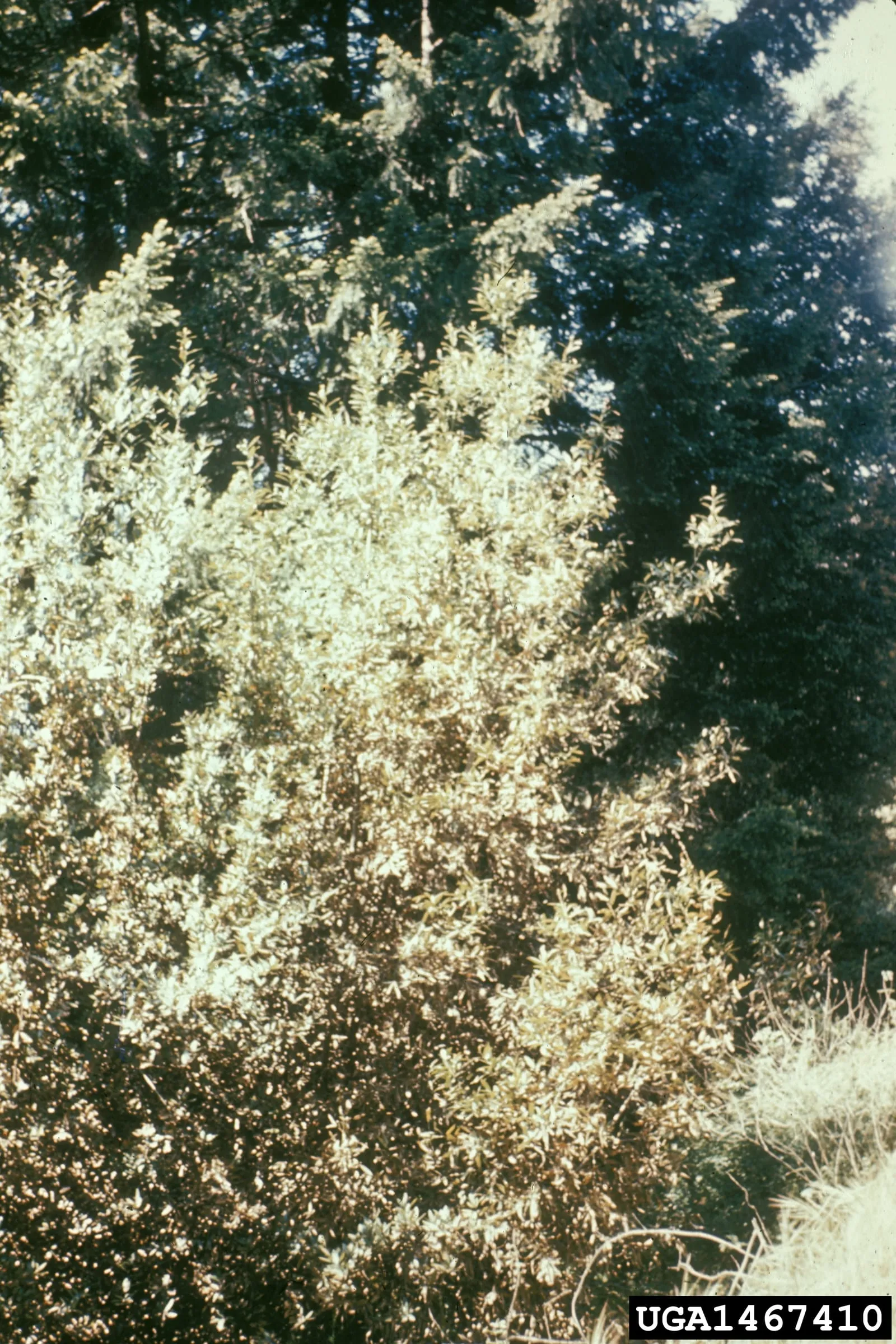
Common diseases
Common pests
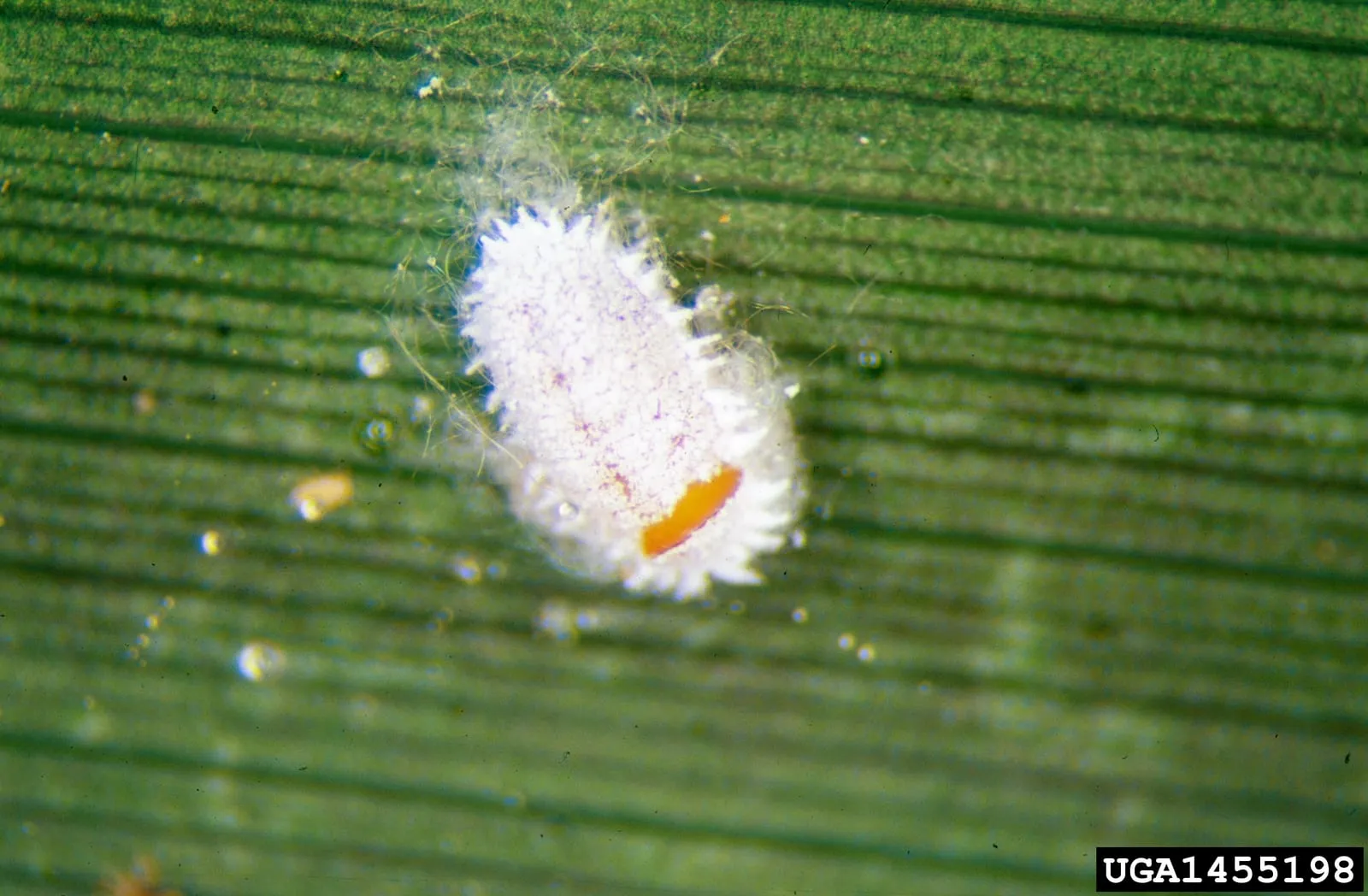
Pseudococcidae spp.
Soft white waxy insects that cluster at leaf joints, fruit stems, and root crowns. Honeydew secretion supports sooty mold; root mealybugs cause decline that mimics drought.
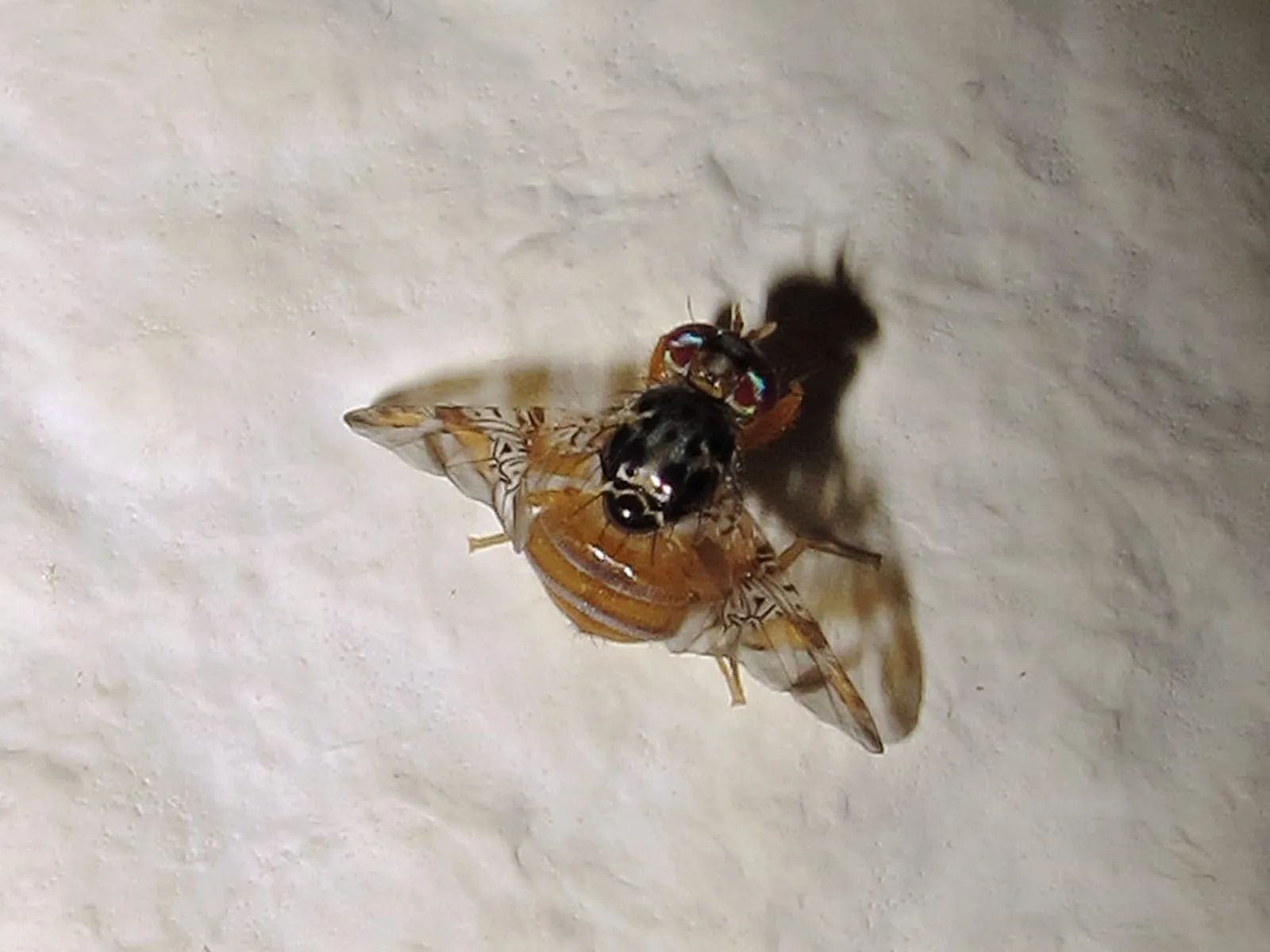
Ceratitis capitata
Quarantine pest in many regions. Adult females puncture ripening fruit to lay eggs; larvae tunnel through the flesh, causing premature drop and rot.
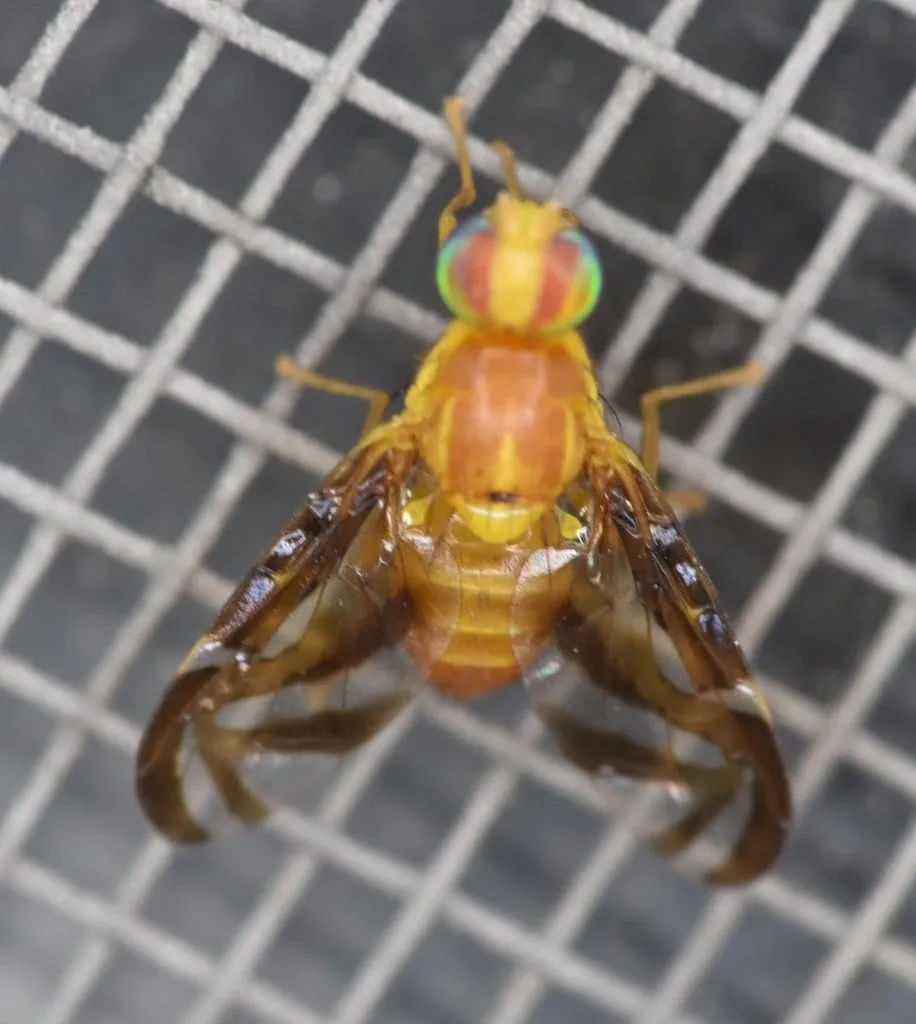
Anastrepha suspensa
Tropical fruit fly endemic to Florida and the Caribbean. Less aggressive on commercial citrus than Mediterranean fruit fly, but devastating on guava, carambola, and other thin-skinned tropicals.
Common challenges
Three factors account for the majority of starfruit failures in home and small-scale commercial plantings.
Frost damage is the most abrupt. There is no cold-hardiness buffer with carambola; the tree does not gradually adapt to marginal temperatures. A single night at 28°F can cause serious defoliation, and repeated cold events weaken trees to the point where recovery is not economically worthwhile. Zone 10b growers should evaluate site microclimate carefully before planting and have frost cloth or irrigation frost protection available for use each winter.
Fruit flies, specifically the Mediterranean fruit fly and Caribbean fruit fly, are the primary pest concern. Both species attack ripening starfruit and can render an entire crop unusable for fresh consumption. Protein bait traps provide early detection. Harvesting fruit slightly before peak ripeness during high-pressure periods and removing all fallen fruit from the ground promptly are the most practical management steps available to home growers. Systemic pesticide programs are rarely effective once regional fly populations are established.
Mango anthracnose, despite its name, is a documented problem on carambola in humid subtropical conditions. The pathogen causes dark lesions on developing and mature fruit and can cause significant crop loss during extended wet seasons. Pruning to open canopy structure, improving airflow between branches, and applying copper-based fungicide before and during flowering are the management steps outlined in UF/IFAS Extension guidance on carambola production.
Frequently asked questions
- Does starfruit require any chill hours to fruit?
No. Averrhoa carambola requires zero chill hours. It is a tropical species with no dormancy requirement; it fruits continuously in frost-free climates whenever growing conditions are favorable. This makes chill-hour matching a non-issue, unlike temperate stone fruits or apples.
- How long does starfruit take to ripen after fruit set?
Fruit typically reaches harvest maturity 120 to 180 days after fruit set, depending on variety, season, and local temperatures. Arkin and Kary tend toward the shorter end of that range under optimal conditions. Fruit harvested slightly before full color development continues to ripen off the tree and is less attractive to fruit flies.
- Which USDA zones can grow starfruit successfully outdoors?
Starfruit grows reliably outdoors in zones 10b through 13b. Zone 10a carries meaningful frost risk and is generally too cold for unprotected outdoor trees. Zones 11 and warmer face essentially no cold limitation and can produce fruit year-round.
- Does starfruit need a pollinator tree?
Averrhoa carambola is self-fertile. A single tree can set fruit without a companion. That said, cross-pollination between two trees of different varieties often improves fruit set and can increase yield. Growers with space for two trees typically see better production than those with a single specimen.
- What is the most common disease affecting starfruit?
Mango anthracnose is the most frequently documented fungal disease on carambola in humid subtropical conditions. It causes dark lesions on fruit and can cause significant crop loss during wet growing seasons. Copper-based fungicide applications before flowering and canopy pruning to improve airflow are the standard management approaches.
- What is the difference between Arkin and Sri Kembangan starfruit?
Arkin is a sweet, fresh-eating variety and the Florida commercial industry standard. Sri Kembangan is a sour Indonesian variety with high acidity, used primarily in cooking and pickling. The two are not interchangeable for fresh consumption. Growers expecting dessert-quality fruit should confirm they are sourcing Arkin or Kary grafted stock, not a sour culinary type.
- How long will a starfruit tree remain productive?
Under favorable conditions in frost-free zones, starfruit trees are long-lived. A productive lifespan of 30 to 50 years is reasonable with adequate soil drainage, full sun, and pest management. Trees that repeatedly suffer frost damage or root stress from waterlogged soil will decline significantly faster.
+−
+−
+−
+−
+−
+−
+−
Sources
- [1] UF/IFAS Extension: Carambola Growing in Florida
- [2] University of Hawaii: Carambola Production
Image: "Averrhoa carambola new 03", by কামরুল ইসলাম শাহীন, via Wikimedia Commons, licensed under CC-BY. Source.

Starfruit (Carambola) by zone
Related