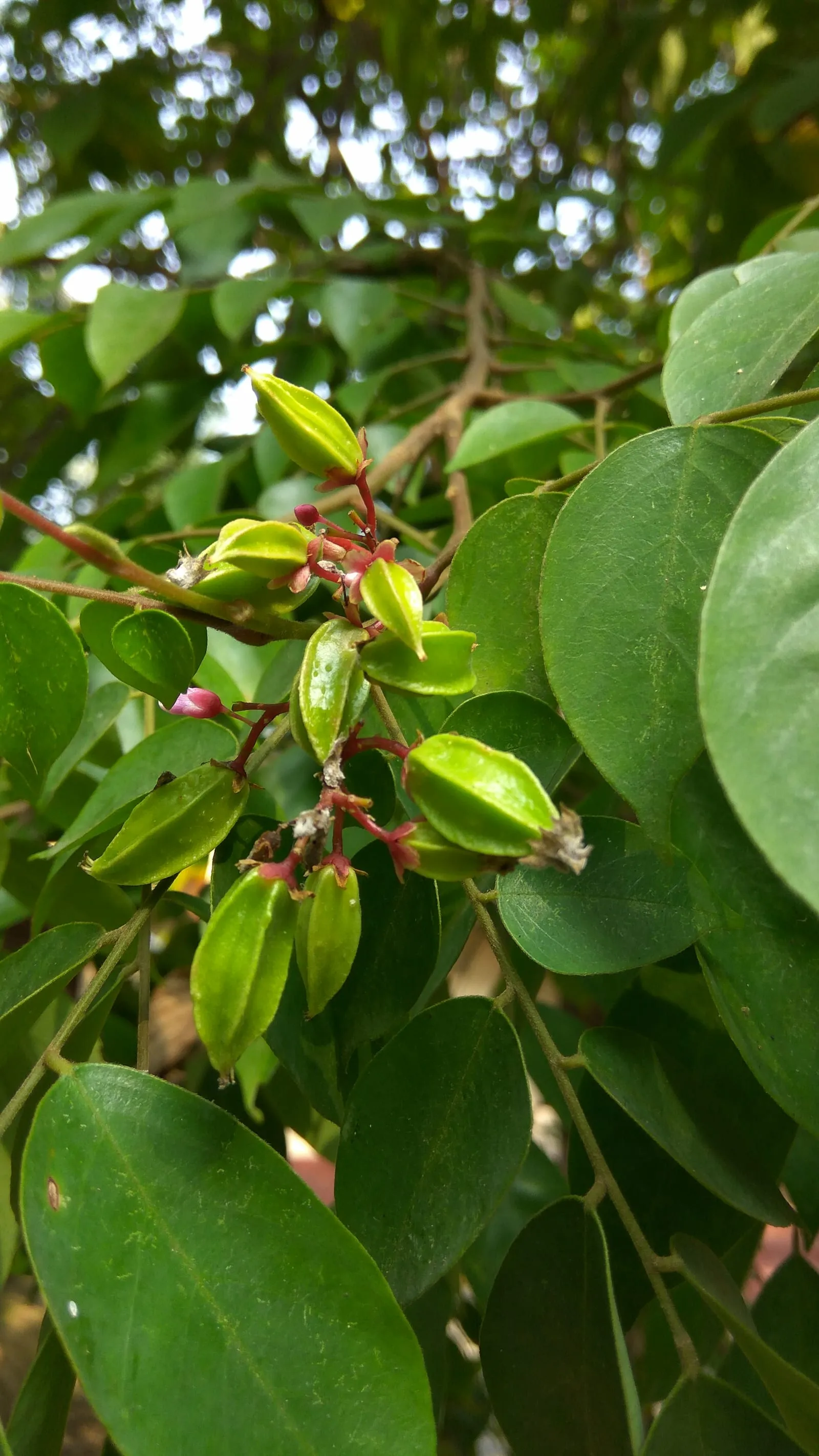
fruit tree in zone 10b
Growing starfruit (carambola) in zone 10b
Averrhoa carambola
- Zone
- 10b 35°F to 40°F
- Growing season
- 365 days
- Chill needed
- 0 below 45°F
- Suitable varieties
- 3
- Days to harvest
- 120 to 180
The verdict
Zone 10b is a genuine sweet spot for starfruit, not a marginal one. Carambola is a tropical species that requires zero chill hours, and zone 10b's minimum winter temperatures of 35 to 40°F align well with the crop's cold tolerance floor. Established trees can handle brief dips to around 27°F with only minor tip damage; young trees need protection below 32°F, so the first two winters carry the most risk.
The 365-day growing season removes the constraints that limit starfruit in cooler zones. Multiple bloom-to-harvest cycles per year are possible, which is the crop's natural pattern in its native range across tropical Asia. Varieties like Arkin and Kary, both selected for Florida conditions, are well-adapted to the combination of heat, humidity, and the occasional mild cold event that defines zone 10b. Coastal soils with saltwater intrusion are a site-selection concern, but the zone itself is not the limiting factor.
Recommended varieties for zone 10b
3 cultivars suited to this zone, with disease-resistance and zone-fit annotations.
| Variety | Notes | Zone fit | Disease resistance |
|---|---|---|---|
| Arkin fits zone 10b | Sweet juicy crisp flesh with a hint of citrus and pear; the most reliable sweet variety for fresh eating. Florida industry standard. | | none noted |
| Kary fits zone 10b | Sweeter still than Arkin with smaller fruit; the connoisseur's choice. Hawaii-favored variety. | | none noted |
| Sri Kembangan fits zone 10b | Sour Indonesian variety used in cooking and pickling; not a fresh-eating fruit. Smaller bushy tree, productive year-round. | | none noted |
Critical timing for zone 10b
In zone 10b, starfruit typically initiates bloom two to four times per year, with the main flowering peaks in spring (March to April) and late summer (August to September). Fruit matures approximately 60 to 75 days after bloom, placing primary harvests in early summer and late fall. A secondary winter harvest is possible from the late-summer bloom flush.
Frost timing is rarely a concern for bloom windows in zone 10b. The brief cold period from December through February can suppress flowering, but it does not typically produce frost events severe enough to damage open flowers or developing fruit on established trees. Arkin, the most widely planted commercial variety in South Florida, performs reliably across all of these cycles.
Common challenges in zone 10b
- ▸ No winter chill
- ▸ Tropical pest and disease pressure
- ▸ Saltwater intrusion in coastal soils
Disease pressure to watch for
Modified care for zone 10b
The main management adjustments in zone 10b relative to cooler parts of the crop's range center on disease pressure and soil conditions rather than cold protection. Anthracnose, caused by Colletotrichum species and shared with mango, is active year-round in warm, humid conditions. Copper-based fungicide applications timed to bloom initiation reduce fruit spotting and stem-end rot; consult the University of Florida IFAS tropical fruit IPM guides for current product registrations.
Coastal sites with saltwater intrusion require attention to soil salinity before planting. Carambola has moderate salt sensitivity; raised beds or mounded planting sites improve drainage and reduce root exposure to brackish water tables. Young trees in their first two winters benefit from a light frost cloth on nights forecast below 34°F, but mature trees in zone 10b rarely need active cold protection.
Frequently asked questions
- How many times per year does starfruit fruit in zone 10b?
Established carambola trees in zone 10b typically produce two to three distinct harvest cycles per year, corresponding to spring, late summer, and sometimes early winter bloom flushes. Total annual yield depends on variety, tree age, and irrigation consistency rather than zone limitations.
- Which starfruit variety performs best in zone 10b?
Arkin is the most reliably productive variety for zone 10b conditions and the one with the most documented performance data from Florida trials. Kary ripens earlier and carries slightly sweeter flavor ratings. Sri Kembangan is less common in commercial nurseries but shows good heat tolerance.
- Does starfruit need a pollinator in zone 10b?
Most carambola varieties, including Arkin and Kary, are self-fruitful and do not require a second tree for pollination. Planting two different varieties can increase fruit set and extend the harvest window, but it is not required for a productive tree.
+−
+−
+−
Starfruit (Carambola) in adjacent zones
Image: "Averrhoa carambola new 03", by কামরুল ইসলাম শাহীন, via Wikimedia Commons, licensed under CC-BY Source.

Related