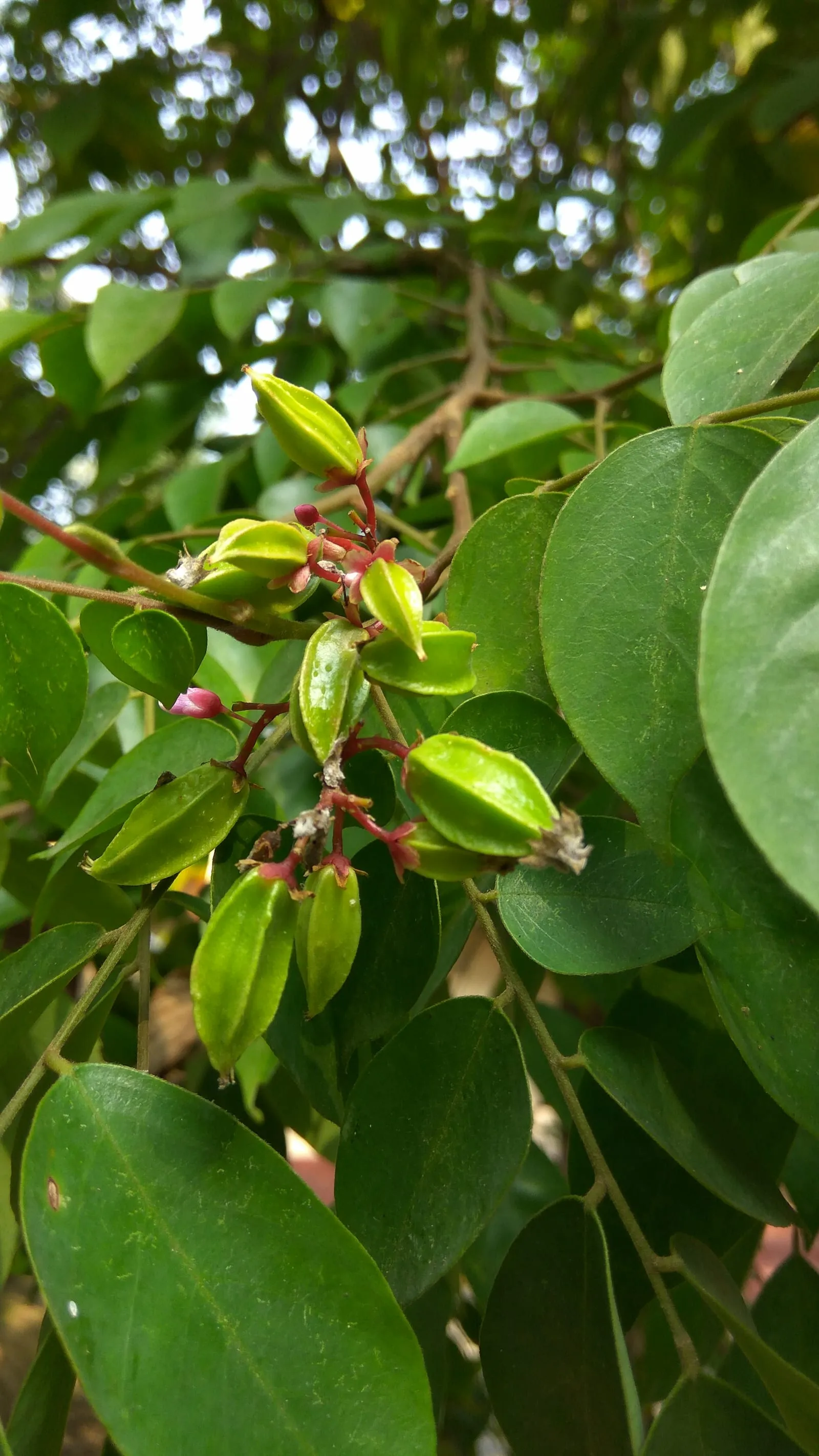
fruit tree in zone 11a
Growing starfruit (carambola) in zone 11a
Averrhoa carambola
- Zone
- 11a 40°F to 45°F
- Growing season
- 365 days
- Chill needed
- 0 below 45°F
- Suitable varieties
- 3
- Days to harvest
- 120 to 180
The verdict
Zone 11a is a genuine sweet spot for starfruit (carambola), not a marginal case. With minimum temperatures holding between 40 and 45°F and a 365-day growing season, the climate matches the crop's tropical origins closely. Starfruit carries no chill-hour requirement, so there is no dormancy threshold to satisfy and no risk of insufficient cold accumulation. The concern runs in the other direction: extended cold snaps into the low 30s can cause leaf drop and fruit damage, but zone 11a minimums reliably stay clear of that threshold.
Varieties suited to this zone include Arkin, Kary, and Sri Kembangan, all of which perform well under continuously warm, humid conditions. Arkin tends to be the most widely recommended for fresh market quality; Kary is noted for sweetness in lower-acid profiles. Sri Kembangan, of Malaysian origin, handles humidity-driven disease pressure reasonably well. All three will fruit prolifically when sited in full sun with consistent moisture.
Recommended varieties for zone 11a
3 cultivars suited to this zone, with disease-resistance and zone-fit annotations.
| Variety | Notes | Zone fit | Disease resistance |
|---|---|---|---|
| Arkin fits zone 11a | Sweet juicy crisp flesh with a hint of citrus and pear; the most reliable sweet variety for fresh eating. Florida industry standard. | | none noted |
| Kary fits zone 11a | Sweeter still than Arkin with smaller fruit; the connoisseur's choice. Hawaii-favored variety. | | none noted |
| Sri Kembangan fits zone 11a | Sour Indonesian variety used in cooking and pickling; not a fresh-eating fruit. Smaller bushy tree, productive year-round. | | none noted |
Critical timing for zone 11a
In zone 11a, starfruit does not follow a single annual bloom-and-harvest cycle. Trees typically produce two to three flowering flushes per year, with bloom triggered more by moisture cycles and slight temperature variation than by photoperiod or cold accumulation. Major bloom periods often align with the transition out of dry season, when irrigation resumes or rains begin, which in many zone 11a regions falls roughly February through April and again August through October.
Harvest follows bloom by approximately 60 to 75 days, placing the main crops in April through June and October through December. Frost is not a factor in zone 11a timing decisions; growers can plan entirely around rainfall and irrigation cycles rather than frost windows.
Common challenges in zone 11a
- ▸ No temperate fruit potential
- ▸ Year-round pest pressure
- ▸ Specialized crop selection
Disease pressure to watch for
Modified care for zone 11a
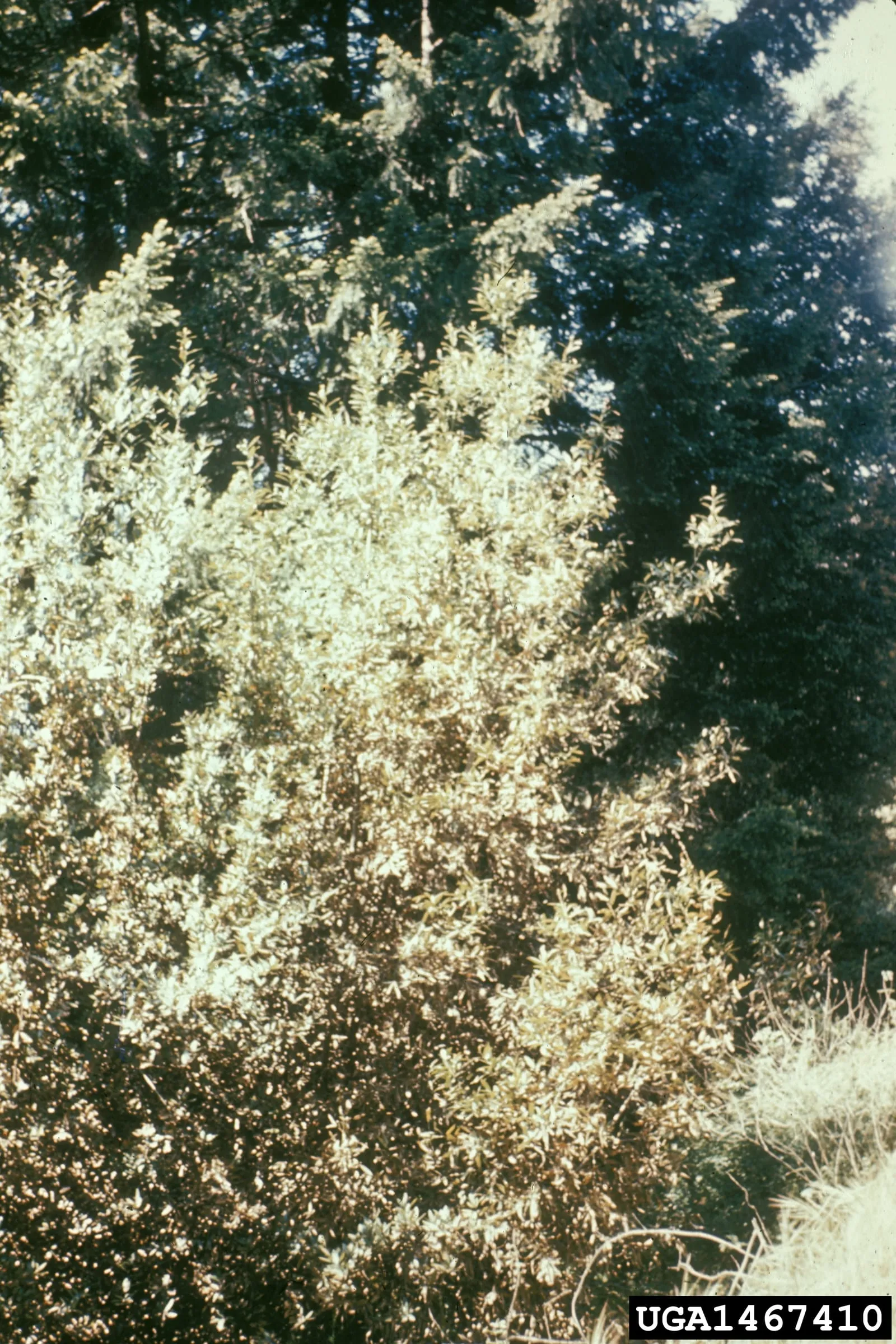
The primary care adjustment in zone 11a is managing year-round pest and disease pressure, which does not subside between seasons as it would in cooler zones. Mango anthracnose, caused by Colletotrichum gloeosporioides, affects starfruit in humid tropical settings and is most active during wet periods coinciding with flowering. Preventive copper-based fungicide applications timed to bloom flushes reduce fruit spotting and stem dieback more effectively than reactive treatment after symptoms appear.
Water management matters more than in zones with reliable rainfall distribution. Deliberate dry-down periods between flushes can help synchronize bloom cycles for more predictable harvesting, though trees should not be stressed to the point of leaf drop. Fertilization should be distributed across multiple light applications through the year rather than concentrated in spring, since root activity never fully pauses.
Starfruit (Carambola) in adjacent zones
Image: "Averrhoa carambola new 03", by কামরুল ইসলাম শাহীন, via Wikimedia Commons, licensed under CC-BY Source.

Related