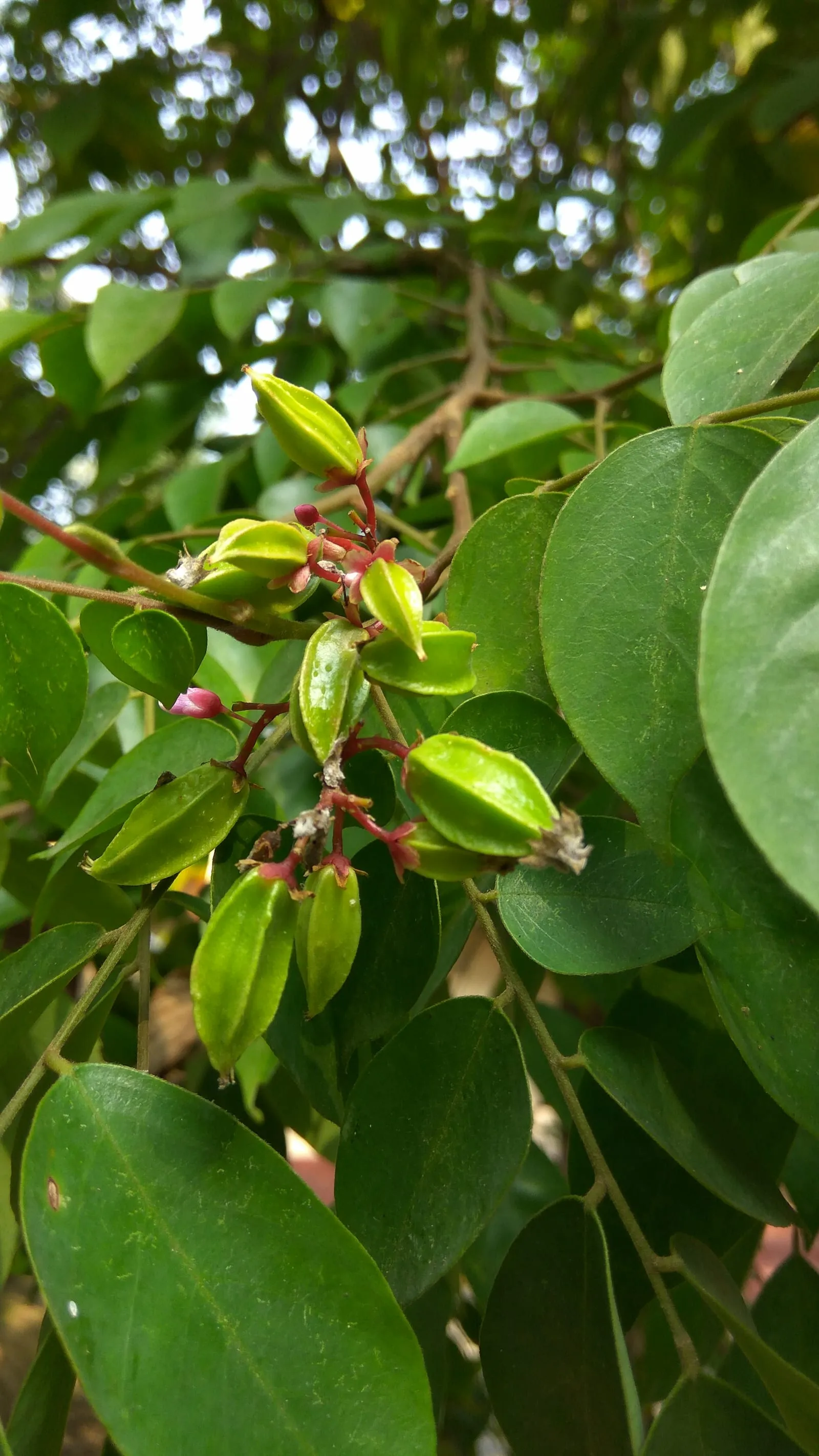
fruit tree in zone 11b
Growing starfruit (carambola) in zone 11b
Averrhoa carambola
- Zone
- 11b 45°F to 50°F
- Growing season
- 365 days
- Chill needed
- 0 below 45°F
- Suitable varieties
- 3
- Days to harvest
- 120 to 180
The verdict
Zone 11b, with minimum winter temperatures holding between 45 and 50°F, is a genuine sweet spot for starfruit, not a marginal zone. Carambola is a true tropical species with a chill-hour requirement of zero, meaning the region's year-round warmth is an asset rather than a constraint. Cold dormancy is unnecessary and unwanted for reliable production.
The 365-day growing season maps directly onto how carambola actually grows: continuously. Mature trees cycle through multiple flowering and fruiting events per year, with growers in South Florida and Hawaii typically harvesting two to three distinct crops annually. None of the zone's documented challenges, year-round pest pressure, coastal salt spray, and the absence of winter dormancy, pose fundamental compatibility problems. They require management, not workarounds.
Varieties such as Arkin, Kary, and Sri Kembangan are well-documented performers in this climate band. Arkin in particular has the longest commercial track record in South Florida, which shares essentially the same thermal profile as zone 11b.
Recommended varieties for zone 11b
3 cultivars suited to this zone, with disease-resistance and zone-fit annotations.
| Variety | Notes | Zone fit | Disease resistance |
|---|---|---|---|
| Arkin fits zone 11b | Sweet juicy crisp flesh with a hint of citrus and pear; the most reliable sweet variety for fresh eating. Florida industry standard. | | none noted |
| Kary fits zone 11b | Sweeter still than Arkin with smaller fruit; the connoisseur's choice. Hawaii-favored variety. | | none noted |
| Sri Kembangan fits zone 11b | Sour Indonesian variety used in cooking and pickling; not a fresh-eating fruit. Smaller bushy tree, productive year-round. | | none noted |
Critical timing for zone 11b
Carambola blooms intermittently throughout the year in zone 11b, with peak flowering typically concentrated in spring and again in late summer to early fall. Because frost is not a factor, there is no meaningful risk of cold damage to open flowers or developing fruit at any point in the calendar.
Fruit maturation runs roughly 60 to 75 days after successful pollination, depending on variety. Arkin tends to deliver its heaviest harvest between late summer and winter; Kary skews toward spring and fall peaks. The absence of a hard frost deadline means fruit can remain on the tree longer to accumulate sugars, an advantage not available in zones where growers must rush harvest ahead of cold.
Rather than tracking fixed calendar windows, growers benefit from monitoring individual tree flowering cycles directly, since a mature tree may complete three or more full bloom-to-harvest cycles within a single year.
Common challenges in zone 11b
- ▸ Year-round pest pressure
- ▸ Salt spray near coasts
- ▸ No winter dormancy for traditional temperate species
Disease pressure to watch for
Modified care for zone 11b
The primary adjustment in zone 11b is shifting pest and disease management from a seasonal to a year-round cadence. There is no winter slowdown in pathogen or insect pressure. Mango anthracnose, which can affect carambola fruit surfaces during wet periods, is best managed with copper-based fungicide applications timed to pre-bloom and post-fruit-set rather than a single dormant spray.
Coastal planting sites warrant attention. Carambola has moderate sensitivity to salt spray, and chronic exposure causes leaf tip burn and reduced fruit quality. Sheltered locations or established windbreaks mitigate this without requiring variety substitution.
Because trees remain in active growth year-round, irrigation and fertilization schedules run continuously rather than following a temperate dormant-season pause. Consistent soil moisture supports uninterrupted fruiting cycles. Fertilization rates can be modestly reduced in November through January when growth naturally slows, even in the absence of frost, but should not be suspended entirely.
Starfruit (Carambola) in adjacent zones
Image: "Averrhoa carambola new 03", by কামরুল ইসলাম শাহীন, via Wikimedia Commons, licensed under CC-BY Source.

Related