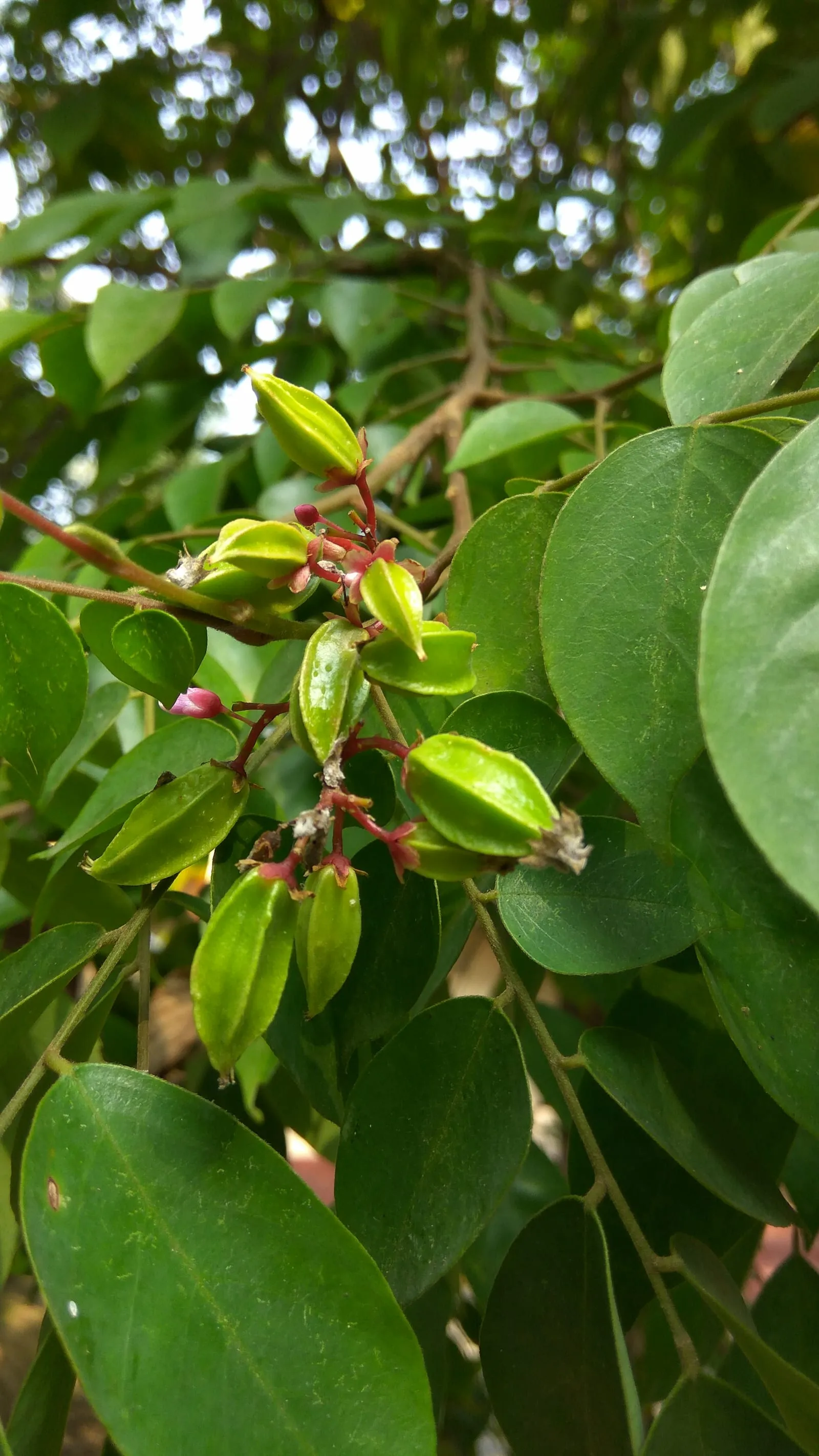
fruit tree in zone 12a
Growing starfruit (carambola) in zone 12a
Averrhoa carambola
- Zone
- 12a 50°F to 55°F
- Growing season
- 365 days
- Chill needed
- 0 below 45°F
- Suitable varieties
- 3
- Days to harvest
- 120 to 180
The verdict
Zone 12a is among the most suitable climates in the United States and its territories for starfruit. Carambola is a strictly tropical species with a chill-hour requirement of zero, meaning it needs no cold accumulation to initiate flowering or fruit set. The minimum winter temperatures of 50 to 55°F in zone 12a sit well above the threshold where carambola sustains cold injury (damage begins around 28 to 29°F; trees are killed below roughly 24°F). With a 365-day growing season, trees are never forced into dormancy and can cycle through multiple bloom and harvest periods annually.
This is not a marginal zone for the crop. Starfruit's constraints here are not temperature-based but structural: concentrated tropical pest and disease pressure, humidity-driven fungal exposure, and periodic severe storm risk. Varieties Arkin and Kary were both selected under Florida subtropical and tropical conditions and are well-matched to zone 12a's climate profile. Sri Kembangan, a Malaysian selection, performs similarly well in continuous-heat environments.
Recommended varieties for zone 12a
3 cultivars suited to this zone, with disease-resistance and zone-fit annotations.
| Variety | Notes | Zone fit | Disease resistance |
|---|---|---|---|
| Arkin fits zone 12a | Sweet juicy crisp flesh with a hint of citrus and pear; the most reliable sweet variety for fresh eating. Florida industry standard. | | none noted |
| Kary fits zone 12a | Sweeter still than Arkin with smaller fruit; the connoisseur's choice. Hawaii-favored variety. | | none noted |
| Sri Kembangan fits zone 12a | Sour Indonesian variety used in cooking and pickling; not a fresh-eating fruit. Smaller bushy tree, productive year-round. | | none noted |
Critical timing for zone 12a
In zone 12a's frost-free, year-round growing season, carambola trees typically produce two to three flowering flushes annually. The primary bloom period generally falls between late winter and spring, with a secondary flush in late summer. Because minimum temperatures never approach freezing, there is no frost risk to intersect with the bloom window, which distinguishes zone 12a from the northern edge of carambola's range in zone 10, where late cold events can damage open flowers or developing fruitlets.
From open flower to marketable harvest is roughly 60 to 75 days depending on variety. Arkin and Kary generally yield ripe fruit in late spring off the primary bloom and again in fall off the summer flush. In zone 12a, harvest timing is governed more by rainfall distribution and hurricane season than by temperature, since the crop faces no dormancy trigger and no frost cutoff.
Common challenges in zone 12a
- ▸ No temperate species
- ▸ Tropical pest and disease pressure
- ▸ Hurricane exposure
Disease pressure to watch for
Modified care for zone 12a
The primary risk management shift in zone 12a moves away from cold protection and toward storm preparation and disease control. Hurricane exposure is the main structural threat. Young trees benefit from stake support during their first two to three years, and windbreak plantings along the prevailing storm approach direction reduce defoliation and branch loss during storm seasons.
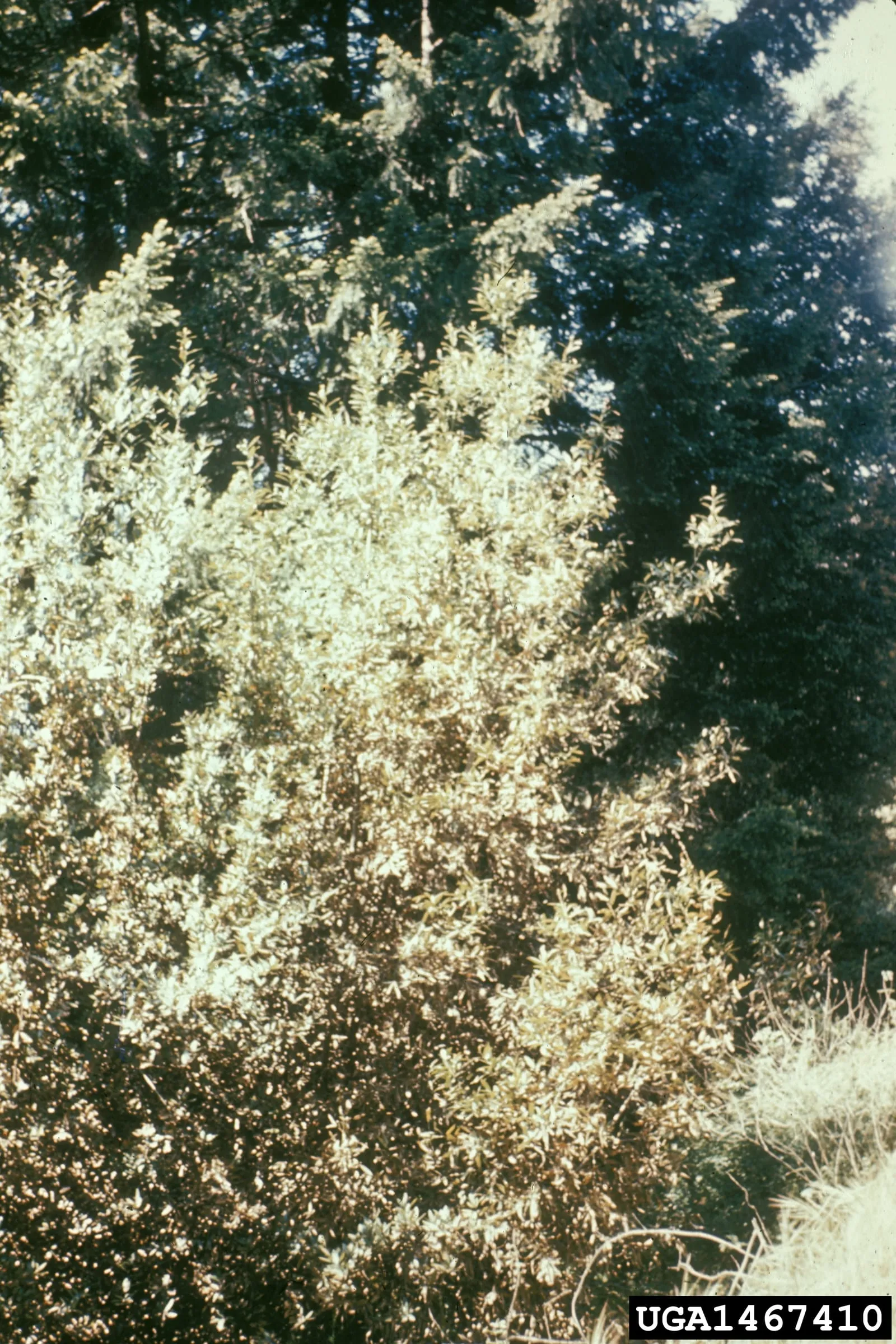
Mango anthracnose (Colletotrichum gloeosporioides) causes post-harvest fruit spotting and blossom blight under humid tropical conditions. Fungicide applications timed to each bloom flush, combined with adequate canopy airflow through selective thinning cuts, reduce incidence. Copper-based fungicides are commonly used; consult current university extension materials for registered formulations in the applicable territory.
The uninterrupted growing season means trees in zone 12a receive no natural dormant rest period. Irrigation management during dry intervals and attention to micronutrient deficiencies, particularly iron and zinc in high-pH or limestone-derived soils, are more consequential here than at the temperate edge of the crop's range.
Frequently asked questions
- Is zone 12a too hot for starfruit?
No. Carambola is a tropical species that performs best in continuously warm climates with no frost. Zone 12a's minimum temperatures of 50 to 55°F are well within the tree's comfort range. Heat is not the limiting factor; storm exposure and fungal disease pressure are the primary management concerns.
- How many times per year does starfruit fruit in zone 12a?
Most established trees produce two to three crop cycles per year in zone 12a's year-round growing season. The exact number depends on variety, irrigation, and local rainfall patterns. Arkin and Kary are both known for reliable repeat flowering under continuous tropical conditions.
- Does starfruit in zone 12a need any winter protection?
No cold protection is needed. Zone 12a minimum temperatures stay above 50°F, well above the 28 to 29°F threshold where cold injury begins. Storm preparation, not frost protection, is the seasonal task growers should plan for each year.
+−
+−
+−
Starfruit (Carambola) in adjacent zones
Image: "Averrhoa carambola new 03", by কামরুল ইসলাম শাহীন, via Wikimedia Commons, licensed under CC-BY Source.

Related