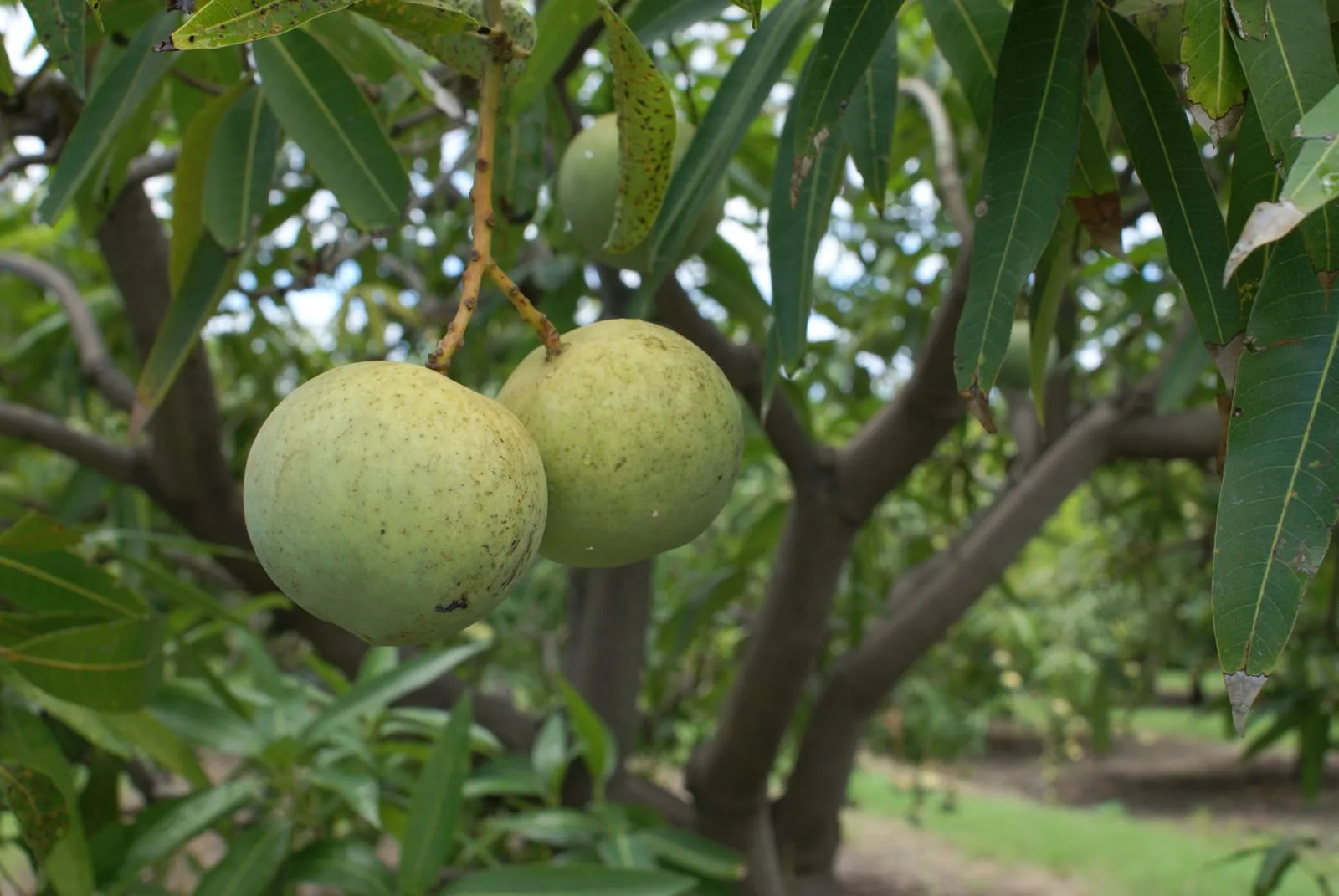
fruit tree
Mango
Mangifera indica
USDA hardiness range
- Zones
- 10b–13b
- Chill hours
- 0 below 45°F
- Days to harvest
- 120 to 180
- Sun
- Full
- Water
- Moderate
- Lifespan
- 100 to 300 years
Growing mango
Mango (Mangifera indica) is a long-lived tropical tree fruit adapted to USDA zones 10b through 13b. It requires zero chill hours, making it one of the most heat-dependent tree fruits grown in the continental United States, with reliable production concentrated in South Florida, Hawaii, Puerto Rico, and similar tropical and subtropical climates.
The critical constraint is frost tolerance. Mature trees can survive brief dips to around 25°F (-4°C) but suffer leaf and branch damage; young trees and flowers are killed by any freeze. In zone 10b, a bad cold snap can set a planting back several years or kill it outright. Site selection and cold-air drainage matter as much as the zone designation on the map.
For growers who can meet the climate requirements, mango is unusually rewarding. A well-established tree can fruit for generations, reaching 100 years or more. The gap between a grocery-store Tommy Atkins and a home-grown Carrie or Glenn is large enough to reframe what mango tastes like entirely. The main reasons home plantings underperform are poor drainage, inadequate sun, and anthracnose pressure in humid conditions. None of those problems are intractable, but they do require deliberate site planning before the tree goes in the ground.
Recommended varieties
See all 5 →5 cultivars for home growers, with notes on flavor, ripening, and disease resistance.
| Variety | Notes | Zone fit | Disease resistance |
|---|---|---|---|
| Carrie | Tender silky flesh with intense honey-floral aroma; a fiberless eating mango that wins blind tastings. Compact tree (~10 ft) suits home yards. | |
|
| Glenn | Mild sweet flesh with subtle peach-citrus notes; good introduction variety with low fiber. More disease tolerance than Tommy Atkins. | |
|
| Tommy Atkins | Firm dense flesh with mild sweet flavor; the supermarket mango chosen for shipping not for taste. Highly susceptible to anthracnose. | | none noted |
| Keitt | Late-season mango with smooth fiberless flesh and a subtle sweet-tart balance. Stays green when ripe; squeeze test instead of color. | |
|
| Alphonso | Saffron-colored flesh with intense floral honey aroma; the prized Indian export variety. Demanding; needs heat and a dry spring for good fruit set. | | none noted |
Soil and site requirements
Mango tolerates a wide pH range, approximately 5.5 to 7.5, but is unforgiving about drainage. Roots sitting in saturated soil for more than a few days become susceptible to root rot, and no amount of fertilizer rescues a tree on a waterlogged site. Raised beds or mounded planting positions help in areas with high water tables or compacted subsoil.
Full sun is non-negotiable. A mango tree shaded by a structure or neighboring canopy for part of the day produces visibly less fruit and becomes more vulnerable to anthracnose because foliage stays wet longer after rain.
Spacing for home-yard trees depends on the variety. Compact selections like Carrie typically stay under 15 feet with minimal pruning; standard varieties can reach 40 feet or more if left unmanaged. For most residential settings, 15 to 20 feet between trees is workable.
In zone 10b, microclimate selection is the most important site decision. A south-facing slope, the south side of a block wall, or an elevated position relative to surrounding terrain can shift the effective cold-hardiness by several degrees. Low-lying spots where cold air pools are the wrong location for mango regardless of the zone map value at that zip code.
Common diseases
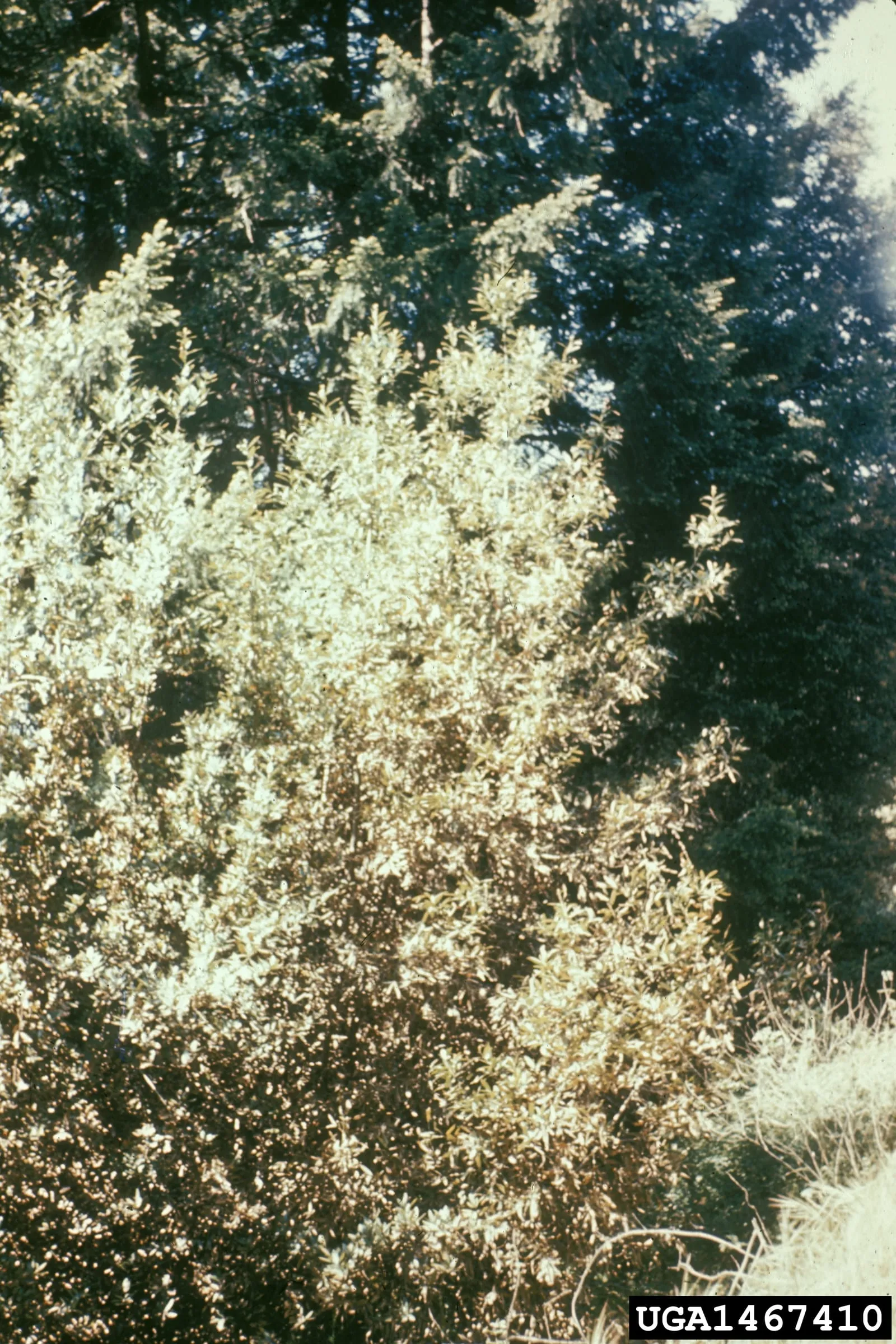
Colletotrichum gloeosporioides
Most damaging mango disease worldwide. Fungal spores infect blossoms and developing fruit during humid weather, producing black sunken lesions that expand on ripening fruit.
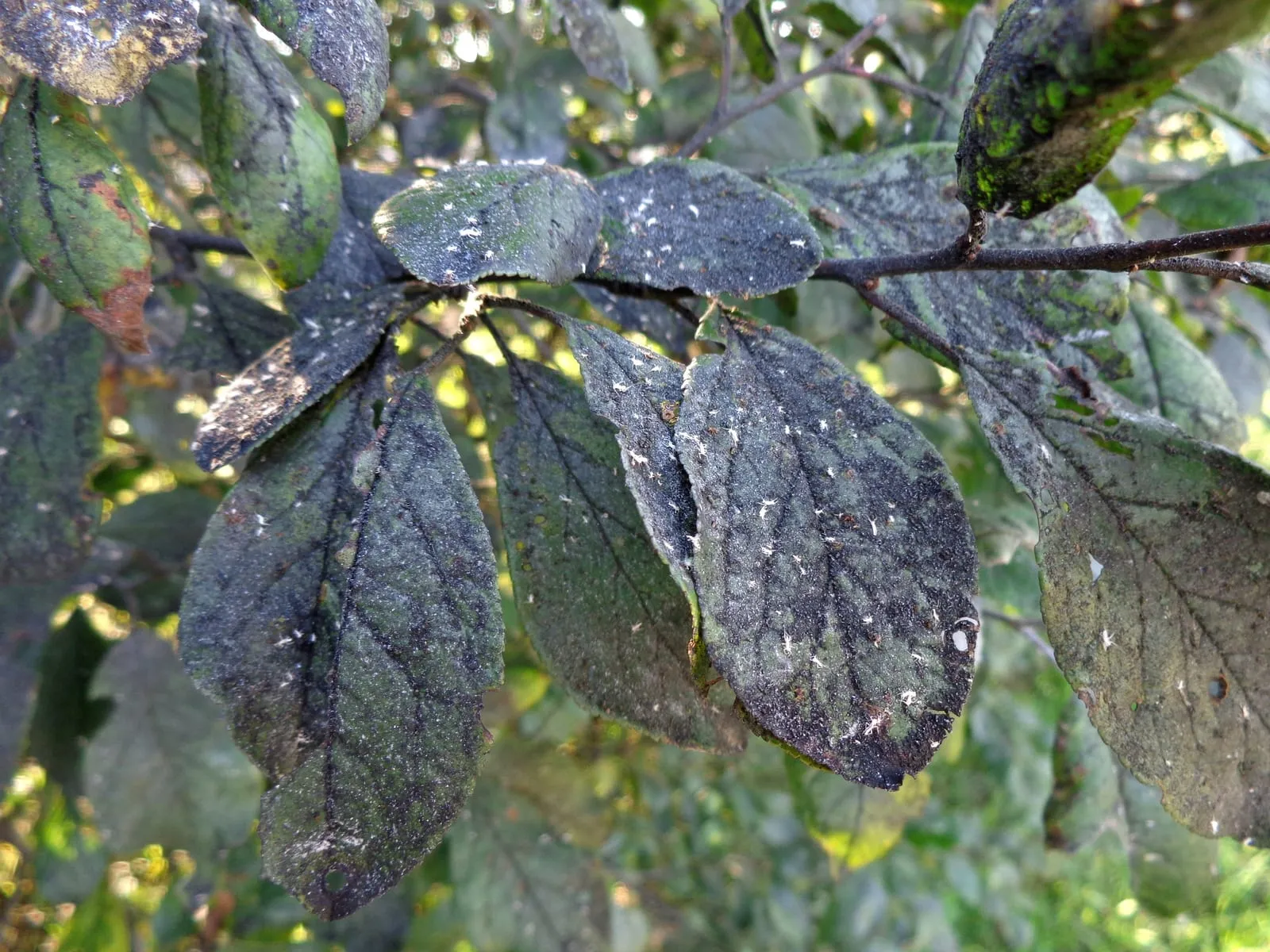
Capnodium spp.
Black fungal coating that grows on honeydew secreted by aphids, scale, mealybugs, and whiteflies. Doesn't infect plant tissue directly but blocks photosynthesis and disfigures fruit.
Common pests
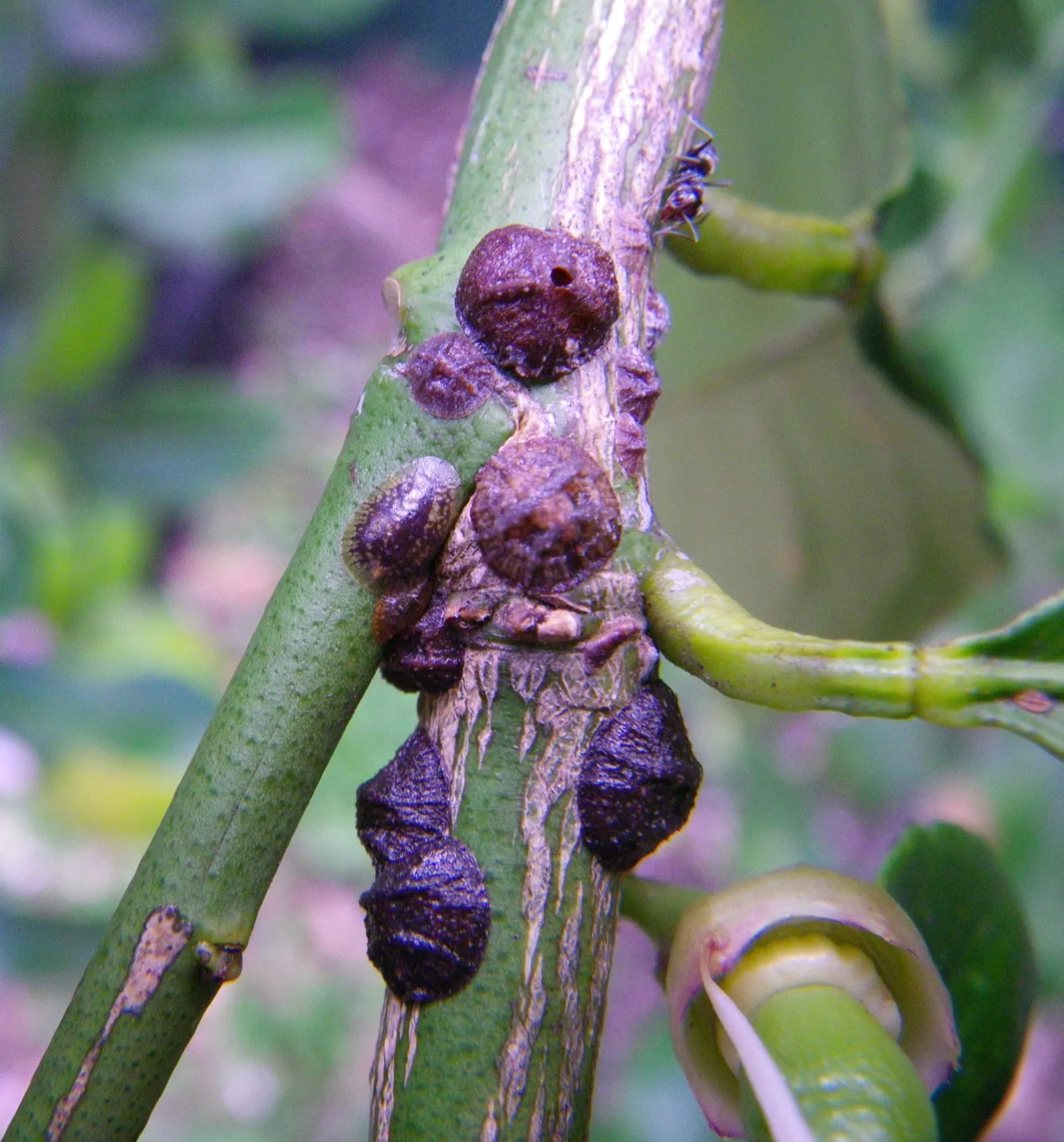
Coccoidea spp.
Sap-sucking insects that attach to bark, leaves, and fruit, secreting honeydew that fuels sooty mold. Heavy infestations weaken trees and cause leaf yellowing.
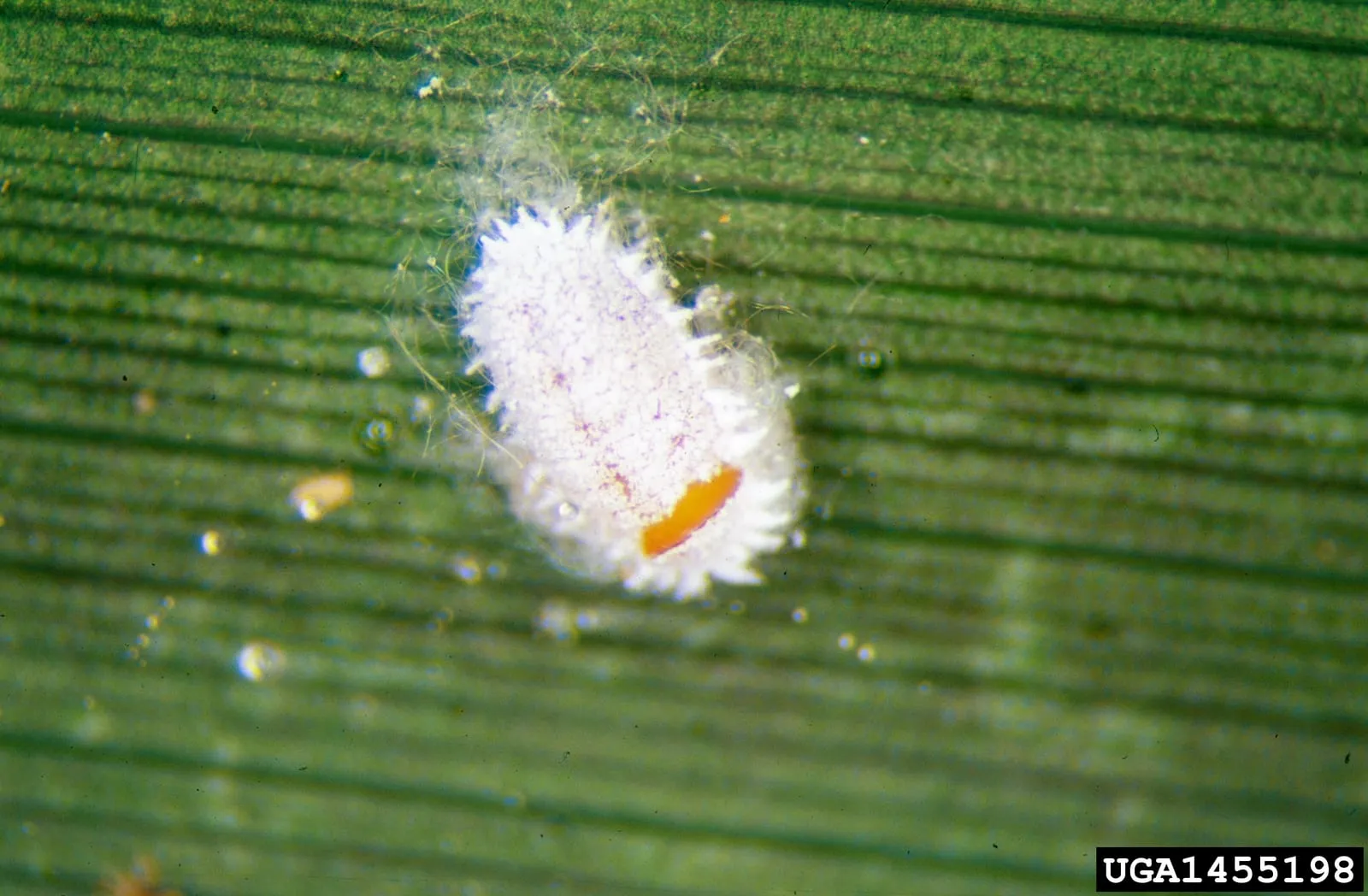
Pseudococcidae spp.
Soft white waxy insects that cluster at leaf joints, fruit stems, and root crowns. Honeydew secretion supports sooty mold; root mealybugs cause decline that mimics drought.
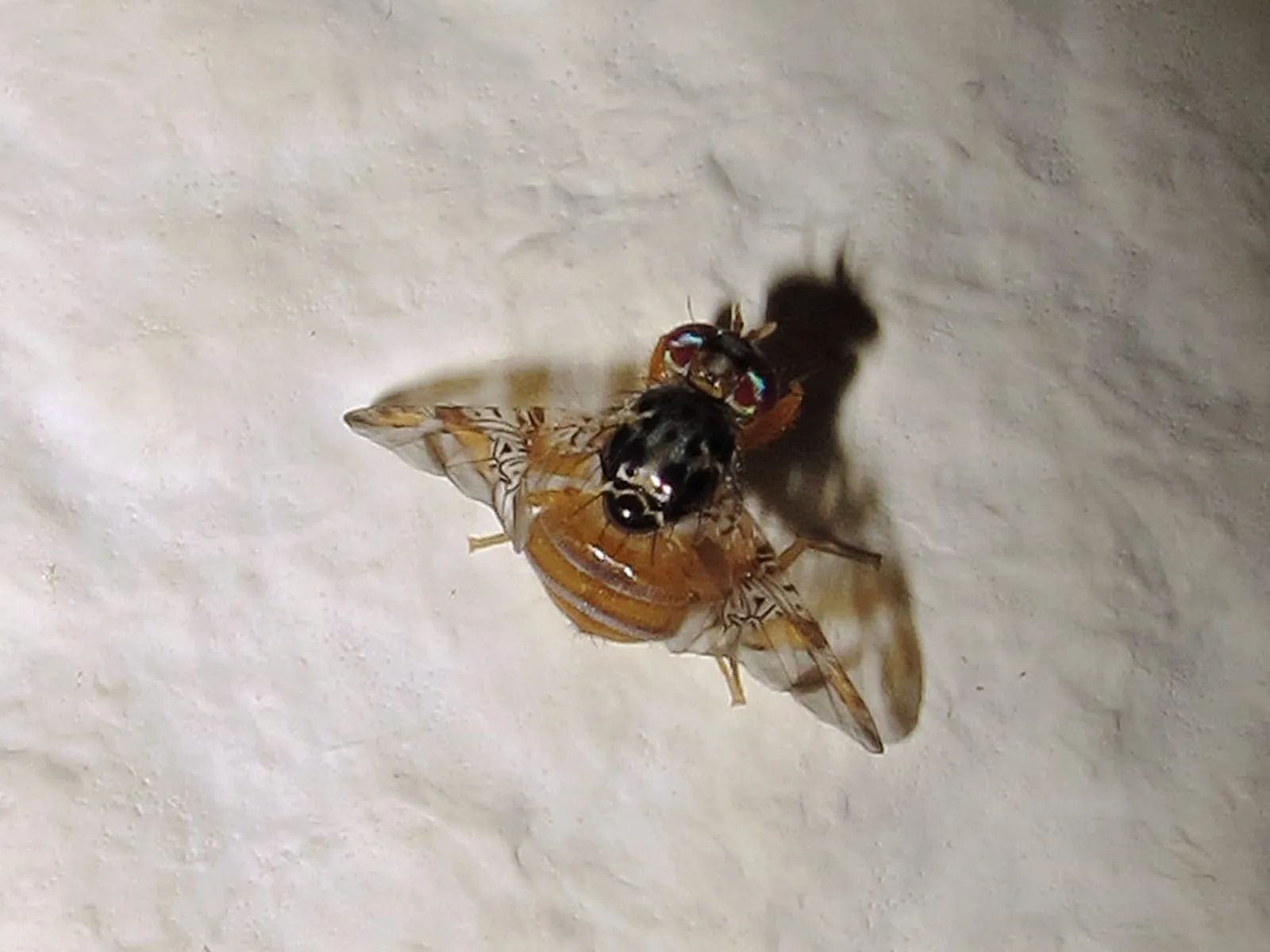
Ceratitis capitata
Quarantine pest in many regions. Adult females puncture ripening fruit to lay eggs; larvae tunnel through the flesh, causing premature drop and rot.
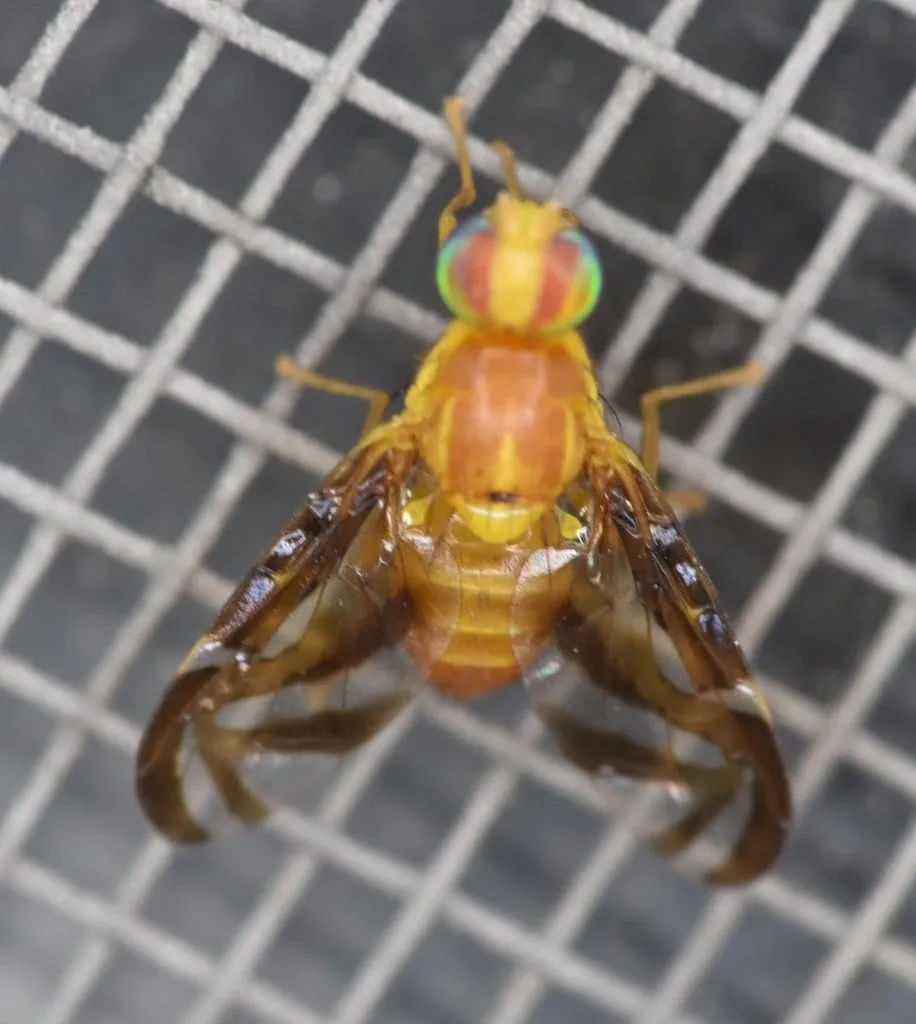
Anastrepha suspensa
Tropical fruit fly endemic to Florida and the Caribbean. Less aggressive on commercial citrus than Mediterranean fruit fly, but devastating on guava, carambola, and other thin-skinned tropicals.
Common challenges
Anthracnose (Colletotrichum gloeosporioides) is the most consistent threat to mango production in humid climates. The fungus infects flowers, young fruit, and leaves during wet weather, causing blossom blight, dark fruit lesions, and premature drop. Varieties differ substantially in susceptibility: Tommy Atkins is highly vulnerable; Glenn shows better field tolerance. Copper-based fungicide applications timed to bloom, before and during wet periods, are the standard management approach. Improving air circulation through canopy thinning also reduces infection pressure.
Frost timing in zone 10b represents a different category of risk. The most damaging scenario is a late cold event after the tree has pushed flowers or new growth. Frost damage at bloom means losing the crop for that season. Repeated frost events during establishment can permanently set back a young tree. Growers in 10b should select protected sites, plant in spring after cold season, and have frost cloth available for small trees.
Fruit flies, specifically Mediterranean fruit fly and Caribbean fruit fly, cause significant losses in Florida and Hawaii. Infested fruit drops early or contains larvae at harvest. Protein bait sprays, spinosad-based treatments, and orchard sanitation (removing fallen fruit promptly) are the core management tools. Commercial mango production in Florida relies heavily on fruit fly monitoring networks; home growers benefit from the same regional awareness.
Frequently asked questions
- Does mango need chill hours?
No. Mango requires zero chill hours and is triggered into flowering by cool, dry periods rather than accumulated cold. It is adapted to tropical and subtropical climates where winter temperatures stay well above freezing. Attempting to grow mango in climates with meaningful chill accumulation, typically anything below zone 10b, is unlikely to succeed without significant frost protection infrastructure.
- How long does it take a mango tree to produce fruit?
From fruit set to harvest, mango typically takes 120 to 180 days depending on variety and conditions. Seedling trees can take 5 to 8 years to bear; grafted trees from a nursery generally fruit within 2 to 4 years. Carrie and Glenn tend toward the earlier end of the production timeline for grafted trees in South Florida conditions.
- Which USDA zones can grow mango?
Mango is reliably productive in zones 10b through 13b. Zone 10a and colder is generally outside the viable range for sustained production, though specimens can survive in protected microclimates. The highest-density commercial and home production in the continental U.S. occurs in South Florida (Miami-Dade County), which sits in zones 11a to 11b.
- Is mango self-fertile, or does it need a pollinator?
Most mango varieties are capable of self-pollination. However, fruit set rates tend to improve with insect activity, and planting two or more varieties in proximity generally improves yields. The flowers are small and insect-dependent; gardens with good pollinator habitat (bees, flies) show better set than those without. A single tree will often produce fruit, but not always at its potential.
- What is the most common disease of home mango trees?
Anthracnose, caused by the fungus Colletotrichum gloeosporioides, is the most common and economically significant disease. It causes dark lesions on fruit, blossom blight, and leaf spots, and is worst during humid, rainy periods. Selecting varieties with better field tolerance, like Glenn over Tommy Atkins, and applying copper fungicide at bloom are the primary management strategies.
- What is the best mango variety for a home yard?
Carrie is widely regarded as one of the highest-quality eating mangoes for home production, with fiberless flesh and intense flavor in a compact tree that suits smaller lots. Glenn is a good starting variety for new growers, offering mild sweet flavor and better disease tolerance than the commercially dominant Tommy Atkins. Tommy Atkins is bred for shipping, not flavor, and is not the recommended choice for home planting. UF/IFAS Extension maintains an updated cultivar evaluation for Florida conditions.
- How long does a mango tree live?
Mango trees are exceptionally long-lived, with documented lifespans of 100 to 300 years under favorable conditions. Productivity often remains high well into a tree's mature decades. The primary limiting factors for longevity in home settings are poor drainage, repeated frost damage, and inadequate sun rather than the natural lifespan of the species.
+−
+−
+−
+−
+−
+−
+−
Sources
- [1] UF/IFAS Extension: Mango Cultivars in Florida
- [2] University of Hawaii: Mango Production
Image: "Mangifera indica var. José", by B.navez, via Wikimedia Commons, licensed under CC-BY. Source.

Mango by zone
Related