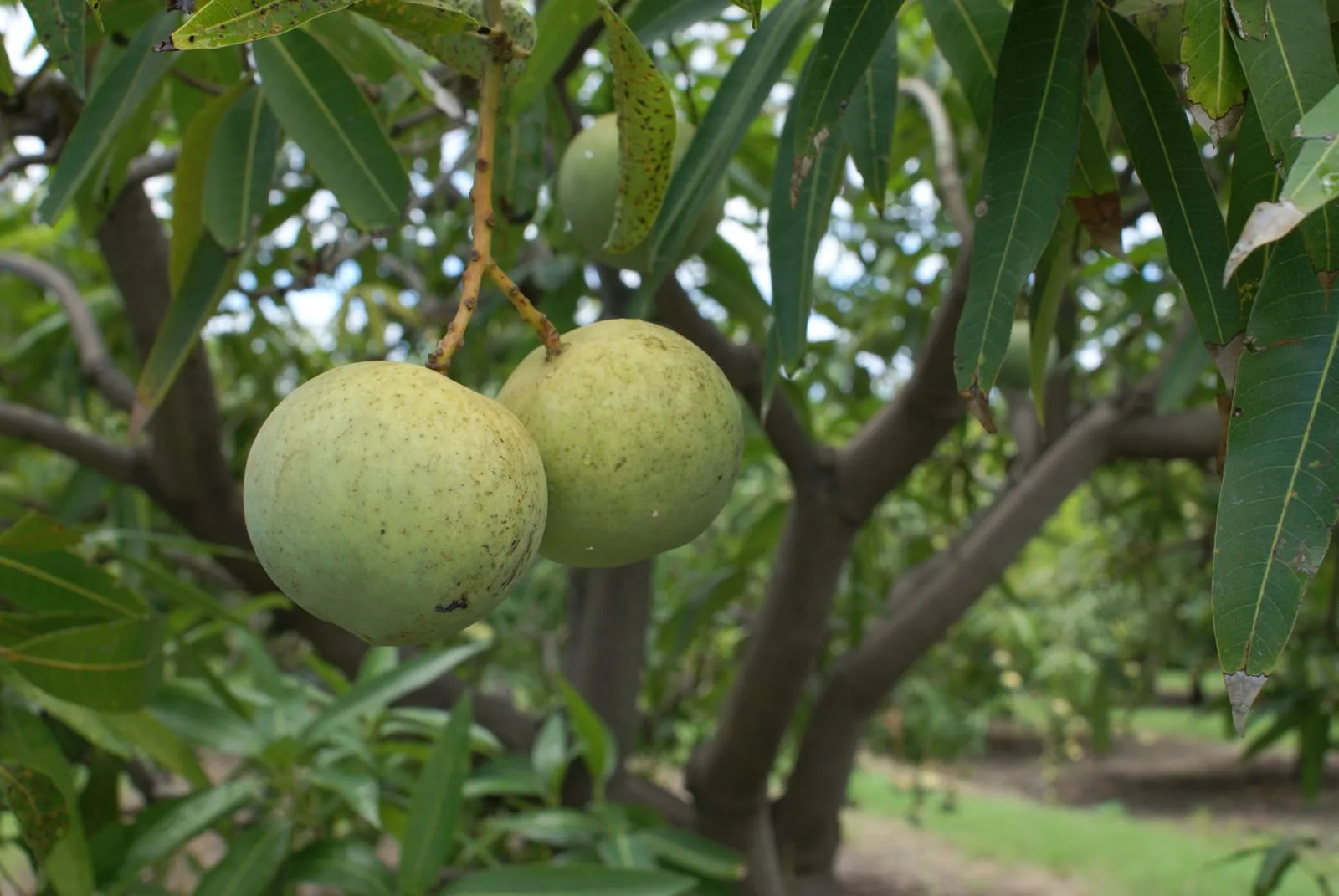
fruit tree in zone 13b
Growing mango in zone 13b
Mangifera indica
- Zone
- 13b 65°F to 70°F
- Growing season
- 365 days
- Chill needed
- 0 below 45°F
- Suitable varieties
- 4
- Days to harvest
- 120 to 180
The verdict
Zone 13b is among the most favorable climates in the continental United States for mango production. With minimum winter temperatures ranging 65 to 70°F and a 365-day growing season, the zone matches the crop's tropical origin closely. Mango requires zero chill hours, so the absence of meaningful cold periods is an asset rather than a limitation.
Varieties such as Glenn, Tommy Atkins, Keitt, and Alphonso all perform reliably here. Tommy Atkins and Keitt are the most heat-tolerant of the group and tolerate the persistent heat stress characteristic of 13b with minimal intervention. Alphonso, while prized for flavor, can be more sensitive to erratic moisture during fruit development.
This is not a marginal zone for mango. It is a sweet spot. The primary management challenges are agronomic rather than climatic: disease pressure, irrigation timing, and wind protection during early fruit set.
Recommended varieties for zone 13b
4 cultivars suited to this zone, with disease-resistance and zone-fit annotations.
| Variety | Notes | Zone fit | Disease resistance |
|---|---|---|---|
| Glenn fits zone 13b | Mild sweet flesh with subtle peach-citrus notes; good introduction variety with low fiber. More disease tolerance than Tommy Atkins. | |
|
| Tommy Atkins fits zone 13b | Firm dense flesh with mild sweet flavor; the supermarket mango chosen for shipping not for taste. Highly susceptible to anthracnose. | | none noted |
| Keitt fits zone 13b | Late-season mango with smooth fiberless flesh and a subtle sweet-tart balance. Stays green when ripe; squeeze test instead of color. | |
|
| Alphonso fits zone 13b | Saffron-colored flesh with intense floral honey aroma; the prized Indian export variety. Demanding; needs heat and a dry spring for good fruit set. | | none noted |
Critical timing for zone 13b
In zone 13b, mango typically initiates flower panicles from December through February, triggered less by cold than by a relative dry period or mild temperature dip in late fall. Full bloom generally runs January through March. Frost poses no practical threat to bloom in this zone, so the timing concern shifts to windstorms and rain during pollination, which can reduce fruit set.
Harvest windows vary by variety. Glenn matures early, typically May through June. Tommy Atkins and Keitt follow in June through August. Keitt is one of the latest-ripening varieties and can extend harvest into September. Alphonso, where grown, tends to ripen June through July. Because the zone has no hard seasonal cutoff, some trees in unusually vigorous condition may produce a secondary flush, though primary season output remains the reliable crop.
Common challenges in zone 13b
- ▸ Persistent heat stress
- ▸ No traditional temperate fruit
- ▸ Specialized horticulture
Disease pressure to watch for
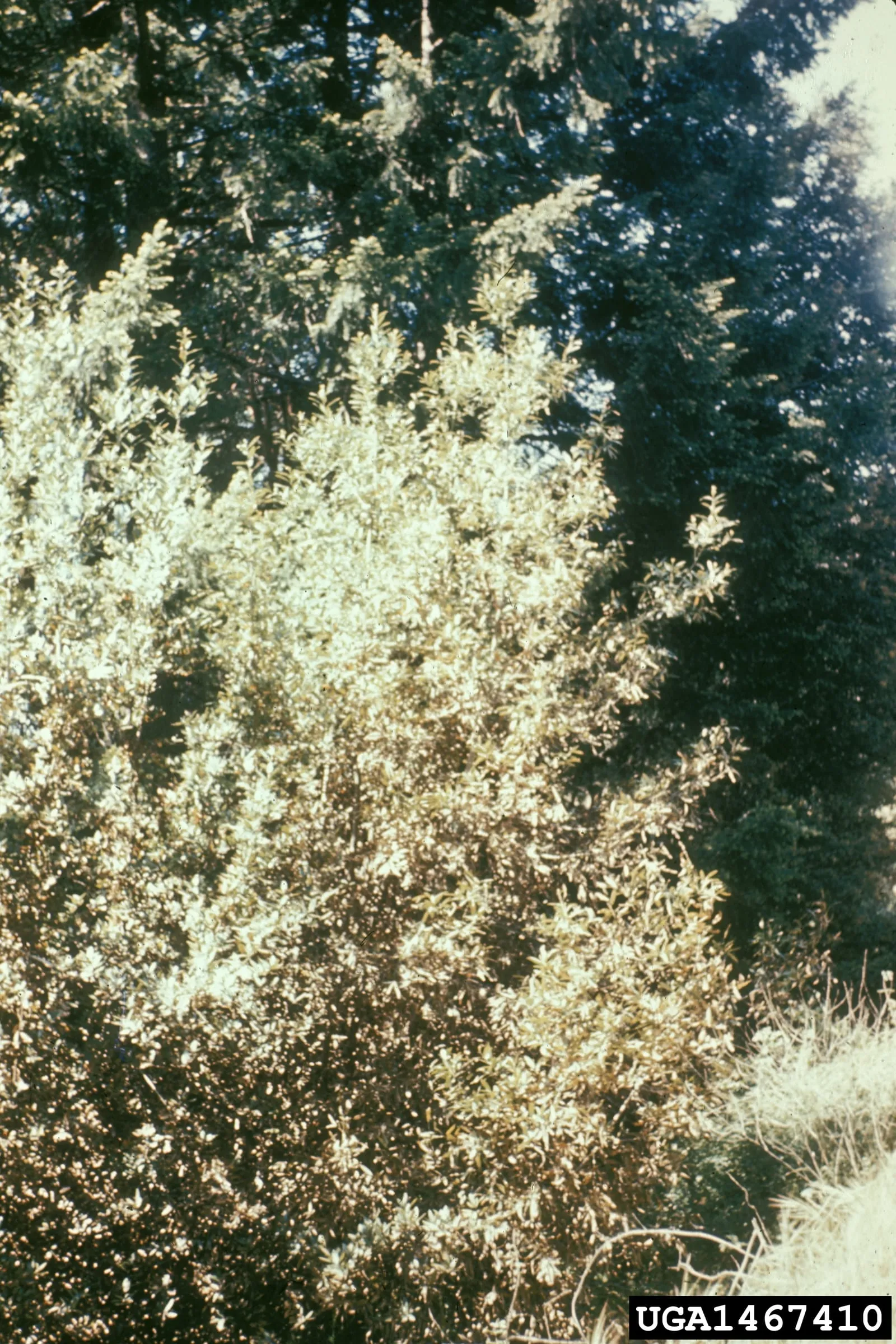
Colletotrichum gloeosporioides
Most damaging mango disease worldwide. Fungal spores infect blossoms and developing fruit during humid weather, producing black sunken lesions that expand on ripening fruit.
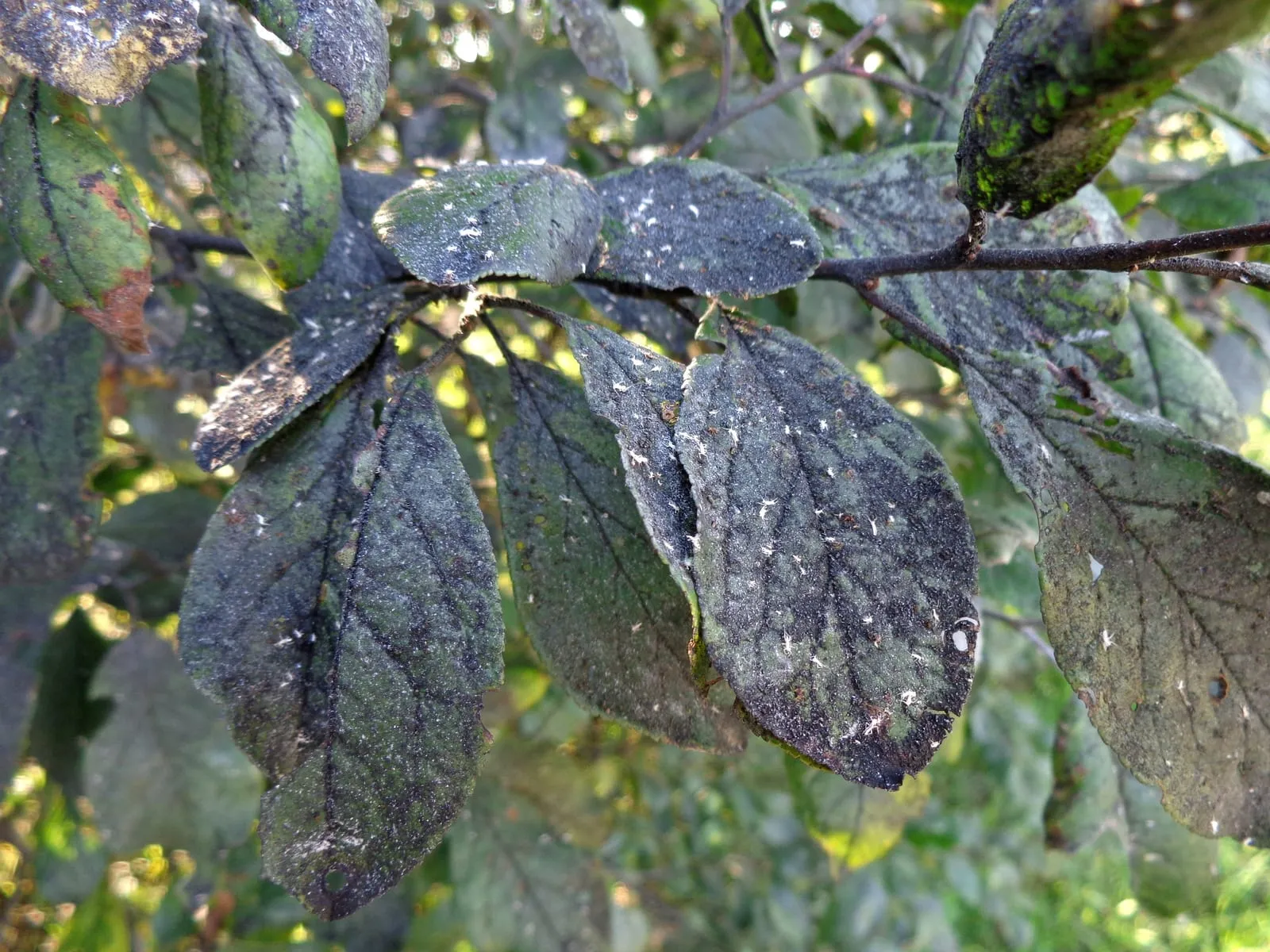
Capnodium spp.
Black fungal coating that grows on honeydew secreted by aphids, scale, mealybugs, and whiteflies. Doesn't infect plant tissue directly but blocks photosynthesis and disfigures fruit.
Modified care for zone 13b
The main adaptation in zone 13b relative to cooler mango-growing regions is managing heat stress during the critical fruit-sizing period, typically April through July. Consistent irrigation is more important here than in milder zones; trees under moisture stress during fruit development produce smaller fruit and are more susceptible to Mango Anthracnose infection at the stem end.
Sooty Mold is a persistent secondary issue in humid 13b conditions. It does not attack the tree directly but colonizes honeydew secreted by scale insects and mealybugs. Controlling the underlying insect pressure, rather than treating the mold itself, is the more effective approach.
Wind breaks are worth the investment in exposed sites. Young fruit is vulnerable to abrasion scarring in gusty conditions, and structural damage to branches reduces next-season yield. Mulching heavily around the root zone moderates soil temperature and retains moisture during peak heat months.
Frequently asked questions
- Does mango need any cold period to bloom in zone 13b?
Mango requires zero chill hours and does not need frost to initiate flowering. In zone 13b, bloom is typically triggered by a relative dry period or a modest temperature dip in late fall, not by cold. Most trees bloom reliably from January through March without any grower intervention.
- Which mango variety performs best in zone 13b?
Tommy Atkins and Keitt handle persistent heat stress well and are reliable producers in 13b. Glenn is a strong early-season choice with good flavor. Alphonso performs here but is more sensitive to irregular moisture during fruit development and may require more attentive irrigation management.
- How serious is Mango Anthracnose in zone 13b?
Anthracnose pressure is moderate to high in humid 13b conditions, particularly affecting flowers and young fruit during wet bloom periods. Preventive copper-based fungicide applications timed to early flower emergence reduce infection rates. Post-harvest fruit quality is also affected if infected fruit is not handled and cooled promptly after picking.
+−
+−
+−
Mango in adjacent zones
Image: "Mangifera indica var. José", by B.navez, via Wikimedia Commons, licensed under CC-BY Source.

Related