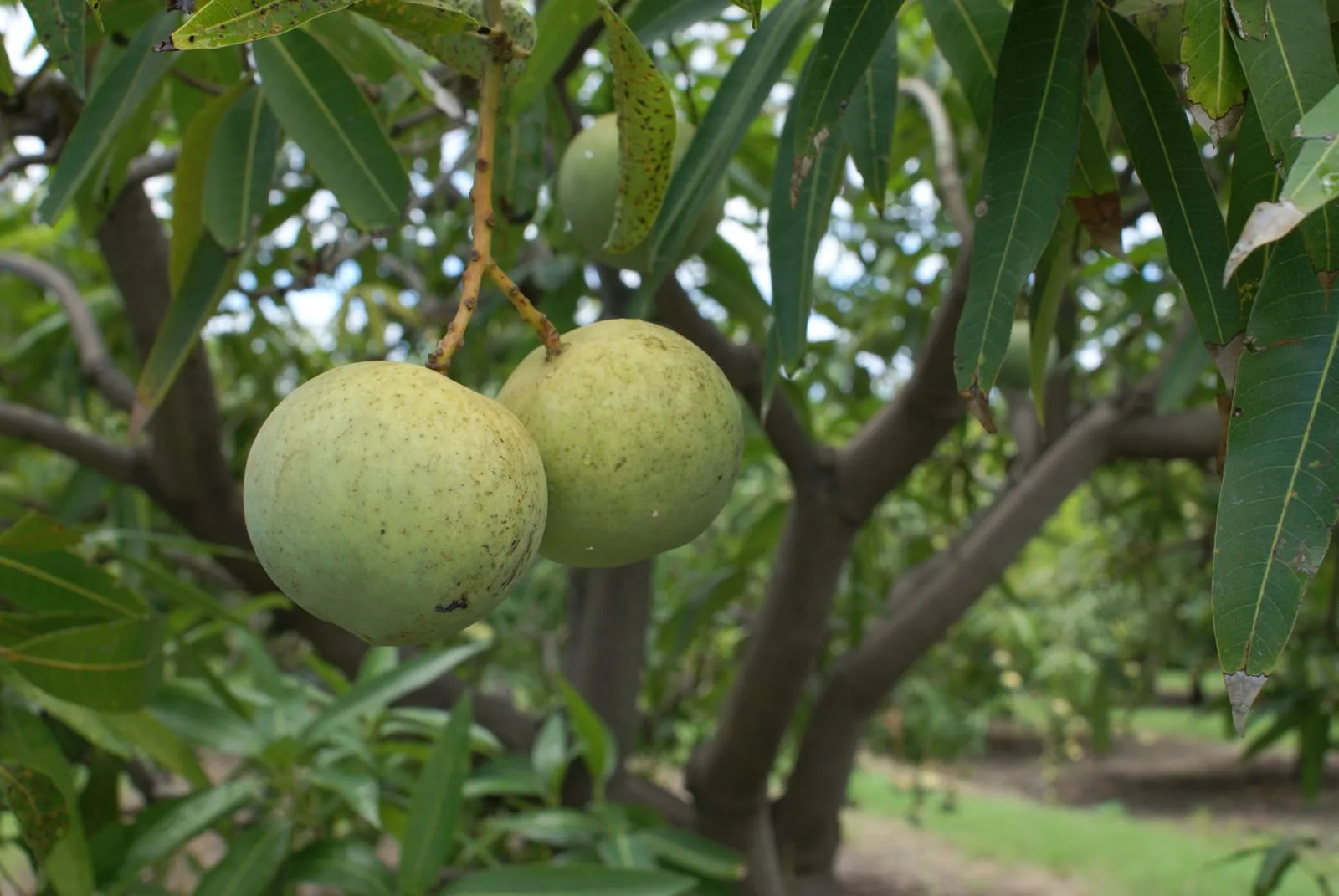
fruit tree in zone 12a
Growing mango in zone 12a
Mangifera indica
- Zone
- 12a 50°F to 55°F
- Growing season
- 365 days
- Chill needed
- 0 below 45°F
- Suitable varieties
- 5
- Days to harvest
- 120 to 180
The verdict
Mango is exceptionally well matched to zone 12a. With minimum temperatures staying between 50 and 55°F year-round and a 365-day growing season, the zone eliminates two of the primary constraints that limit mango production elsewhere: frost damage and insufficient heat accumulation. Mango requires zero chill hours, so the absence of cool winter periods is not a drawback here; it is the expected baseline.
Zone 12a is a genuine sweet spot for the crop, not a marginal one. The varieties listed for this zone, including Carrie, Glenn, Tommy Atkins, Keitt, and Alphonso, all perform well under continuous tropical conditions. Alphonso in particular, prized for its flavor complexity, demands the kind of sustained warmth that zone 12a provides reliably. The main limiting factors in this zone are not cold but rather hurricane exposure and persistent tropical disease pressure, both of which are manageable with good site selection and cultural practice.
Recommended varieties for zone 12a
5 cultivars suited to this zone, with disease-resistance and zone-fit annotations.
| Variety | Notes | Zone fit | Disease resistance |
|---|---|---|---|
| Carrie fits zone 12a | Tender silky flesh with intense honey-floral aroma; a fiberless eating mango that wins blind tastings. Compact tree (~10 ft) suits home yards. | |
|
| Glenn fits zone 12a | Mild sweet flesh with subtle peach-citrus notes; good introduction variety with low fiber. More disease tolerance than Tommy Atkins. | |
|
| Tommy Atkins fits zone 12a | Firm dense flesh with mild sweet flavor; the supermarket mango chosen for shipping not for taste. Highly susceptible to anthracnose. | | none noted |
| Keitt fits zone 12a | Late-season mango with smooth fiberless flesh and a subtle sweet-tart balance. Stays green when ripe; squeeze test instead of color. | |
|
| Alphonso fits zone 12a | Saffron-colored flesh with intense floral honey aroma; the prized Indian export variety. Demanding; needs heat and a dry spring for good fruit set. | | none noted |
Critical timing for zone 12a
In zone 12a, mango bloom typically occurs between December and February, triggered by the modest dry-season temperature dip rather than cold. Harvest timing varies by variety: early-season types like Carrie and Glenn mature from May through July, while later varieties such as Keitt extend the harvest window into September and October.
Frost timing is not a meaningful variable here. Zone 12a does not experience freezing temperatures, so bloom is never at risk from late cold snaps. The practical concern runs in the other direction: excessive rainfall during bloom can reduce fruit set by promoting Mango Anthracnose on flowers and young fruit. Growers should track rainfall patterns relative to bloom windows rather than frost calendars when planning spray timing.
Common challenges in zone 12a
- ▸ No temperate species
- ▸ Tropical pest and disease pressure
- ▸ Hurricane exposure
Disease pressure to watch for
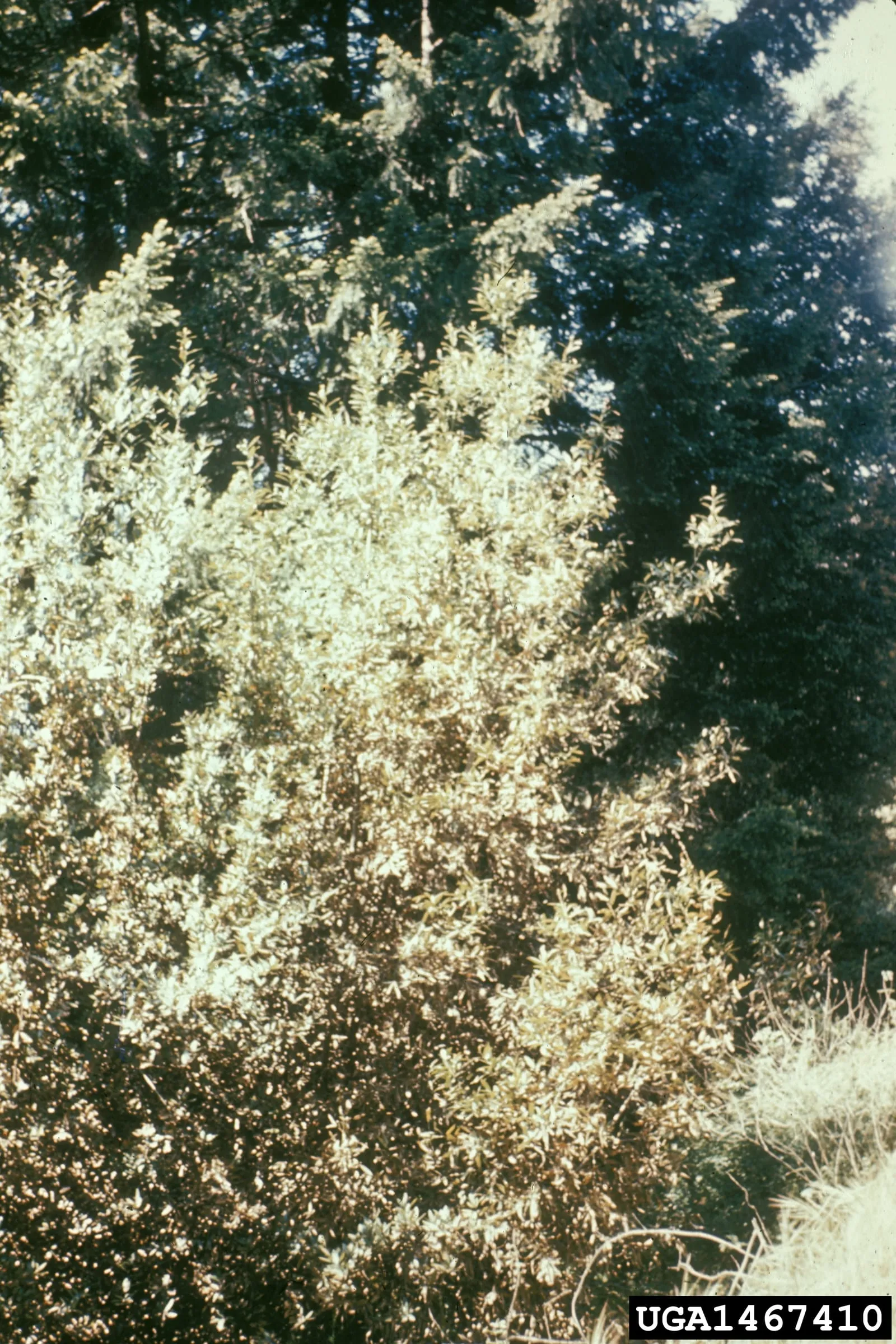
Colletotrichum gloeosporioides
Most damaging mango disease worldwide. Fungal spores infect blossoms and developing fruit during humid weather, producing black sunken lesions that expand on ripening fruit.
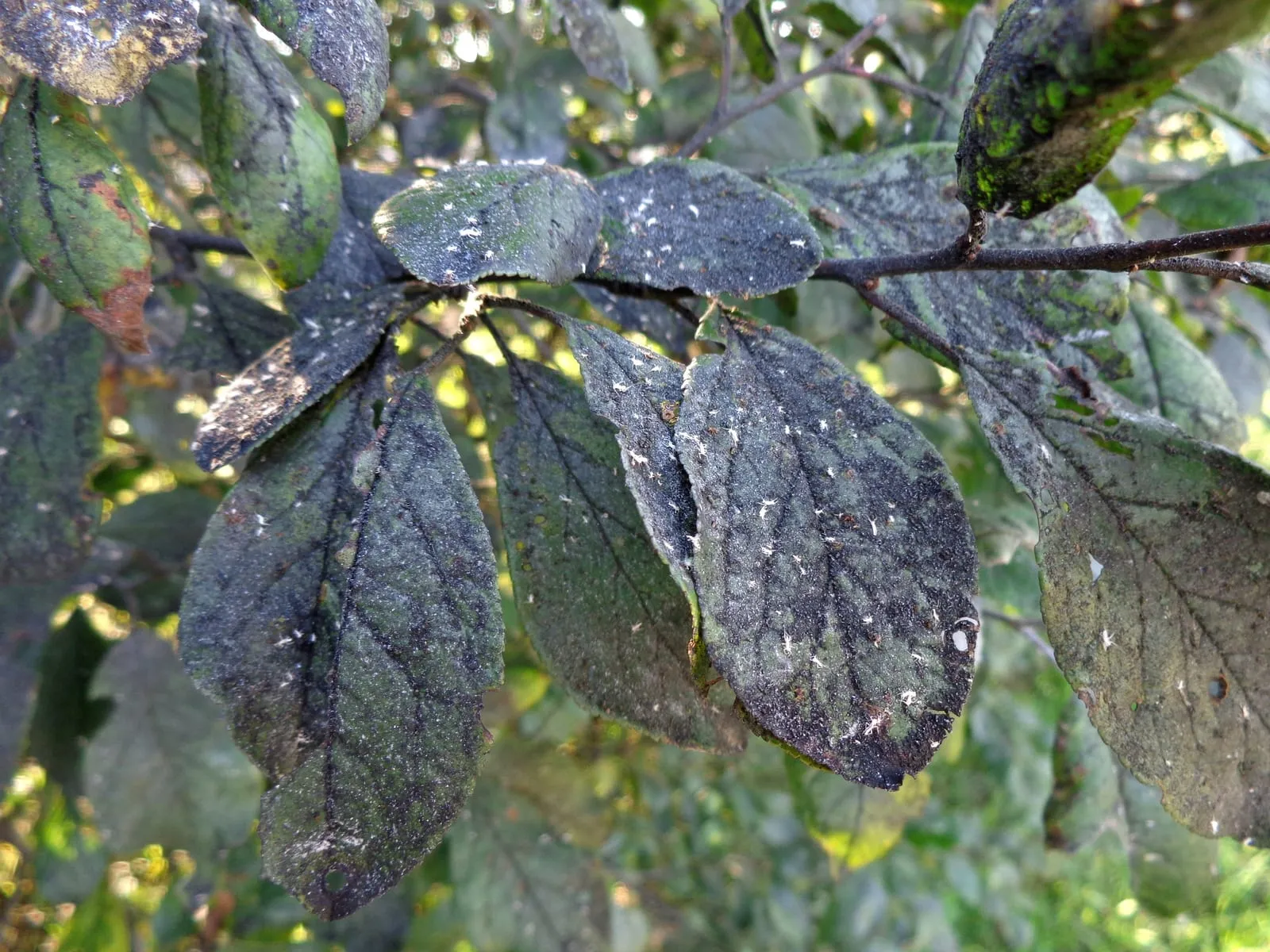
Capnodium spp.
Black fungal coating that grows on honeydew secreted by aphids, scale, mealybugs, and whiteflies. Doesn't infect plant tissue directly but blocks photosynthesis and disfigures fruit.
Modified care for zone 12a
The primary adaptation in zone 12a is managing for hurricane risk. Trees grown to full size, commonly 30 to 40 feet without intervention, become structural liabilities during storm season. Growers in this zone are better served by keeping trees pruned to 12 to 15 feet through regular canopy reduction after each harvest. This practice also improves spray coverage for disease management.
Anthracnose and Sooty Mold are chronic in the humid tropical conditions zone 12a produces year-round. Copper-based fungicide applications timed to bloom and post-harvest flushes are standard practice. Sooty Mold, which grows on honeydew deposited by scale and mealybugs, is a secondary problem; controlling the insect vectors reduces mold incidence without direct fungicide intervention.
Fertilization should emphasize potassium and micronutrients given the leached sandy soils common in zone 12a growing areas. Split applications across three to four feeds per year maintain consistent growth without promoting excessive vegetative flushes that delay fruit set.
Frequently asked questions
- Does mango need a dry season to flower in zone 12a?
A relative dry period helps. Mango bloom is triggered by mild temperature fluctuations and reduced soil moisture, not cold. In zone 12a, the December through February dry season typically provides enough of a stress signal to initiate flowering reliably, though this varies by site and variety.
- Which mango variety is best for zone 12a?
Carrie and Glenn are consistent performers with strong disease tolerance and manageable tree size. Keitt extends the harvest season into fall and handles humid conditions well. Alphonso produces exceptional fruit quality under zone 12a heat but requires more attentive care. Tommy Atkins is the most widely grown commercially but offers average flavor relative to the others.
- How do I protect a mango tree from hurricanes in zone 12a?
Structural pruning to 12 to 15 feet significantly reduces wind load and the risk of branch failure. Establish trees away from structures where possible. Stakes and bracing can protect young trees; established trees rely primarily on canopy management. After a storm, remove damaged wood promptly to reduce disease entry points.
- Is Anthracnose a serious problem for mango in zone 12a?
Yes. Mango Anthracnose (Colletotrichum gloeosporioides) is one of the most damaging diseases in humid tropical zones. It affects flowers, young fruit, and postharvest fruit in storage. Copper-based fungicides applied during bloom and early fruit development are the standard management approach in zone 12a conditions.
+−
+−
+−
+−
Mango in adjacent zones
Image: "Mangifera indica var. José", by B.navez, via Wikimedia Commons, licensed under CC-BY Source.

Related