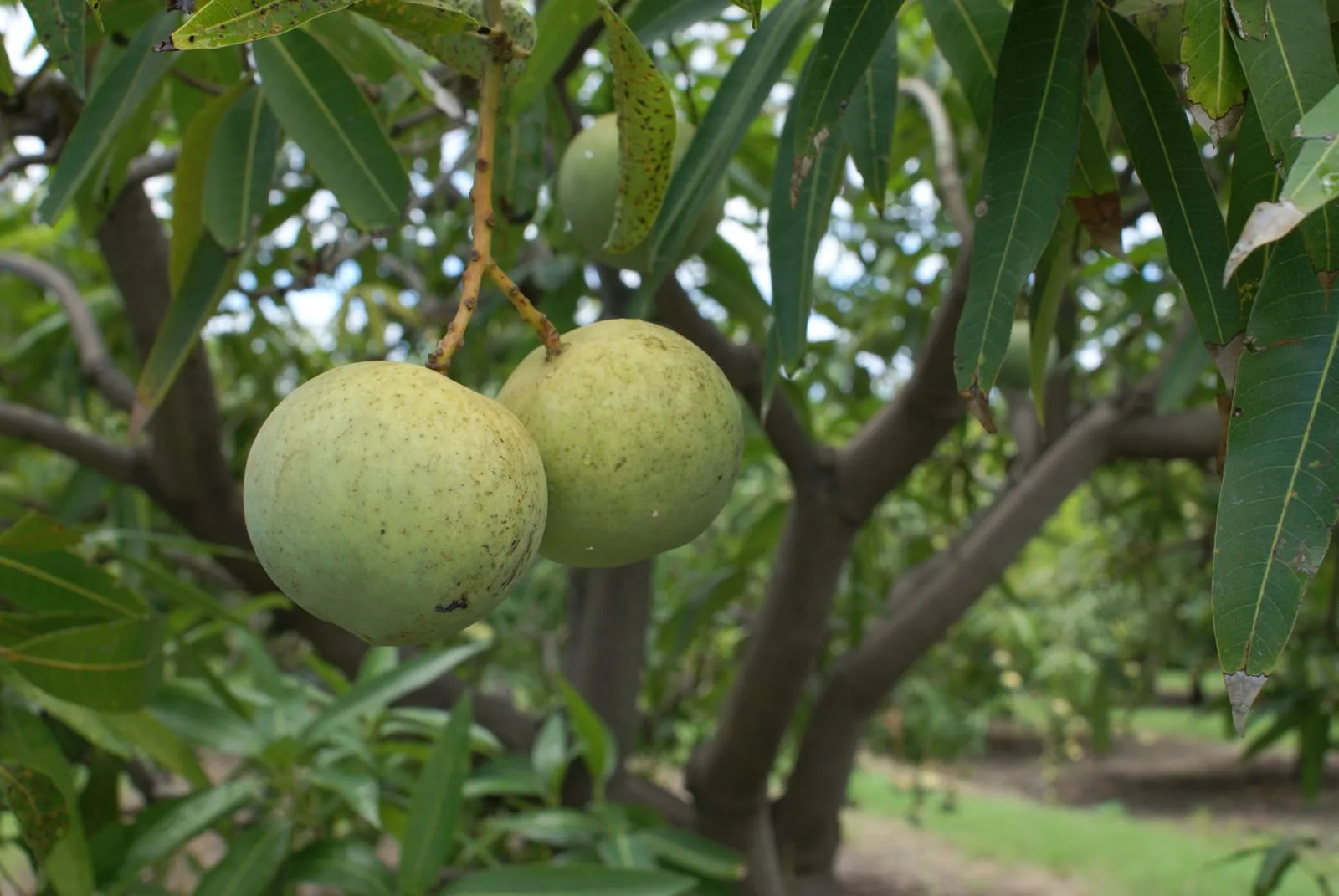
fruit tree in zone 12b
Growing mango in zone 12b
Mangifera indica
- Zone
- 12b 55°F to 60°F
- Growing season
- 365 days
- Chill needed
- 0 below 45°F
- Suitable varieties
- 5
- Days to harvest
- 120 to 180
The verdict
Zone 12b is a genuine sweet spot for mango, not a marginal case. Mangoes require zero chill hours, and zone 12b delivers exactly that: minimum winter temperatures holding between 55 and 60°F with a 365-day growing season. Frost is not a practical concern at this thermal floor, which eliminates the primary risk that limits mango production in cooler zones.
The varieties listed for this zone reflect the full range of what thrives in true tropical conditions. Alphonso, prized for its rich flavor profile and used as a quality benchmark in South Asian markets, performs reliably here. Tommy Atkins and Keitt offer commercial-scale production with strong disease tolerance. Carrie and Glenn are smaller-tree options well suited to backyard planting where space is limited.
The main constraints in zone 12b are not cold, but pest and disease pressure that runs uninterrupted through all twelve months, and the need to select varieties matched to local rainfall and humidity patterns.
Recommended varieties for zone 12b
5 cultivars suited to this zone, with disease-resistance and zone-fit annotations.
| Variety | Notes | Zone fit | Disease resistance |
|---|---|---|---|
| Carrie fits zone 12b | Tender silky flesh with intense honey-floral aroma; a fiberless eating mango that wins blind tastings. Compact tree (~10 ft) suits home yards. | |
|
| Glenn fits zone 12b | Mild sweet flesh with subtle peach-citrus notes; good introduction variety with low fiber. More disease tolerance than Tommy Atkins. | |
|
| Tommy Atkins fits zone 12b | Firm dense flesh with mild sweet flavor; the supermarket mango chosen for shipping not for taste. Highly susceptible to anthracnose. | | none noted |
| Keitt fits zone 12b | Late-season mango with smooth fiberless flesh and a subtle sweet-tart balance. Stays green when ripe; squeeze test instead of color. | |
|
| Alphonso fits zone 12b | Saffron-colored flesh with intense floral honey aroma; the prized Indian export variety. Demanding; needs heat and a dry spring for good fruit set. | | none noted |
Critical timing for zone 12b
In zone 12b, mango trees typically initiate flower panicles between December and February, triggered not by cold but by a relative dry period or mild temperature dip. With minimum temps staying above 55°F, there is no frost risk to the bloom, which is a significant advantage over marginal zones where late cold can destroy an entire season's crop.
Harvest timing varies by variety: Glenn and Carrie generally ripen from May through July, Tommy Atkins and Keitt run later, often into August and September, and Alphonso typically peaks in June. In a true zone 12b climate with consistent warmth, mature trees may produce a second smaller flush in some years, though this is variety- and site-dependent rather than guaranteed.
The absence of a hard frost window means bloom protection measures common in zones 9b through 11a are unnecessary here.
Common challenges in zone 12b
- ▸ No chilling for temperate fruit
- ▸ Pest pressure year-round
- ▸ Specialized cultivar selection
Disease pressure to watch for
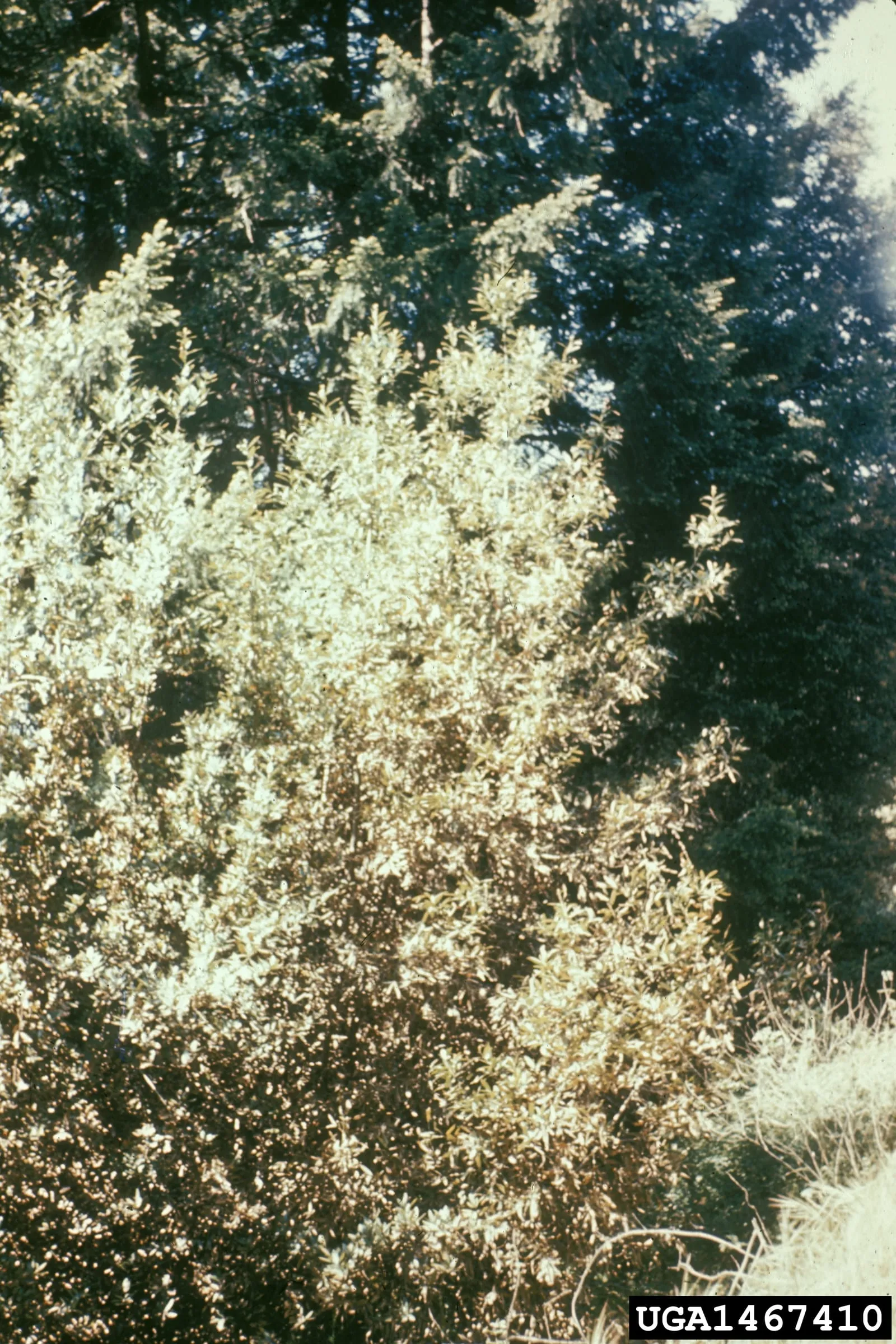
Colletotrichum gloeosporioides
Most damaging mango disease worldwide. Fungal spores infect blossoms and developing fruit during humid weather, producing black sunken lesions that expand on ripening fruit.
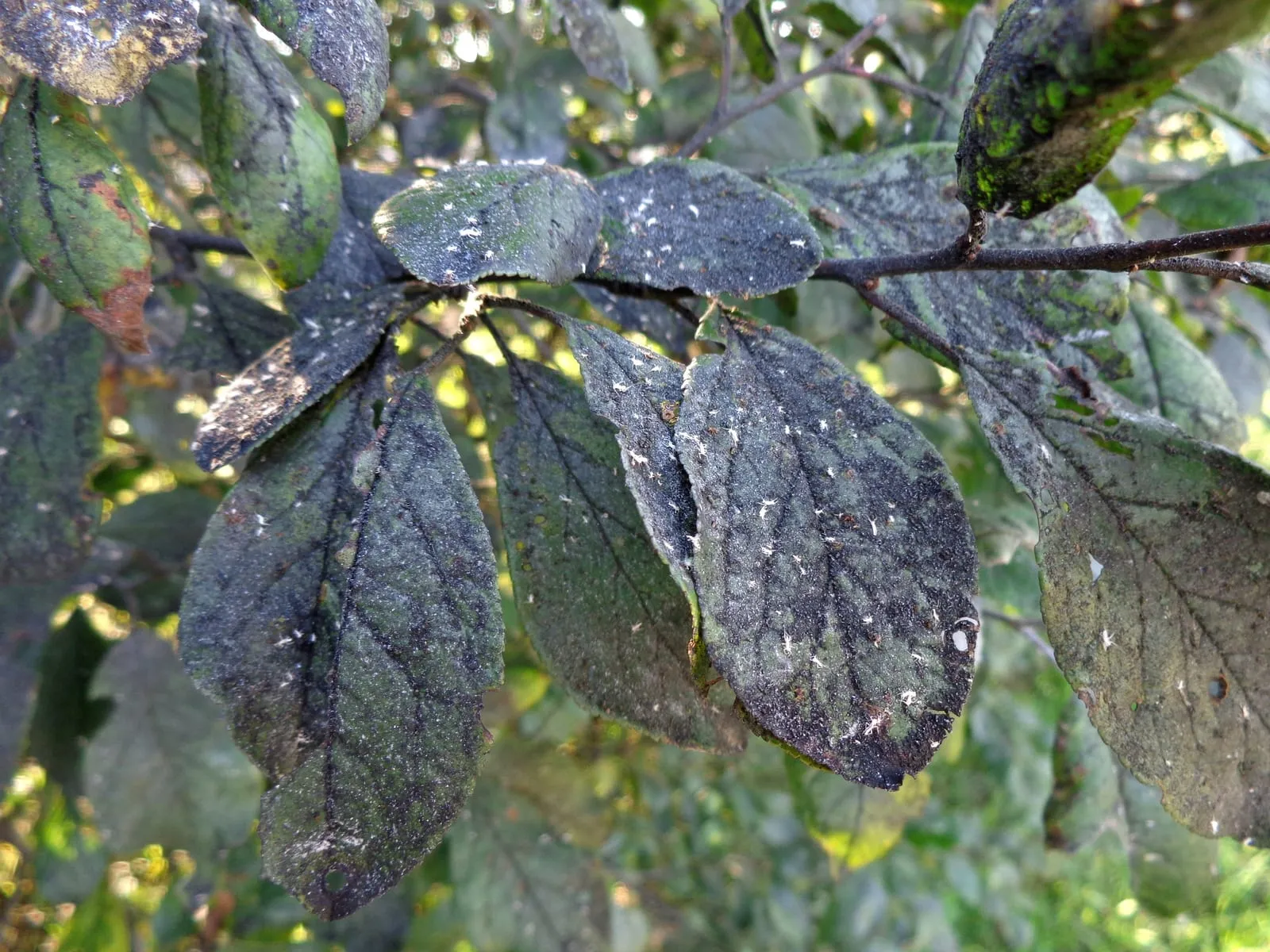
Capnodium spp.
Black fungal coating that grows on honeydew secreted by aphids, scale, mealybugs, and whiteflies. Doesn't infect plant tissue directly but blocks photosynthesis and disfigures fruit.
Modified care for zone 12b
The year-round pest and disease pressure in zone 12b is the primary care adjustment relative to drier or seasonally cooler growing regions. Mango anthracnose, caused by Colletotrichum gloeosporioides, is the most consequential disease at bloom and fruit set. Copper-based fungicide applications timed to panicle emergence and repeated through fruit development are standard practice in humid tropical climates. Sooty mold follows as a secondary issue, feeding on honeydew produced by scale insects, mealybugs, and whiteflies. Controlling the insect vectors reduces sooty mold without needing to treat the mold directly.
Water management differs from drier tropical zones. A deliberate reduction in irrigation during November and December can encourage more uniform flowering by mimicking a mild dry season. Once flowering begins, irrigation resumes normally through fruit swell.
Fertilization follows a tropical schedule: three to four applications annually, with phosphorus-emphasis timing around bloom and potassium-emphasis after fruit set to support size and sugar development.
Frequently asked questions
- Does mango need any cold period to flower in zone 12b?
Mangoes do not require chilling in the temperate-fruit sense. Flower induction in tropical climates is triggered by a relative dry period or a modest temperature dip, both of which can occur naturally in zone 12b winters. Trees that receive consistent irrigation and fertilization year-round with no dry pause may flower erratically.
- Which mango varieties perform best in zone 12b?
Carrie and Glenn are well regarded for backyard settings due to compact growth and excellent flavor. Tommy Atkins and Keitt handle humidity and resist some post-harvest disease better, making them practical for larger plantings. Alphonso is worth growing where market or culinary quality is the priority, though it can be more sensitive to irregular rainfall.
- How serious is anthracnose on mango in zone 12b?
Serious enough to manage proactively. High humidity during bloom is exactly the condition anthracnose favors, and zone 12b rarely lacks humidity. Unprotected trees can lose a large fraction of their fruit set to blossom blight and fruit rot. Copper fungicide at panicle emergence is the standard first line of defense.
- Can mango trees in zone 12b produce fruit twice a year?
Some mature trees on certain sites produce a secondary flush, but this should not be assumed or planned around. It depends on the variety, the tree's vigor, and whether a secondary dry-period cue occurs. Carrie is among the varieties more likely to produce off-season fruit in favorable years.
+−
+−
+−
+−
Mango in adjacent zones
Image: "Mangifera indica var. José", by B.navez, via Wikimedia Commons, licensed under CC-BY Source.

Related