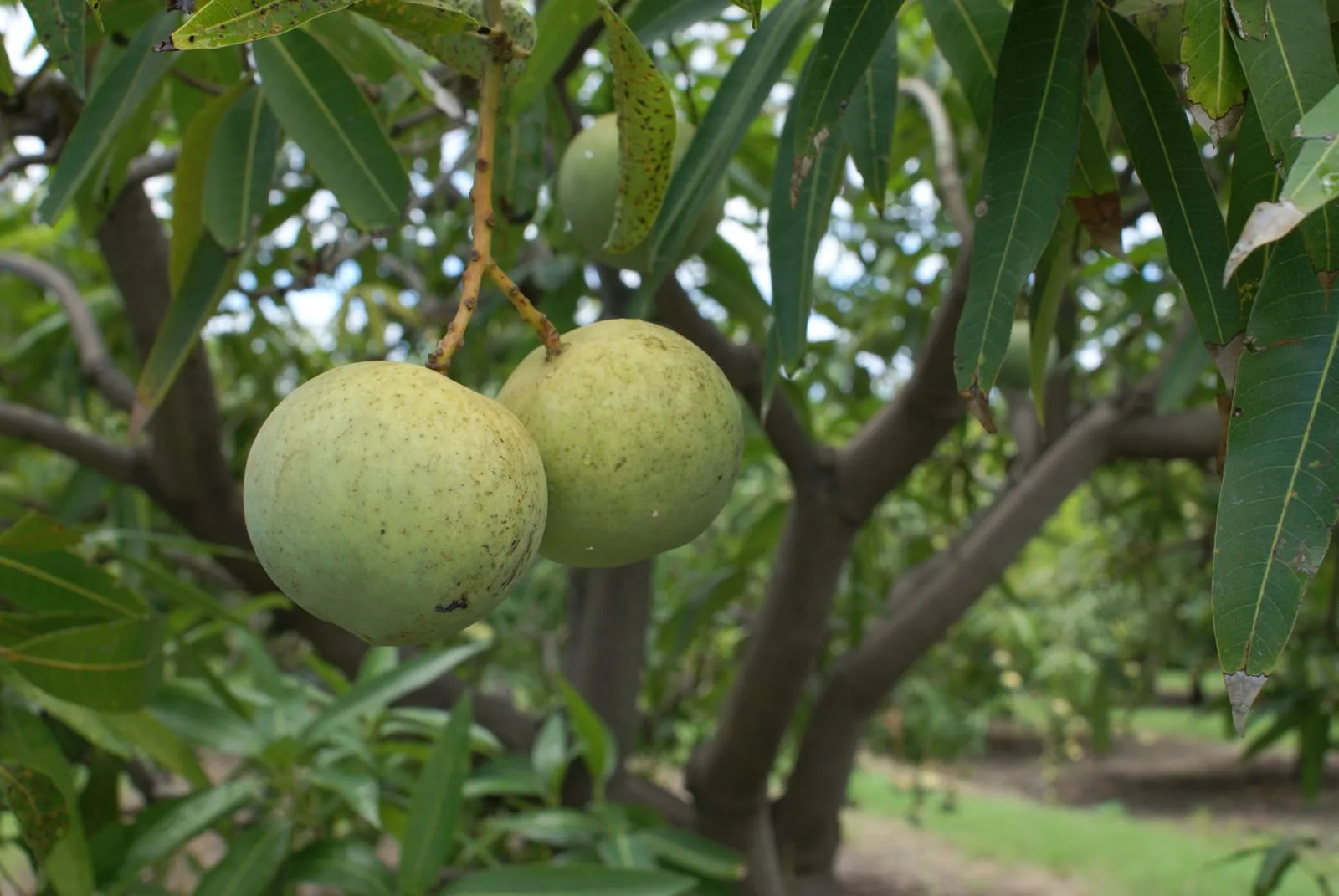
fruit tree in zone 11b
Growing mango in zone 11b
Mangifera indica
- Zone
- 11b 45°F to 50°F
- Growing season
- 365 days
- Chill needed
- 0 below 45°F
- Suitable varieties
- 5
- Days to harvest
- 120 to 180
The verdict
Zone 11b is a genuine sweet spot for mango, not a marginal case. Minimum winter temperatures of 45 to 50°F pose no frost threat, and the 365-day growing season aligns precisely with what the crop needs: sustained warmth, no dormancy interruption, and the long hang-time that separates average fruit from exceptional fruit. Mangoes require zero chill hours, so the absence of a real winter is an asset rather than a complication.
Varieties across the flavor spectrum perform here. Carrie and Glenn are consistent producers in the humid subtropical conditions common to zone 11b locations. Tommy Atkins and Keitt offer later-season harvest extension. Alphonso, prized for its richness in South Asian cultivation, can express its full character given enough heat accumulation. The primary constraints are cultural and pest-related rather than climatic: anthracnose during humid bloom periods and year-round insect pressure require active management. But the zone itself is not the limiting factor.
Recommended varieties for zone 11b
5 cultivars suited to this zone, with disease-resistance and zone-fit annotations.
| Variety | Notes | Zone fit | Disease resistance |
|---|---|---|---|
| Carrie fits zone 11b | Tender silky flesh with intense honey-floral aroma; a fiberless eating mango that wins blind tastings. Compact tree (~10 ft) suits home yards. | |
|
| Glenn fits zone 11b | Mild sweet flesh with subtle peach-citrus notes; good introduction variety with low fiber. More disease tolerance than Tommy Atkins. | |
|
| Tommy Atkins fits zone 11b | Firm dense flesh with mild sweet flavor; the supermarket mango chosen for shipping not for taste. Highly susceptible to anthracnose. | | none noted |
| Keitt fits zone 11b | Late-season mango with smooth fiberless flesh and a subtle sweet-tart balance. Stays green when ripe; squeeze test instead of color. | |
|
| Alphonso fits zone 11b | Saffron-colored flesh with intense floral honey aroma; the prized Indian export variety. Demanding; needs heat and a dry spring for good fruit set. | | none noted |
Critical timing for zone 11b
In zone 11b, mango bloom typically initiates between December and February, triggered by the modest seasonal temperature drop and, in drier locations, by mild water stress. Without that stress cue, flowering can be irregular or delayed. Growers in consistently humid, warm microclimates sometimes apply potassium nitrate (KNO3) foliar sprays to encourage synchronized bloom when natural triggers are weak.
Harvest timing spans a wide window depending on variety. Glenn and Carrie generally ripen in June and July. Tommy Atkins follows a similar arc. Keitt is a late-season variety, often holding fruit into September and October, which is useful for spreading harvest load. Because zone 11b carries no frost risk, the bloom window faces no cold interruption, though anthracnose infection during wet, humid flowering weather remains the main timing-related threat to set.
Common challenges in zone 11b
- ▸ Year-round pest pressure
- ▸ Salt spray near coasts
- ▸ No winter dormancy for traditional temperate species
Disease pressure to watch for
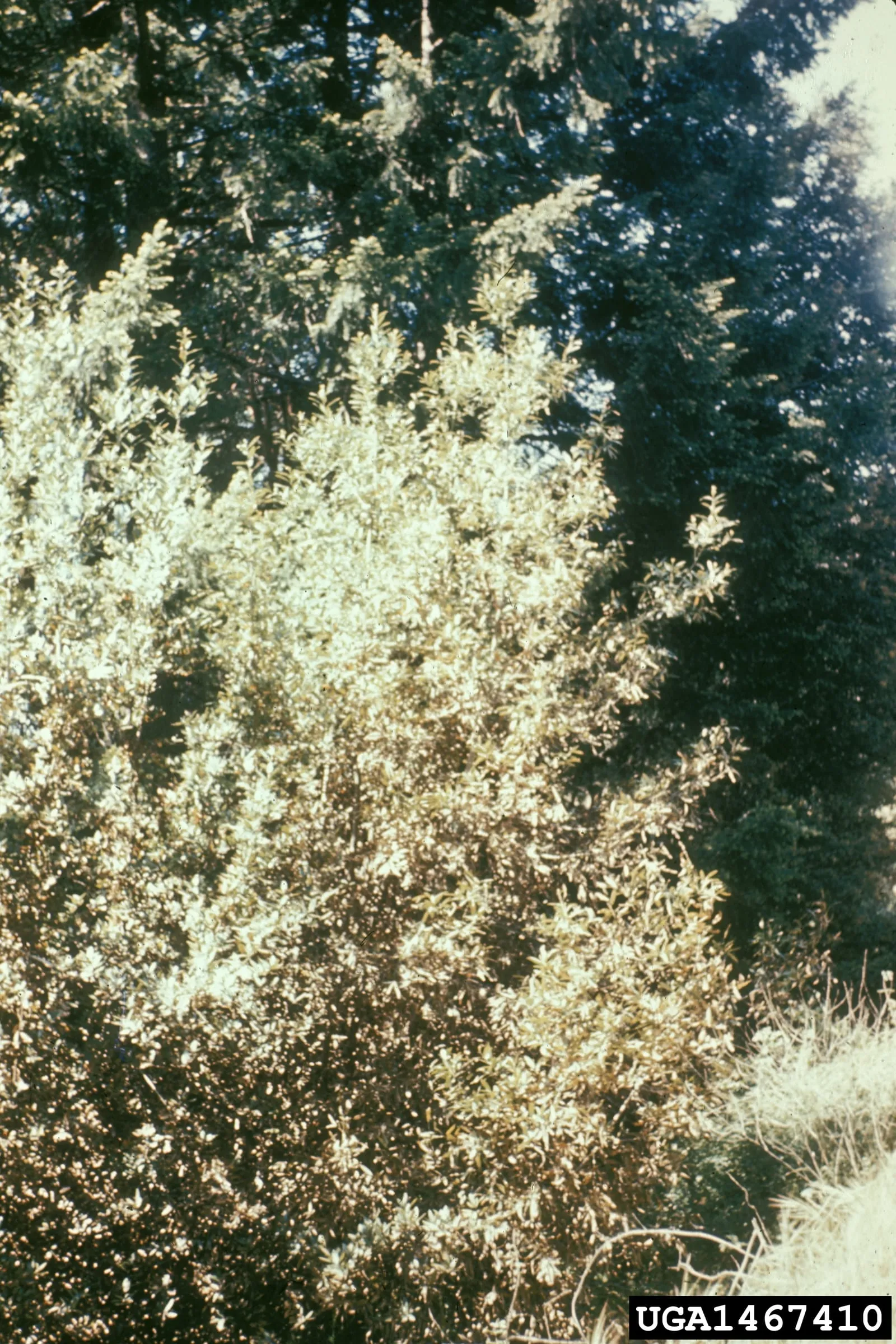
Colletotrichum gloeosporioides
Most damaging mango disease worldwide. Fungal spores infect blossoms and developing fruit during humid weather, producing black sunken lesions that expand on ripening fruit.
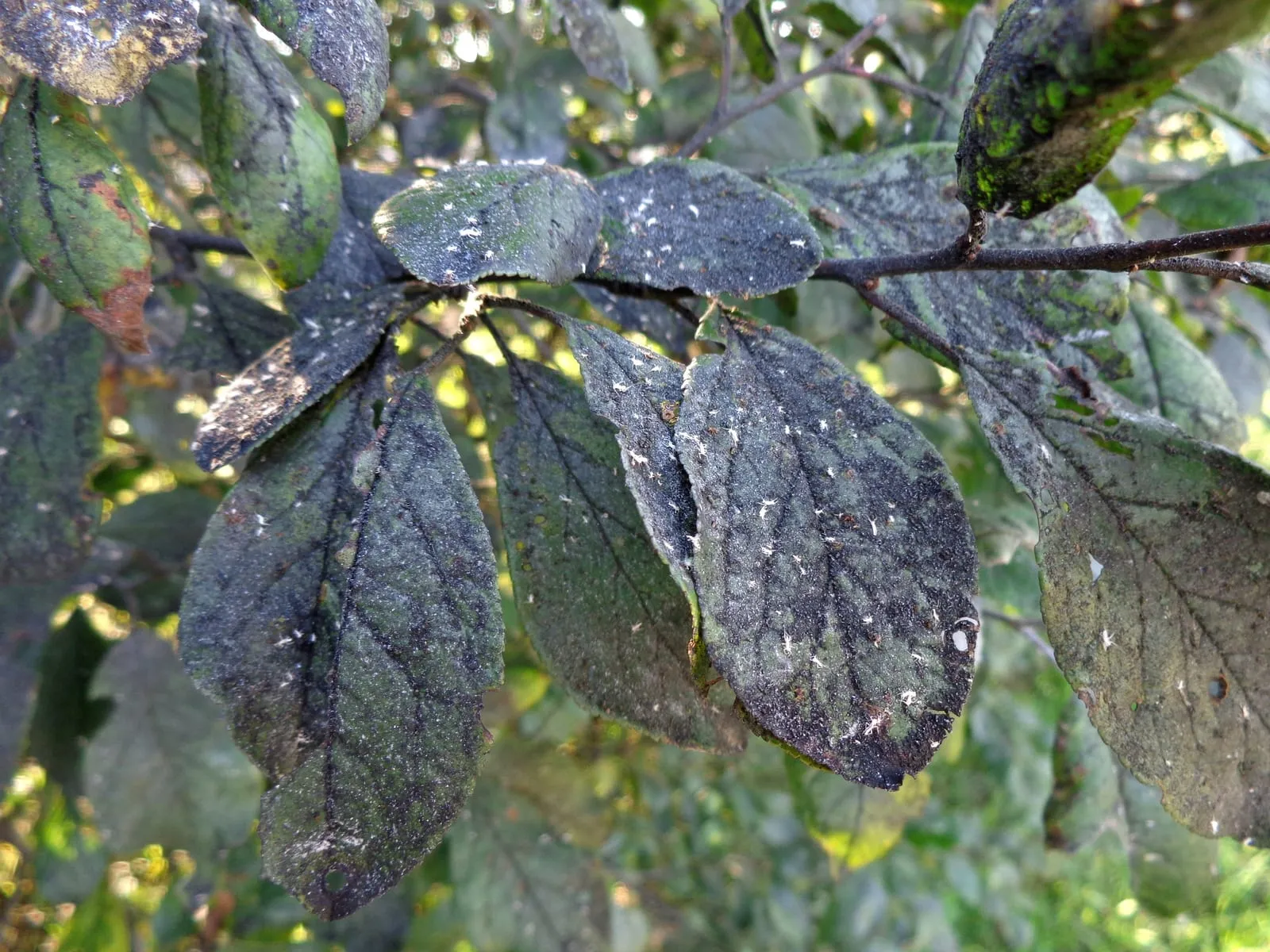
Capnodium spp.
Black fungal coating that grows on honeydew secreted by aphids, scale, mealybugs, and whiteflies. Doesn't infect plant tissue directly but blocks photosynthesis and disfigures fruit.
Modified care for zone 11b
The year-round pest pressure in zone 11b demands a consistent IPM calendar rather than seasonal bursts of attention. Scale insects and whiteflies fuel sooty mold outbreaks by depositing honeydew on foliage and fruit; managing the insects directly suppresses the mold. Horticultural oil applications timed outside of bloom reduce populations without disrupting pollinators.
Near coastlines, salt spray is a chronic stressor. A windbreak on the ocean-facing side, combined with occasional freshwater canopy rinses after storm events, reduces accumulation on leaves and young growth. Copper-based fungicides applied at early bloom and repeated through petal fall are the standard intervention for anthracnose pressure, which intensifies during the humid conditions common to zone 11b flowering periods.
Root zone management matters more here than in cooler zones because the tree never fully slows down. Annual mulching, controlled fertilization tied to flush cycles rather than a fixed calendar, and attention to drainage prevent the chronic minor stresses that accumulate over a year-round growing season.
Frequently asked questions
- Can mango fruit reliably every year in zone 11b?
Yes, with a caveat: reliable annual production depends on adequate bloom induction. In very warm, humid microclimates within zone 11b, trees may flower sporadically without some water stress or a KNO3 foliar application in late fall. Varieties like Carrie and Glenn tend to be more consistently productive under these conditions than heavy commercial cultivars.
- Does sooty mold damage mango fruit quality in zone 11b?
Sooty mold itself does not penetrate fruit skin, but heavy infestations reduce photosynthesis and make fruit commercially unappealing. Controlling the underlying scale or whitefly population is more effective than treating the mold directly. Once insects are managed, rain and weathering clear the mold over several weeks.
- Which mango variety performs best in coastal zone 11b locations?
Tommy Atkins has demonstrated reasonable salt tolerance and performs well in coastal South Florida, one of the most common zone 11b environments in the continental US. Keitt is another solid choice. Alphonso tends to be more sensitive to salt spray and is better suited to protected inland sites.
+−
+−
+−
Mango in adjacent zones
Image: "Mangifera indica var. José", by B.navez, via Wikimedia Commons, licensed under CC-BY Source.

Related