fruit tree in zone 11a
Growing mango in zone 11a
Mangifera indica
- Zone
- 11a 40°F to 45°F
- Growing season
- 365 days
- Chill needed
- 0 below 45°F
- Suitable varieties
- 5
- Days to harvest
- 120 to 180
The verdict
Zone 11a is a genuine sweet spot for mango, not a marginal case. With minimum winter temperatures of 40 to 45°F and a year-round growing season, the climate closely mirrors mango's native tropical range. Mango requires zero chill hours, so the absence of cold dormancy that limits most temperate fruit is irrelevant here. The principal limiting factor in cooler zones, frost damage to tender new growth and open flowers, simply does not apply in zone 11a under normal conditions.
The variety list for zone 11a is broad. Carrie, Glenn, Tommy Atkins, Keitt, and Alphonso all perform reliably in this range. Alphonso, prized for its flavor complexity, is particularly well suited to the consistently warm nights zone 11a provides throughout the year. Growers should select based on space, harvest timing preference, and disease tolerance rather than zone compatibility, since the zone itself imposes few restrictions on the crop.
Recommended varieties for zone 11a
5 cultivars suited to this zone, with disease-resistance and zone-fit annotations.
| Variety | Notes | Zone fit | Disease resistance |
|---|---|---|---|
| Carrie fits zone 11a | Tender silky flesh with intense honey-floral aroma; a fiberless eating mango that wins blind tastings. Compact tree (~10 ft) suits home yards. | |
|
| Glenn fits zone 11a | Mild sweet flesh with subtle peach-citrus notes; good introduction variety with low fiber. More disease tolerance than Tommy Atkins. | |
|
| Tommy Atkins fits zone 11a | Firm dense flesh with mild sweet flavor; the supermarket mango chosen for shipping not for taste. Highly susceptible to anthracnose. | | none noted |
| Keitt fits zone 11a | Late-season mango with smooth fiberless flesh and a subtle sweet-tart balance. Stays green when ripe; squeeze test instead of color. | |
|
| Alphonso fits zone 11a | Saffron-colored flesh with intense floral honey aroma; the prized Indian export variety. Demanding; needs heat and a dry spring for good fruit set. | | none noted |
Critical timing for zone 11a
Mango flowering in zone 11a is triggered not by cold accumulation but by a period of relative dryness and slightly cooler nights, typically occurring from December through February. Bloom onset can vary by two to four weeks depending on the variety and whether a dry spell has occurred. Glenn and Carrie tend to flower earlier in this window; Keitt often blooms later and extends the harvest season into fall.
Fruit development follows bloom by roughly 90 to 150 days depending on variety. Early varieties like Carrie can be harvested as soon as May; Keitt regularly produces into October. Because zone 11a carries no meaningful frost risk, the bloom window is not constrained by spring frost timing the way it is in zones 9b or 10a, where a late cold snap can damage open flowers.
Common challenges in zone 11a
- ▸ No temperate fruit potential
- ▸ Year-round pest pressure
- ▸ Specialized crop selection
Disease pressure to watch for
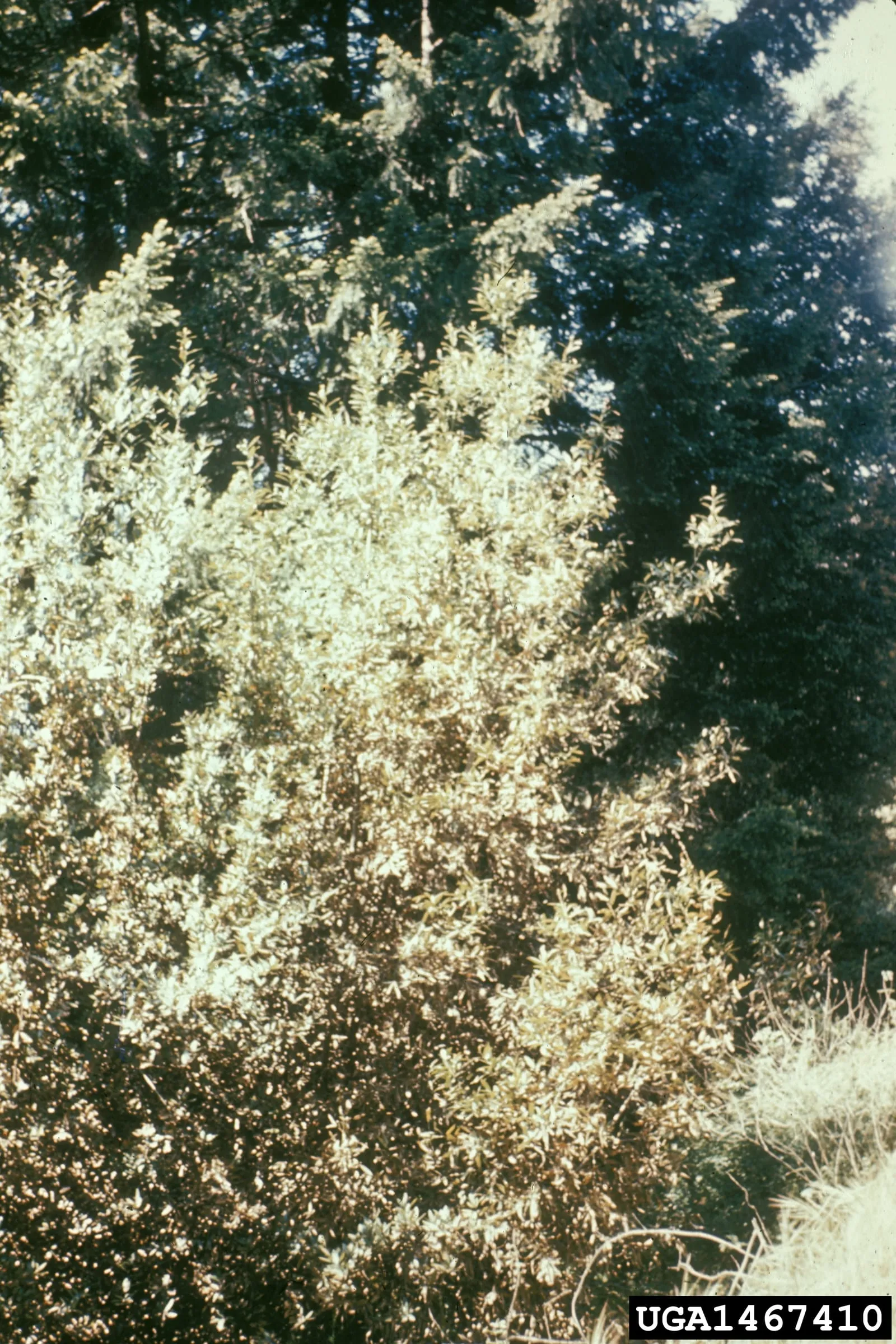
Colletotrichum gloeosporioides
Most damaging mango disease worldwide. Fungal spores infect blossoms and developing fruit during humid weather, producing black sunken lesions that expand on ripening fruit.
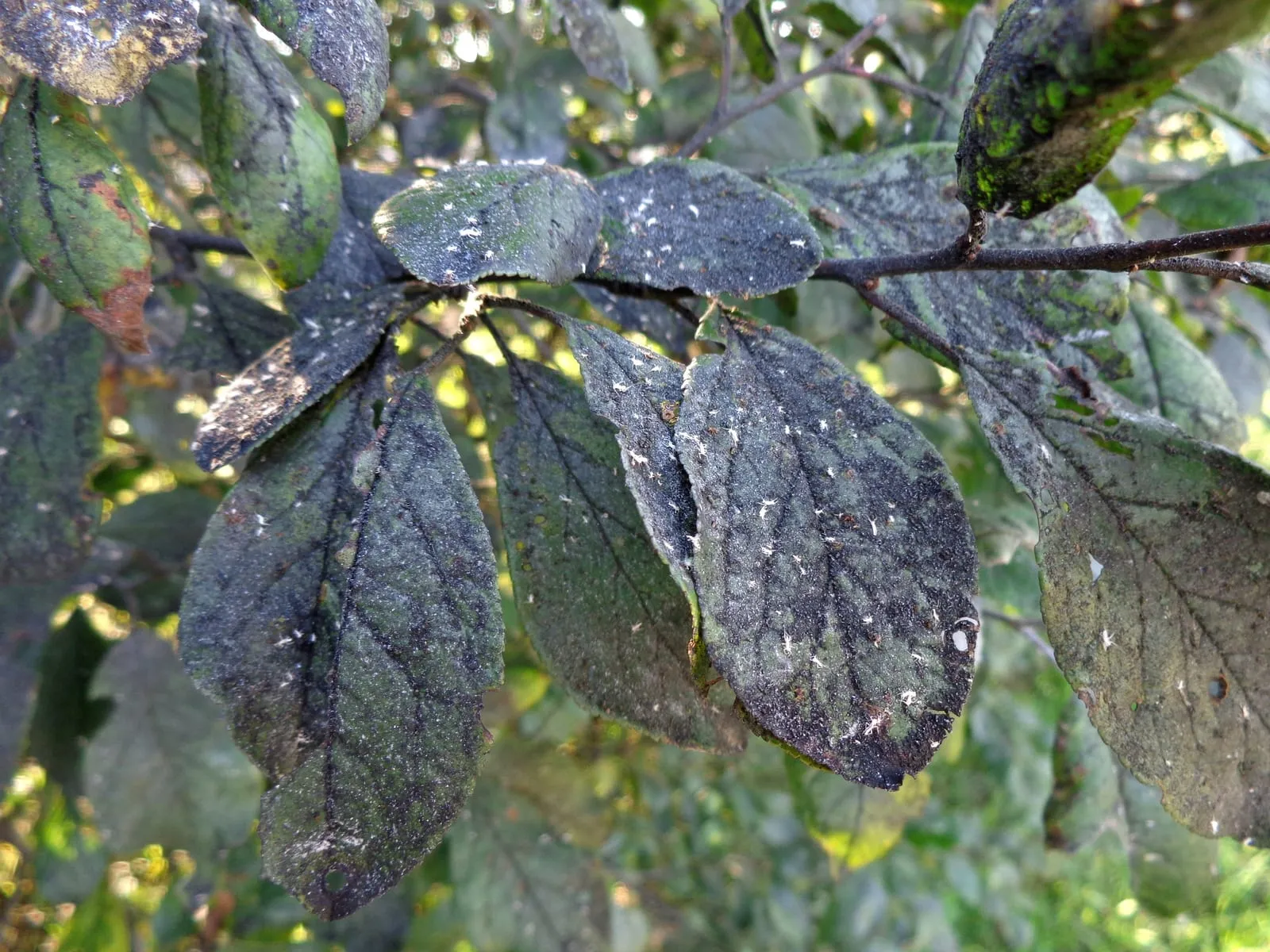
Capnodium spp.
Black fungal coating that grows on honeydew secreted by aphids, scale, mealybugs, and whiteflies. Doesn't infect plant tissue directly but blocks photosynthesis and disfigures fruit.
Modified care for zone 11a
Year-round warmth eliminates winter pest knockback, so zone 11a growers face continuous pressure from scale insects, mealybugs, and the sooty mold that follows their honeydew. A consistent monitoring schedule and early intervention matter more here than in cooler zones where winter interrupts pest cycles.
Mango anthracnose (Colletotrichum gloeosporioides) is the more serious fungal threat in zone 11a's humid conditions. The disease targets flowers and young fruit, and losses can be significant in wet bloom seasons. Copper-based fungicide applications timed to early flowering and repeated through fruit set are standard practice; keeping irrigation off foliage during bloom reduces surface wetness and disease spread. Pruning to open canopy structure improves airflow and is worth prioritizing after each harvest.
Frequently asked questions
- Do mangoes need any cold period to fruit in zone 11a?
Mango requires zero chill hours and does not need a cold dormancy period. In zone 11a, flowering is triggered by a dry spell combined with slightly cooler nights, usually in winter. Consistent warmth throughout the year is an advantage, not a problem.
- Which mango variety is best for zone 11a?
Carrie and Glenn are reliable early-season choices with compact growth habits suited to smaller yards. Keitt extends the harvest into fall and handles humid conditions reasonably well. Alphonso produces exceptional flavor in zone 11a's warm nights but is less tolerant of anthracnose pressure than some alternatives.
- How serious is anthracnose on mango in zone 11a?
Anthracnose is the primary fungal disease concern in warm, humid zones. It infects flowers and young fruit, and a wet bloom season can cause significant fruit loss. Copper fungicide applications timed to early flowering and repeated through fruit set are the standard management approach.
- When does mango harvest typically occur in zone 11a?
Harvest timing depends on variety. Early varieties like Carrie and Glenn typically ripen from May through July. Keitt, a later variety, can extend harvest into September and October. Bloom timing in December through February sets the harvest window.
+−
+−
+−
+−
Mango in adjacent zones
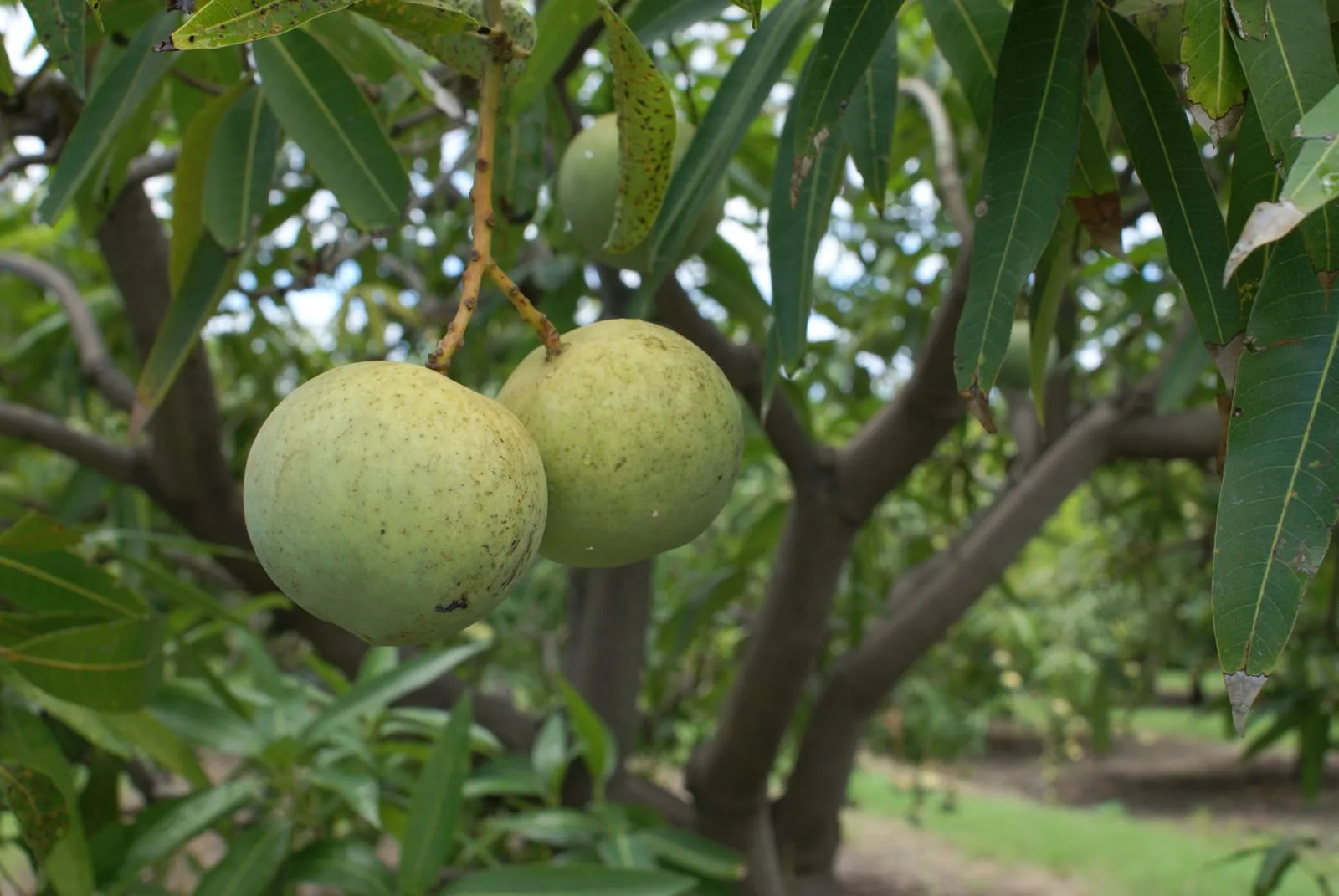
Image: "Mangifera indica var. José", by B.navez, via Wikimedia Commons, licensed under CC-BY Source.

Related