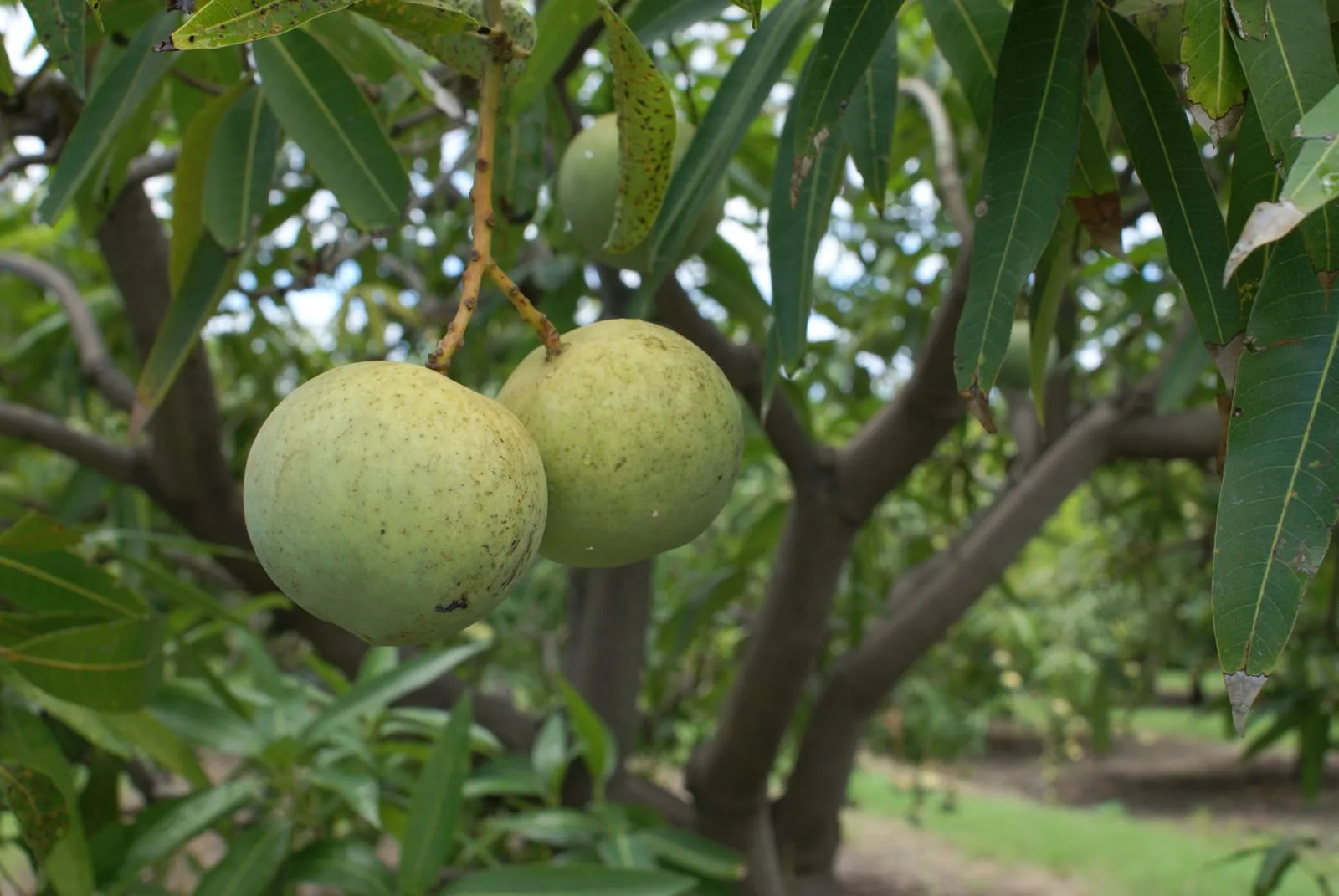
fruit tree in zone 10b
Growing mango in zone 10b
Mangifera indica
- Zone
- 10b 35°F to 40°F
- Growing season
- 365 days
- Chill needed
- 0 below 45°F
- Suitable varieties
- 4
- Days to harvest
- 120 to 180
The verdict
Zone 10b is a sweet spot for mango, not a marginal case. Mangoes require zero chill hours, and zone 10b delivers a full 365-day growing season with minimum temperatures of 35 to 40°F. That cold floor sits just above the damage threshold for established trees, which begin to suffer tissue injury below 30°F and can lose young growth in the low 30s. Most of zone 10b avoids freezing temperatures entirely in normal years, making long-term mango culture reliable without the frost anxiety that defines zone 9b.
The primary constraint in zone 10b is not cold but heat distribution and humidity, which drive the disease and pest pressure characteristic of true tropical climates. Varieties bred and selected in Florida's humid south, including Carrie, Glenn, Tommy Atkins, and Keitt, outperform varieties selected for drier tropical climates. Planting site still matters: low-lying coastal soils with poor drainage or salt intrusion can stress trees regardless of zone suitability.
Recommended varieties for zone 10b
4 cultivars suited to this zone, with disease-resistance and zone-fit annotations.
| Variety | Notes | Zone fit | Disease resistance |
|---|---|---|---|
| Carrie fits zone 10b | Tender silky flesh with intense honey-floral aroma; a fiberless eating mango that wins blind tastings. Compact tree (~10 ft) suits home yards. | |
|
| Glenn fits zone 10b | Mild sweet flesh with subtle peach-citrus notes; good introduction variety with low fiber. More disease tolerance than Tommy Atkins. | |
|
| Tommy Atkins fits zone 10b | Firm dense flesh with mild sweet flavor; the supermarket mango chosen for shipping not for taste. Highly susceptible to anthracnose. | | none noted |
| Keitt fits zone 10b | Late-season mango with smooth fiberless flesh and a subtle sweet-tart balance. Stays green when ripe; squeeze test instead of color. | |
|
Critical timing for zone 10b
In zone 10b, mango flowering typically initiates between December and February, triggered by a period of cooler, drier weather rather than any hard frost event. Panicles emerge and open from January through March in most years. The bloom window coincides with the driest, coolest part of the year, which is by design from the tree's perspective, but it also means a late cold snap in January or February can damage open flowers without freezing the wood.
Harvest timing depends heavily on variety. Early varieties like Glenn ripen in June and July. Keitt, one of the latest, extends harvest into September. The full harvest window across varieties in zone 10b runs roughly June through September, tapering off as summer rains intensify. Trees in coastal microclimates with slight temperature moderation from nearby water often bloom and harvest a week or two earlier than inland sites.
Common challenges in zone 10b
- ▸ No winter chill
- ▸ Tropical pest and disease pressure
- ▸ Saltwater intrusion in coastal soils
Disease pressure to watch for
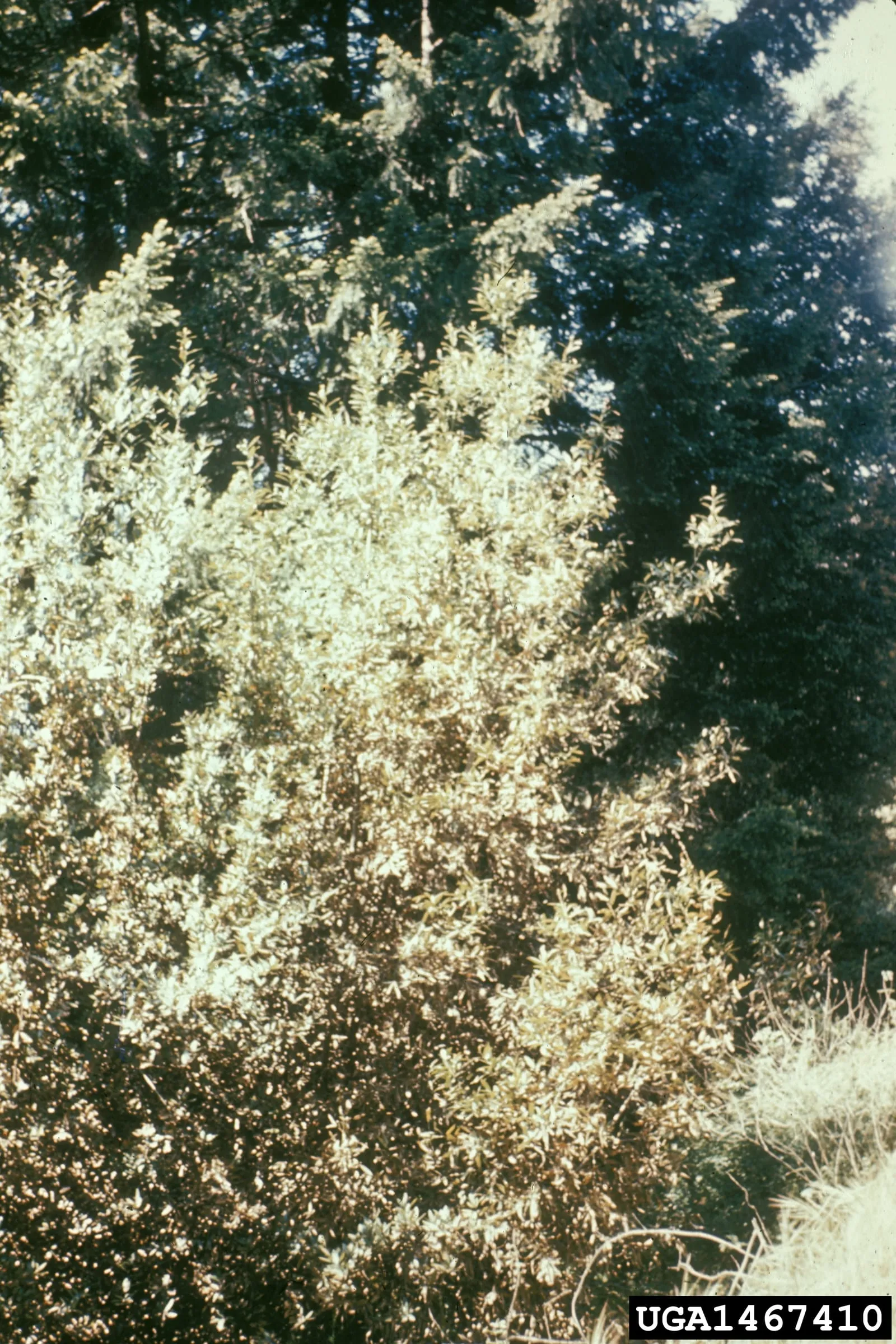
Colletotrichum gloeosporioides
Most damaging mango disease worldwide. Fungal spores infect blossoms and developing fruit during humid weather, producing black sunken lesions that expand on ripening fruit.
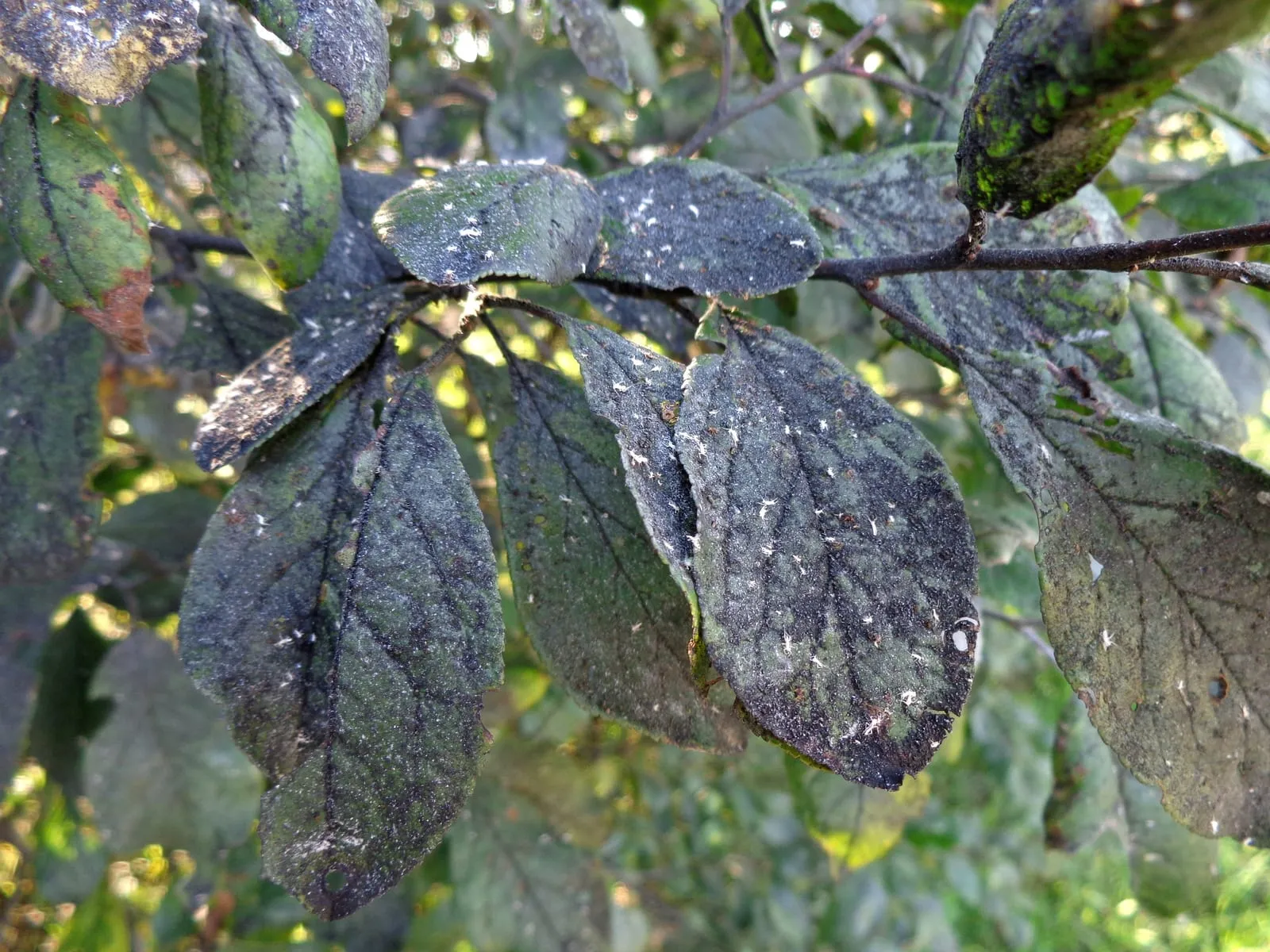
Capnodium spp.
Black fungal coating that grows on honeydew secreted by aphids, scale, mealybugs, and whiteflies. Doesn't infect plant tissue directly but blocks photosynthesis and disfigures fruit.
Modified care for zone 10b
The most consequential adjustment in zone 10b is timing fungicide applications around bloom. Mango Anthracnose is widespread wherever humidity and rainfall coincide with open flowers, and zone 10b's pattern of afternoon summer thunderstorms followed by warm nights creates near-ideal infection conditions. Copper-based fungicides applied at panicle emergence and repeated through petal fall reduce fruit infection rates significantly, though they do not eliminate the disease.
Sooty mold, which colonizes the honeydew secreted by scale insects and mealybugs, is a secondary problem that follows pest management lapses rather than climate directly. Controlling the underlying insect population removes the substrate for mold.
Young trees planted in zone 10b warrant cold protection during their first two winters; frost cloth or temporary overhead irrigation can protect them during the rare cold snap. Coastal sites with saltwater intrusion require soil amendment and elevated planting beds to keep roots above the saline water table.
Frequently asked questions
- Can mango survive a cold snap in zone 10b?
Established trees tolerate brief dips to the low 30s with minimal damage, typically losing only tender new growth. Young trees under three years old are more vulnerable and benefit from frost cloth or overhead irrigation protection when temperatures approach 32°F. Zone 10b rarely sees freezing temperatures, but it does happen in cold winters.
- Which mango varieties perform best in zone 10b?
Carrie, Glenn, Tommy Atkins, and Keitt are all proven performers in zone 10b's humid subtropical climate. Carrie and Glenn are particularly valued for polyembryonic seedling consistency and moderate anthracnose resistance. Tommy Atkins is widely available commercially but has lower flavor ratings than the others among growers familiar with fresh-harvested fruit.
- How serious is anthracnose on mango in zone 10b?
Anthracnose is the defining disease management challenge for mango in zone 10b. It infects flowers and young fruit during wet weather, causing fruit to develop black spots and rot before or shortly after ripening. Copper fungicides applied from panicle emergence through fruit set are the standard management approach; untreated trees in humid coastal locations can lose a significant portion of the crop in wet flowering seasons.
- Does mango need any special soil preparation in zone 10b?
On well-drained sites, mangoes are not demanding about soil type. The main concern specific to zone 10b is coastal low-lying sites where saltwater intrusion raises the water table. In those locations, mounded planting beds 18 to 24 inches above grade keep roots out of the saline zone and improve drainage during the summer rainy season.
+−
+−
+−
+−
Mango in adjacent zones
Image: "Mangifera indica var. José", by B.navez, via Wikimedia Commons, licensed under CC-BY Source.

Related