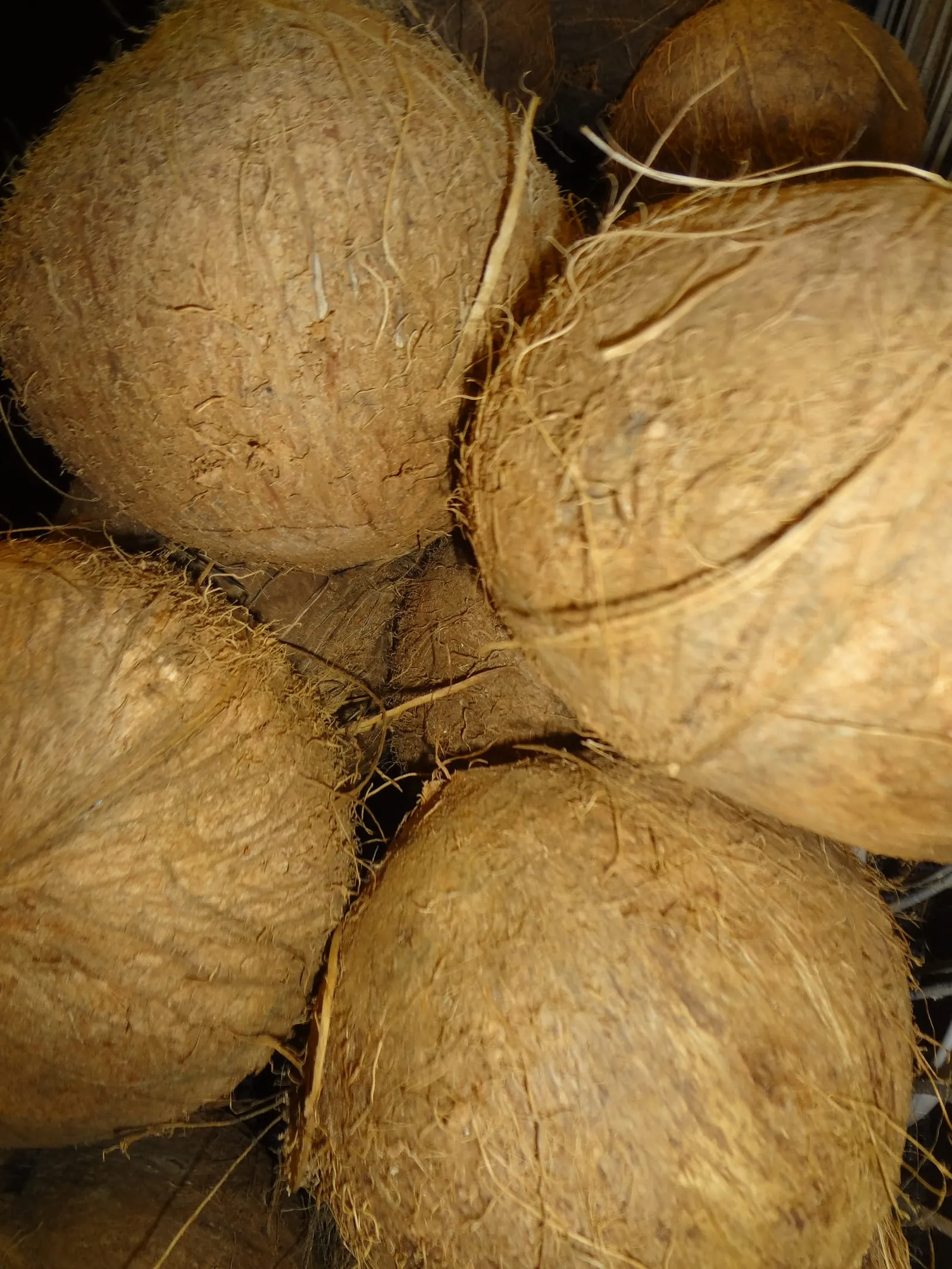
fruit tree in zone 13a
Growing coconut in zone 13a
Cocos nucifera
- Zone
- 13a 60°F to 65°F
- Growing season
- 365 days
- Chill needed
- 0 below 45°F
- Suitable varieties
- 3
- Days to harvest
- 365
The verdict
Zone 13a is a genuine sweet spot for coconut, not a marginal zone. With minimum temperatures holding between 60 and 65°F and a 365-day growing season, this zone matches coconut's tropical requirements as closely as any US climate can. Coconut requires zero chill hours and is damaged by temperatures below 32°F; zone 13a eliminates cold risk entirely.
The three listed varieties, Malayan Dwarf, Maypan, and Fiji Dwarf, are well-suited to sustained tropical heat. Malayan Dwarf and Fiji Dwarf have demonstrated solid performance in humid tropical conditions with minimal temperature fluctuation. Maypan, a hybrid developed in Jamaica, tolerates heat and humidity and carries partial resistance to lethal yellowing disease, which can be a concern in some tropical zones.
The primary constraints in zone 13a are not cold but rather sustained irrigation demand and localized heat stress during peak summer months. Coconut handles heat better than many tropical crops, but consistent soil moisture is non-negotiable.
Recommended varieties for zone 13a
3 cultivars suited to this zone, with disease-resistance and zone-fit annotations.
| Variety | Notes | Zone fit | Disease resistance |
|---|---|---|---|
| Malayan Dwarf fits zone 13a | Compact 30-40 foot palm with consistent fruit set and good lethal-yellowing tolerance; the home-yard standard. Bears in 5-6 years from planting. | | none noted |
| Maypan fits zone 13a | Hybrid (Malayan x Panama Tall) with the disease tolerance of Malayan and the larger fruit of Panama. Industry workhorse in Caribbean replanting. | | none noted |
| Fiji Dwarf fits zone 13a | Highly resistant to lethal yellowing with sweet water and good kernel; the recovery variety after disease wiped out other dwarfs. Slow to bear (8+ years). | | none noted |
Critical timing for zone 13a
In zone 13a, coconut palms bloom continuously rather than in a defined annual flush. A mature palm produces a new inflorescence every three to four weeks under favorable conditions, with flowers present at multiple stages simultaneously on the same tree.
Frost timing is irrelevant in zone 13a, which is one of the clearest advantages of this zone for coconut culture. Fruit development runs approximately 12 months from pollination to maturity, meaning harvestable nuts are available year-round on a productive palm. Planting time is flexible, though establishing new palms during the cooler, lower-evapotranspiration months reduces transplant stress and irrigation demand during the critical first year.
Common challenges in zone 13a
- ▸ Heat stress on most crops
- ▸ Year-round irrigation
- ▸ Limited cultivar selection
Modified care for zone 13a
Irrigation is the primary management lever in zone 13a. Mature coconut palms require roughly 50 gallons of water per week during dry periods, and zone 13a's year-round growing season means there is no cool-season respite from that demand. Drip irrigation at the root zone is more efficient than overhead watering and reduces foliar moisture that can contribute to sooty mold development.
Sooty mold is a secondary fungal growth that colonizes the honeydew secreted by sap-feeding insects, particularly aphids, mealybugs, and scale. Control focuses on the insect vector rather than the mold itself. Monitoring for scale colonies on frond bases and treating with horticultural oil reduces mold incidence.
No winter protection is needed in zone 13a, which simplifies care considerably compared to growers in zones 9b or 10a who must manage cold events. Fertilization with a palm-specific blend that includes magnesium, potassium, and boron supports consistent frond and inflorescence production in the nutrient-limited sandy soils common to tropical zones.
Frequently asked questions
- Can coconut palms survive zone 13a winters?
Yes, without any intervention. Zone 13a minimum temperatures of 60 to 65°F are well above the cold threshold for coconut. Unlike growers in zones 9b through 11, zone 13a growers have no frost risk to manage.
- Which coconut variety performs best in zone 13a?
Malayan Dwarf and Fiji Dwarf both handle sustained tropical heat reliably. Maypan is worth considering if lethal yellowing disease has been documented in the local area, as it carries partial resistance. All three are preferable to tall varieties for home growers because they bear fruit at a more reachable height.
- How often does a coconut palm produce fruit in zone 13a?
A mature palm in continuous tropical conditions produces a new flower cluster roughly every three to four weeks and can yield 50 to 200 nuts per year depending on variety, soil fertility, and irrigation. The year-round growing season in zone 13a means no seasonal production gap.
- What causes the black coating on coconut fronds?
Sooty mold, a fungal growth that feeds on honeydew deposited by sap-sucking insects. The mold itself does not infect the plant directly, but heavy coverage reduces photosynthesis. Addressing the underlying insect population, typically aphids, scale, or mealybugs, is the effective control strategy.
+−
+−
+−
+−
Coconut in adjacent zones
Image: "Coconut (Cocos nucifera)", by David Adam Kess, via Wikimedia Commons, licensed under CC-BY Source.
.JPG)
Related