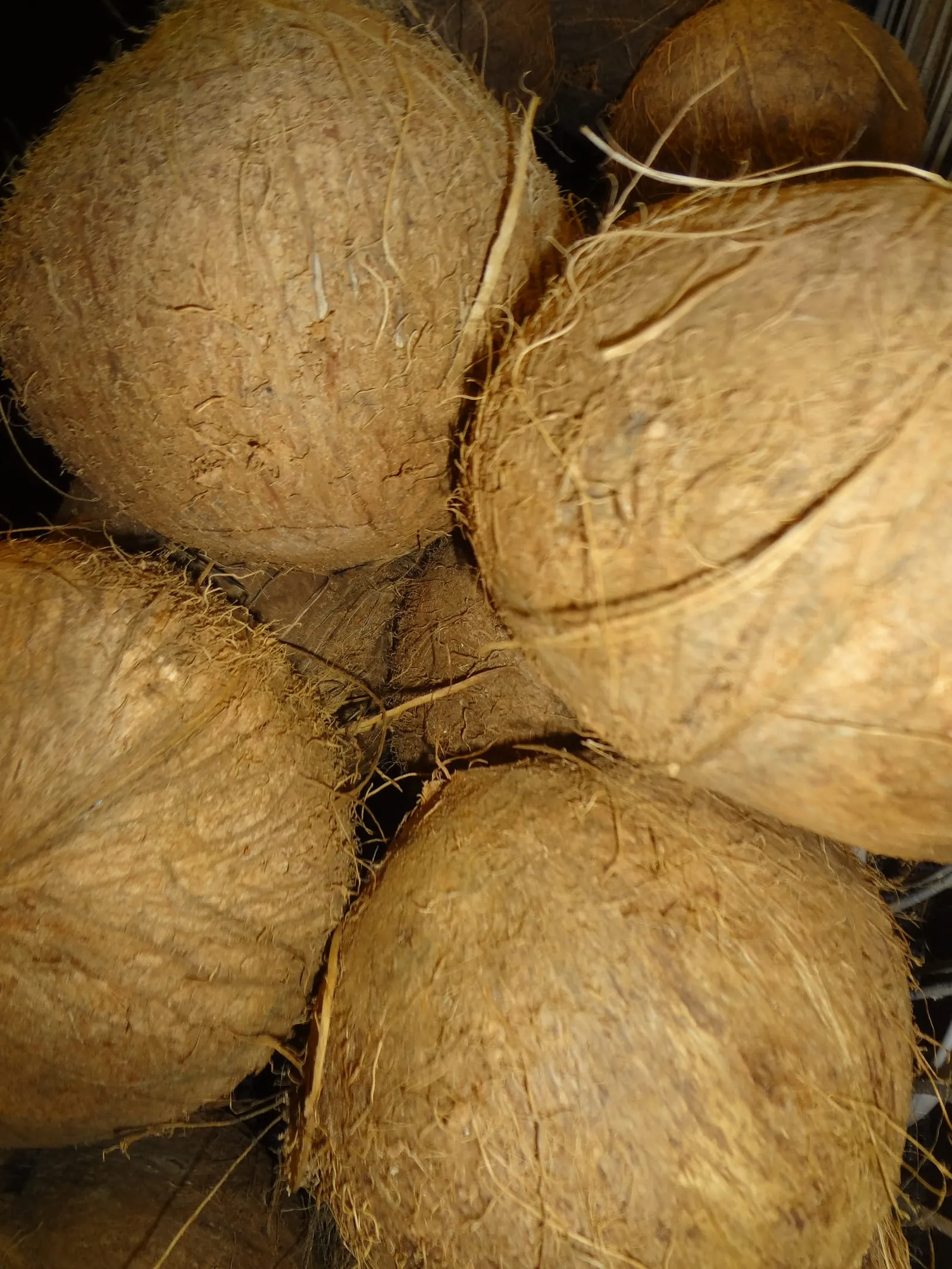
fruit tree in zone 13b
Growing coconut in zone 13b
Cocos nucifera
- Zone
- 13b 65°F to 70°F
- Growing season
- 365 days
- Chill needed
- 0 below 45°F
- Suitable varieties
- 3
- Days to harvest
- 365
The verdict
Zone 13b is among the most hospitable zones in the USDA system for coconut (Cocos nucifera), which requires zero chill hours and performs best where minimum temperatures stay above 50°F year-round. With a zone floor of 65 to 70°F and a 365-day growing season, this is not a marginal situation for coconut: it is the intended climate. The crop originates in equatorial lowland tropics and is intolerant of sustained cold; even a brief dip below 40°F can cause leaf scorch and tip dieback in young trees. Zone 13b eliminates that risk entirely.
The persistent heat that characterizes this zone can create stress during dry periods, but coconut handles high temperatures better than most tropical tree crops provided soil moisture is maintained. Of the compatible varieties, Malayan Dwarf and Fiji Dwarf are particularly well-matched to the humid tropics, while Maypan offers a degree of resistance to lethal yellowing disease, which is relevant in some zone 13b locations.
Recommended varieties for zone 13b
3 cultivars suited to this zone, with disease-resistance and zone-fit annotations.
| Variety | Notes | Zone fit | Disease resistance |
|---|---|---|---|
| Malayan Dwarf fits zone 13b | Compact 30-40 foot palm with consistent fruit set and good lethal-yellowing tolerance; the home-yard standard. Bears in 5-6 years from planting. | | none noted |
| Maypan fits zone 13b | Hybrid (Malayan x Panama Tall) with the disease tolerance of Malayan and the larger fruit of Panama. Industry workhorse in Caribbean replanting. | | none noted |
| Fiji Dwarf fits zone 13b | Highly resistant to lethal yellowing with sweet water and good kernel; the recovery variety after disease wiped out other dwarfs. Slow to bear (8+ years). | | none noted |
Critical timing for zone 13b
Coconut palms in zone 13b do not follow a defined seasonal bloom calendar the way temperate fruit trees do. Healthy, mature palms produce inflorescences continuously throughout the year, typically at monthly intervals once the tree reaches bearing age (3 to 6 years for dwarf varieties, up to 10 for talls). Individual nuts require approximately 12 months from pollination to full maturity, meaning harvests occur on a rolling basis rather than in a concentrated seasonal window.
Frost timing is irrelevant in zone 13b: with minimum temperatures of 65 to 70°F, no frost risk intersects with any stage of coconut development. The primary timing consideration is irrigation during dry-season months, when reduced rainfall can slow fruit development and reduce nut size at harvest.
Common challenges in zone 13b
- ▸ Persistent heat stress
- ▸ No traditional temperate fruit
- ▸ Specialized horticulture
Modified care for zone 13b
The main adjustment for zone 13b growers is managing the consequences of persistent heat and humidity rather than cold. Sooty mold, a fungal surface growth that colonizes the honeydew secreted by aphids, scales, and mealybugs, is the primary disease concern listed for this combination. The mold itself does not infect plant tissue directly, but heavy deposits reduce photosynthesis in fronds and signal an underlying pest infestation. Control focuses on the sucking insects producing the honeydew; once populations are suppressed, sooty mold weathers off within a few weeks.
Water management matters more in zone 13b than in cooler tropical zones. Coconut palms experiencing heat stress without adequate soil moisture show reduced nut set and premature nut drop. Mature palms benefit from deep, infrequent irrigation during dry stretches rather than shallow daily watering. No winter protection is needed at any point in zone 13b.
Frequently asked questions
- Can coconut palms grow in USDA zone 13b?
Yes. Zone 13b's year-round warmth, zero frost risk, and 365-day growing season make it one of the best zones in the continental US system for coconut production. The crop requires no chill hours and thrives where minimum temperatures stay above 50°F.
- Which coconut variety performs best in zone 13b?
Malayan Dwarf and Fiji Dwarf are well-adapted to humid tropical conditions typical of zone 13b. Maypan is worth considering where lethal yellowing disease has been documented locally, as it carries resistance to that pathogen.
- How do you control sooty mold on coconut palms?
Sooty mold grows on honeydew produced by sucking insects such as aphids, scales, and mealybugs. The effective approach is treating the insect infestation with horticultural oil or insecticidal soap rather than targeting the mold directly. The mold dissipates once the honeydew source is eliminated.
- When do coconut palms in zone 13b produce fruit?
Mature palms produce continuously, with inflorescences emerging roughly monthly and nuts reaching full size approximately 12 months after pollination. There is no defined harvest season in zone 13b; production cycles year-round.
+−
+−
+−
+−
Coconut in adjacent zones
Image: "Coconut (Cocos nucifera)", by David Adam Kess, via Wikimedia Commons, licensed under CC-BY Source.
.JPG)
Related