fruit tree in zone 12b
Growing coconut in zone 12b
Cocos nucifera
- Zone
- 12b 55°F to 60°F
- Growing season
- 365 days
- Chill needed
- 0 below 45°F
- Suitable varieties
- 3
- Days to harvest
- 365
The verdict
Zone 12b sits at the warm end of the USDA scale, with minimum temperatures holding between 55 and 60°F and a full 365-day growing season. For coconut, this is a genuine sweet spot rather than a marginal situation. Coconut requires zero chill hours and is damaged by temperatures below 32°F; zone 12b delivers neither frost nor any meaningful chilling, which aligns precisely with the crop's tropical origins.
Among the three varieties listed, Malayan Dwarf, Maypan, and Fiji Dwarf all perform reliably in true tropical conditions. Maypan was specifically selected for disease tolerance in warm lowland environments, making it a practical first choice where lethal yellowing is a regional concern. Fiji Dwarf is slower to establish but valued for its compact habit in smaller yards.
The primary constraints in zone 12b are not temperature-related. Pest pressure runs uninterrupted through the year, and cultivar selection matters more here than cold hardiness ever would.
Recommended varieties for zone 12b
3 cultivars suited to this zone, with disease-resistance and zone-fit annotations.
| Variety | Notes | Zone fit | Disease resistance |
|---|---|---|---|
| Malayan Dwarf fits zone 12b | Compact 30-40 foot palm with consistent fruit set and good lethal-yellowing tolerance; the home-yard standard. Bears in 5-6 years from planting. | | none noted |
| Maypan fits zone 12b | Hybrid (Malayan x Panama Tall) with the disease tolerance of Malayan and the larger fruit of Panama. Industry workhorse in Caribbean replanting. | | none noted |
| Fiji Dwarf fits zone 12b | Highly resistant to lethal yellowing with sweet water and good kernel; the recovery variety after disease wiped out other dwarfs. Slow to bear (8+ years). | | none noted |
Critical timing for zone 12b
In zone 12b, coconut palms have no distinct seasonal bloom window tied to temperature or day length. Once a palm reaches flowering maturity (typically 3 to 6 years from transplant for dwarf types, longer for talls), it produces inflorescences continuously and overlapping, with no frost-imposed dormancy to interrupt the cycle.
Harvest timing depends on the intended use. Green drinking coconuts are ready roughly 6 to 7 months after pollination. Mature dry coconuts for meat and oil require 11 to 12 months on the palm. Because flowering is staggered year-round, palms at full production yield harvestable fruit in every month. Growers track individual inflorescences rather than seasonal windows. In zone 12b there is no bloom period vulnerable to frost, which removes the primary timing risk that constrains coconut production in cooler or more marginal climates.
Common challenges in zone 12b
- ▸ No chilling for temperate fruit
- ▸ Pest pressure year-round
- ▸ Specialized cultivar selection
Modified care for zone 12b
The main adaptation required in zone 12b is shifting attention from cold protection to year-round pest and disease management. Sooty mold, caused by fungi growing on honeydew secreted by scale insects, mealybugs, and aphids, is a persistent issue in warm humid climates with no winter die-back to interrupt pest populations. Managing the underlying insect infestations, rather than treating the mold directly, is the more effective approach.
Fertilization can follow a more aggressive schedule than in cooler climates; palms in continuous growth benefit from applications every 3 to 4 months using a palm-specific formulation that includes magnesium and boron, both commonly deficient in sandy tropical soils. Irrigation management depends on local rainfall patterns. In zones with a pronounced dry season, supplemental watering during establishment (the first 2 to 3 years) significantly improves survival and early growth rates. Mulching the root zone conserves moisture and moderates soil temperature during dry spells.
Coconut in adjacent zones
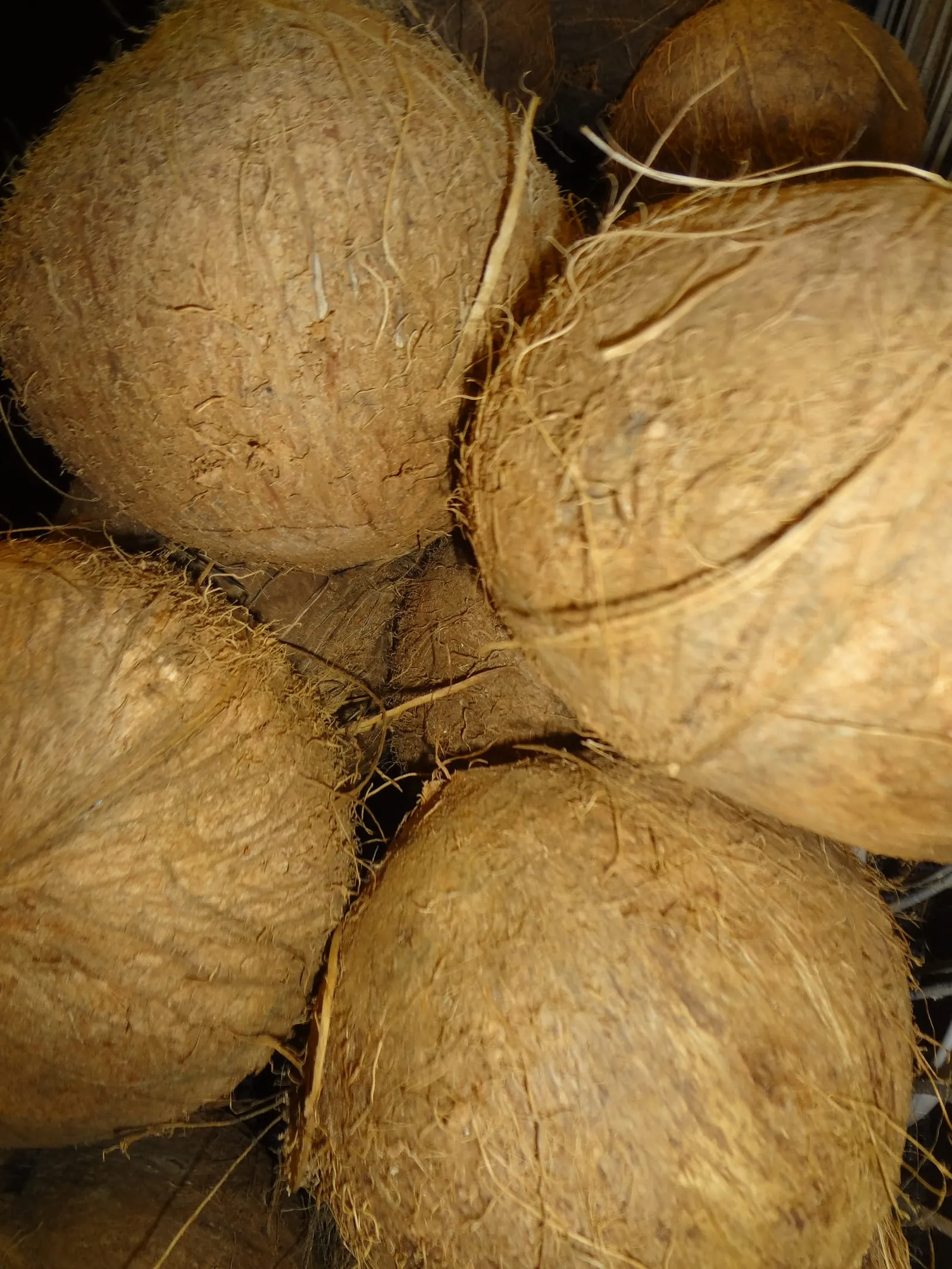
Image: "Coconut (Cocos nucifera)", by David Adam Kess, via Wikimedia Commons, licensed under CC-BY Source.
.JPG)
Related