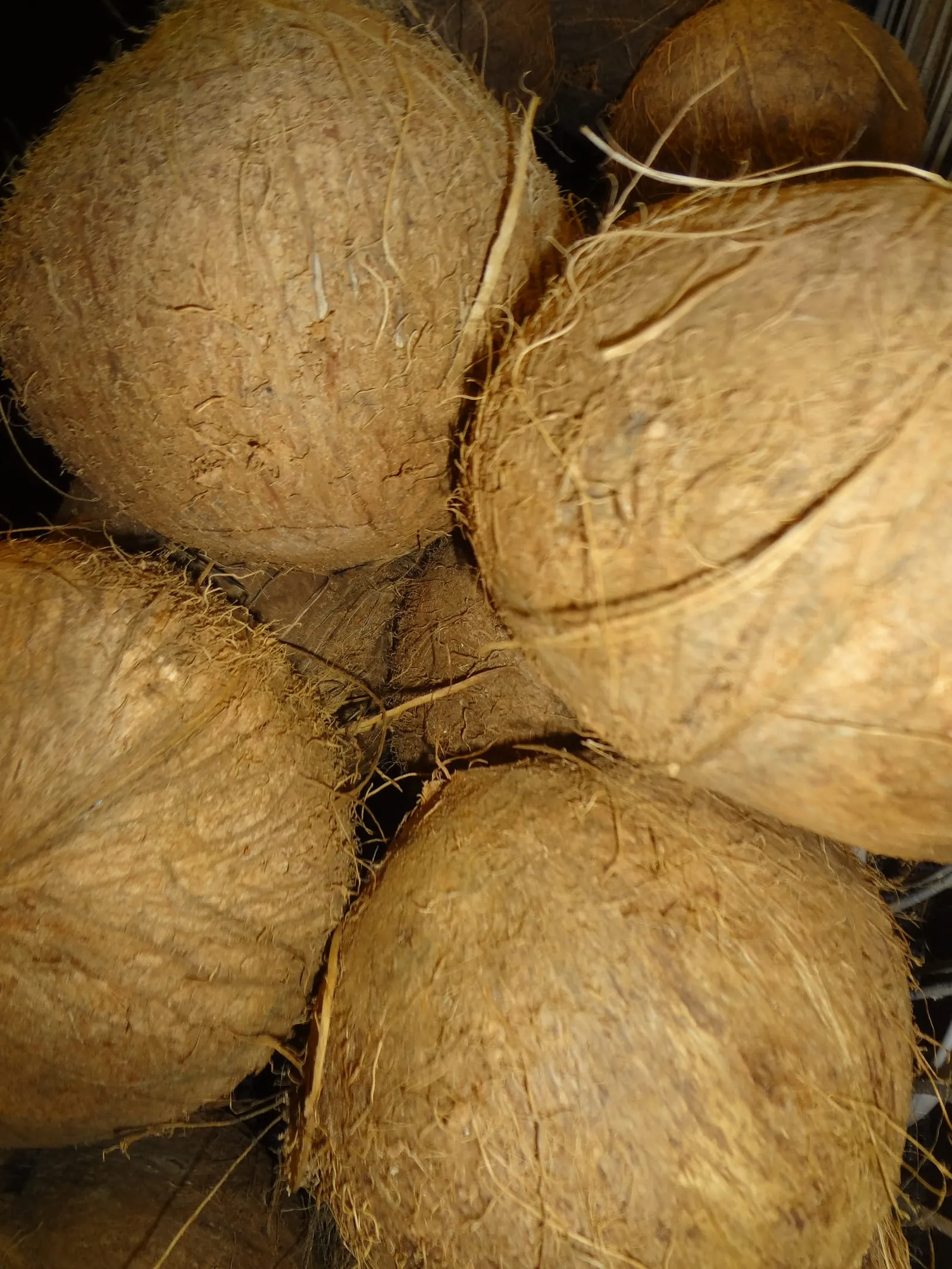
fruit tree in zone 12a
Growing coconut in zone 12a
Cocos nucifera
- Zone
- 12a 50°F to 55°F
- Growing season
- 365 days
- Chill needed
- 0 below 45°F
- Suitable varieties
- 3
- Days to harvest
- 365
The verdict
Zone 12a, with minimum winter temperatures between 50 and 55°F, is a genuine sweet spot for coconut rather than a marginal case. The crop requires zero chill hours, so there is no dormancy requirement to satisfy and no risk of insufficient cold accumulation limiting fruiting. With a 365-day growing season, palms face none of the truncation that reduces productivity in cooler tropical zones. Malayan Dwarf, Maypan, and Fiji Dwarf are all well-matched to zone 12a conditions, with Maypan carrying specific resistance to lethal yellowing, which has historically devastated coconut populations in the Caribbean and South Florida. The binding constraints in zone 12a are not thermal: hurricane exposure and sustained tropical pest and disease pressure require active management, but neither represents a fundamental incompatibility. Growers here can expect palms to establish, flower, and produce reliably without cold-weather contingency planning of any kind.
Recommended varieties for zone 12a
3 cultivars suited to this zone, with disease-resistance and zone-fit annotations.
| Variety | Notes | Zone fit | Disease resistance |
|---|---|---|---|
| Malayan Dwarf fits zone 12a | Compact 30-40 foot palm with consistent fruit set and good lethal-yellowing tolerance; the home-yard standard. Bears in 5-6 years from planting. | | none noted |
| Maypan fits zone 12a | Hybrid (Malayan x Panama Tall) with the disease tolerance of Malayan and the larger fruit of Panama. Industry workhorse in Caribbean replanting. | | none noted |
| Fiji Dwarf fits zone 12a | Highly resistant to lethal yellowing with sweet water and good kernel; the recovery variety after disease wiped out other dwarfs. Slow to bear (8+ years). | | none noted |
Critical timing for zone 12a
Coconut palms in zone 12a flower continuously throughout the year, producing a new inflorescence roughly once per month on healthy, well-nourished trees. From successful pollination to a harvestable nut runs approximately 12 months, so mature fruit is available in every calendar month on an established palm. There is no frost window in zone 12a that intersects with bloom timing; minimum temperatures staying above 50°F year-round mean cold is not a scheduling factor. Young palms typically begin flowering at 4 to 6 years after planting, depending on variety, soil fertility, and irrigation consistency. Dwarf varieties tend toward the shorter end of that range. The year-round production cycle shifts the management focus away from seasonal windows and toward ongoing irrigation, fertilization, and harvest scheduling.
Common challenges in zone 12a
- ▸ No temperate species
- ▸ Tropical pest and disease pressure
- ▸ Hurricane exposure
Modified care for zone 12a
The primary adaptations in zone 12a involve hurricane preparation and disease management rather than cold protection. Palms in exposed coastal positions benefit from siting near windbreaks where feasible; dwarf selections like Malayan Dwarf and Fiji Dwarf carry lower wind-throw risk than tall varieties due to their reduced height and lower center of gravity. Sooty mold, which colonizes honeydew deposited by sap-feeding insects including mealybugs and scale, can be persistent under the humid, high-temperature conditions typical of zone 12a. Suppressing the underlying pest population with horticultural oil applications is more effective than treating the mold directly. Broader tropical pest pressure warrants regular inspection of fronds, flower clusters, and the bud crown, as the warm growing season accelerates pest population cycles. Palms in zone 12a also benefit from a complete fertilizer program that includes potassium and boron, both of which are commonly deficient in the sandy, low-organic soils common to coastal zone 12a sites.
Coconut in adjacent zones
Image: "Coconut (Cocos nucifera)", by David Adam Kess, via Wikimedia Commons, licensed under CC-BY Source.
.JPG)
Related