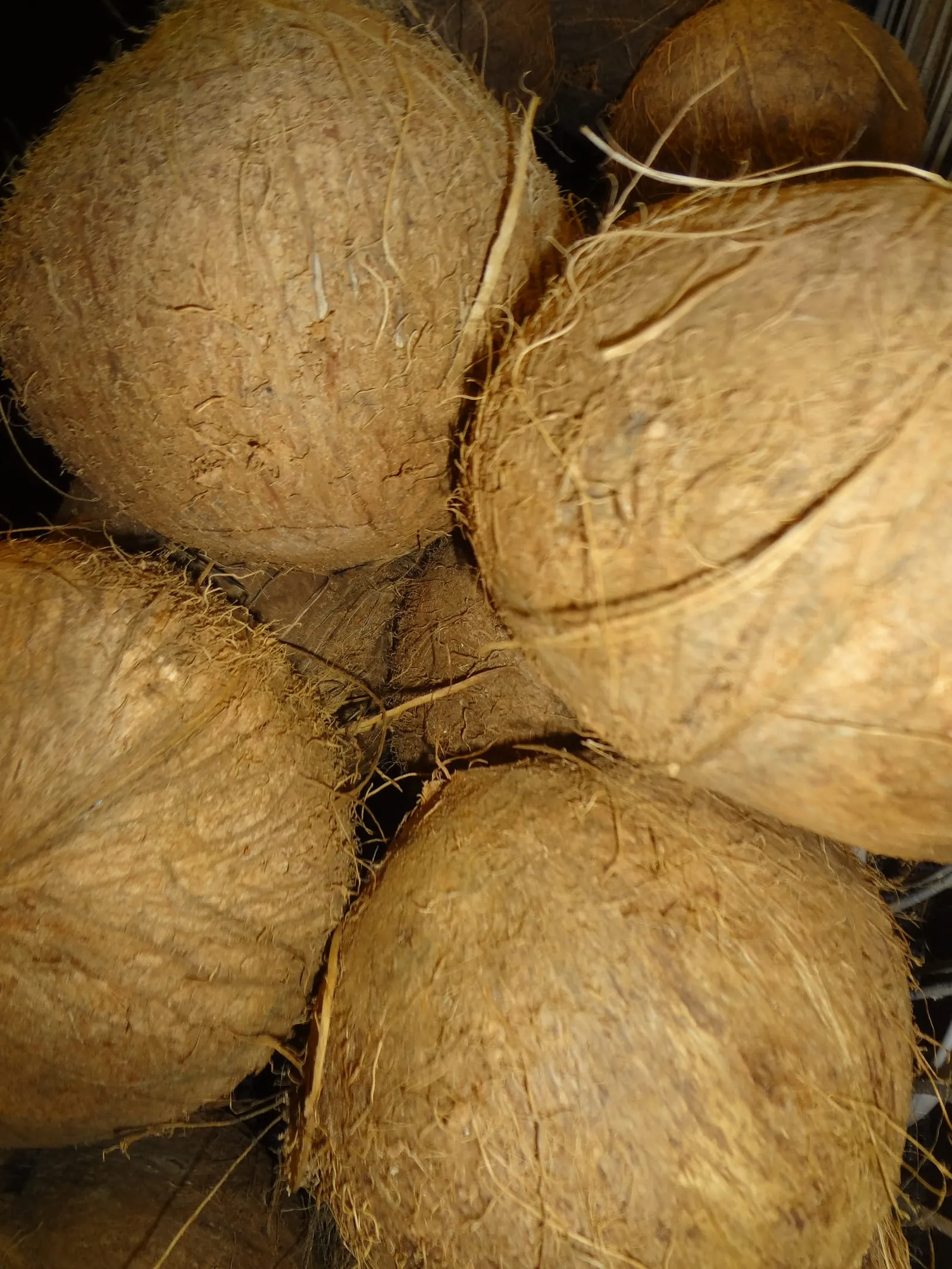
fruit tree in zone 11b
Growing coconut in zone 11b
Cocos nucifera
- Zone
- 11b 45°F to 50°F
- Growing season
- 365 days
- Chill needed
- 0 below 45°F
- Suitable varieties
- 3
- Days to harvest
- 365
The verdict
Zone 11b is a genuine sweet spot for coconut. With minimum winter temperatures of 45 to 50°F and a 365-day growing season, the zone matches coconut's requirements almost precisely. Coconut palms require zero chill hours and are intolerant of frost; zone 11b delivers on both counts. Unlike marginal zones where cold snaps can set back or kill young palms, established coconuts in 11b face no meaningful cold stress.
Varieties like Malayan Dwarf, Maypan, and Fiji Dwarf are all well-suited here. Maypan, bred in part for Lethal Yellowing resistance, is particularly worth considering in south Florida and the Caribbean where that disease is active. Fiji Dwarf and Malayan Dwarf are compact choices for smaller lots. The main limiting factor in 11b is not temperature but rather soil drainage, salt spray exposure near the coast, and sustained pest pressure that comes with year-round warmth.
Recommended varieties for zone 11b
3 cultivars suited to this zone, with disease-resistance and zone-fit annotations.
| Variety | Notes | Zone fit | Disease resistance |
|---|---|---|---|
| Malayan Dwarf fits zone 11b | Compact 30-40 foot palm with consistent fruit set and good lethal-yellowing tolerance; the home-yard standard. Bears in 5-6 years from planting. | | none noted |
| Maypan fits zone 11b | Hybrid (Malayan x Panama Tall) with the disease tolerance of Malayan and the larger fruit of Panama. Industry workhorse in Caribbean replanting. | | none noted |
| Fiji Dwarf fits zone 11b | Highly resistant to lethal yellowing with sweet water and good kernel; the recovery variety after disease wiped out other dwarfs. Slow to bear (8+ years). | | none noted |
Critical timing for zone 11b
Mature coconut palms in zone 11b produce inflorescences continuously, cycling through bloom and fruit development throughout the year rather than following a seasonal flush. A single palm may carry multiple stages simultaneously: open flowers, young green nuts, and near-mature brown nuts on different fronds at once.
For green coconuts harvested for water, the window is roughly 6 to 7 months after pollination. Mature nuts for copra or dried flesh take closer to 12 months. Because zone 11b carries no frost risk, harvest timing is entirely demand-driven rather than weather-constrained. Growers can harvest opportunistically or set a regular harvest schedule. Wind events during hurricane season (June through November in most of zone 11b's range) represent a more practical harvest disruption than cold.
Common challenges in zone 11b
- ▸ Year-round pest pressure
- ▸ Salt spray near coasts
- ▸ No winter dormancy for traditional temperate species
Modified care for zone 11b
The primary care adjustments in zone 11b center on pest management and soil nutrition rather than cold protection. Year-round warmth sustains continuous scale insect populations, and scale honeydew directly enables sooty mold buildup on fronds and fruit. Monitor regularly and address scale infestations early; a strong biological control program using parasitic wasps can reduce chemical intervention needs.
Coastal 11b growers should account for salt spray. Coconuts tolerate moderate salinity well, but heavy, sustained spray on young palms or fronds can cause tip burn and reduce fruit set. A windbreak or site selection away from direct ocean exposure helps. Magnesium and potassium deficiencies are common in the sandy, fast-draining soils typical of 11b locations; a palm-specific fertilizer applied on a quarterly schedule addresses this more reliably than annual applications.
Coconut in adjacent zones
Image: "Coconut (Cocos nucifera)", by David Adam Kess, via Wikimedia Commons, licensed under CC-BY Source.
.JPG)
Related