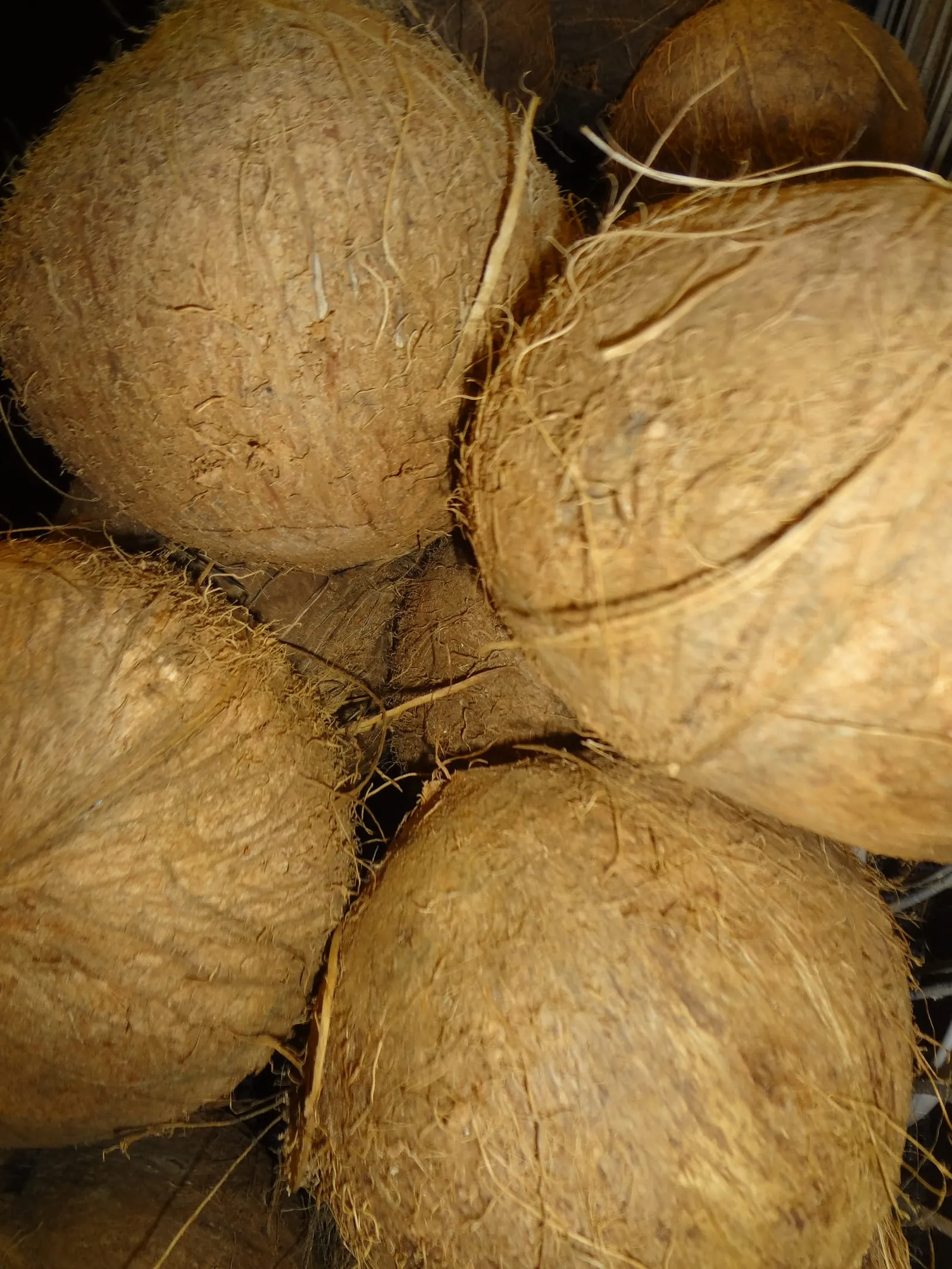
fruit tree in zone 11a
Growing coconut in zone 11a
Cocos nucifera
- Zone
- 11a 40°F to 45°F
- Growing season
- 365 days
- Chill needed
- 0 below 45°F
- Suitable varieties
- 3
- Days to harvest
- 365
The verdict
Zone 11a is a genuine sweet spot for coconut, not a marginal case. Coconut palm (Cocos nucifera) requires zero chill hours and cannot tolerate sustained temperatures below freezing; zone 11a's minimum winter range of 40 to 45°F keeps well above the damage threshold. The 365-day growing season eliminates the frost-timing constraints that make coconut impossible in cooler zones.
All three varieties listed for this zone (Malayan Dwarf, Maypan, and Fiji Dwarf) perform reliably in this thermal range. Malayan Dwarf and Fiji Dwarf are compact enough for residential lots and begin producing in 3 to 5 years from transplant. Maypan was specifically bred for disease resistance and performs well in humid tropical conditions typical of zone 11a. The main limiting factors here are not temperature but rather soil drainage, sustained wind exposure, and year-round pest pressure rather than any question of cold hardiness.
Recommended varieties for zone 11a
3 cultivars suited to this zone, with disease-resistance and zone-fit annotations.
| Variety | Notes | Zone fit | Disease resistance |
|---|---|---|---|
| Malayan Dwarf fits zone 11a | Compact 30-40 foot palm with consistent fruit set and good lethal-yellowing tolerance; the home-yard standard. Bears in 5-6 years from planting. | | none noted |
| Maypan fits zone 11a | Hybrid (Malayan x Panama Tall) with the disease tolerance of Malayan and the larger fruit of Panama. Industry workhorse in Caribbean replanting. | | none noted |
| Fiji Dwarf fits zone 11a | Highly resistant to lethal yellowing with sweet water and good kernel; the recovery variety after disease wiped out other dwarfs. Slow to bear (8+ years). | | none noted |
Critical timing for zone 11a
In zone 11a, coconut palms do not follow a single defined bloom season. Established palms produce inflorescences continuously throughout the year, with individual palms cycling through bloom and fruit development on a roughly 12-month per-bunch timeline. Harvest timing varies by variety: Malayan Dwarf and Fiji Dwarf produce drinking-stage nuts at roughly 6 to 7 months post-pollination, while full maturity for copra or seed runs 11 to 12 months. Because there is no frost risk, bloom is not compressed into a narrow window. Growers can expect overlapping fruit development stages on a single palm at any given time, which distributes harvest labor across the year rather than concentrating it seasonally.
Common challenges in zone 11a
- ▸ No temperate fruit potential
- ▸ Year-round pest pressure
- ▸ Specialized crop selection
Modified care for zone 11a
Year-round growing conditions bring year-round pest and disease pressure, which is the primary management adjustment in zone 11a compared to seasonally cooler parts of the coconut range. Sooty mold, caused by fungal growth on honeydew secreted by scale insects and mealybugs, is the most common foliar issue. Controlling the underlying insect populations (rather than treating the mold directly) is the effective approach. Inspect leaf bases and the rachis of developing inflorescences monthly.
No winter protection is needed. Irrigation matters during any prolonged dry periods since sandy, fast-draining soils typical of zone 11a can stress palms during drought. Potassium deficiency is common in high-pH soils; a soil test before fertilizing guides appropriate amendments. Consistent fertilization with a palm-specific blend that includes micronutrients (boron, manganese) reduces the deficiency symptoms that can mimic disease.
Coconut in adjacent zones
Image: "Coconut (Cocos nucifera)", by David Adam Kess, via Wikimedia Commons, licensed under CC-BY Source.
.JPG)
Related