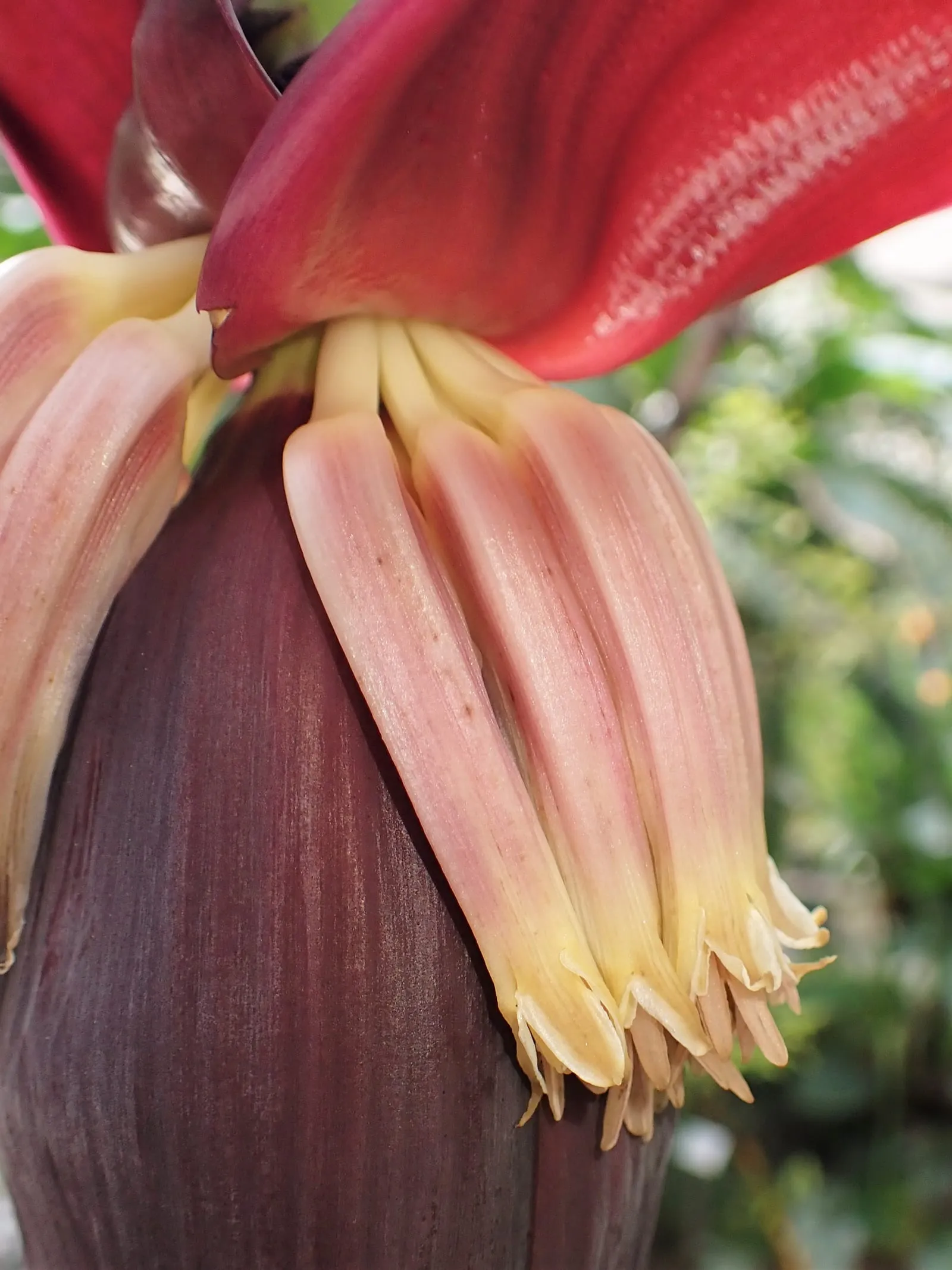
fruit tree in zone 13a
Growing banana in zone 13a
Musa acuminata
- Zone
- 13a 60°F to 65°F
- Growing season
- 365 days
- Chill needed
- 0 below 45°F
- Suitable varieties
- 4
- Days to harvest
- 270 to 365
The verdict
Zone 13a is among the most hospitable climates for banana in the continental and island United States. With minimum winter temperatures holding between 60 and 65°F and a 365-day growing season, the zone eliminates the two constraints that limit banana elsewhere: frost damage and insufficient heat accumulation. Banana requires zero chill hours, so the warm winters are not just tolerable but ideal.
The main limiting factor in zone 13a is not cold but heat stress during peak summer months, combined with the irrigation demand that comes with equatorial-intensity sun and low rainfall in some parts of this zone. Cultivar selection is narrower than in zones 10 to 12, where the slightly cooler nights improve fruit quality in some varieties. That said, productive yields of Cavendish, Apple Banana, and Goldfinger are reliably achievable here. Zone 13a is a sweet spot for the crop, not a marginal one.
Recommended varieties for zone 13a
4 cultivars suited to this zone, with disease-resistance and zone-fit annotations.
| Variety | Notes | Zone fit | Disease resistance |
|---|---|---|---|
| Cavendish (Williams) fits zone 13a | Mild sweet flesh that's everyone's reference banana; the supermarket standard. Threatened by Tropical Race 4 Panama disease worldwide. | | none noted |
| Apple Banana (Manzano) fits zone 13a | Short fat fruit with a tangy apple-strawberry note; eaten when skin is fully blackened. Hardy and productive in marginal subtropical sites. | | none noted |
| Goldfinger (FHIA-01) fits zone 13a | Modern Honduran hybrid with apple-like sweet-tart flavor; bred for Panama disease resistance. Wind-tolerant and productive in cyclone-prone areas. | |
|
| Plantain (Dwarf Puerto Rican) fits zone 13a | Starchy cooking banana for frying, boiling, and tostones; never eaten raw at green stage. Compact pseudostem (~8 ft) for backyard production. | | none noted |
Critical timing for zone 13a
Because frost is effectively absent in zone 13a, banana planting and bloom timing are not constrained by calendar windows. New suckers (ratoons) establish quickly in the warm soil and can be planted any month of the year, though late summer plantings in the hottest sub-regions may experience temporary growth slowdown during peak heat.
From planting a healthy sucker, first harvest typically arrives 9 to 14 months later depending on variety. Cavendish and Goldfinger lean toward the shorter end of that range in zone 13a's warmth. Apple Banana tends to run 12 to 16 months. Once a mat is established, ratoon cycles continue year-round with no dormancy period. The absence of a frost window means growers do not need to time harvest before a hard cutoff, as they would in zones 8 or 9.
Common challenges in zone 13a
- ▸ Heat stress on most crops
- ▸ Year-round irrigation
- ▸ Limited cultivar selection
Disease pressure to watch for
Modified care for zone 13a
Irrigation is non-negotiable in zone 13a. Banana is a high-water crop, requiring roughly 1 to 1.5 inches of water per week, and the combination of intense sun and warm soil drives evapotranspiration well above what most other climates demand. Drip irrigation with mulched root zones is standard practice here; overhead watering increases humidity around the foliage, which worsens Sooty Mold pressure.
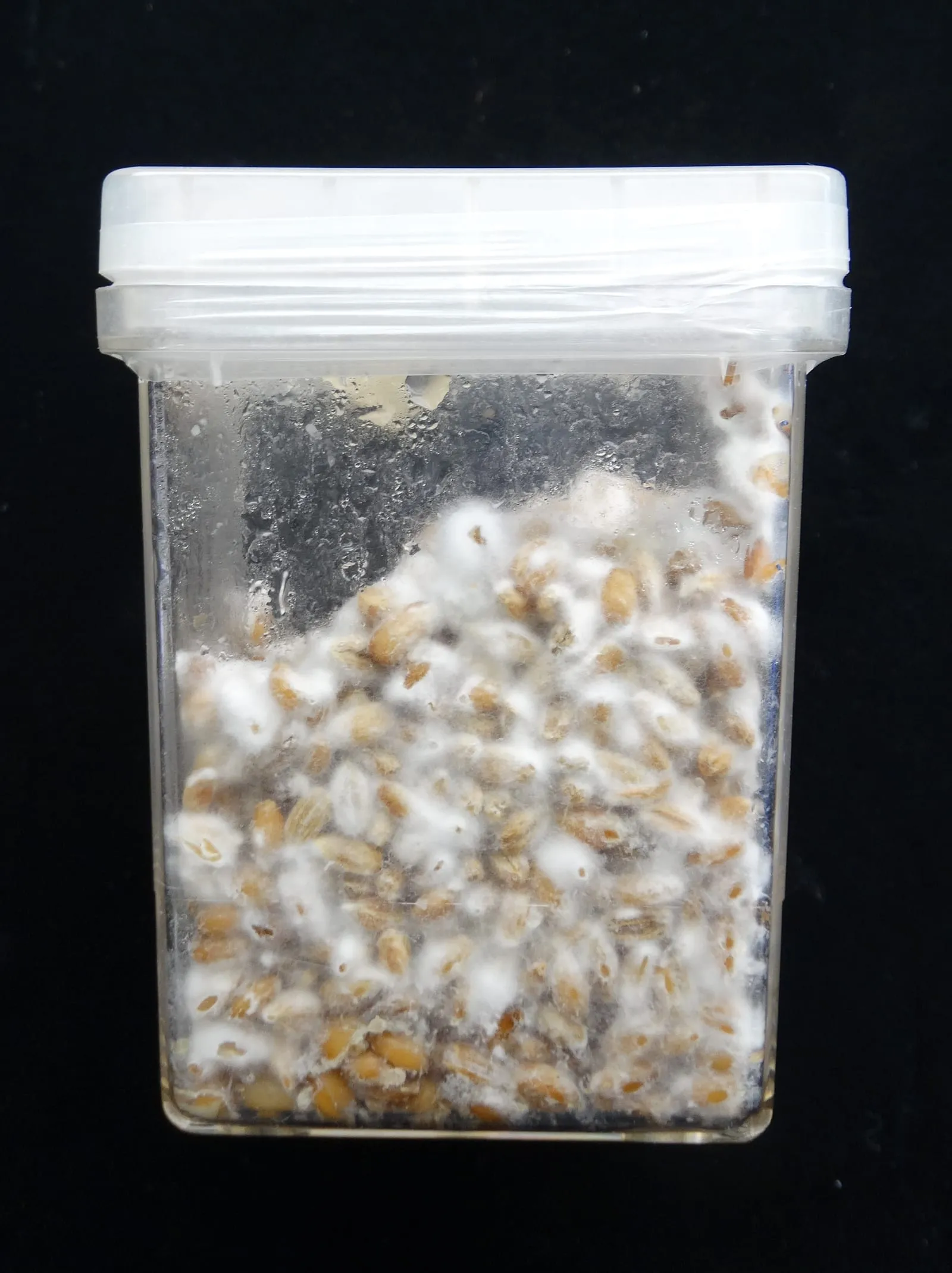
Panama Disease (Fusarium wilt) is the more serious disease threat in warm, humid zone 13a soils. Cavendish varieties are susceptible to Tropical Race 4 (TR4), which has expanded its range in recent decades. Where TR4 has been confirmed in the region, Goldfinger (FHIA-01) offers meaningful resistance and is worth prioritizing. Avoid replanting banana into soil with a known wilt history. During the hottest months, younger plants benefit from partial shade cloth to reduce leaf scorch and redirect energy toward root development.
Banana in adjacent zones
Image: "Musa acuminata kz01", by Krzysztof Ziarnek, Kenraiz, via Wikimedia Commons, licensed under CC-BY Source.

Related