berry
Dragonfruit
Hylocereus undatus
USDA hardiness range
- Zones
- 10a–13b
- Chill hours
- 0 below 45°F
- Days to harvest
- 120 to 180
- Sun
- Full
- Water
- Low
- Lifespan
- 20 to 30 years
Growing dragonfruit
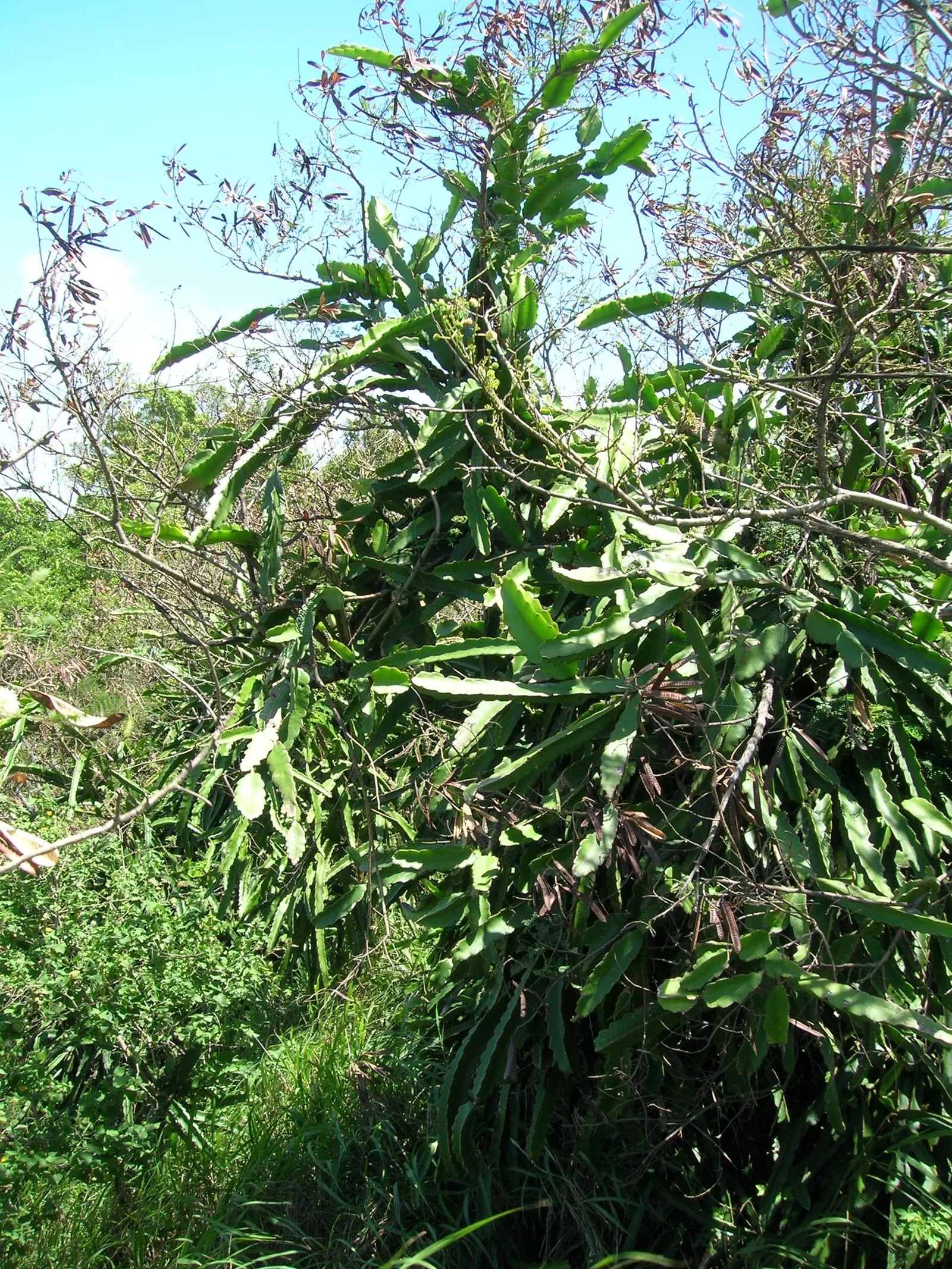
Dragonfruit (Hylocereus undatus) is a climbing cactus native to Central America that has found a reliable second home in the warmest corners of the continental United States and Hawaii. It requires zero chill hours and grows best where hard freezes simply do not happen, placing its dependable range in zones 10a through 13b. Within that band, a well-sited plant can produce fruit for 20 to 30 years with minimal inputs.
What separates a productive dragonfruit planting from a failed one usually comes down to three factors: structural support, pollination timing, and drainage. The vines grow vigorously and need a sturdy trellis or post from the start. Flowers open for a single night and require pollination within that window, which catches many first-time growers off guard. And because this is a cactus, the roots have almost no tolerance for standing water.
At the lower edge of its range, zone 10a growers face real risk in cold winters. A brief dip to 28 to 30 degrees Fahrenheit can damage stems and set production back by a season or more. North-facing exposures and low spots that collect cold air are poor sites. Zone 11 and warmer growers have far more margin. UF/IFAS Extension and the University of Hawaii both document pitaya production extensively for their respective climates, and either is worth consulting before selecting a planting site.
Recommended varieties
See all 3 →3 cultivars for home growers, with notes on flavor, ripening, and disease resistance.
| Variety | Notes | Zone fit | Disease resistance |
|---|---|---|---|
| American Beauty | Magenta flesh with a sweeter raspberry-kiwi flavor; the prettiest cut and the easier sell. Self-fertile, productive. | | none noted |
| Vietnamese White | White flesh with mild sweet flavor and the classic dragonfruit look; less intense than red varieties but reliable. Self-pollinating. | | none noted |
| Physical Graffiti | Magenta flesh with intense candy-sweet floral notes; the variety that converts dragonfruit skeptics. Self-fertile, large fruit. | | none noted |
Soil and site requirements
Dragonfruit demands drainage above almost everything else. The roots are shallow and fleshy, and they will rot within days in waterlogged soil. Raised beds, mounded rows, or slopes with natural runoff all work; low flat ground with clay subsoil does not, regardless of how amended the top layer is. Sandy loam or loamy sand in a pH range of 6.0 to 7.5 is ideal. Slightly acidic to neutral soils support nutrient uptake without locking out iron or magnesium, both of which show up as yellowing in dragonfruit grown in alkaline conditions.
Full sun is non-negotiable. Plants in partial shade may survive but will produce sparsely. In the hottest parts of zones 12 and 13, some afternoon filtering can reduce heat stress on fruit during peak summer, but six or more hours of direct sun is still the minimum.
For trellised culture, space plants 8 to 10 feet apart in row, with rows 10 to 12 feet apart to allow air circulation and equipment access. Each plant needs a post or T-bar capable of supporting 50 or more pounds of mature vine over time. Galvanized or concrete posts outlast wood significantly in the humid conditions common to zone 10 and warmer regions.
Microclimate matters most in zone 10a. South-facing walls and paved surfaces retain heat overnight and can provide a meaningful buffer during cold snaps. Avoid frost pockets formed by depressions or north-facing slopes.
Common pests
Common challenges
Frost and cold damage is the leading cause of failure for growers pushing the northern limits of the range. Dragonfruit stems suffer tissue damage at temperatures below 28 to 30 degrees Fahrenheit, and a prolonged cold event can kill stems to the ground. Even in zone 10a, two or three frost events per decade is enough to keep plants from reaching full productive maturity. Cold-sensitive growers should consider container culture for easier protection or choose inland sites with reliable thermal mass.
Pollination failure is responsible for most cases where plants bloom heavily but set little or no fruit. Dragonfruit flowers open after dark and close before morning, leaving a single night for pollination. Many varieties sold in the US are labeled self-fertile, and the three varieties listed here (American Beauty, Vietnamese White, Physical Graffiti) are all self-pollinating. Even so, hand-pollination with a small brush or cotton swab at flower opening significantly increases fruit set and size. Growers who skip this step often see frustratingly low yields despite healthy plants.
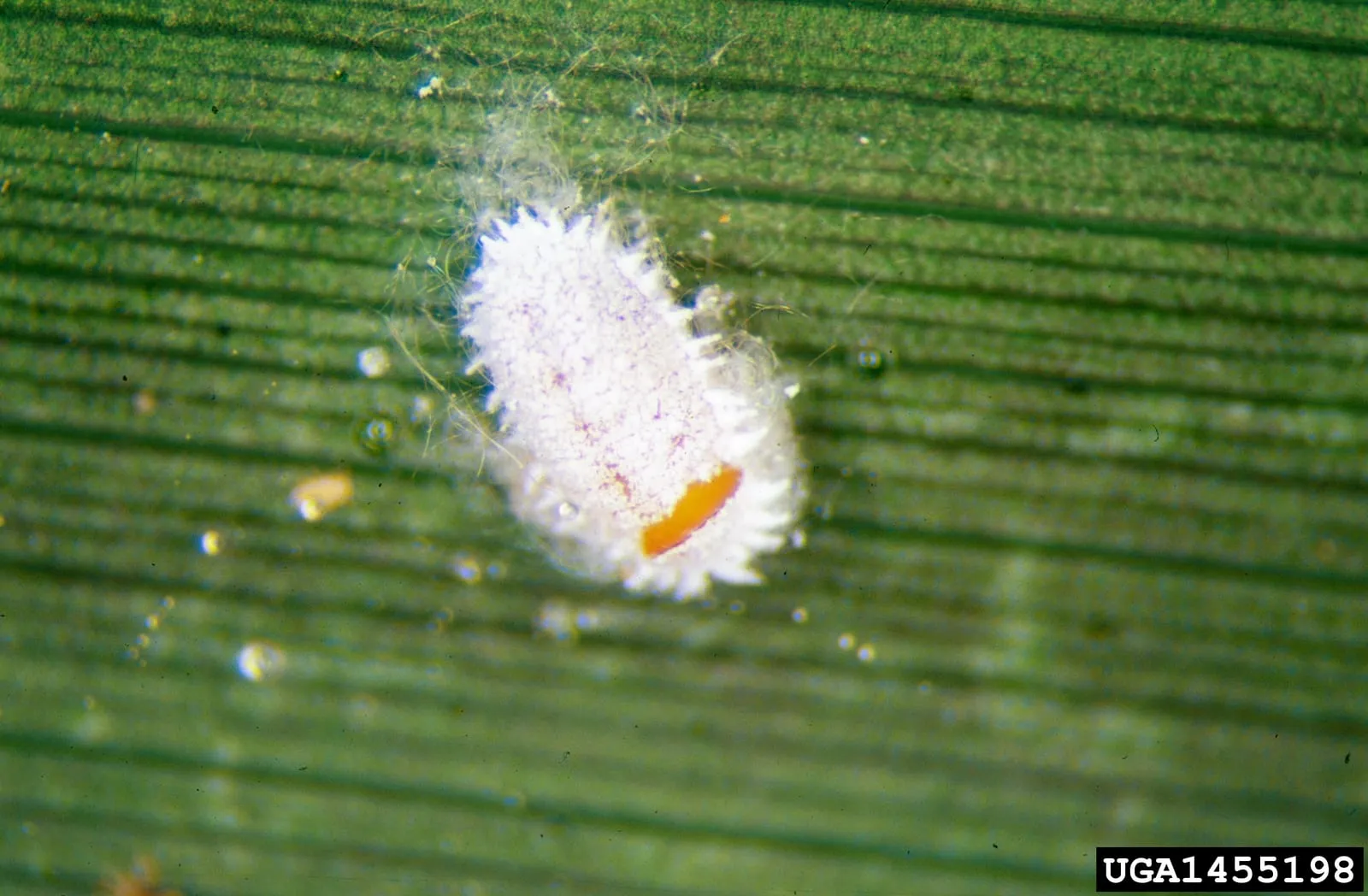
Overwatering and root rot round out the common failure modes. Because dragonfruit looks like a tropical plant, new growers tend to water it like one. In practice, established plants in well-drained soil need water only every two to three weeks in the dry season and very little during wet periods. Fungal disease pressure, including anthracnose, increases significantly when soil stays moist and air circulation is poor. Scale insects and mealybugs are the pests to monitor; both are manageable with horticultural oil if caught early.
Frequently asked questions
- Does dragonfruit require any chill hours?
No. Dragonfruit (Hylocereus undatus) requires zero chill hours. It is a tropical cactus that does not need a cold dormancy period to flower or fruit. This makes it well suited to year-round warm climates in zones 10a through 13b.
- How long does dragonfruit take to produce fruit?
From planting, most dragonfruit vines begin flowering and fruiting within one to three years. Once a flower is pollinated, the fruit reaches harvest maturity in approximately 120 to 180 days depending on variety, temperature, and season.
- Which USDA zones are suitable for dragonfruit?
Dragonfruit grows reliably in zones 10a through 13b, where hard freezes are rare to absent. Zone 10a growers face meaningful frost risk in cold winters and should choose protected microclimates or be prepared to cover plants. Zones 11 and warmer offer significantly more margin.
- Do dragonfruit plants need a second plant for pollination?
The three varieties profiled here (American Beauty, Vietnamese White, and Physical Graffiti) are all self-fertile. However, dragonfruit flowers open for only one night, so hand-pollination with a brush at flower opening is strongly recommended to maximize fruit set, even on self-fertile varieties.
- What is the most common disease affecting dragonfruit?
Anthracnose, a fungal disease, is the primary disease concern for dragonfruit in humid growing areas. It presents as dark, sunken lesions on stems and fruit. Good air circulation, minimal overhead watering, and prompt removal of affected tissue reduce pressure substantially.
- How long does a dragonfruit plant live?
A well-established dragonfruit plant in a suitable zone can remain productive for 20 to 30 years. Early years are vegetative; most plants do not reach peak production until year three to five.
- What pests should dragonfruit growers watch for?
Scale insects and mealybugs are the two most common pests on dragonfruit. Both feed on sap and can weaken plants if populations build unchecked. Horticultural oil applied to affected stems and joints is effective when applied at first sign of infestation.
+−
+−
+−
+−
+−
+−
+−
Sources
- [1] UF/IFAS Extension: Pitaya Growing in the Florida Home Landscape
- [2] University of Hawaii: Pitaya Production
Image: "Starr 060416-7723 Hylocereus undatus", by Forest & Kim Starr, via Wikimedia Commons, licensed under CC-BY. Source.

Dragonfruit by zone
Related